




Polished Silver Picture Frame
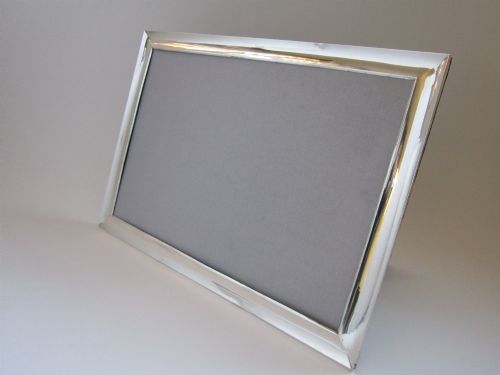
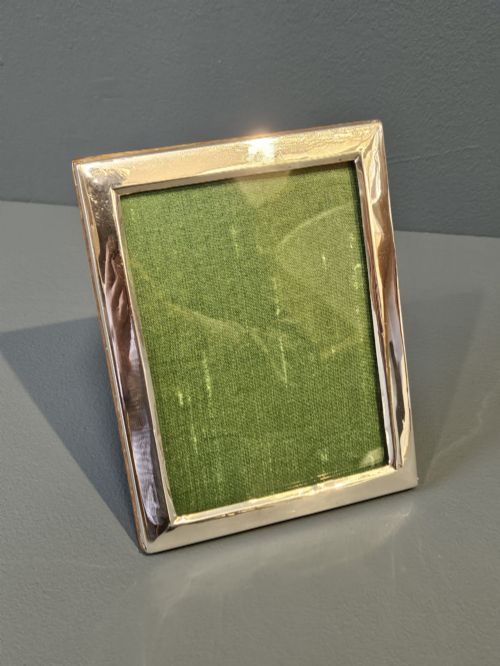
These polished silver picture frames bring domestic elegance to a room, offering a bright metal border to frame your cherished photographs.
What a polished silver picture frame is
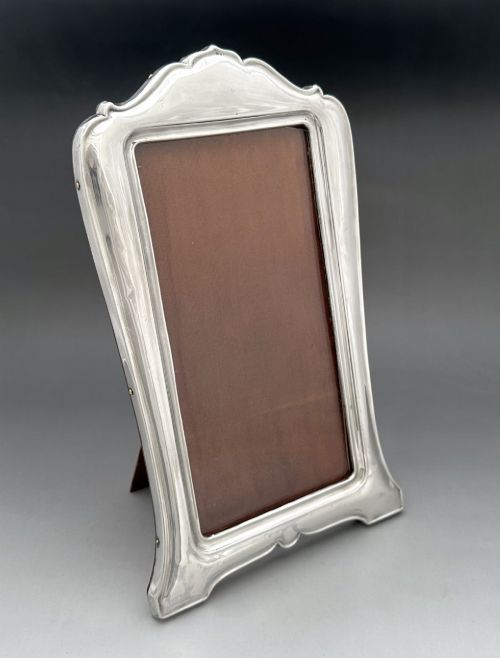
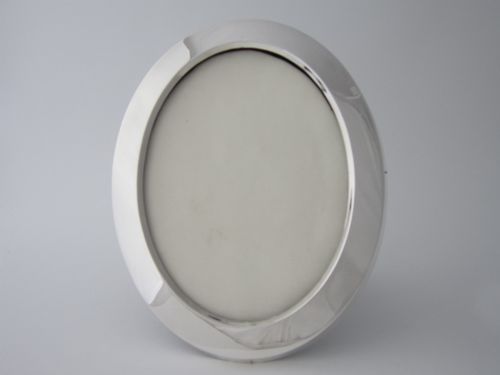
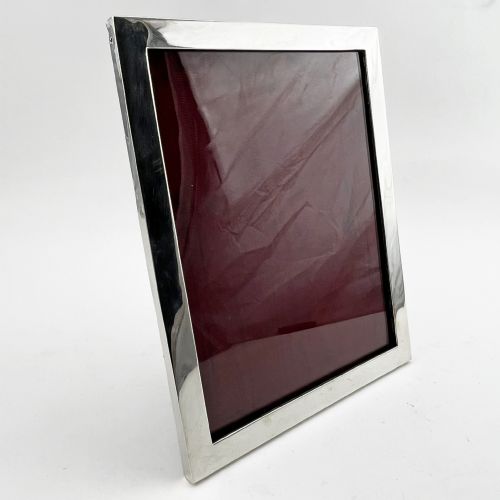
A polished silver picture frame provides a lustrous metal surround designed to display photographs securely on a desk, mantelpiece or table. When you search for a polished silver picture frame, you find items created to hold and protect personal portraits while adding a decorative metallic accent to interior spaces.
The examples available range across multiple decades, including the Edwardian era, George V reign, and the mid-twentieth century. These pieces encompass both English and Italian craftsmanship, featuring rectangular formats alongside distinct decorative motifs.
Materials and construction
These items utilise sterling silver, 800 silver, and general silver components combined with glass panels to protect the image front. Supporting structures incorporate wood and velvet or fabric backing materials to give the frames stability and a finished reverse.
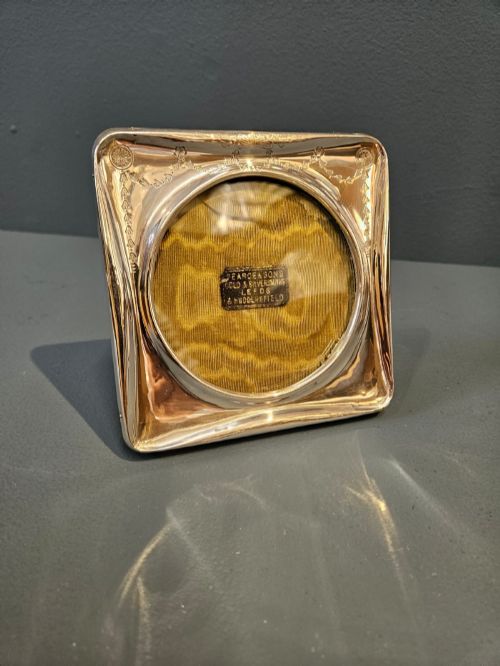
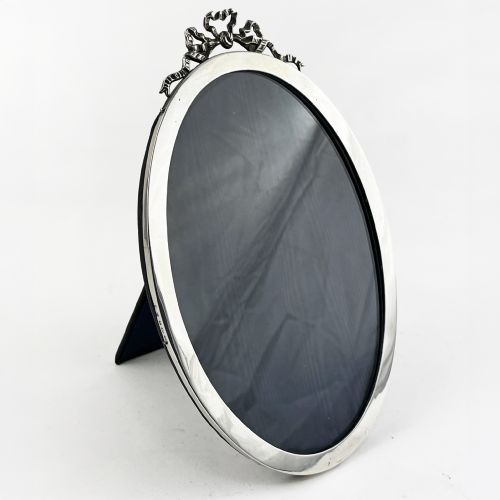
Surface ornamentation involves hand engraving on select models, whilst others maintain a plain border to highlight the smooth metallic sheen. Frames are constructed to stand upright using integrated rear struts.
Retail Price Guide 2026
Typical UK retail prices for polished silver picture frame, calculated from the Sellingantiques database of over a million retail prices indexed since 2003. This retail price guide relies exclusively on Sellingantiques data; no external sources or auction records are used, so the figures do not describe the wider market.
Listings feature sterling silver and 800 silver materials combined with glass, wood, and velvet across Edwardian, George V, and mid-twentieth century styles.
Distinctions in quality
Quality differences emerge in the weight of the metal and the complexity of the border decoration, ranging from simple plain margins to intricate Art Nouveau styling and bow or ribbon motifs. The choice of backing materials, such as fitted wood and tactile velvet, also distinguishes standard production from more substantial luxury pieces.
The pedigree of manufacture influences the character of the frame, demonstrated by items bearing specific retail provenance or distinguished by exceptionally large proportions.
The Polished Silver Picture Frame Glossary
- Sterling silver
- A silver alloy containing 92.5 percent pure silver by mass, frequently utilised in British framing to ensure durability and a bright finish.
- Edwardian
- A period spanning from 1901 to 1910, noted in these items for graceful decorative styles such as Art Nouveau influences and fine surface engraving.
- George V
- The period of the British monarchy from 1910 to 1936, associated with structured sterling silver photograph frames bearing traditional hallmarks.
- Strut
- The rear folding support leg attached to a frame, allowing it to stand upright on a horizontal surface.
Frequently Asked Questions
How do I clean my silver frame?
Clean the metal gently using a soft cloth formulated for silver maintenance to preserve the polished surface without damaging any surrounding fabric or wood.
Avoid applying harsh chemical dips directly onto frames that feature delicate velvet or wooden components on the reverse.
What periods do these frames come from?
The pieces span several decades, featuring Edwardian designs alongside George V and mid-twentieth century Italian examples.
Each period brings distinct stylistic elements, from early twentieth-century engraving to later continental forms.
Are the backs original?
Many frames retain their original wooden and fabric or velvet backing structures, which support the internal glass panel holding the photograph.
These backing materials vary by maker and period, reflecting the standard manufacturing practices of their origin.
How do I date a silver frame?
Dating relies upon stylistic markers such as Art Nouveau or Art Deco forms, alongside any official hallmarks stamped into the metal.
English pieces from the early decades of the twentieth century often display clear year letters corresponding to assay office records.