

Silver Photograph Frame
When choosing a silver photograph frame, a collector holds a piece of domestic history shaped by decades of changing tastes.
Silver Photograph Frame
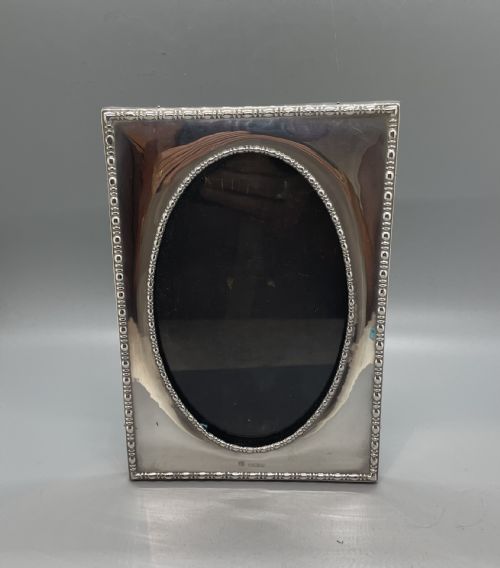
A silver photograph frame provides a decorative housing for portraiture and family keepsakes, spanning periods from the late Victorian era through the Edwardian years and into the Art Deco epoch. Buyers browsing this page encounter items designed to sit upon writing desks, mantlepieces and dressing tables, serving both utilitarian and ornamental roles in period interiors.
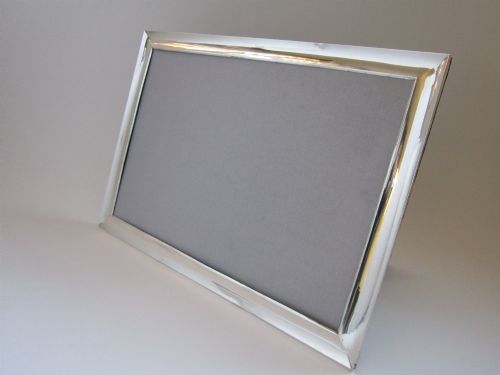
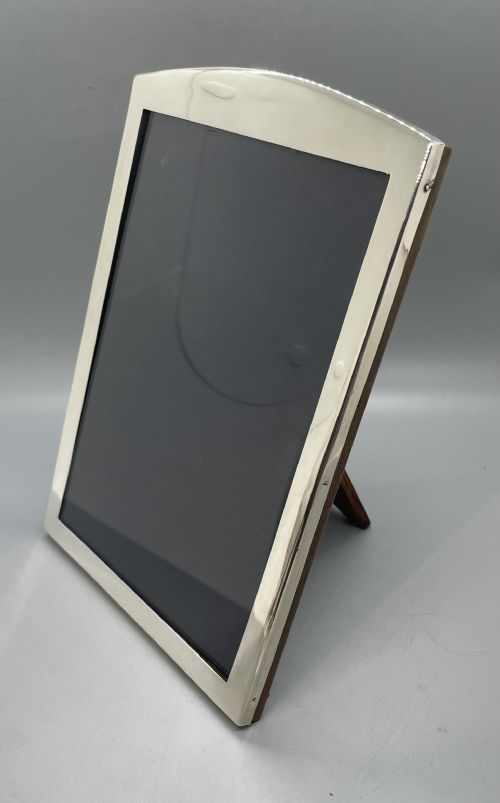
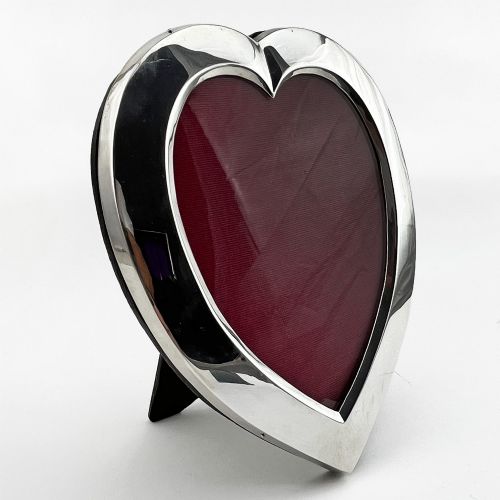
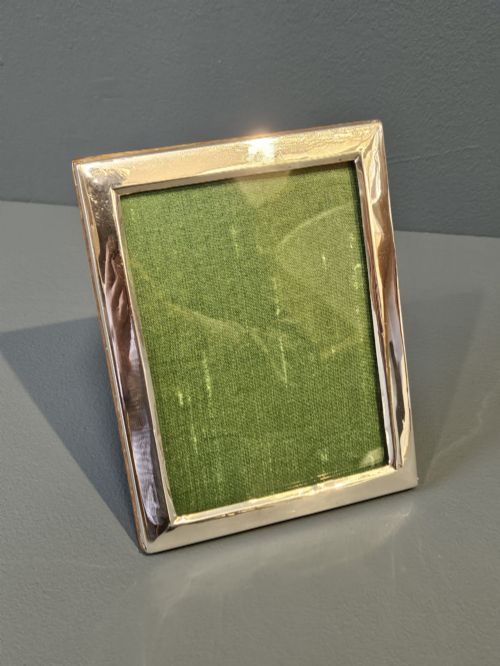
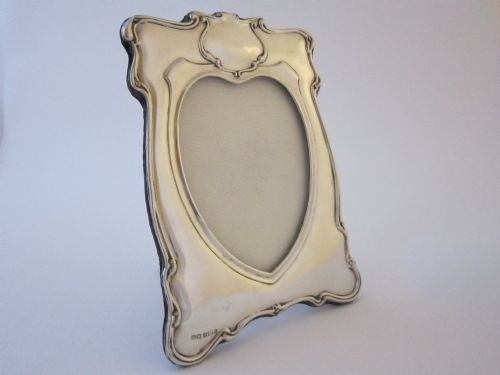
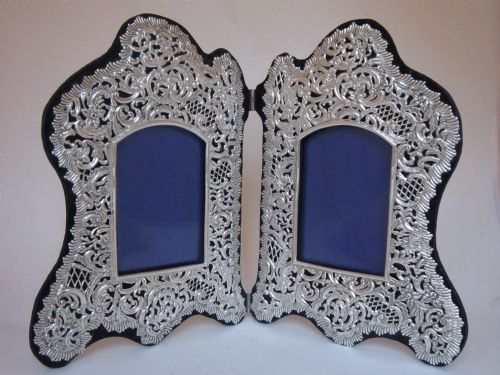
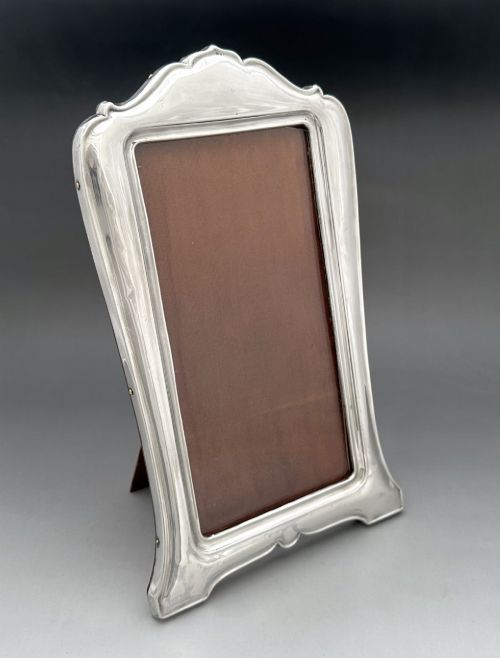
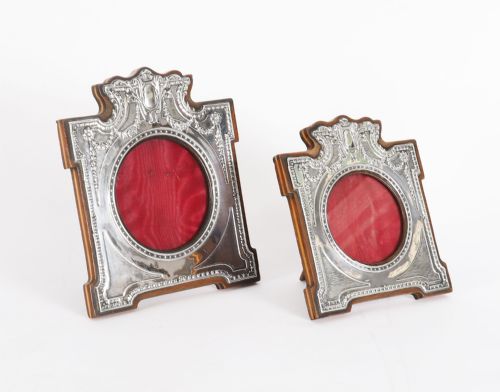
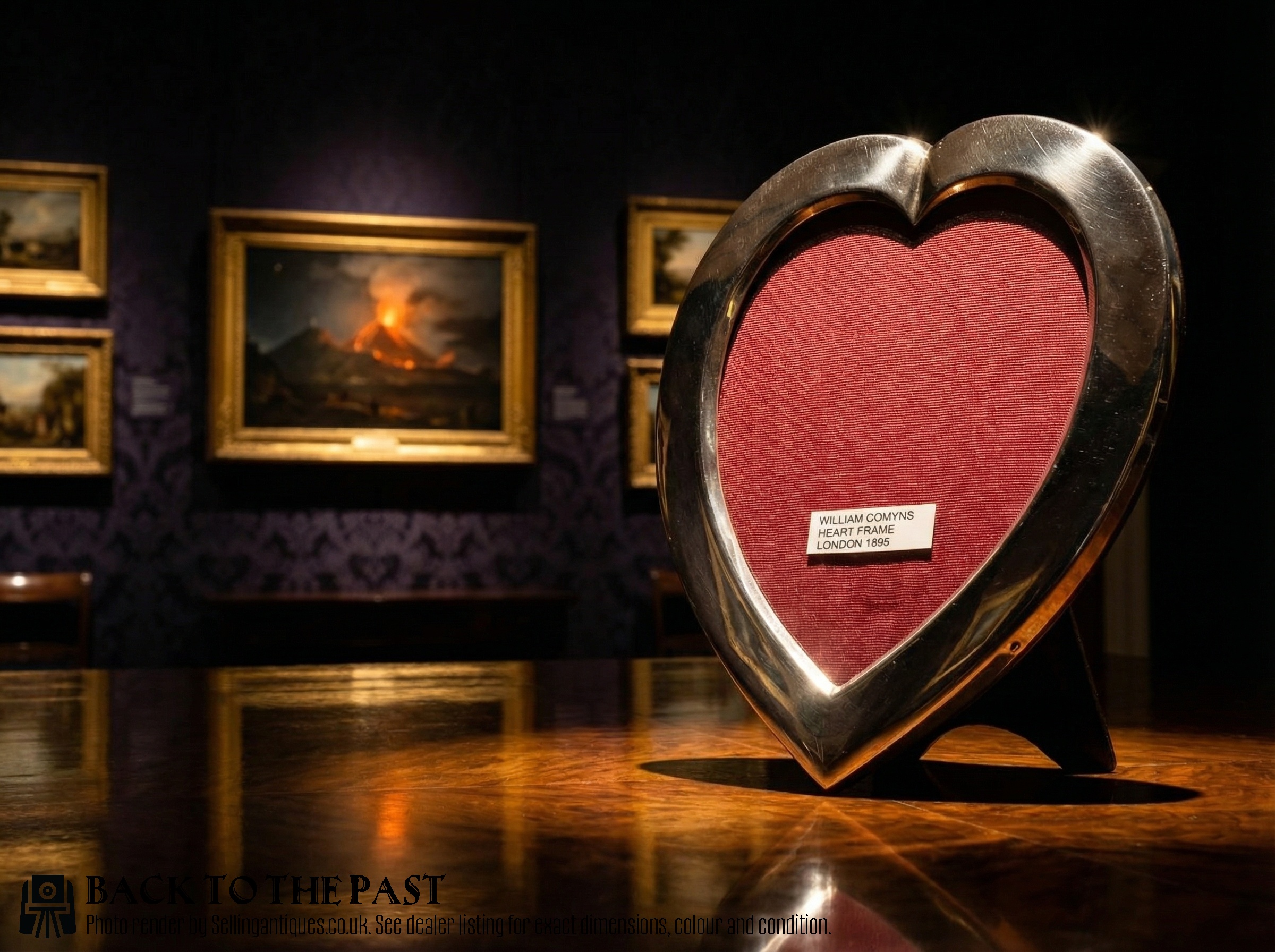
The most common versions met on this page date from the George V and Edwardian periods, alongside substantial Victorian examples and later mid-century Italian pieces. These items arrive in various forms including single rectangular apertures, heart shapes, double-hinged companions and oval designs.
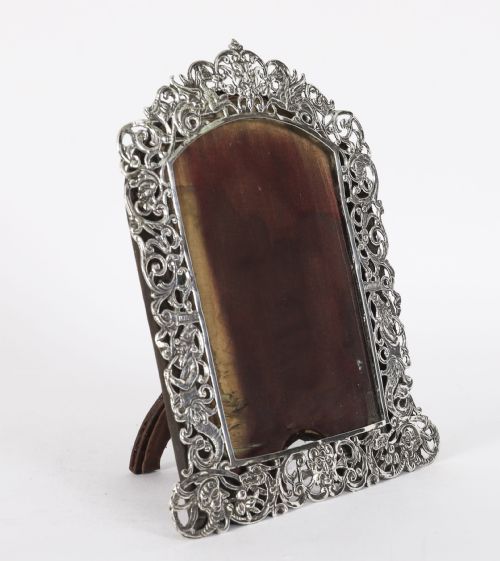
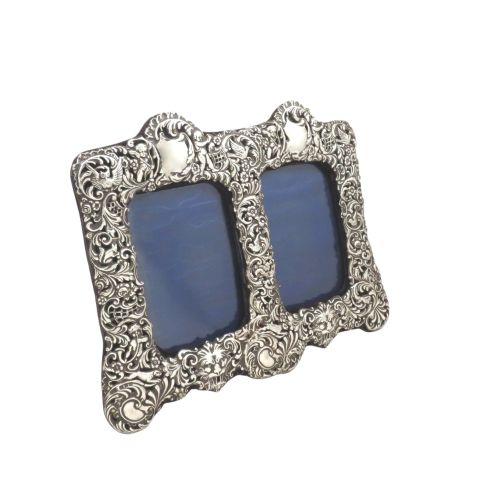
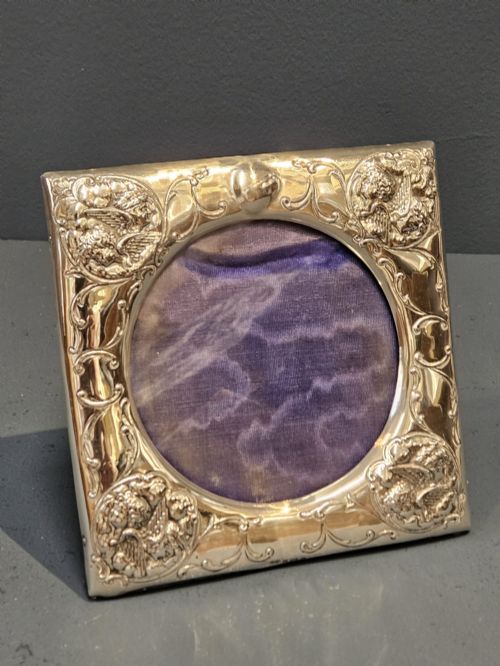
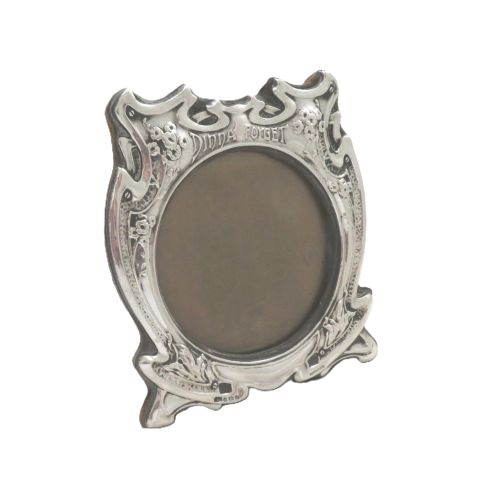
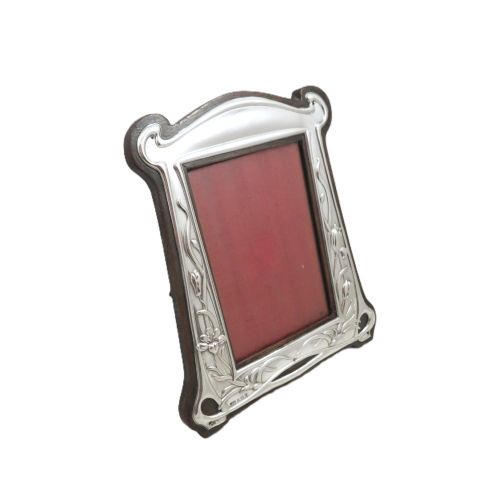
The selection ranges from restrained Classic English models to ornate Art Nouveau pieces featuring embossed motifs such as flowers, angels, animals and ribbon bows. Every object reflects the prevailing decorative arts of its decade while protecting photographic paper behind clear glass.
How They Were Made
Makers fashioned these objects primarily from sterling silver sheet or solid silver mounts, often employing techniques like piercing, embossing and engine-turning to pattern the metal surface. Silversmiths worked metal around a wooden core or secured it to structural timber backs, frequently incorporating rich blue or red velvet and fabric linings.
Supporting structures commonly relied on wooden struts hinged to the rear, allowing the piece to stand upright on a flat surface. Glass panes protected the portrait within, held securely behind the silver bezel or secured by sliding catches and turning pins.
Silver Photograph Frame Retail Price Guide 2026
Typical asking prices for silver photograph frame among the pieces listed under this phrase on Sellingantiques today, from the lower quarter to the upper quarter. They describe what is for sale here now, not the wider market.
Several pieces preserve Victorian sentiments, including a heart-shaped design inscribed with the phrase Dinna Forget.
What Varies In Quality
The distinction between standard examples and superior pieces rests on the weight of the metal and the depth of the ornamentation. Heavier gauge sterling silver maintains its structural integrity and resists denting, whereas thinner sheeting yields more easily to pressure.
Detailing sets finer work apart, seen in crisp, hand-chased motifs like cherubs, birds or intricate Art Nouveau tendrils rather than shallow, mass-produced stamping. The integration of high-grade backing materials, such as polished oak or thick velvet with functioning silver-plated hinges, indicates superior craftsmanship.
William Comyns·Henry Matthews·Walker & Hall·Mappin Bros·Syner & Beddoes·Deakin & Sons·Wang Hing·W.I. Broadway & Co·Mappin & Webb
The Silver Photograph Frame Glossary
- Sterling silver
- A silver alloy containing 92.5 percent pure silver by mass and 7.5 percent other metals, usually copper. This standard composition provides durability while maintaining a bright metallic lustre.
- Hallmark
- An official stamp applied by an assay office indicating the purity of the metal, the year of manufacture and the town of testing. These marks allow collectors to date items accurately.
- Engine-turning
- A decorative technique involving a precision machine that engraves geometric patterns into metal surfaces. This method creates repeating lines and intricate textures across the silver border.
- Bezel
- The grooved rim or collar that holds the glass pane securely in place over the photograph. It frames the aperture and protects the image from dust.
- Strut
- The hinged support attached to the back of the object allowing it to stand upright. It is typically covered in fabric, leather or wood.
Silver Photograph Frame: Frequently Asked Questions
How do I clean a silver photograph frame?
Use a soft microfiber cloth with a dedicated silver polish, applying gentle pressure to avoid the embossed details. Take care to keep moisture away from the wooden backs and velvet linings.
Prevent polish residue from lodging in the crevices of pierced or chased designs by using a soft-bristled brush. Regular light dusting helps maintain the metal lustre without requiring frequent heavy cleaning.
What periods are most common for these frames?
The majority of pieces date from the Edwardian era and the George V period, alongside Victorian examples from the late nineteenth century. Art Deco designs from the 1920s and 1930s also appear frequently.
Victorian items tend to feature heavier embossing and natural motifs, while Edwardian pieces often display lighter neoclassical or ribbon styles. Art Deco variations introduce geometric precision and modernist shapes.
How can I tell if a frame is solid silver?
Examine the metal for British hallmarked stamps, which typically include a lion passant indicating sterling silver purity alongside city marks and date letters. Unmarked continental pieces often bear numerical standards such as 800.
Solid items exhibit consistent weight and metal characteristics across the entire structure, whereas plated versions may show base metal beneath worn areas.
How were these frames displayed originally?
People placed them upon dressing tables, writing desks and drawing room piano tops to display portraits of family members. They served as personal items for domestic interior decoration.
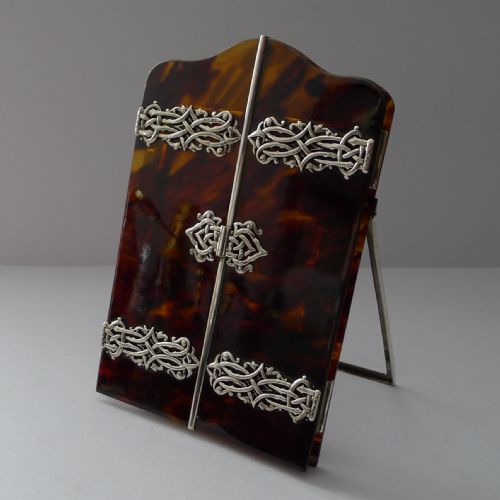
Travelling variants with folding leather or velvet cases allowed owners to transport photographs safely during journeys. Double and triple aperture configurations enabled families to group several portraits together.