


Victorian Silver Photo Frame
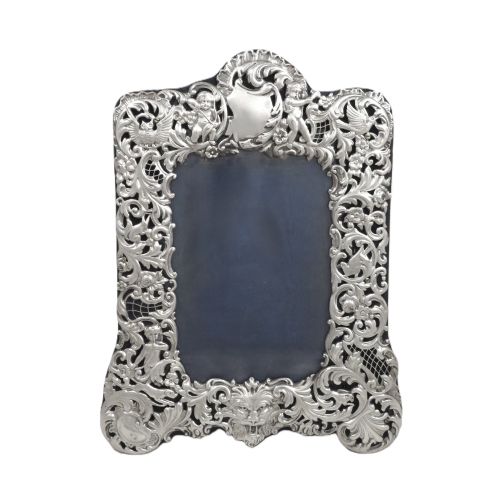
A victorian silver photo frame brings heavy sterling metal, velvet backs, and bevelled glass to a mantelpiece or bureau.
Identifying a victorian silver photo frame
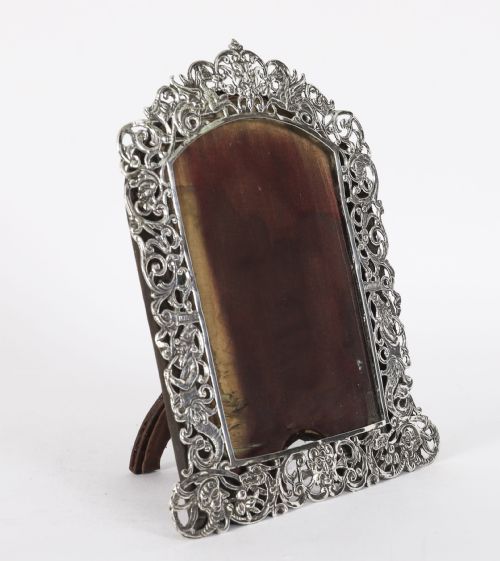
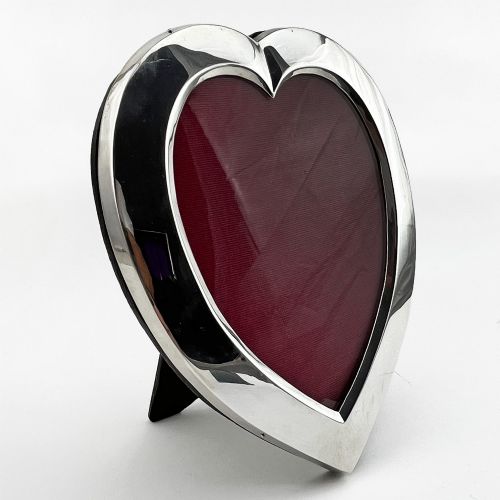
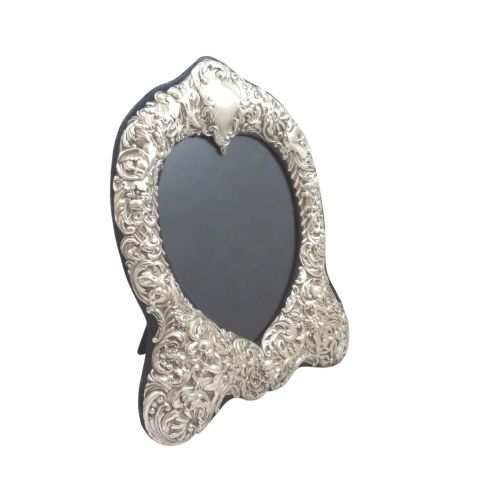
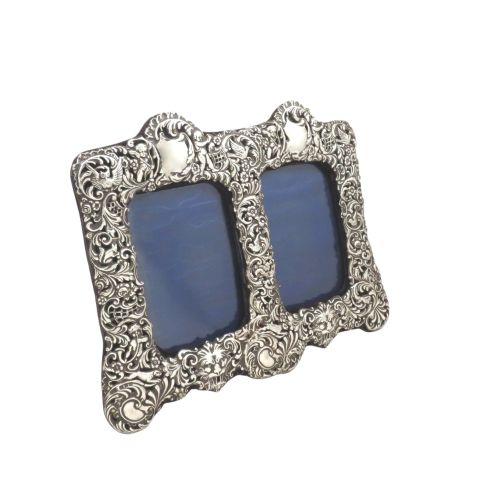
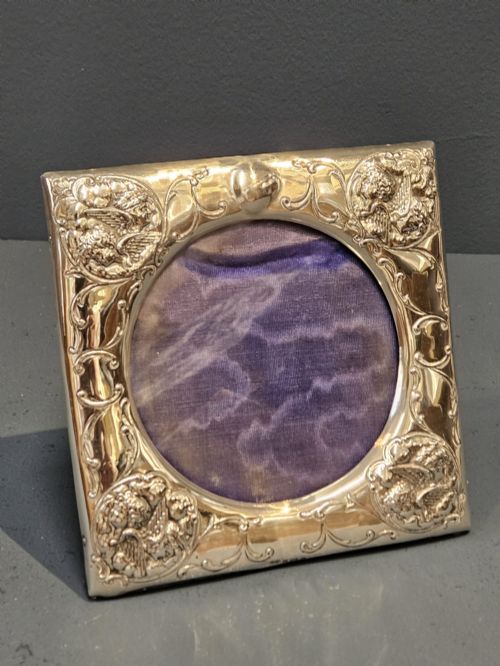
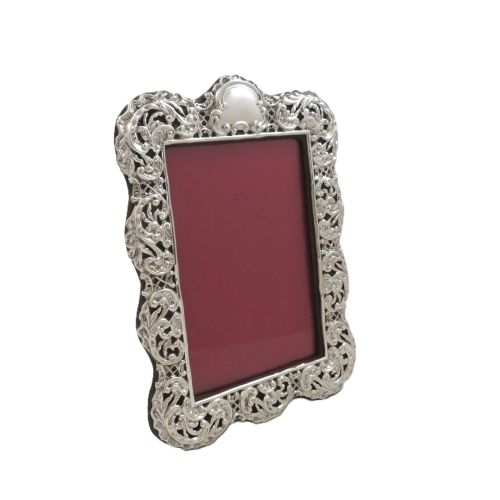
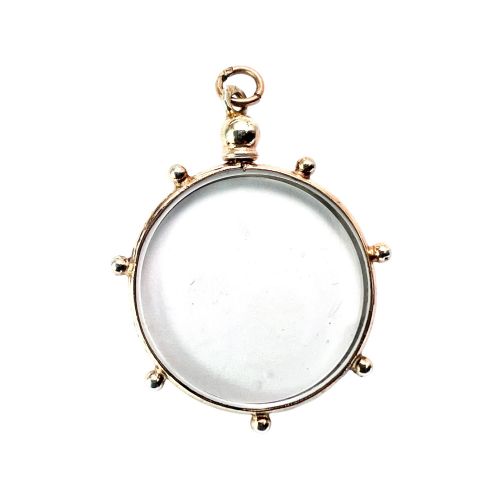
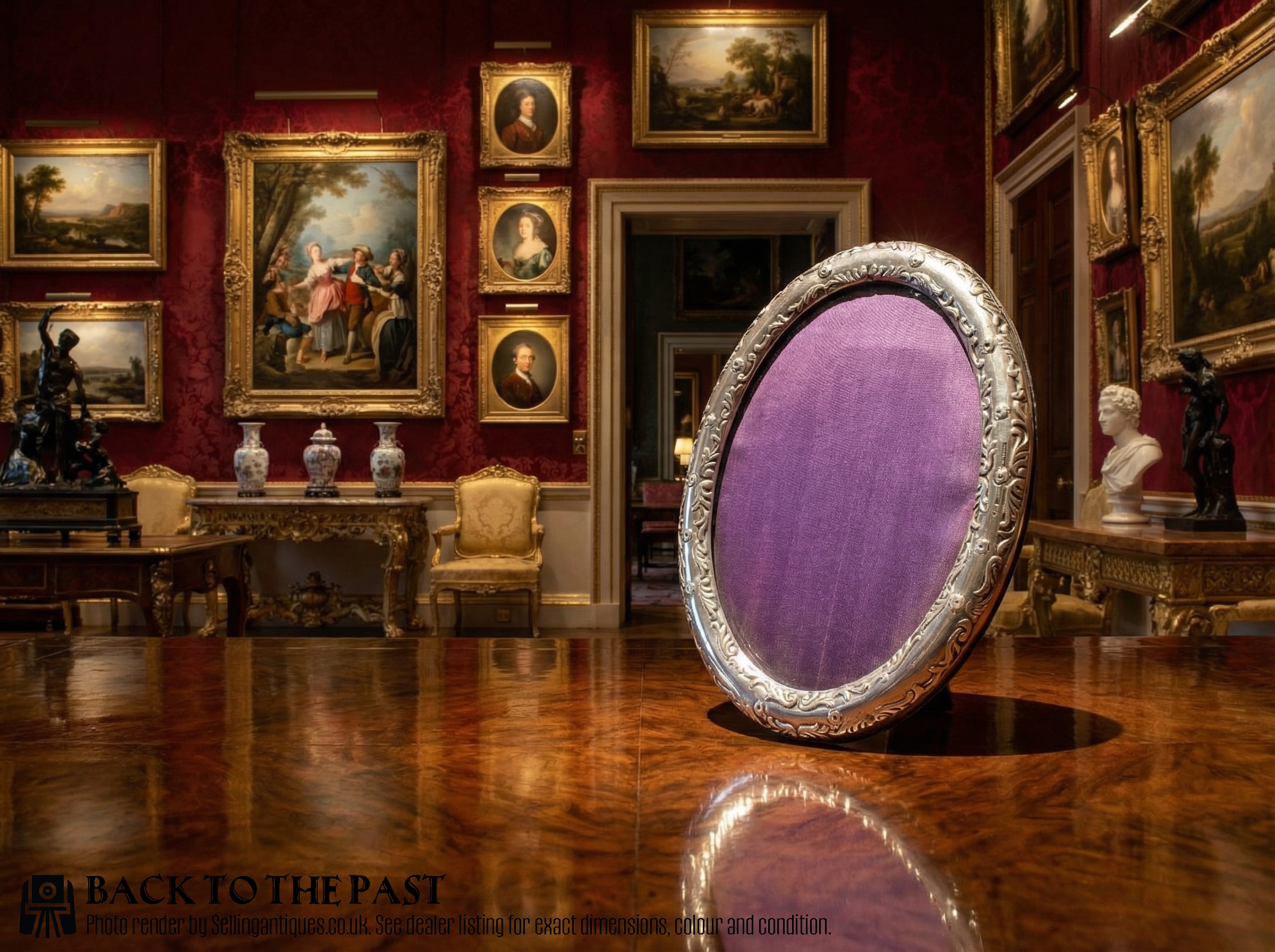
A victorian silver photo frame displays photographs behind glass within a decorated metal border, supported by a wooden or card back covered in velvet. The examples meeting on this page typically span the nineteenth and early twentieth centuries, arriving in forms from simple rectangular shapes to heart shapes and double frames.
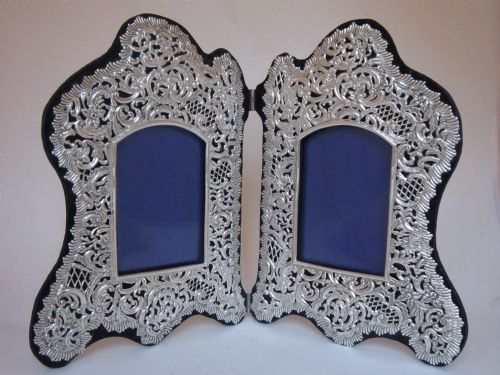
Makers produced these objects in standard portrait sizes and miniature formats, occasionally grouping two panels together as a pair or a double frame. The structural carcass relies on wood or card lined with textile, whilst the outer presentation face relies entirely on sheet metal.
The aesthetic vocabulary shifts between restrained polished planes and elaborate surface decoration. Makers applied embossing, piercing, and cast motifs to the metal mounts, drawing inspiration from contemporary revivals and organic art nouveau contours.
Materials and construction
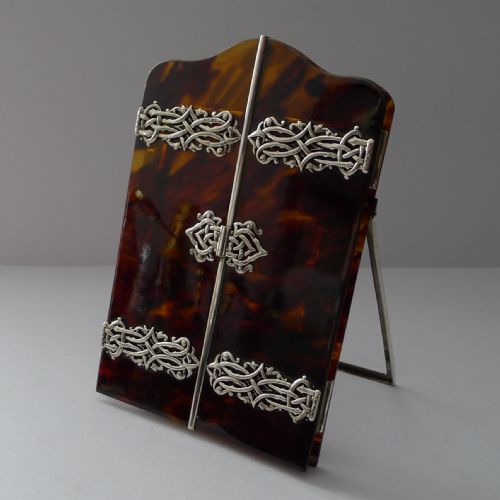
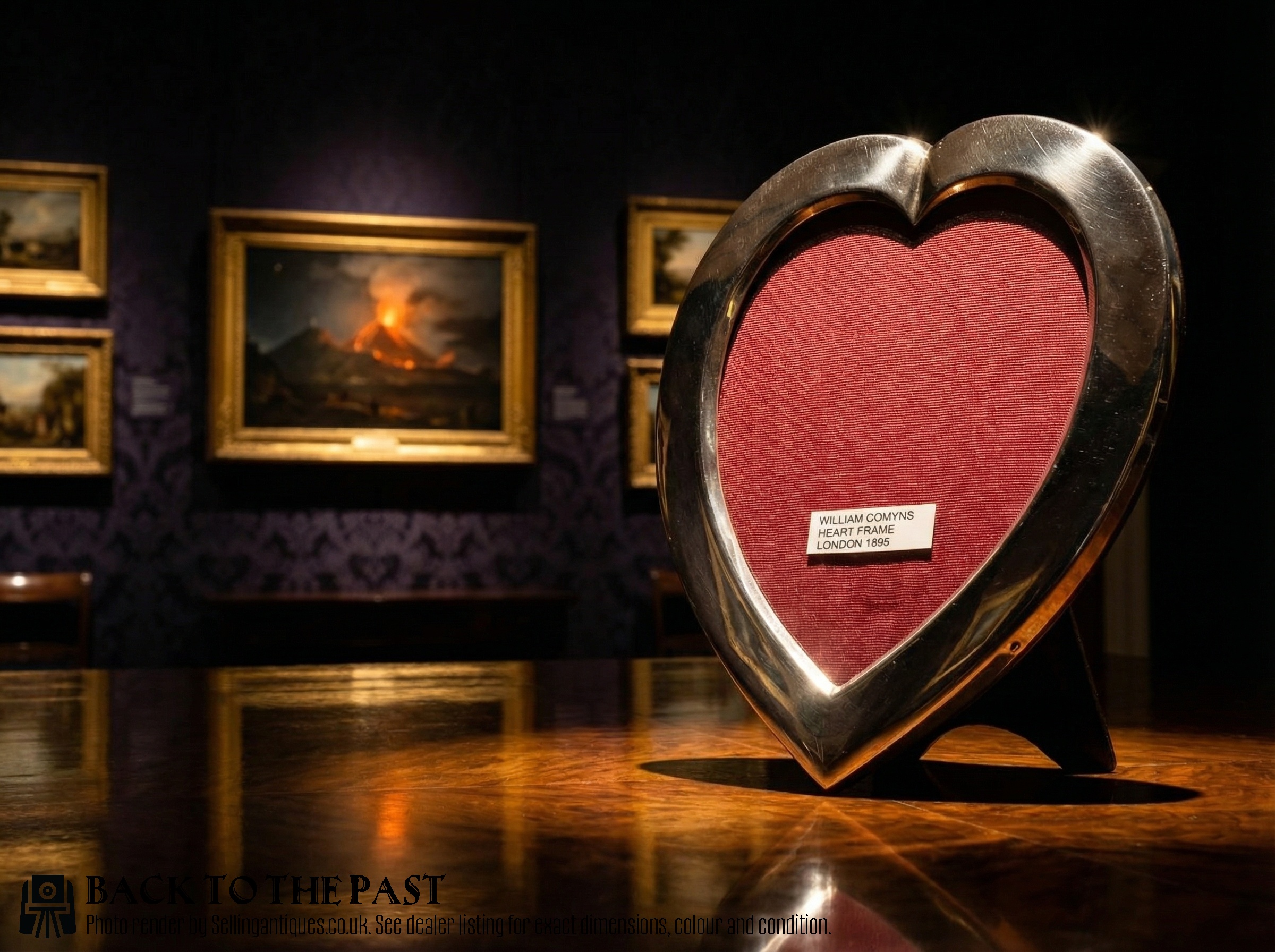
Silversmiths constructed each victorian silver photo frame from sterling silver sheet, often mounting the metal facade over an internal wooden or card chassis. Gilt silver appeared when makers wanted a gold-coloured finish across the metal surface, while tortoiseshell panels provided a dark, mottled contrasting backing for silver mounts.
Workers shaped the metal using embossing, chasing, piercing, and casting techniques to produce floral borders, cherubs, ribbons, and crests. Finished silver mounts were fitted with glass over the aperture and secured to a hinged wooden prop stand covered in velvet.
Retail Price Guide 2026
Typical UK retail prices for victorian silver photo frame, calculated from the Sellingantiques database of over a million retail prices indexed since 2003. This retail price guide relies exclusively on Sellingantiques data; no external sources or auction records are used, so the figures do not describe the wider market.
Listings demonstrate that wood, velvet, glass, and tortoiseshell served as the primary backing and glazing materials alongside sterling silver.
Judging quality and craftsmanship
Quality in a victorian silver photo frame rests on the depth of the metalwork and the crispness of the chased or embossed details. Heavy gauge silver maintains its structural integrity along thin borders and delicate heart shapes, whereas lighter metal shows distortion or splits over time.
William Comyns·Rosenthal, Jacob & Co·Mappin Bros
The Victorian Silver Photo Frame Glossary
- Sterling silver
- A silver alloy containing 92.5 percent pure silver by mass and 7.5 percent other metals, usually copper, to add durability. This standard metal forms the primary face of these frames.
- Embossing
- A technique where the silversmith hammers or presses the metal from the reverse side to raise a design in relief. This process created the floral borders and cherub motifs seen on many frames.
- Piercing
- The method of cutting openwork patterns through the silver sheet to create lightweight, decorative grilles. Makers used this to add intricate open backgrounds around the photograph aperture.
- Gilt silver
- Silver that has been coated with a thin layer of gold, sometimes called vermeil. This treatment gives the metal a warm, golden appearance.
- Tortoiseshell
- The mottled brown and amber shell of the hawksbill turtle used as an overlay material. Artisans mounted silver filigree and borders directly onto these polished plates.
Frequently Asked Questions
How do I date a silver frame?
Dating relies upon the hallmarking stamped directly into the silver mount. These official marks record the assay office, standard of metal, and a specific date letter corresponding to the year of testing.
Additional clues emerge from the style of decoration, such as heavy embossed cherubs or flowing art nouveau lines which gained popularity toward the close of the nineteenth century.
What backs are original on these frames?
Original backs typically consist of wood or thick card lined with plush fabric such as velvet. A hinged wooden prop stand is usually attached to support the frame upright on a surface.
Many surviving pieces retain their original swivel clips or sliding wooden wedges designed to hold the backing board securely inside the silver rebate.
How should I clean tarnished silver?
Cleaning requires a soft microfiber cloth and a mild, non-abrasive silver polish formulated for antique metal. Gentle circular motions lift the dark tarnish without wearing away the thin layer of embossed detail.
Avoid aggressive dipping liquids entirely, as harsh chemicals can strip the dark highlights intentionally left in the recesses of chased patterns and damage the surrounding velvet or glass.
Were these frames meant for desks or walls?
Most examples were designed for domestic display on desks, mantelpieces, and small tables using the attached folding easel prop. Their construction prioritizes a decorative front face meant to be viewed closely from a seated position.
Some unusual variants included suspension loops or wallet folds, though the standard format relies entirely on desk support rather than wall hanging.