

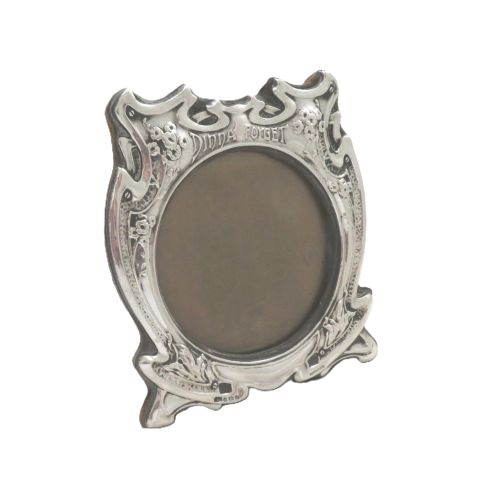
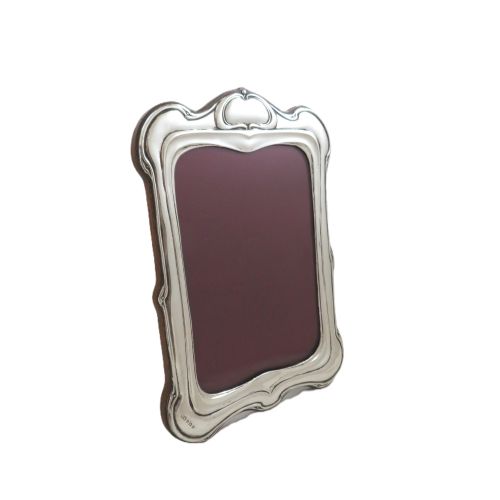
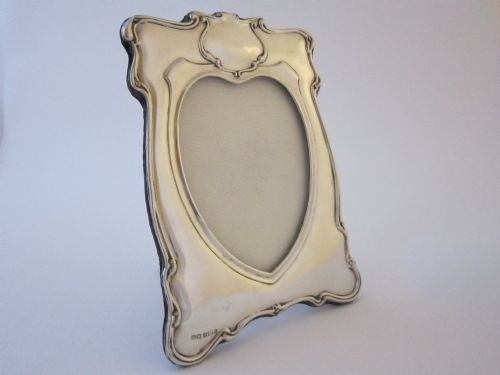
Vintage Silver Portrait Frame
A vintage silver portrait frame brings tactile presence to a bureau or mantelpiece, holding family history in solid metal and bevelled glass.
Identifying these pieces
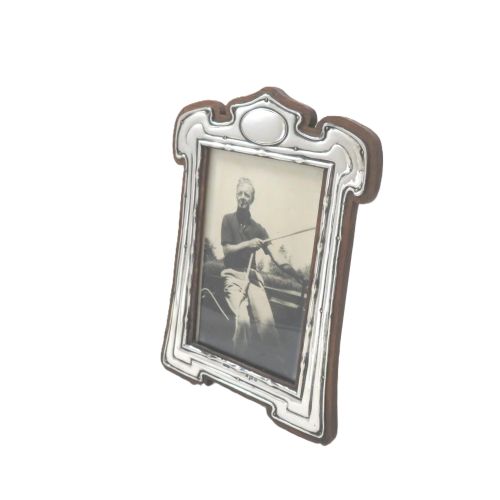
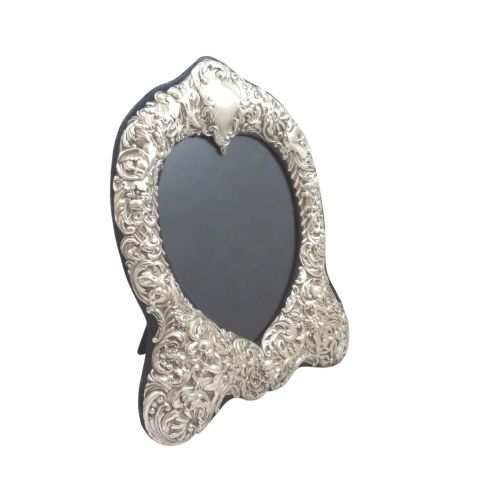
A vintage silver portrait frame stands as an enduring desk accessory designed to display cherished likenesses in domestic interiors. When searching for a vintage silver portrait frame, collectors encounter varied iterations spanning the late Victorian period through the George V era.
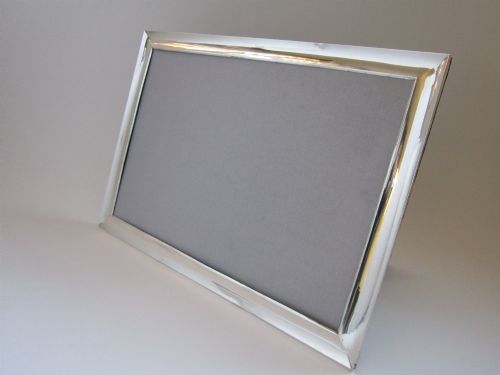
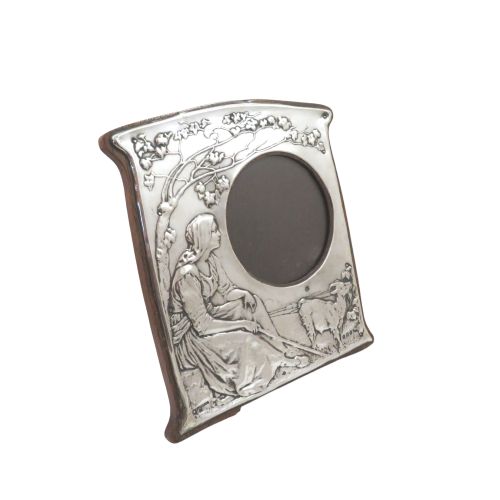
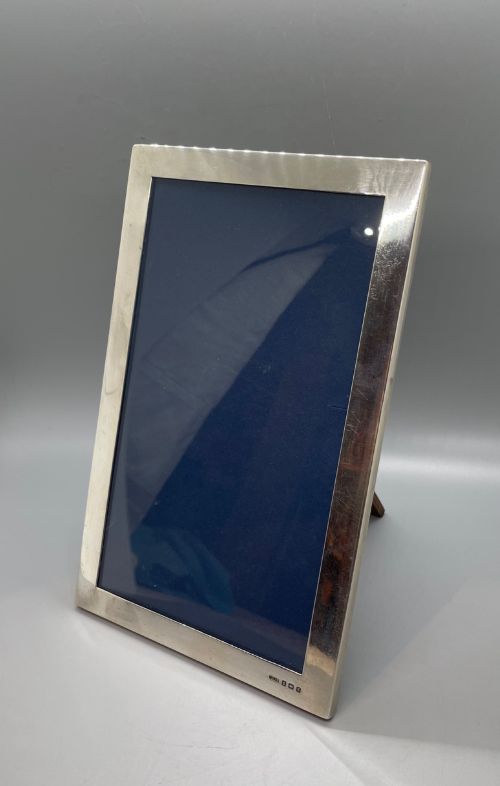
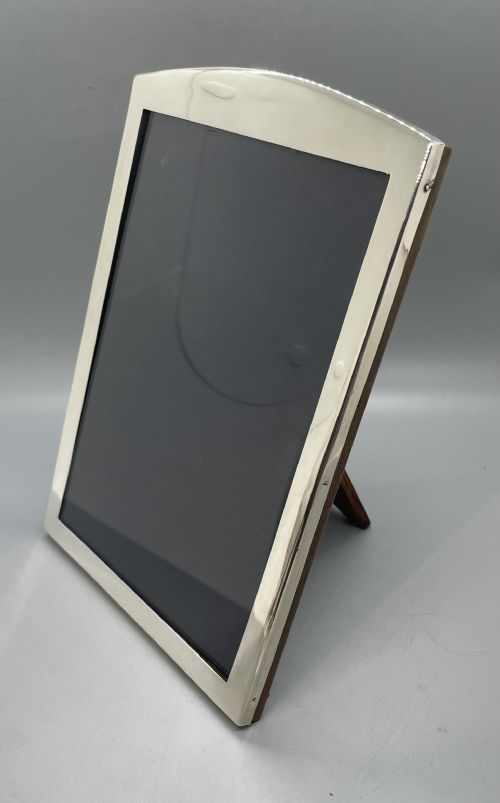
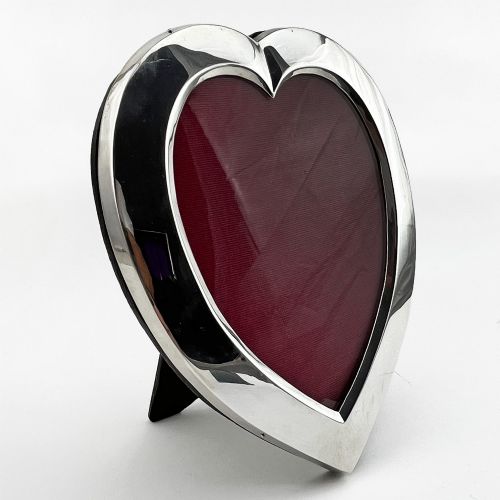
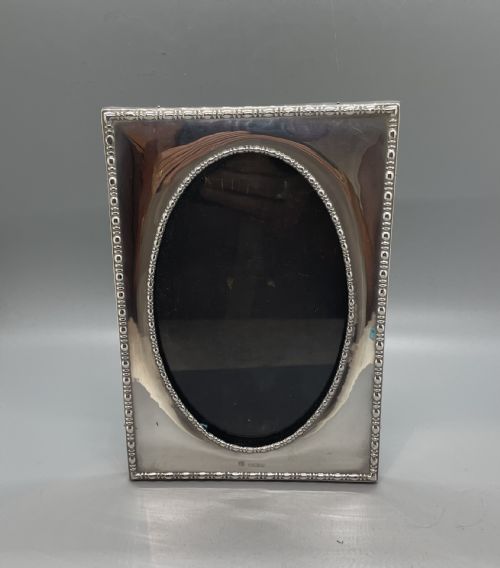
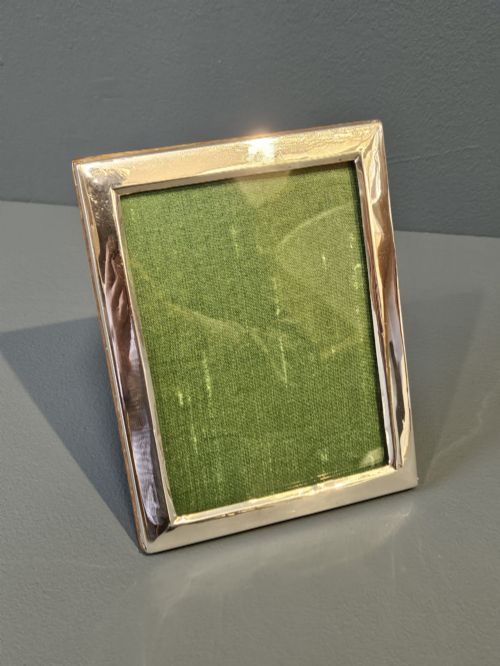
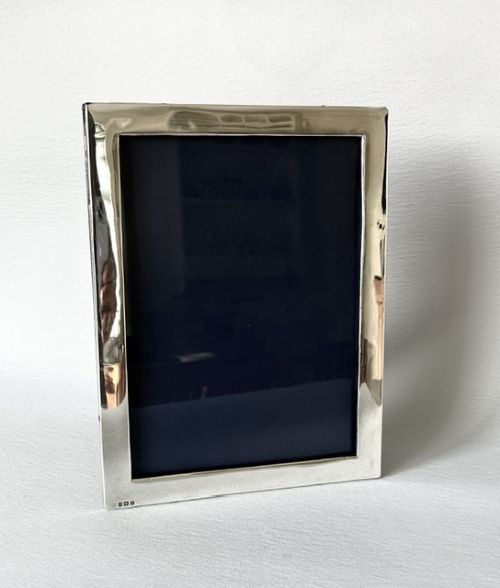
The assortment on this page includes rectangular and oval formats executed in sterling silver, gilt silver, and solid silver. These objects date across several decades, showing styles from Edwardian Rococo Revival and Art Deco to Victorian and Belle Epoque aesthetics.
Backings rely on traditional supportive materials such as wood, velvet, and fabric to keep the structure upright. Surviving examples frequently utilise glass to protect the paper photograph contained within.
Materials and construction
Silversmiths constructed these frames using solid sterling silver or gilt silver, often mounting them over structural wooden carcases. Artisans shaped the metal through pressing, casting, and hand-chasing to achieve decorative borders and sculptural flourishes.
Backings incorporate rich textiles including velvet and fabric, secured with hinges and struts to allow tabletop display. Glazing consists of fitted glass plates held securely behind silverbezels.
Retail Price Guide 2026
Typical UK retail prices for vintage silver portrait frame, calculated from the Sellingantiques database of over a million retail prices indexed since 2003. This retail price guide relies exclusively on Sellingantiques data; no external sources or auction records are used, so the figures do not describe the wider market.
Current listings span the Edwardian, Victorian, and George V periods, utilising silver, wood, glass, and velvet.
Assessing quality and merit
Superior execution shows in crisp, deep chasing upon the silver surface and the substantial weight of solid metal rather than thin plating. Maker attribution and French or English hallmarks elevate an object's historical interest.
The integrity of the internal wooden core and the original velvet or fabric backing contribute significantly to desirability. Finely bevelled glass and robust structural hinges separate standard utilitarian pieces from finer decorative works.
Emile Langlois
The Vintage Silver Portrait Frame Glossary
- Sterling silver
- An alloy comprising ninety-two point five percent silver by mass, standard for quality British plate and frames. This standard ensures durability alongside a bright metallic lustre.
- Gilt silver
- Silver that has been coated with a thin layer of gold, providing a warm dual-tone appearance. This finish frequently appears in decorative revival pieces.
- Bevelled glass
- Glass panes featuring an angled edge ground down to create a decorative framing effect. This technique adds depth and catches light around the photograph.
- Strut
- The hinged support attached to the rear of the frame allowing it to stand upright on a surface. Most period examples rely on wooden or metal struts covered in fabric.
Frequently Asked Questions
How do I date a silver frame?
Dating relies heavily upon the assay office hallmarks stamped into the silver border, which indicate exact year letters and towns. Stylistic cues such as Edwardian Rococo Revival curves or geometric Art Deco lines also point to specific decades.
Makers' marks provide further context when researching the workshop origin. Comparing backings and hinge mechanisms helps confirm period authenticity.
What is gilt silver?
Gilt silver is standard silver treated with a microscopic layer of gold to impart a rich, warm hue. This technique was favoured in periods seeking opulent decorative effects without using solid gold.
Collectors often find this finish on items designed for prominent display in formal drawing rooms.
How should I clean my frame?
Maintenance requires a soft microfibre cloth and gentle silver polish applied sparingly to avoid damaging surrounding velvet or wood. Care must be taken around hallmarks and embossed chasing to prevent abrasive wear.
Harsh chemical dips should be avoided, particularly on gilt surfaces or antique glass settings.
Are all frames solid silver?
Not every piece consists entirely of solid metal, as many rely on internal wooden frames for structural rigidity. Silver sheet is typically formed over these wooden cores and secured at the edges.
Examining the hallmarks confirms whether the external metal meets sterling standards.