





Polished Silver Photo Frame
These polished silver photo frames bring bright, reflective metalwork to your desk or mantelpiece, offering a timeless way to display cherished portraits.
Polished Silver Photo Frame
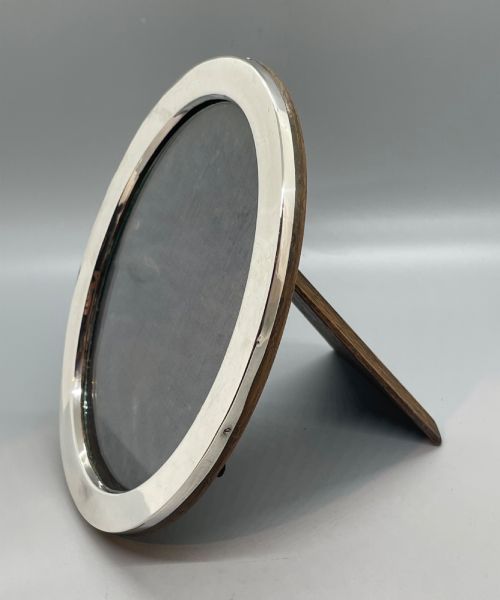
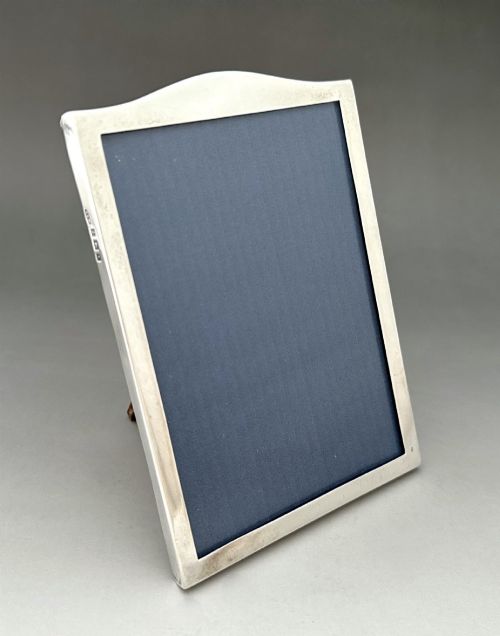
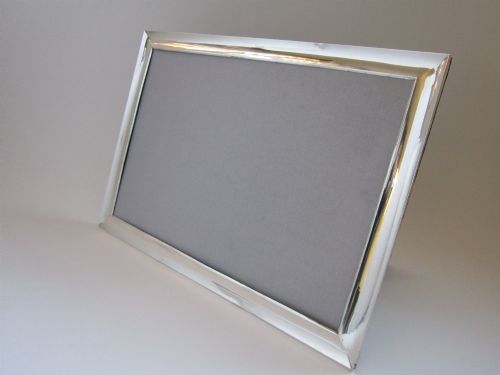
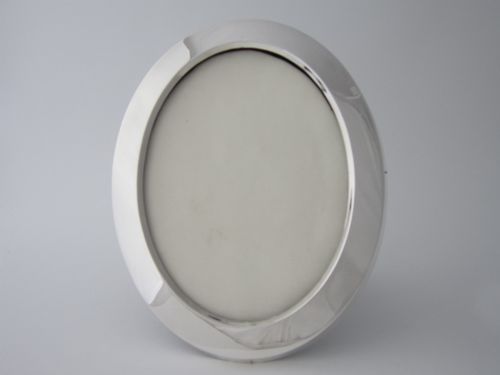
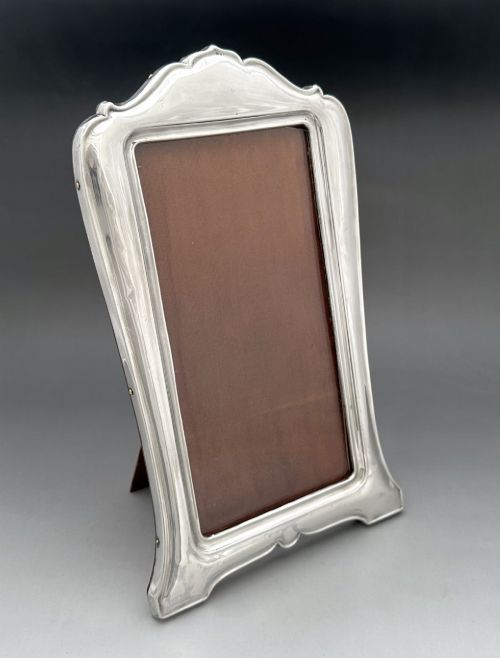
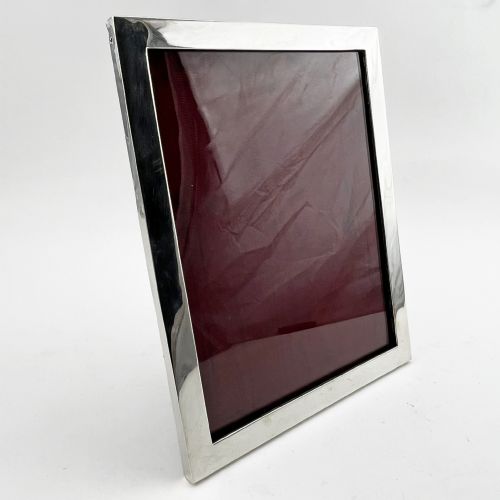
A polished silver photo frame is a decorative mount designed to hold a photograph, portrait, or picture behind glass. When you search for a polished silver photo frame, you encounter objects primarily from the Edwardian era and the George V period, alongside mid-20th-century Italian examples. These pieces serve both domestic and decorative functions, framing family portraits and personal mementos with bright metallic borders.
Makers from provincial English assay offices such as Birmingham feature prominently alongside Italian retailers. These frames rely on supportive backing materials like wood, fabric, and velvet to hold the picture upright, often incorporating two-way display mechanisms. Each piece reflects the aesthetic preferences of its specific decade of manufacture, from early twentieth-century classic English designs to later continental interpretations.
How they were made
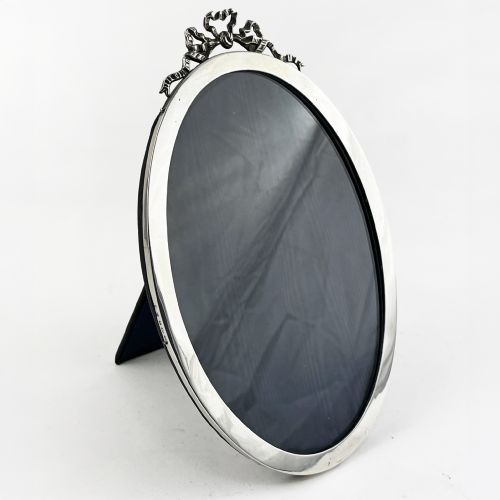
Silversmiths constructed these frames using sterling silver or 800 silver sheets, shaping the metal through cutting, pressing, and hand-chasing. Craftsmen applied polished finishes to create highly reflective surfaces, sometimes adding engraved patterns or cast ribbon motifs to the borders. The metal front mounts were then attached to sturdy structural backers made of wood.
To protect the photograph, makers fitted clear glass into the front aperture, held securely behind the silver bezel. The reverse side typically received a covering of velvet or fabric fitted over a wooden strut or backing board. Many examples incorporated hinged wooden supports that allowed the frame to stand securely in either portrait or landscape orientation.
Polished Silver Photo Frame Retail Price Guide 2026
Typical asking prices for polished silver photo frame among the pieces listed under this phrase on Sellingantiques today, from the lower quarter to the upper quarter. They describe what is for sale here now, not the wider market.
Listings feature periods spanning from Edwardian times through George V and the mid-20th century, utilising sterling silver, 800 silver, wood, glass, and velvet.
What varies in quality
The distinction between standard examples and the finest pieces lies in the weight of the metal and the crispness of the border decoration. Heavier solid silver frames display greater durability and a more substantial feel in the hand compared to lighter constructions. Superior examples also feature neatly finished wooden backs and intact, high-quality velvet or fabric linings.
Artistic execution sets apart exceptional items, particularly where hand-engraving or specialised motifs like bows and ribbons are involved. Pieces bearing clear hallmarks from established assay offices like Birmingham provide documented proof of origin and silver purity. The presence of original fitted glass and robust, functioning structural struts further elevates the standing of an individual frame.
Pinci Roma
The Polished Silver Photo Frame Glossary
- Sterling silver
- An alloy of silver containing 92.5 percent pure silver and 7.5 percent other metals, usually copper. This standard composition provides the necessary durability for functional household items while maintaining a bright appearance.
- Assay office
- An official body that tests the purity of precious metals and stamps items with hallmarks. Birmingham is a notable location stamping English pieces.
- George V
- The period of the British monarchy from 1910 to 1936. Frames from this era often display classic English proportions and clean polished borders.
- Edwardian
- The period spanning the reign of King Edward VII from 1901 to 1910. Items from this time frequently incorporate flowing Art Nouveau decorative elements.
- Art Nouveau
- An international style of art and architecture prominent around the turn of the twentieth century. This style is characterised by organic, curving lines inspired by natural forms.
Polished Silver Photo Frame: Frequently Asked Questions
How do I clean a polished silver photo frame?
Use a soft microfiber cloth specifically designed for silver to gently remove tarnish from the reflective metal surface. Avoid applying abrasive liquids or harsh chemical polishes directly onto engraved areas or near the fabric backing.
Take care to prevent cleaning agents from seeping under the glass and damaging the enclosed photograph. Regular, gentle dusting helps maintain the bright finish without wearing down the underlying silver layer.
Can these frames be displayed both vertically and horizontally?
Many larger examples include two-way display mechanisms designed to accommodate photographs in either orientation. The hinged wooden struts on the back support placement on desks or tables.
Check the configuration of the back panel and strut before changing the orientation of your picture. Ensure the wooden backing holds the glass and silver bezel securely in place regardless of how the frame sits.
What is the difference between sterling silver and 800 silver?
Sterling silver contains 92.5 percent pure silver, representing the traditional British standard for quality metalware. 800 silver contains 80 percent pure silver and is a standard frequently found in continental European pieces, particularly mid-century Italian frames.
Both materials offer a bright, polished appearance suitable for decorative photo frames. Hallmarks stamped into the metal usually indicate which standard of silver was used during manufacture.
How do I secure a photo inside the frame?
Access the interior by releasing the clips, tabs, or removable backing board located on the reverse of the frame. Place your photograph directly behind the glass, ensuring it aligns correctly with the viewing aperture.
Secure the wooden backing firmly against the photograph to keep it flat and prevent shifting. Make sure the velvet or fabric lining sits evenly to protect the edges of the picture.