

Sterling Silver Photograph Frame
When you search for a sterling silver photograph frame, you enter a world of Victorian, Edwardian, and Art Deco craftsmanship designed to display cherished portraits.
Sterling Silver Photograph Frame
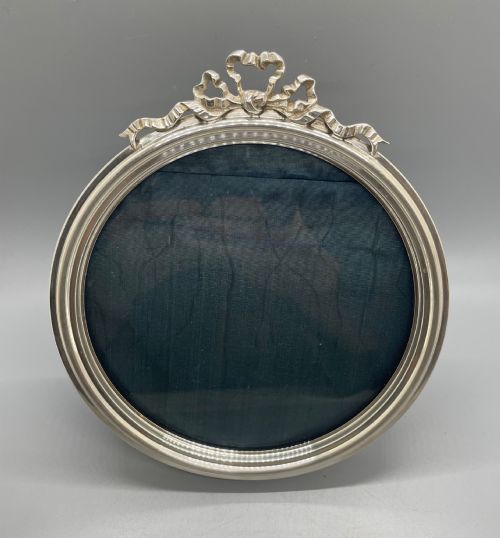
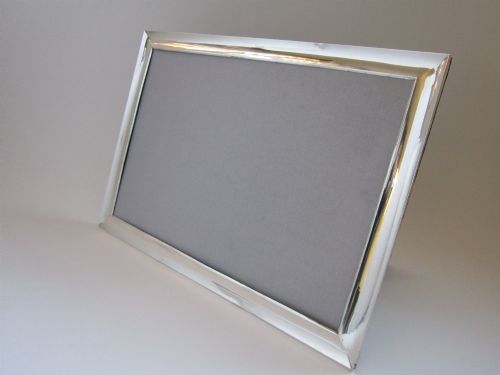
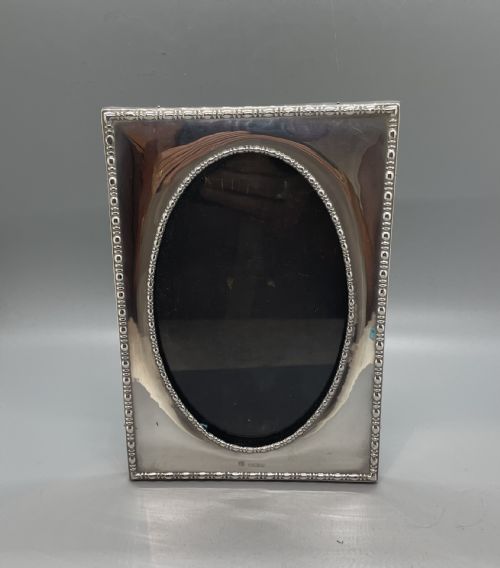
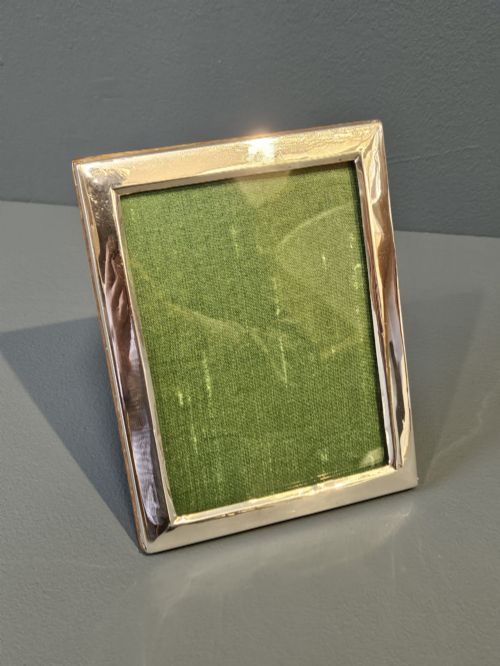
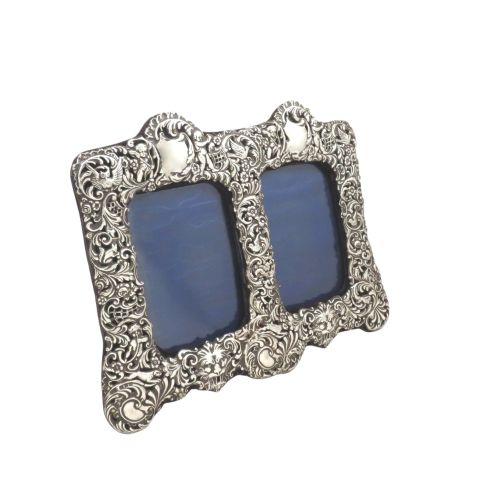
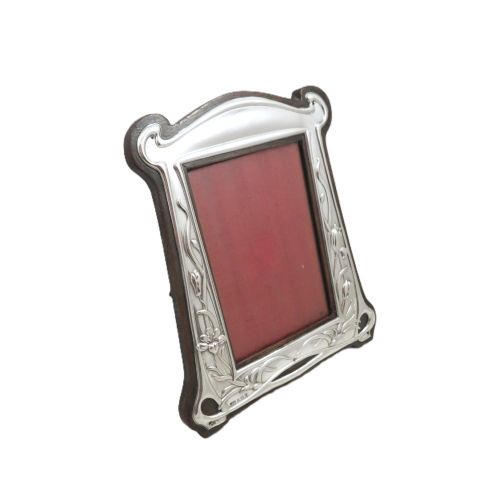
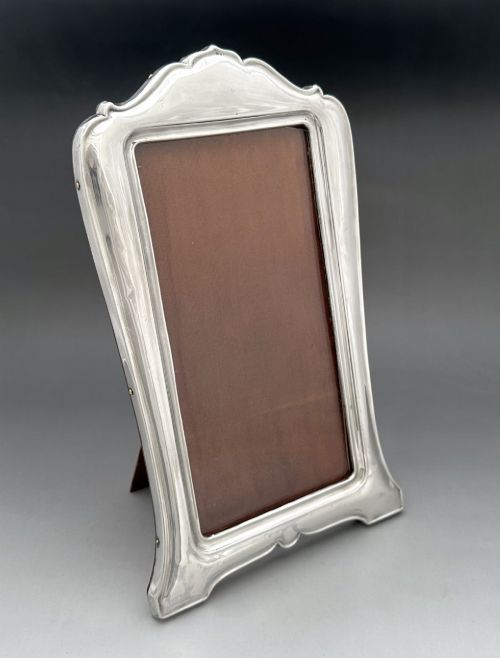
A sterling silver photograph frame is a display object designed to hold and protect a portrait behind glass, supported by a rigid backing. These pieces span from the late Victorian period through the Edwardian era and into the Art Deco years of the twentieth century. The version you are most likely to meet on this page is a rectangular or oval Edwardian or George V example bearing hallmarks from assay offices such as Birmingham or Sheffield.
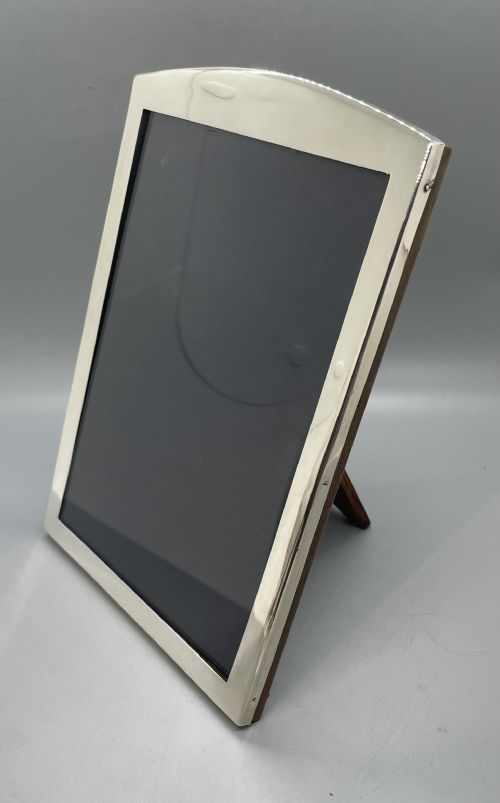
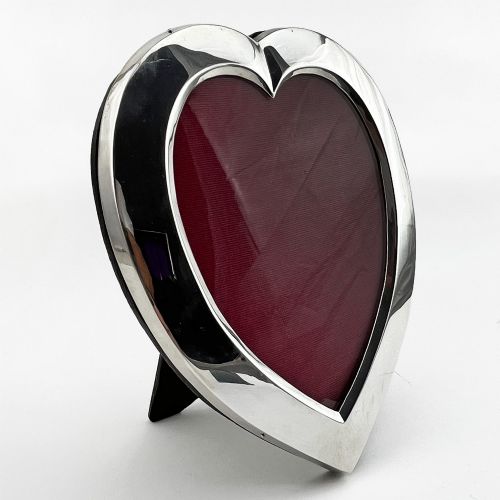
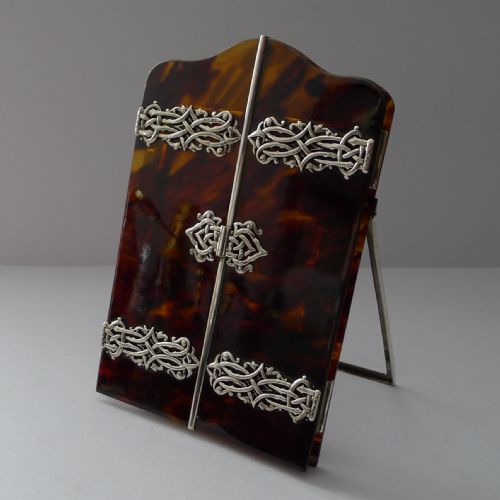
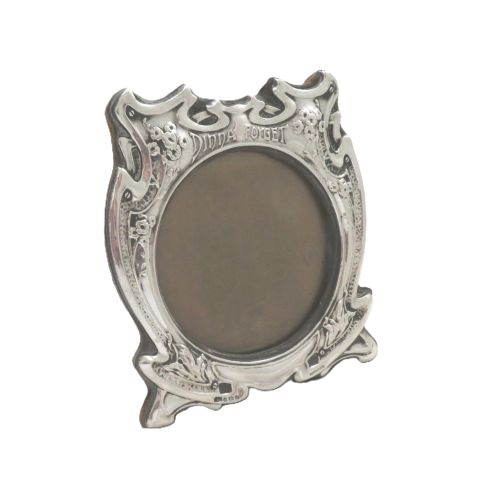
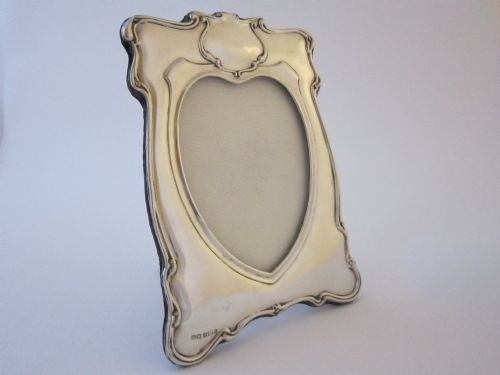
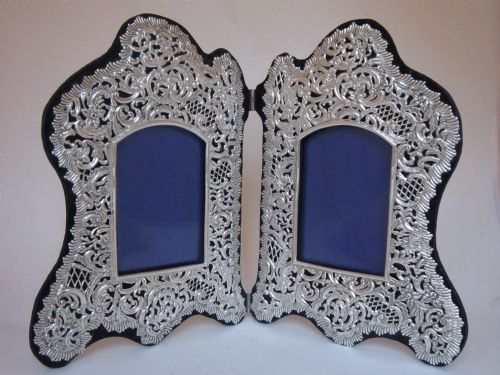
Makers produced these items in various configurations, including single apertures, double hinged panels, and heart-shaped designs. Many incorporate structural elements that allow the finished piece to stand in a portrait or landscape orientation. The backing materials typically consist of wood, oak, or fabric-covered panels fitted with easel struts.
How they were made
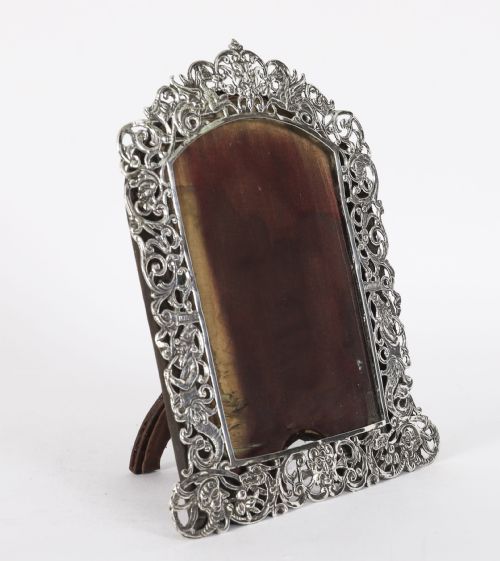
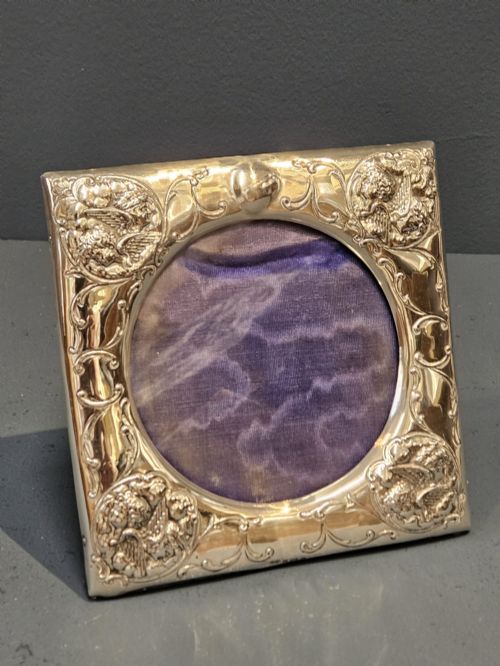
Silversmiths constructed the main decorative face from thin sheets of sterling silver, pressing or stamping them with dies to create embossed motifs, cherubs, scrolls, or geometric Art Nouveau and Art Deco patterns. Piercing and engraving techniques added further surface detail to the metal fronts. Workers then mounted these silver facades onto wooden or card formers to provide rigidity.
Makers secured the components using backing boards of oak, velvet, or fabric, held in place by small turn-buttons or sliding wooden wedges. Glazing protected the photograph, while easel stands made of wood or metal allowed the completed frame to rest at an angle on a surface.
What varies in quality
Quality in a sterling silver photograph frame rests upon the thickness of the silver sheet used for the face and the depth of the repoussé or engraved decoration. Heavier gauge metal resists denting and maintains crisp detail across high-relief motifs like birds, scrolls, or human figures. Finer examples display sharp, hand-finished chasing rather than shallow, uniform machine pressing.
The integrity of the internal structure also dictates standard, with robust wooden or oak backs and sturdy original easel mechanisms commanding higher regard. Complete sets of clear hallmarks stamped directly onto the silver mount confirm the origin, date, and standard of the metal.
Rosenthal Jacob And Co·William Comyns·Mappin Bros·Henry Matthews·Walker And Hall·Syner And Beddoes
The Sterling Silver Photograph Frame Glossary
- Hallmark
- A series of official marks stamped on precious metals indicating the assay office, metal purity, and date letter. These stamps allow collectors to date the manufacture of a piece precisely.
- Repoussé
- A metalworking technique where the silversmith hammers or presses the design from the reverse side to form a raised relief on the front. This method creates the prominent floral and figural scenes seen on Victorian and Edwardian mounts.
- Engine-turned
- A decorative surface finish produced by a machine that etches precise, geometric patterns into the metal. This style appears frequently on Art Deco and George V pieces.
- Easel back
- A hinged strut attached to the rear of the frame that supports it in an upright position. Most period examples utilise wooden or velvet-covered boards for this purpose.
- Pierced
- A technique where portions of the silver sheet are cut away to create an openwork lattice or lace-like pattern. This method lightened the visual weight of large frames.
Sterling Silver Photograph Frame: Frequently Asked Questions
How do I date a silver frame?
You determine the age of a piece by examining the hallmarks stamped into the silver border or side edge. These tiny symbols include a date letter corresponding to a specific year and assay office.
Additional clues come from the overall style, such as the flowing floral motifs of Art Nouveau or the clean geometric lines of Art Deco production.
Can I polish my antique frame?
You can clean sterling silver mounts using a soft cloth and a gentle, non-abrasive silver polish formulated for antiques. Avoid pressing too hard on embossed or chased areas to preserve the delicate relief work.
Keep polish away from the glass and any fabric or wooden backing materials to prevent staining.
How do I change the photograph?
You replace the portrait by releasing the small metal turn-buttons or sliding clips that secure the backing board. Lift the wooden or cardboard back away to access the old picture and the protective glass.
Insert your new photograph behind the glass, reposition the backing board, and secure the fastenings gently.