







Large Silver Frame
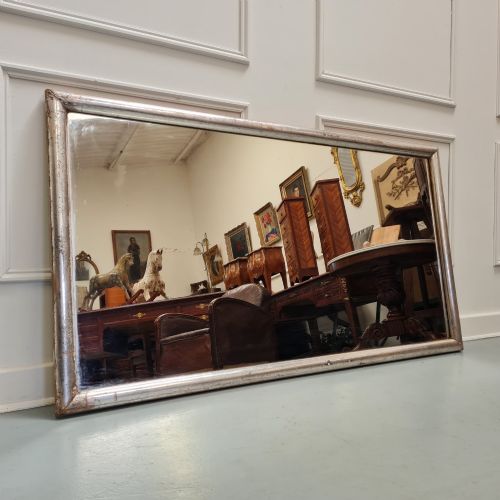
A large silver frame brings presence to a room, holding portraits and mirrors across Victorian, Edwardian and mid-century periods.
Large Silver Frame
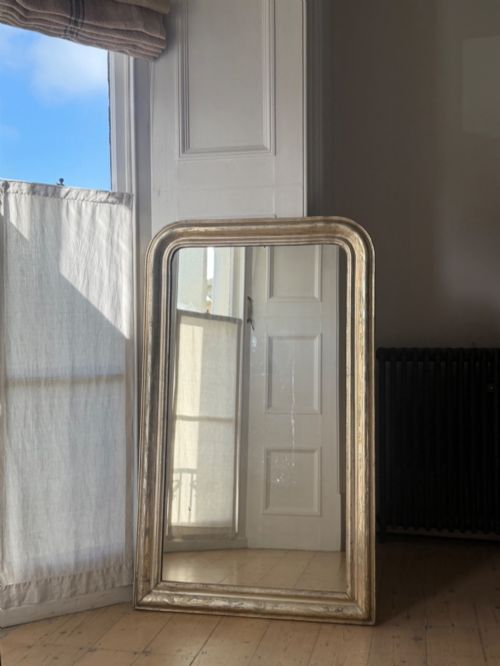
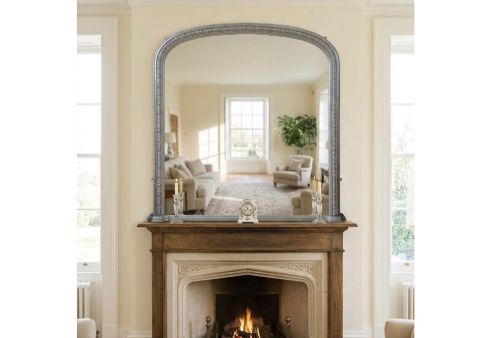
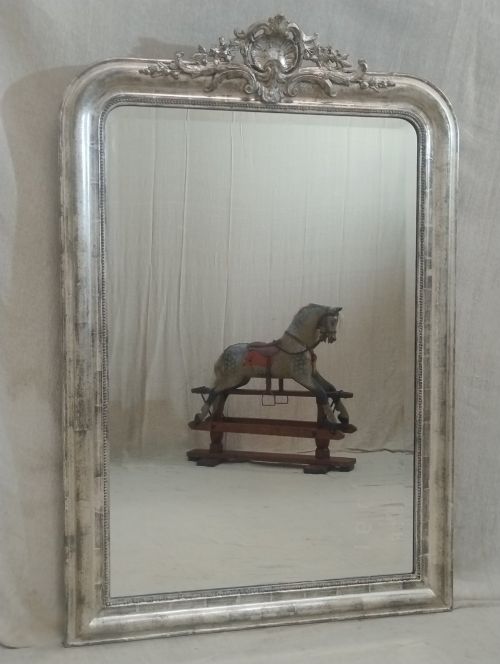
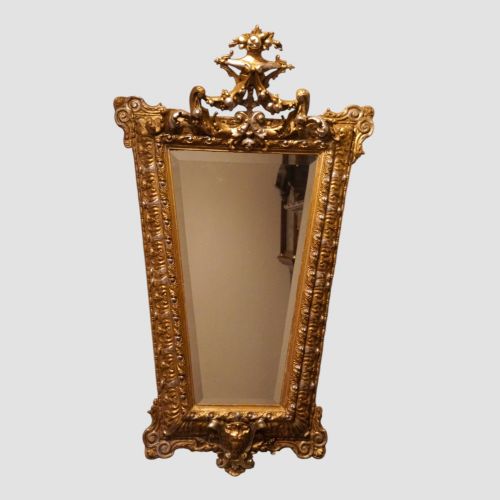
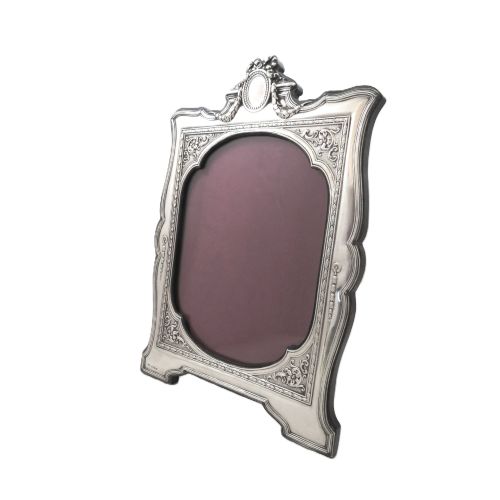
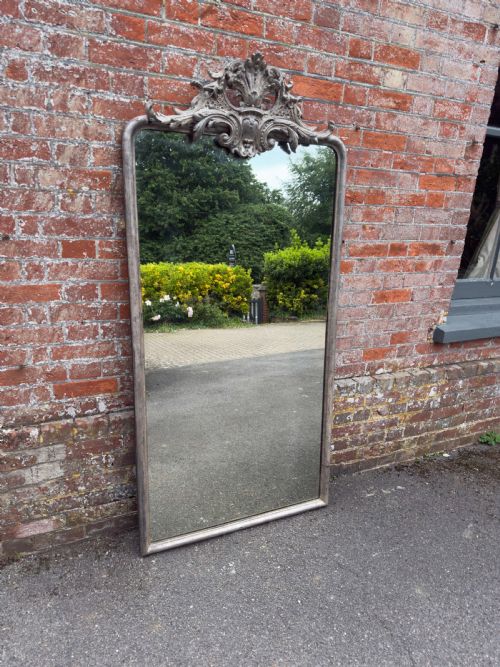
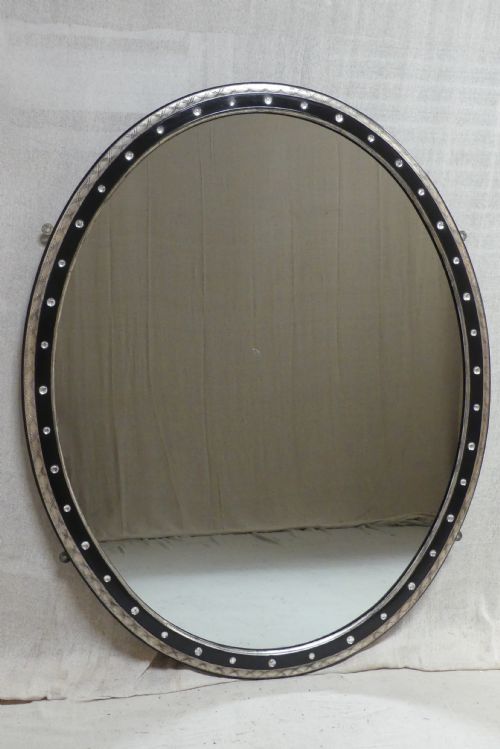
A large silver frame encompasses substantial wall mirrors, overmantels, and photograph frames made from sterling silver, silver-gilt, and silvered wood. These pieces emerge from English, French, Italian, and Venetian workshops across the nineteenth and twentieth centuries.
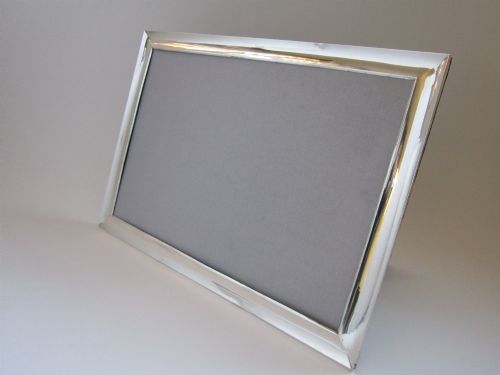
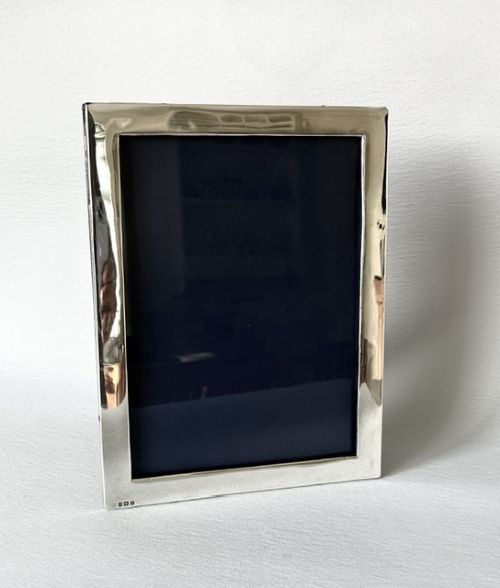
The photographic variants typically display sterling silver hallmarks from makers such as Henry Matthews, featuring easel backs and velvet or fabric linings. Wall-hanging examples utilise carved wood and gesso foundations beneath silver leaf or paint, spanning Louis Philippe, Baroque Revival, and Edwardian design idioms.
Materials and construction
Makers construct photographic and tabletop examples from solid sterling silver or plate over a wooden carcass, frequently applying engine-turned patterns or repoussé decoration to the metal surface. Wall mirrors rely on carved wooden frames layered with gesso, then finished with silver leaf, silver-gilt, or silver paint.
Backings incorporate sturdy timber panels fitted with fabric or velvet linings, while glass plates are bevelled, engraved, or tinted, such as the pink mirror glass found in twentieth-century girandoles.
Large Silver Frame Retail Price Guide 2026
Typical asking prices for large silver frame among the pieces listed under this phrase on Sellingantiques today, from the lower quarter to the upper quarter. They describe what is for sale here now, not the wider market.
The inventory spans seventeenth-century origins through to mid-century Italian and English production.
Assessing quality in silver frames
Quality rests in the crispness of the chasing on metal work and the depth of carving in wooden gesso frames, where hand-tooled execution outshines stamped replication. Superior examples retain their original silver leaf or heavy gauge sterling silver without thinning from excessive cleaning.
The integrity of the structural joins, the weight of the backing boards, and the retention of original glass or bevelled edges separate ordinary output from finer production.
Henry Matthews·Emile Langlois·Pinci Roma
The Large Silver Frame Glossary
- Silver-gilt
- Silver that has been coated with a thin layer of gold, creating a warm, multi-toned metallic appearance often seen on nineteenth-century French mirrors.
- Gesso
- A plaster-like mixture applied to wood frames and carved before receiving silver leaf or paint.
- Engine-turned
- A decorative technique involving precise geometric patterns mechanically engraved into metal surfaces, common on Edwardian and George V photograph frames.
- Overmantel mirror
- A large wall mirror specifically designed to hang above a fireplace mantel, frequently spanning Victorian and Edwardian interiors.
- Cushion mirror
- A mirror featuring a convex or sloping outer frame border that directs light inward towards the central glass plate.
Large Silver Frame: Frequently Asked Questions
How do I date a silver photograph frame?
Dating relies heavily on sterling silver hallmarks stamped into the metal, which reveal the assay office and exact year of manufacture. Stylistic clues like engine-turned decoration or Art Deco geometry also point toward specific decades from the late nineteenth century onward.
Heavier construction and distinct maker marks further anchor the piece to periods such as the Edwardian era or the George V reign.
Where should I hang a large silver wall mirror?
These mirrors suit placement above a fireplace mantel or as a focal point on a principal reception room wall. Their reflective glass amplifies natural light and creates an illusion of depth in domestic spaces.
Ensure wall fixings are secured safely into masonry or studs to support the substantial weight of carved wood and gesso frames.
How do I clean antique silver frames?
Dust gently with a soft, dry cloth to prevent accumulation in recessed carved areas or chased metal patterns. Avoid harsh commercial dips that strip away patination or damage delicate silver leaf and gesso surfaces.
For sterling silver sections, apply a mild specialist polish sparingly, taking care not to stain adjacent velvet or wooden backings.
What is the difference between silver-gilt and silver plate?
Silver-gilt consists of silver covered with a fine layer of gold, yielding a rich tone that combines the qualities of both precious metals. Silver plate involves a thin layer of silver bonded to a base metal substrate.
Solid sterling silver and silver-gilt generally represent higher tier production compared to standard plated wares.