
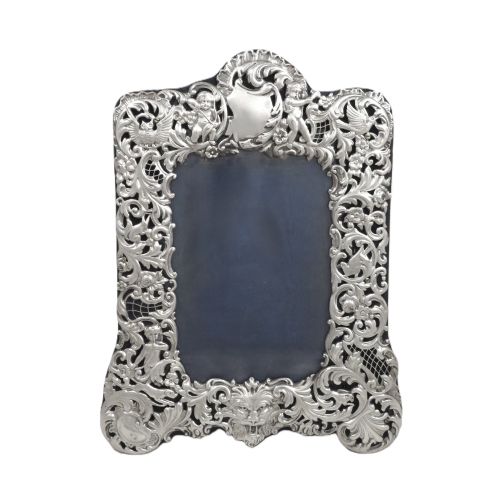


Victorian Silver Picture Frame
A victorian silver picture frame brings heavy embossed metal and glass to a desk or mantelpiece, holding family photographs securely.
Victorian Silver Picture Frame
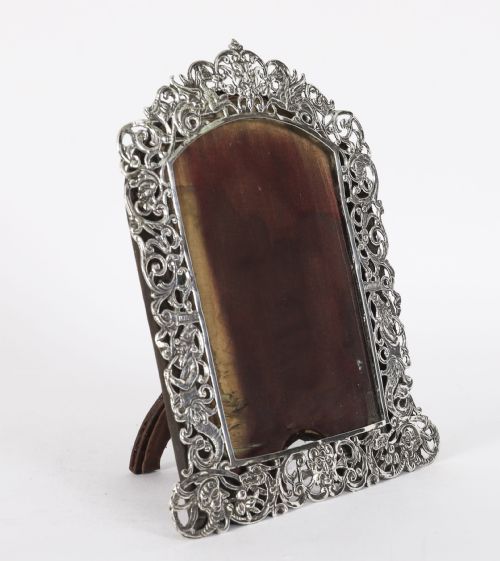
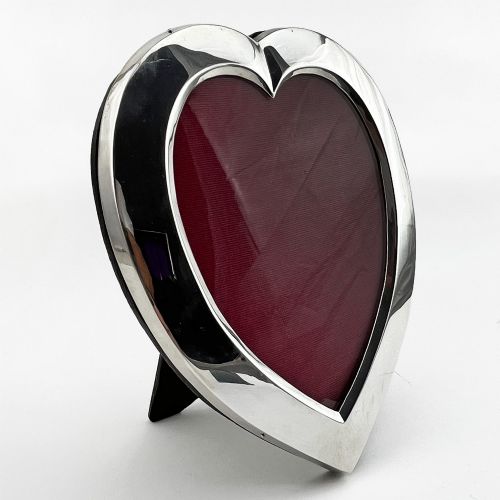
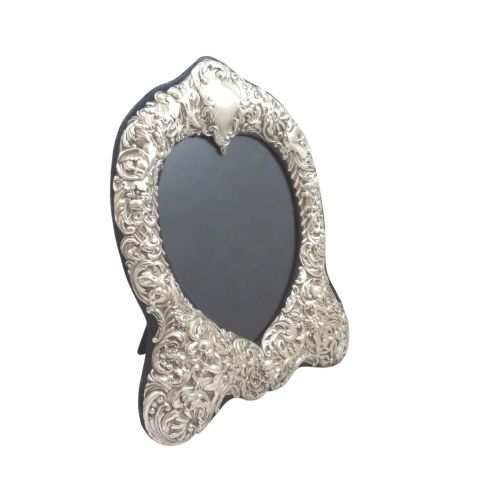
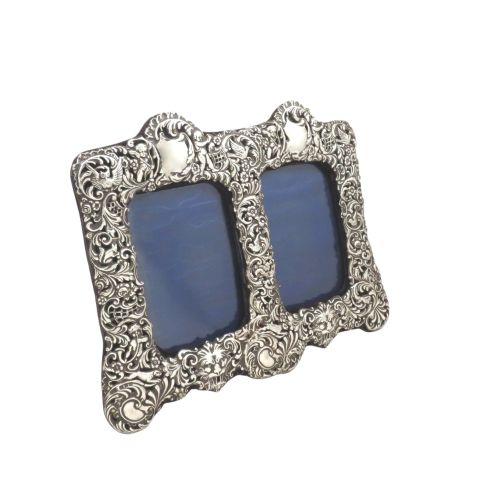
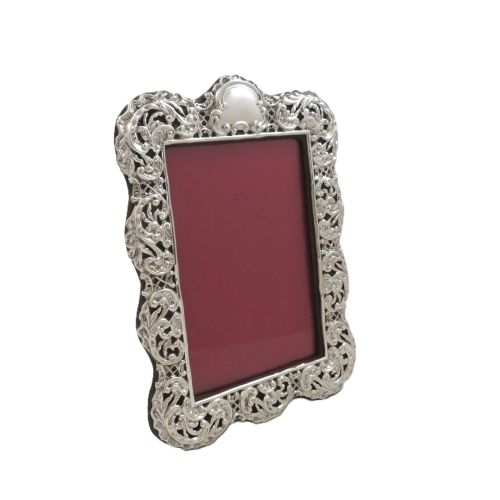
A victorian silver picture frame bridges the gap between functional desk accessories and decorative art. Most examples encountered here date from the late nineteenth century into the Edwardian period, often taking rectangular, oval, or heart shapes.
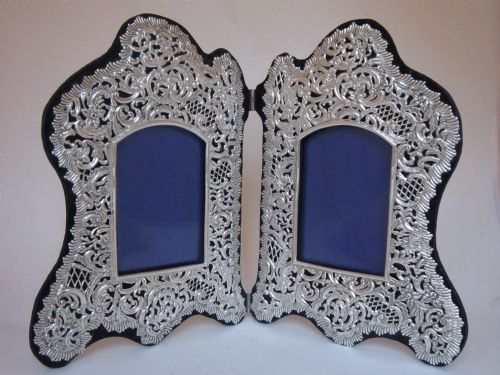
Makers produced single, double, and wall-hanging formats designed to display cabinet cards and personal portraits. These pieces rely on stout timber or leather supports covered in fabric to hold the weight of the metal fronts.
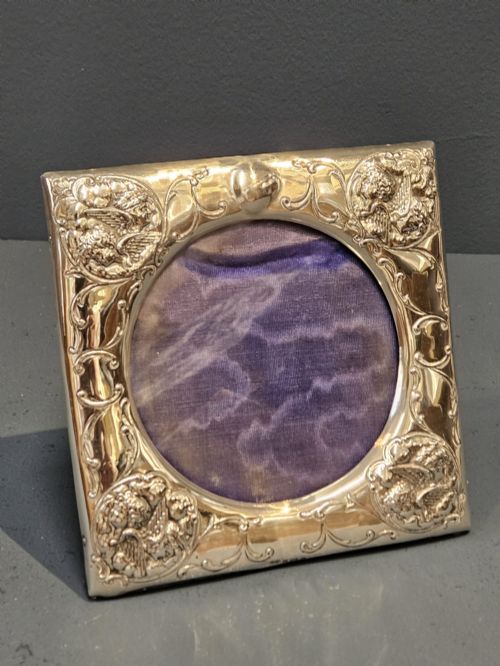
The aesthetic leans heavily into ornate surface decoration, featuring motifs ranging from floral scrolls to figurative cherubs. Buyers select these items to introduce period character into modern interiors while displaying cherished photographs.
Materials and construction
Silversmiths formed the decorative fronts from sterling silver sheet, utilising stamping, piercing, and embossing techniques to raise detailed patterns. These mounts surround a central glass window and secure at the back with small metal tabs.
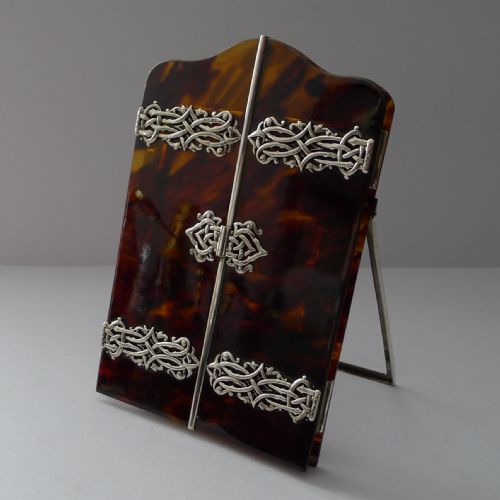
The structural integrity relies on a wooden or card backing covered in velvet, fabric, or leather, which supports a folding easel stand. Many surviving pieces incorporate tortoiseshell or gilt silver accents to enhance the visual contrast against the polished metal.
Victorian Silver Picture Frame Retail Price Guide 2026
Typical asking prices for victorian silver picture frame among the pieces listed under this phrase on Sellingantiques today, from the lower quarter to the upper quarter. They describe what is for sale here now, not the wider market.
Peekaboo picture frames let family secrets hide behind miniature silver sliding doors.
Evaluating craftsmanship
Quality rests primarily on the depth and crispness of the embossed detail across the silver mount. Crisp casting on motifs such as cherubs or floral scrolls separates superior studio work from simpler commercial output.
The retention of original backing materials, intact glass, and sturdy easel mechanisms dictates the integrity of a piece. Heavier gauge silver mounts resist distortion better over time, preserving the intended geometry of the frame.
Rosenthal, Jacob & Co.·William Comyns·Henry Matthews·Walker & Hall·Syner & Beddoes·Hardy Brothers
The Victorian Silver Picture Frame Glossary
- Sterling silver
- A silver alloy containing 92.5 percent pure silver by mass, forming the primary metal used for these frames.
- Embossing
- A metalworking technique where the silversmith hammers or presses a design from the reverse side to raise it in relief.
- Piercing
- The method of cutting openings through the silver sheet to create openwork lattice or scroll patterns.
- Easel stand
- A hinged support attached to the rear backing board allowing the frame to rest securely on a flat surface.
- Beveled glass
- Glass panes featuring angled edges cut and polished to a thinner perimeter, fitting precisely behind the sight edge of the silver mount.
Victorian Silver Picture Frame: Frequently Asked Questions
How do I clean a silver frame?
Use a soft microfibre cloth and a mild, specialised silver polish applied lightly around the embossed details. Avoid abrasive pastes that wear down the raised high points of the stamping.
Take care to keep moisture away from the original velvet or leather backing materials during the cleaning process.
What is Reynolds angels motif?
This decorative theme borrows the cherubic faces popularized by the painter Sir Joshua Reynolds. Silversmiths embossed these winged heads into the silver borders of picture frames.
The style became particularly widespread during the late Victorian period on desk accessories.
How do I change the photograph?
Bend the small metal retaining tabs on the reverse side outward to release the backing board. Lift away the velvet or leather backing along with the glass to insert the new portrait.
Return the glass and backing into place before gently bending the tabs back down to secure the assembly.