

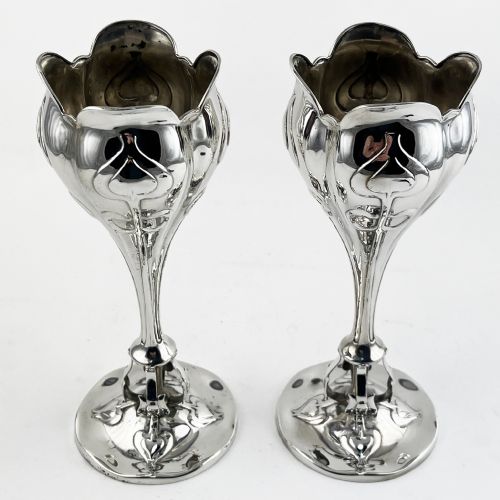


Edwardian Silver Ornament
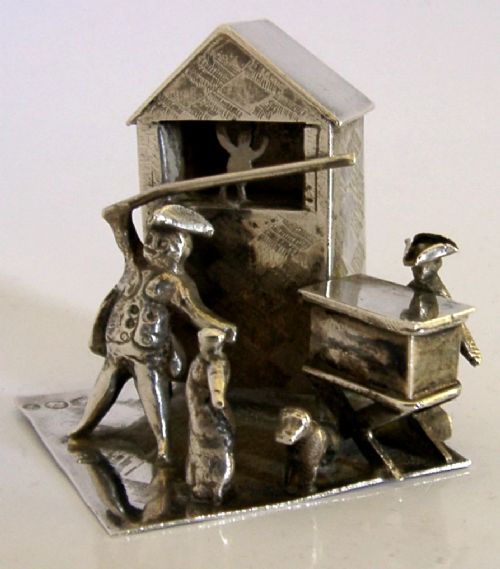
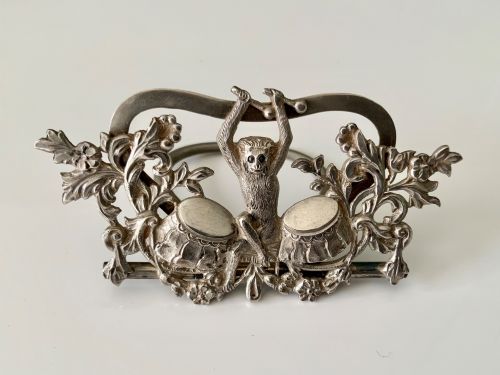
Edwardian silver ornament pieces bring character to a desk or dressing table, ranging from novelty pin cushions to figural menu holders crafted in sterling silver.
Edwardian Silver Ornament
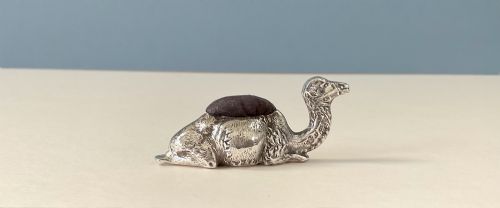
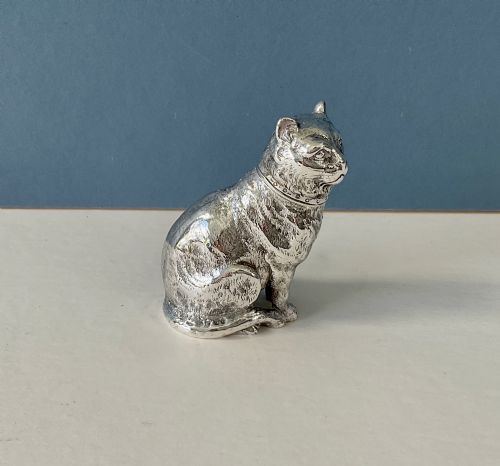
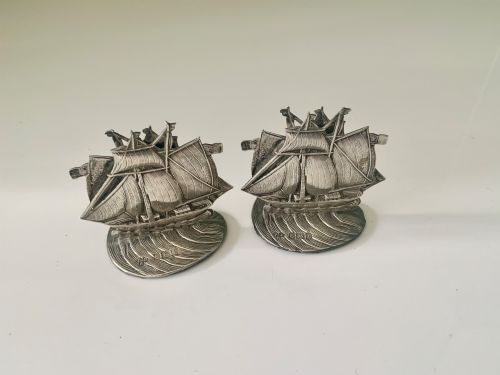
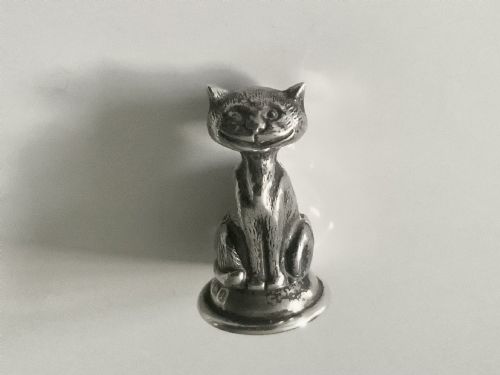
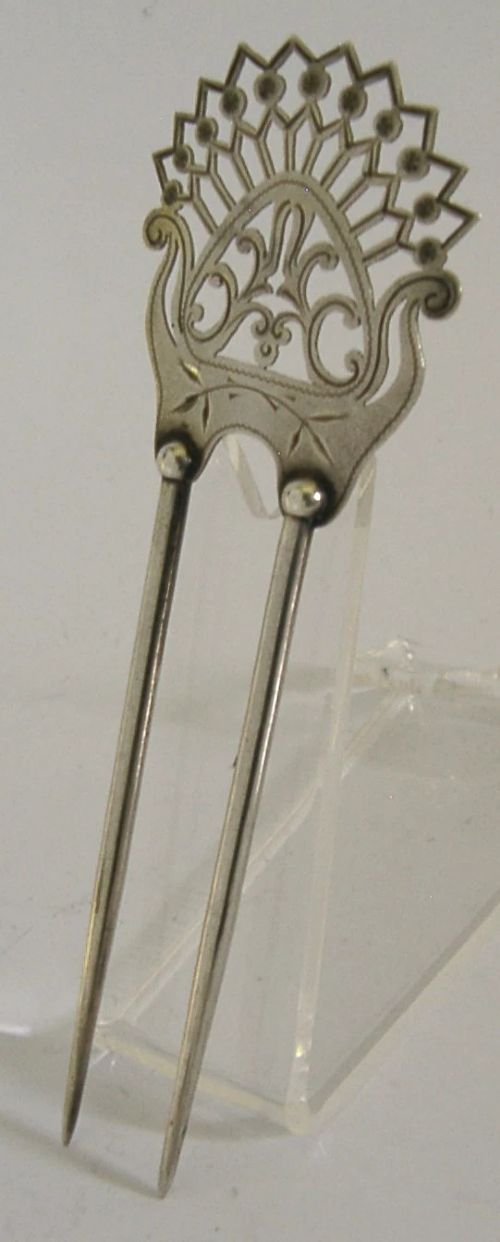
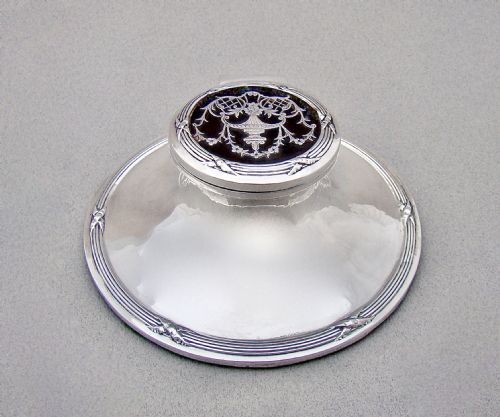
When you search for an edwardian silver ornament, you encounter small decorative and functional desk accessories, novelty animal figures, and miniature models produced during the early twentieth century. The selection leans heavily toward novelty pin cushions shaped as animals, alongside menu holders, inkwells, and sugar boxes.
Most items date from the Edwardian period or around nineteen hundred, though Victorian and later pieces occasionally appear. Materials extend beyond sterling silver to incorporate velvet, glass, wood, tortoiseshell, and silver plate.
How They Were Made
Silversmiths utilised sterling silver and silver plate, shaping metal through casting, repoussé, and detailed chasing. Many novelty items and figural pieces combined metalwork with organic materials like tortoiseshell or backed panels with velvet and wood.
Makers integrated functional elements such as glass inserts for inkwells and textile pads for pin cushions within the silver framework.
Listings feature materials such as sterling silver, velvet, glass, wood, and tortoiseshell across various desk accessories.
What Varies in Quality
The degree of fine detail in figural chasing separates standard pieces from superior examples, particularly in animal novelty items and feathered bird models. Crisp hallmarks and intact original components, such as velvet pads or glass liners, distinguish better preserved items.
Design complexity also plays a role, moving from simple utilitarian forms to intricate mechanical desk bells and figural groups.
Henry Matthews·William Graeme·Boaz Moses·Sampson Mordan
The Edwardian Silver Ornament Glossary
- Sterling silver
- A standard alloy consisting of ninety-two point five percent silver and seven point five percent other metals, mostly copper. This composition provides the durability required for detailed miniature ornaments.
- Capstan inkwell
- An ink reservoir shaped like a ship's capstan, featuring a wide circular base tapering toward the top. These often combine silver mounts with tortoiseshell or glass.
- Novelty silver
- Pieces shaped to resemble animals, vehicles, or everyday objects rather than traditional tableware. Edwardian silversmiths excelled at these humorous and imaginative forms.
- Pin cushion
- A small padded object used to hold pins, frequently mounted within a solid silver animal figure. Velvet is the traditional fabric used for the cushion surface.
Edwardian Silver Ornament: Frequently Asked Questions
What were silver novelty pin cushions used for?
These whimsical silver items held sewing pins on dressing tables and desks during the early twentieth century.
Wealthy households utilised them as both functional sewing tools and decorative ornaments.
How do I identify an Edwardian silver piece?
Look for hallmarks stamped on the metal that indicate the assay office, standard mark, and date letter corresponding to the Edwardian decade.
Stylistic cues like Art Nouveau influences and specific animal novelties also point to this period.
What materials are found with these silver ornaments?
Makers frequently combined sterling silver with velvet, glass, wood, and tortoiseshell to create functional items like inkwells and string boxes.
Fabric and textiles also formed the padded sections of miniature pin cushions.
Where were these desk accessories placed?
Owners kept them on writing desks, libraries, and dressing tables to hold stationery, ink, or pins.
Figural menu holders and small animal models served decorative purposes during formal dining and entertaining.