

Silver Easel Picture Frame
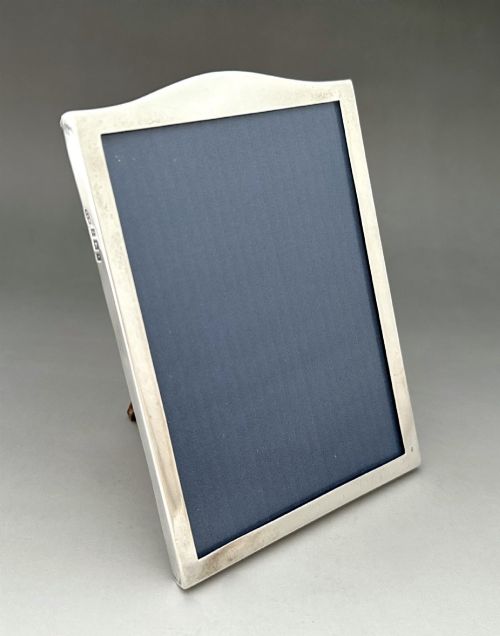
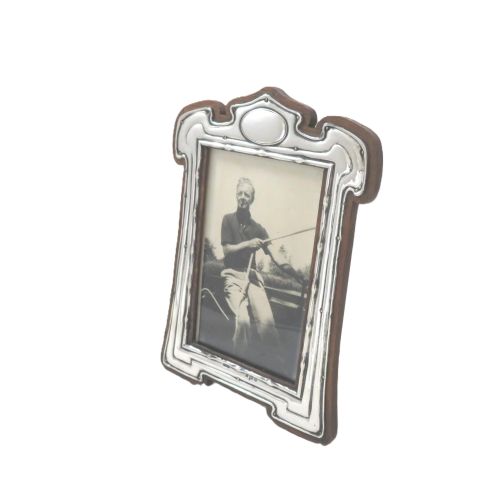
These silver easel picture frames display photographs and hold memories while adding bright reflection to a room.
Silver Easel Picture Frame
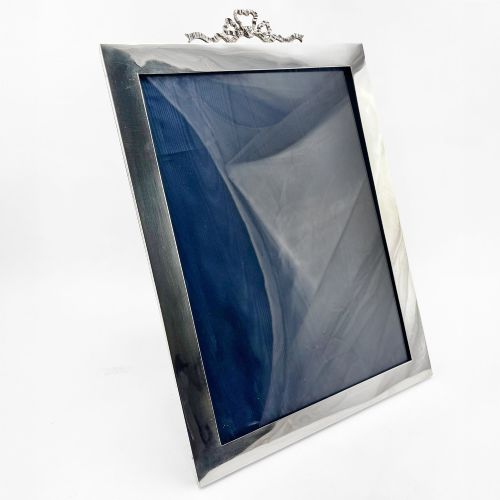
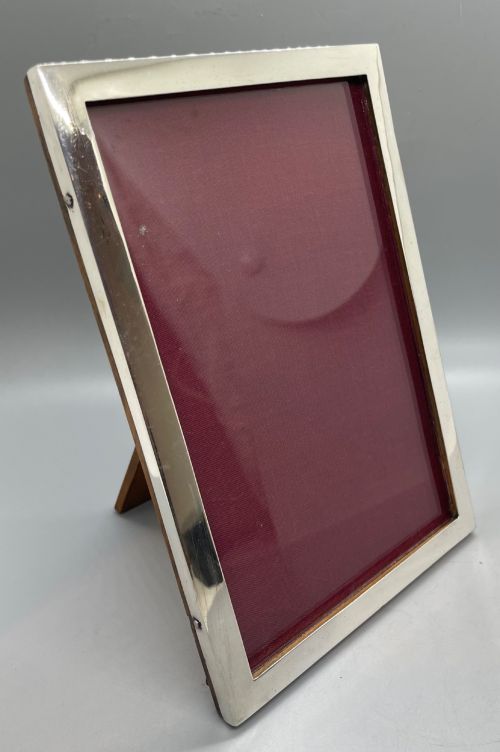
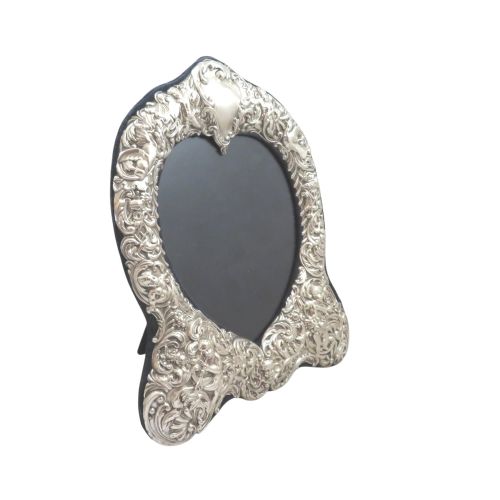
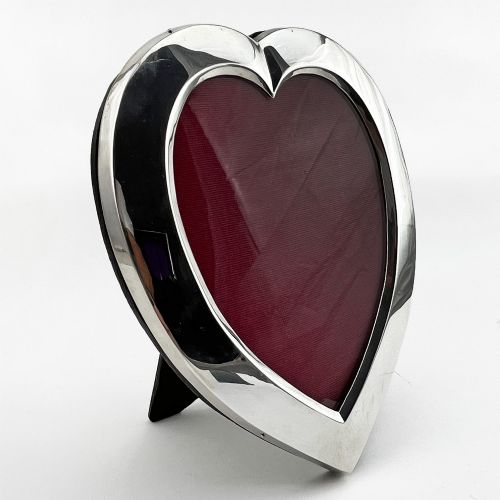
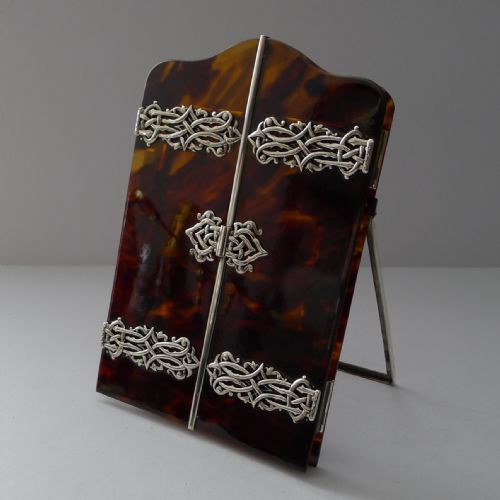
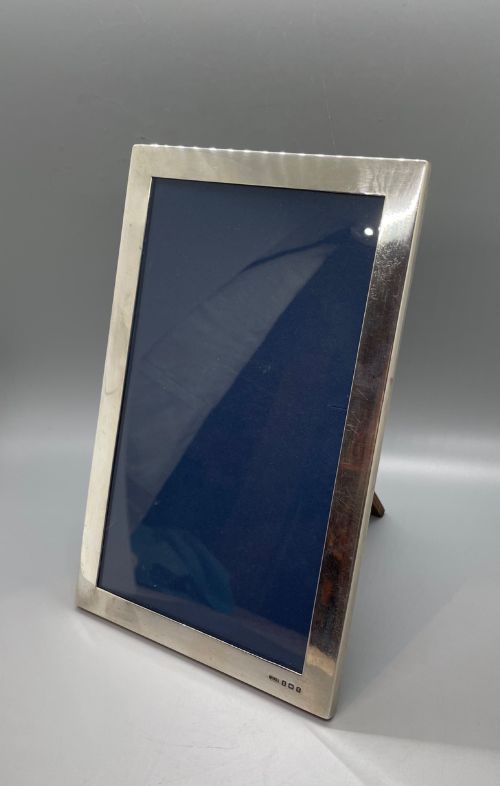
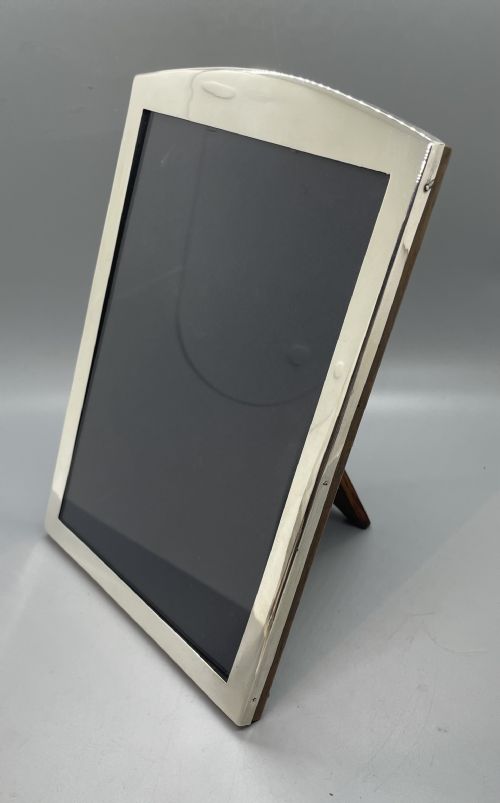
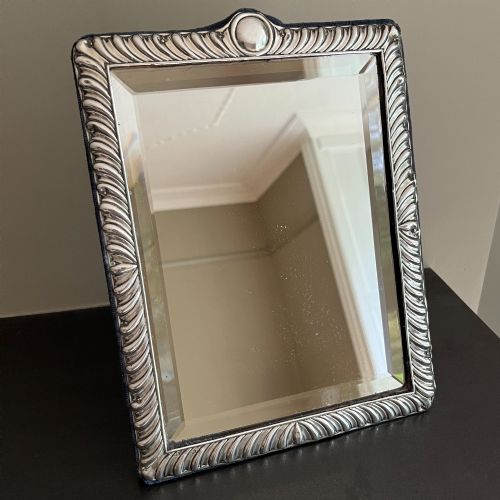
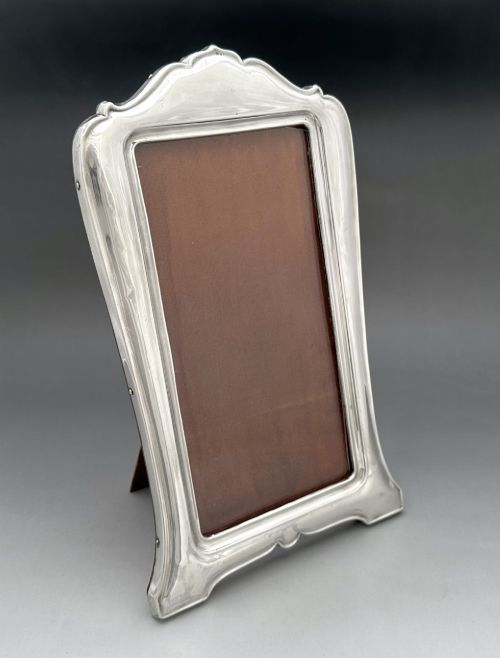
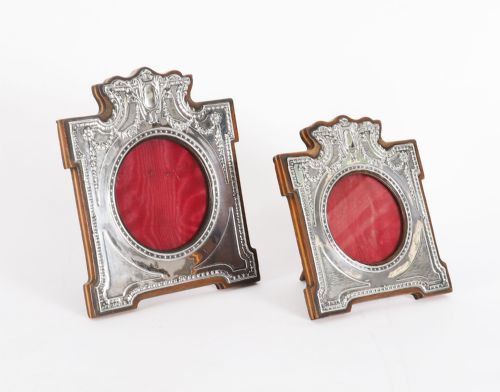
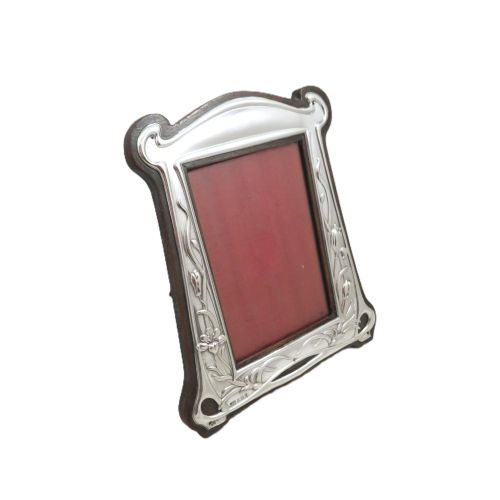
A silver easel picture frame serves to hold and display a photograph upon a table, desk, or mantelpiece by means of an integrated back support. Buyers seeking a silver easel picture frame encounter pieces dating from the Victorian and Edwardian eras through the George V period and mid-century. The selections on this page predominantly present sterling silver front mounts shaped in rectangles, ovals, hearts, and squares, alongside table mirrors.
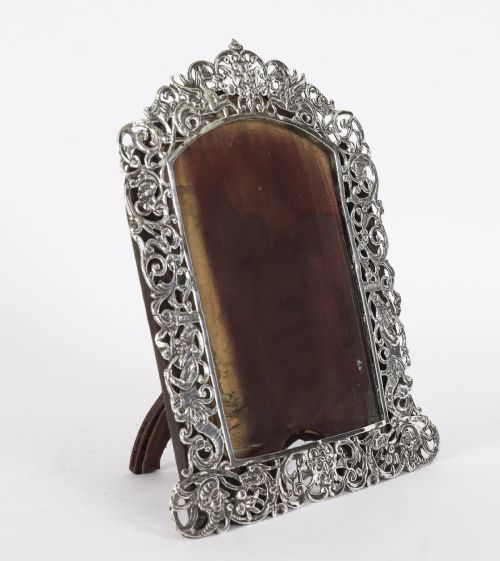
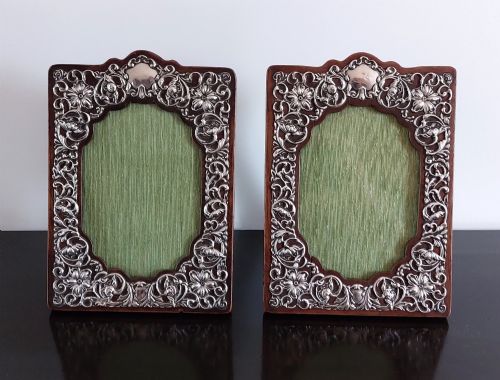
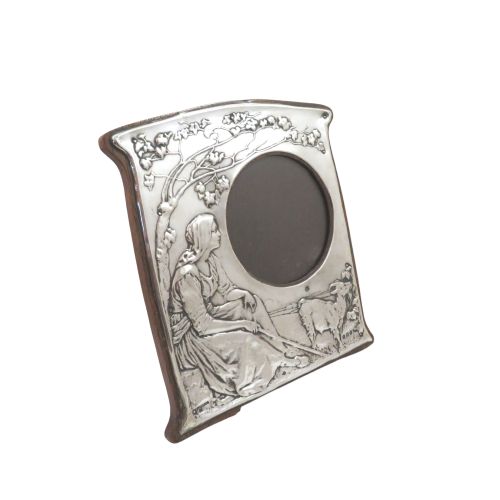
Makers utilised various decorative styles across these decades, ranging from plain borders and classic English designs to embossed floral motifs and flowing Art Nouveau lines. Forms span from modest tabletop portraits to exceptionally large landscape formats intended for prominent placement. Supporting structures vary from wooden panels and oak stands to hinged struts covered in black leather or coloured velvet.
How they were made
Silversmiths shaped the front mounts from sterling silver or 800 silver, frequently employing stamping and embossing techniques to create raised patterns such as ribbons, bows, and Reynolds angels. Some workshops mounted the silver fronts onto robust wooden cores to provide structural rigidity. Glass protected the photographic aperture, while fabric, leather, or wood backed the assembly alongside a hinged easel strut.
Makers utilised hallmarking practices in assay offices such as Birmingham and Chester to stamp purity standards and date letters onto the metal mount. Backing materials were fastened with turn-buttons or pins to secure the interior photograph against the glass.
Silver Easel Picture Frame Retail Price Guide 2026
Typical asking prices for silver easel picture frame among the pieces listed under this phrase on Sellingantiques today, from the lower quarter to the upper quarter. They describe what is for sale here now, not the wider market.
Listings feature sterling silver and 800 silver across periods spanning the Victorian era through the mid-twentieth century.
What varies in quality
Quality resides in the weight and thickness of the silver sheet used for the front mount, as sturdier gauge metal resists denting and distortion over time. The crispness of embossed detail distinguishes finer hand-worked ornamentation from simpler pressed production. Well-preserved original wooden or leather backing boards with functional hinges maintain the integrity of the object.
The presence of clear hallmarks adds documentary weight to a piece, confirming the origin and date of manufacture. Original glass and intact linings further elevate the standing of an example.
Rosenthal, Jacob and Co·William Comyns·Mappin Bros·Henry Matthews·Walker and Hall·Syner and Beddoes
The Silver Easel Picture Frame Glossary
- Sterling silver
- An alloy consisting of 92.5 percent silver by mass, with the remainder composed of copper or other metals. This standard dominated British silver production for centuries.
- Easel back
- A hinged leg or strut attached to the rear of a frame that allows it to stand upright on a flat surface. It folds flat when the frame is handled.
- Hallmark
- A system of official marks stamped onto precious metals in Britain to indicate the standard of purity, the assay office, and the year of production.
- Art Nouveau
- A decorative style prevalent around the turn of the twentieth century, characterised by sinuous asymmetric lines and organic motifs such as flowing hair and plant tendrils.
- Strut
- The supporting brace hinged to the reverse of a frame or table mirror that props the object at an inclined angle.
Silver Easel Picture Frame: Frequently Asked Questions
What holds the back on?
Most frames utilise small metal turn-buttons or sliding pins affixed to the backing board or the inner frame edge to secure the rear panel.
These mechanisms allow the owner to open the frame, insert a photograph behind the glass, and close the back securely.
Can these be wall mounted?
These pieces function primarily as tabletop objects supported by their integrated easel struts rather than hanging on walls.
Some examples include dual-purpose hardware, though the hinged leg remains the standard method of display.
How do I clean the silver?
Gentle application of a specialised silver cloth helps remove tarnish without disturbing embossed details or delicate backing materials.
Avoid liquid dips that might seep behind the mount or damage the velvet and leather components.
Are the backs original?
Many pieces retain their original wood, velvet, or leather-covered backing boards along with the initial hinged support strut.
Replacements occur frequently over decades of use, making original backing materials a notable feature for collectors.