
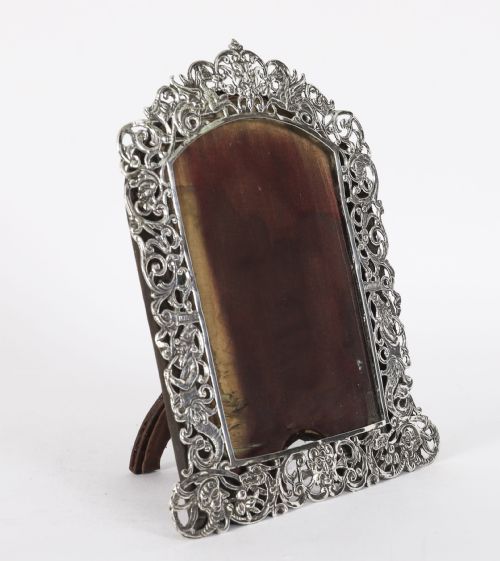
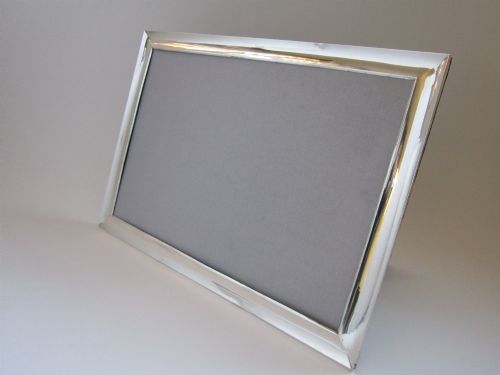
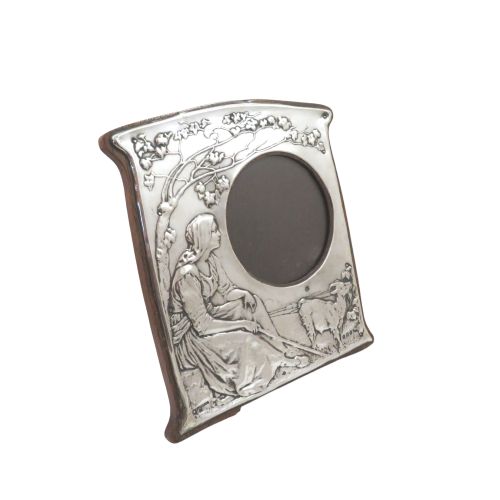
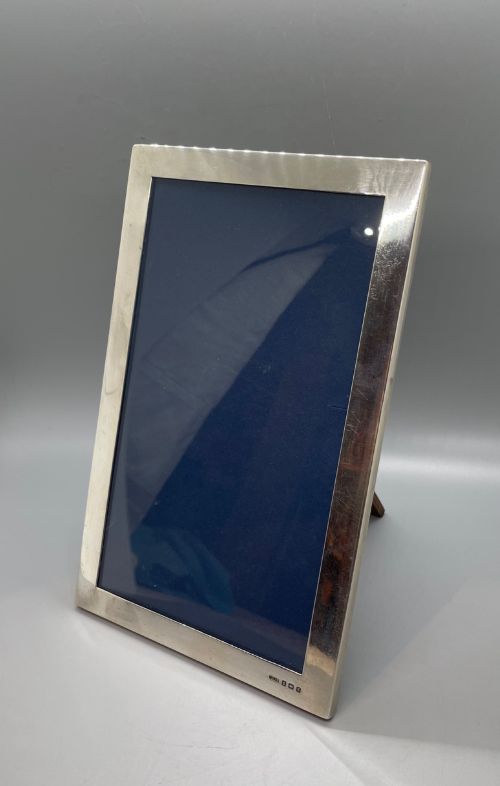
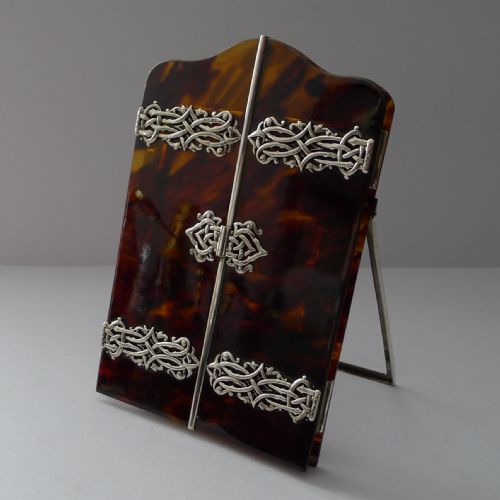
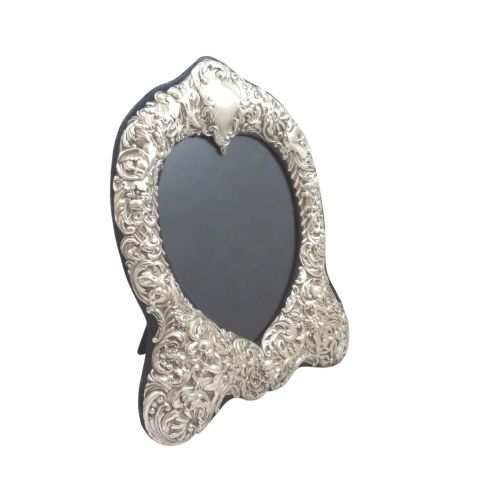
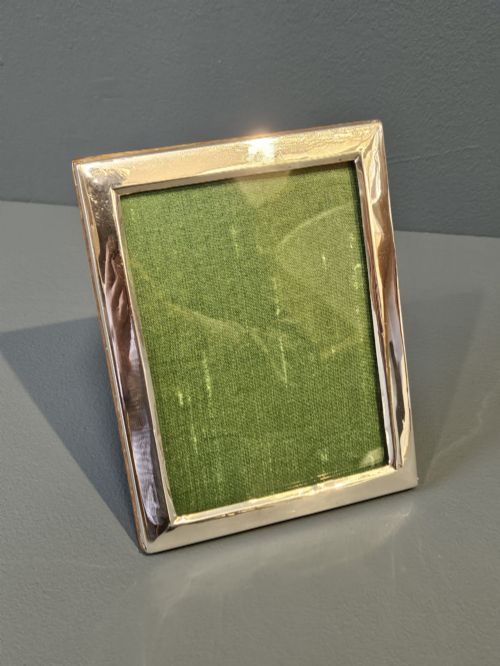
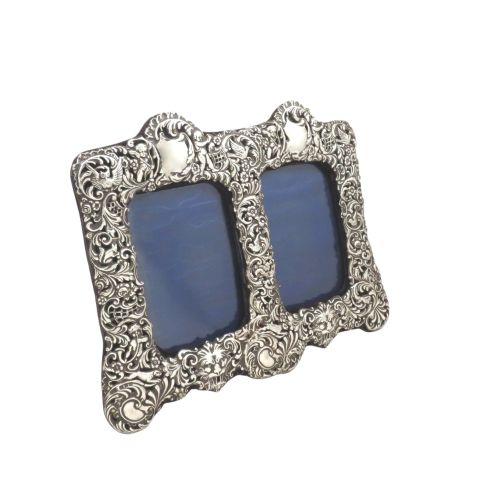

Antique Sterling Picture Frame
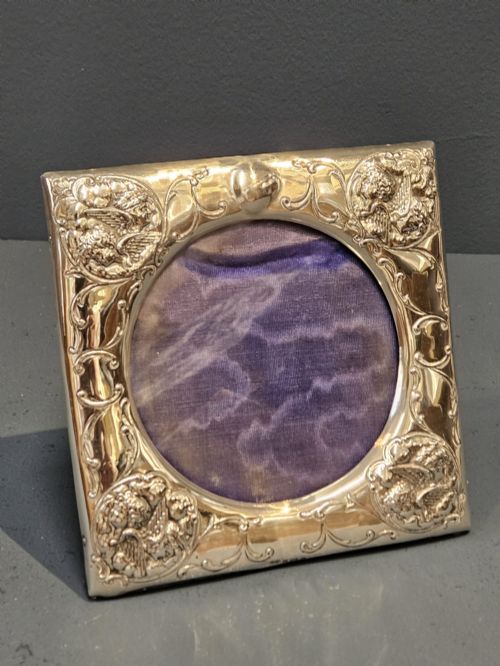
An antique sterling picture frame holds a cherished photograph while displaying the refined silver craftsmanship of the Victorian, Edwardian, and George V eras.
What an antique sterling picture frame is
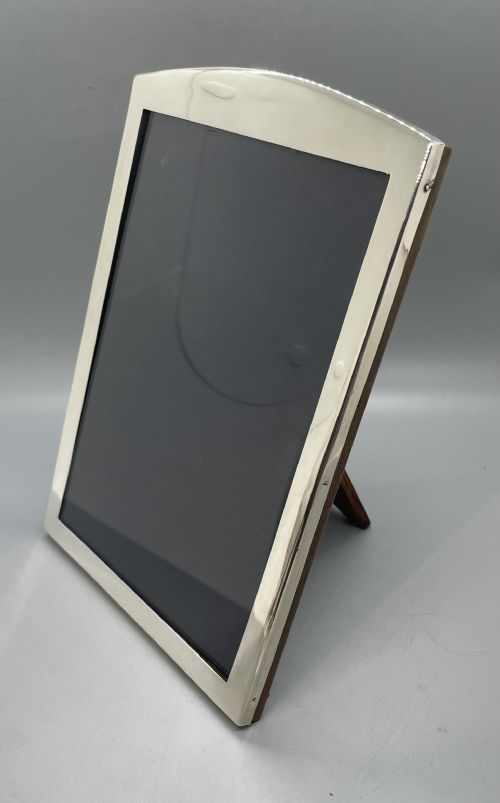
When you search for an antique sterling picture frame, you encounter items designed to display portrait and landscape photographs on desks, tables, and mantelpieces. These domestic objects survive in various sizes, ranging from small formats to large statement pieces that accommodate prominent photographs.
The pieces appearing on this page stem predominantly from the late Victorian, Edwardian, and George V periods, reflecting the styles of those decades. You meet formats designed for single photographs, alongside pairs and double frames intended to sit together in a room.
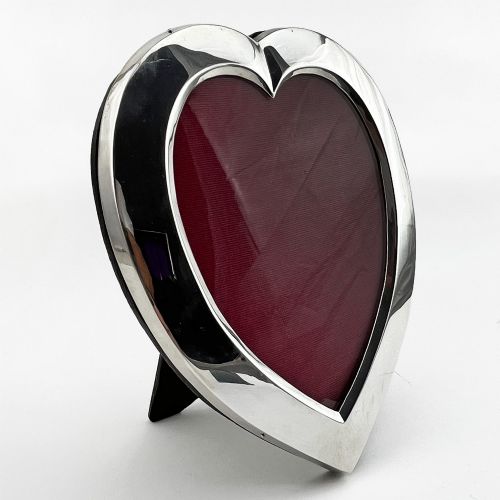
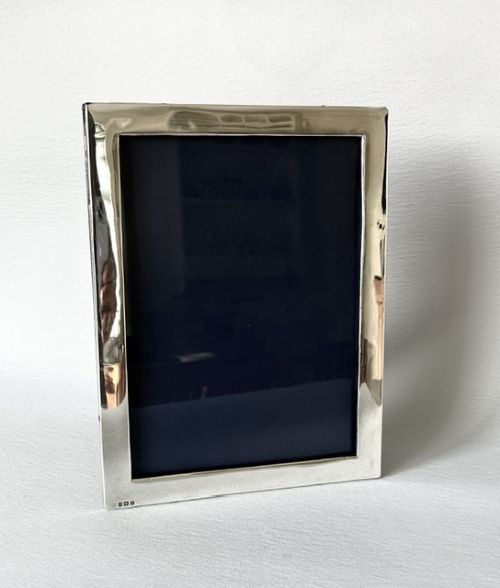
Makers produced these frames to function in both portrait and landscape orientations, with many examples featuring two-way backs that allow the owner to rotate the display. Common geometric shapes include rectangular formats, alongside more decorative silhouettes such as heart-shaped designs.
How these frames were made
Silversmiths constructed these frames using sterling silver for the front decorative face, supported by internal wooden frameworks that provided structural rigidity. The reverse sides were typically fitted with wood backing boards, often covered in fabric, velvet, or oak to protect the rear of the piece.
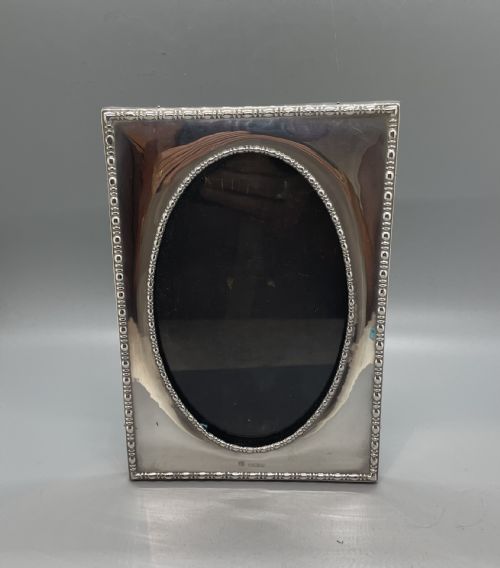
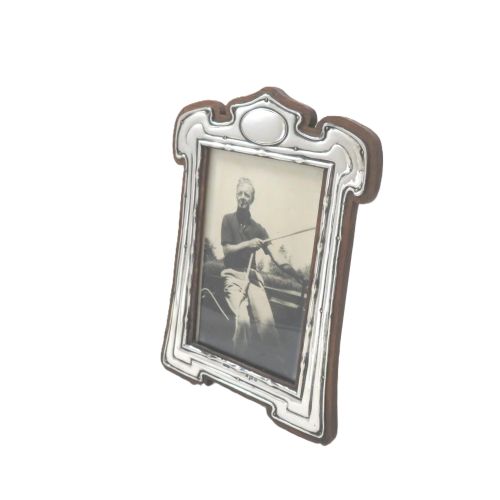
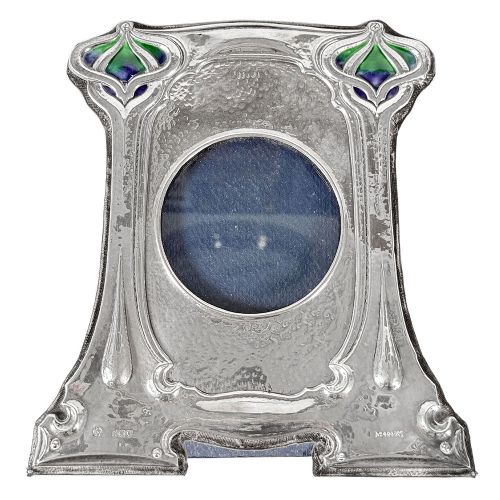
Makers embellished the sterling silver surfaces using specific decorative techniques, including hand-hammered planished finishes and intricate engine-turned patterns etched mechanically into the metal. Art Nouveau examples incorporated flowing, organic motifs into the silver moulding, while other pieces utilised plain polished borders or applied bows.
Retail Price Guide 2026
Typical UK retail prices for sterling picture frame, calculated from the Sellingantiques database of over a million retail prices indexed since 2003. This retail price guide relies exclusively on Sellingantiques data; no external sources or auction records are used, so the figures do not describe the wider market.
The site listings feature sterling silver frames spanning the Victorian, Edwardian, and George V periods, incorporating glass, wood, and velvet.
What varies in quality
The distinction between standard items and superior examples rests upon the execution of the metalwork and the complexity of the design. Frames featuring hand-finished engine-turning or distinctive Art Nouveau styling demonstrate higher artisanal effort than plain, unadorned counterparts.
Scale and proportion also define the hierarchy of these objects, with grander, larger formats requiring heavier gauges of sterling silver to maintain structural integrity. The survival of original backing materials, such as fitted wood and intact velvet or fabric linings, contributes to the completeness of the piece.
Henry Matthews·James Dixon and Sons·Deakin and Francis·William Comyns·Mappin Brothers
The Antique Sterling Picture Frame Glossary
- Sterling silver
- A silver alloy containing 92.5 percent pure silver by mass, with the remainder consisting of other metals like copper. This standard alloy provides the durability required for domestic picture frames.
- Engine-turned
- A decorative technique involving precise geometric patterns mechanically engraved into the surface of the silver. This method creates a textured backdrop that catches the light differently than plain polished metal.
- Planished
- A surface finish produced by hammering the metal with a rounded tool to create a constellation of small, controlled facets. This technique leaves a subtle, tactile texture across the sterling silver face.
- Two-way frame
- A photograph frame engineered to stand in either a portrait or a landscape orientation. Such pieces incorporate pivoting easel stands or adjustable fixings on the reverse backing board.
- Edwardian
- A stylistic period spanning the reign of King Edward VII, characterised by lighter, more refined designs compared to heavy Victorian furnishings. Frames from this era often display graceful proportions and understated ornamentation.
Frequently Asked Questions
How do I know a frame is sterling silver?
British sterling silver frames carry hallmarks stamped directly into the metal surface, indicating the standard of the alloy, the assay office, and the year of manufacture.
These official marks help establish the age and origin of the object without relying solely on stylistic attribution.
Can these frames hang on a wall?
Most surviving examples feature folding easel stands attached to the wooden backing boards for tabletop display.
Some larger formats incorporate hanging loops, though the majority were intended for desks and mantelpieces.
What are the backing boards made of?
Makers typically used wood frameworks covered in velvet, fabric, or oak to secure the glass and photograph inside the silver mount.
These organic materials frequently show age-related wear while remaining part of the original construction.
How do I date an antique frame?
The date letter stamped within the hallmarking sequence provides the exact year the silver was tested and assayed.
Stylistic cues such as Art Nouveau curves or Edwardian proportions further corroborate the period of manufacture.