






Birmingham Silver Frame
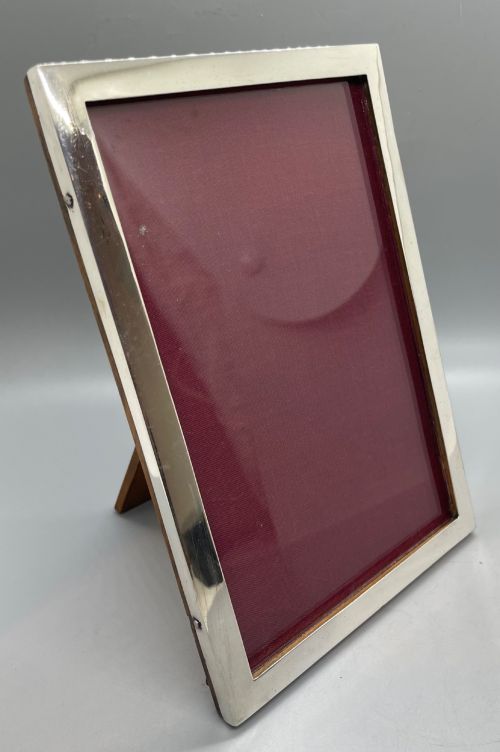
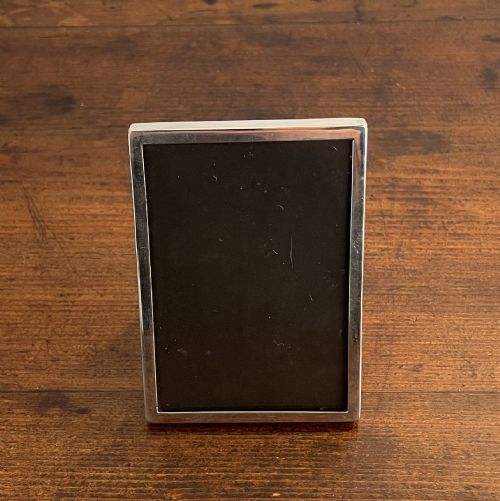
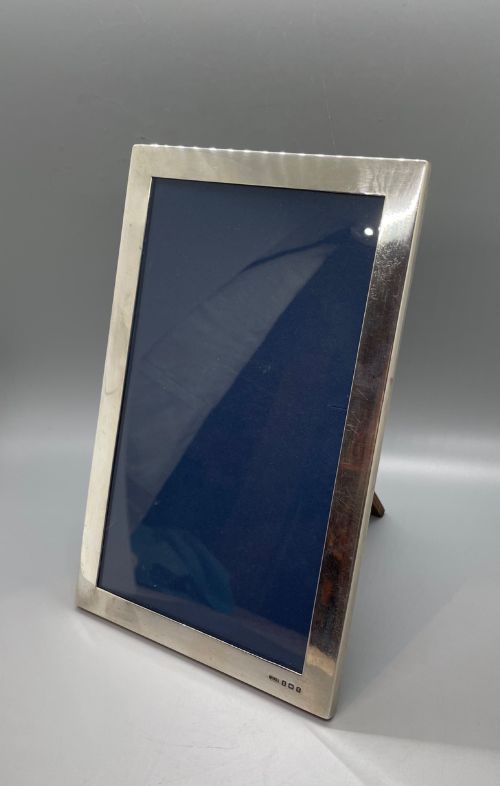
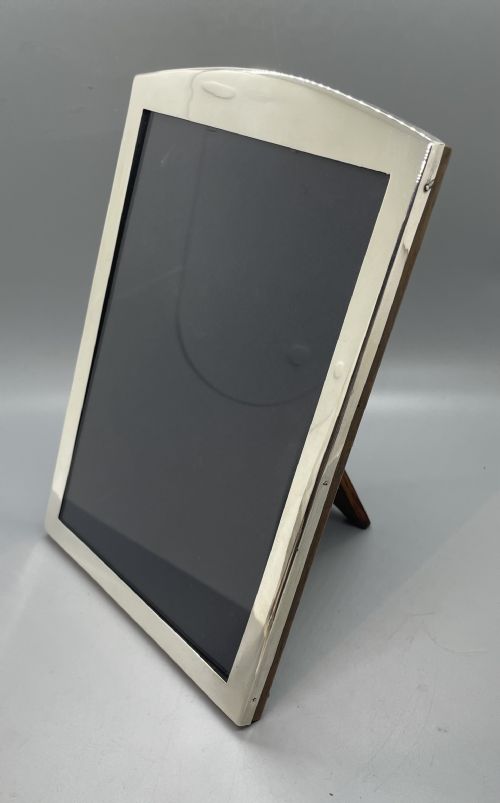
A birmingham silver frame brings period craftsmanship to your desk or mantelpiece, combining precious metal with practical display.
Birmingham Silver Frame
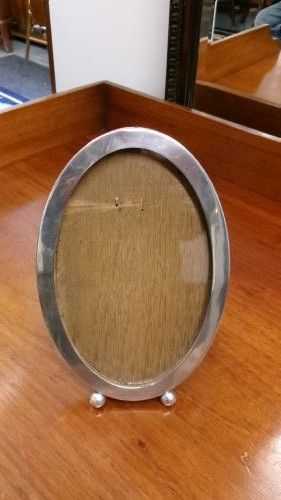
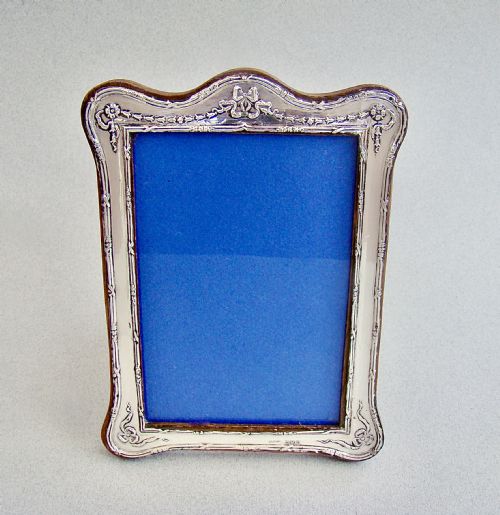
When searching for a birmingham silver frame, you are looking at items designed to hold photographs, portraits, or small mirrors, created by silversmiths working in the Midlands assay office. The most frequent examples found on this page date from the Edwardian period and the George V era, reflecting intense manufacturing output in the early twentieth century.
Forms range from simple rectangular apertures to oval, heart-shaped, and landscape formats supported by wooden backs and folding easel stands. Alongside standard photograph holders, the selection includes related desk accessories and vanity items such as table mirrors and combination vesta cases.
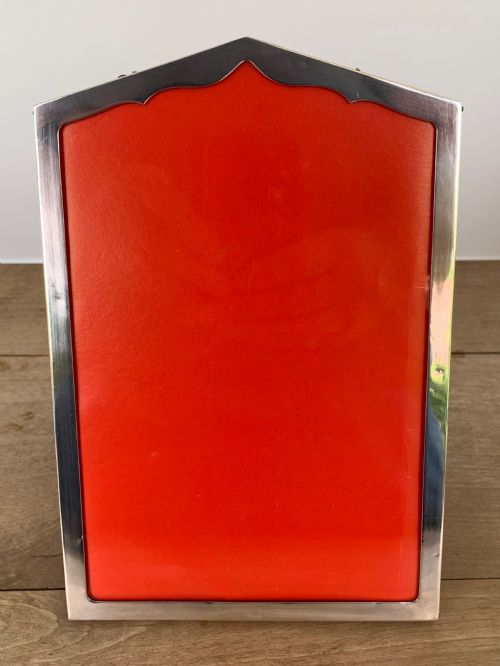
Stylistic influences shift from late Victorian revivalism through flowing Art Nouveau plant motifs to the clean, geometric lines of Art Deco. Many incorporate fabric linings, velvet pads, or glazed panels to protect the image within.
How they were made
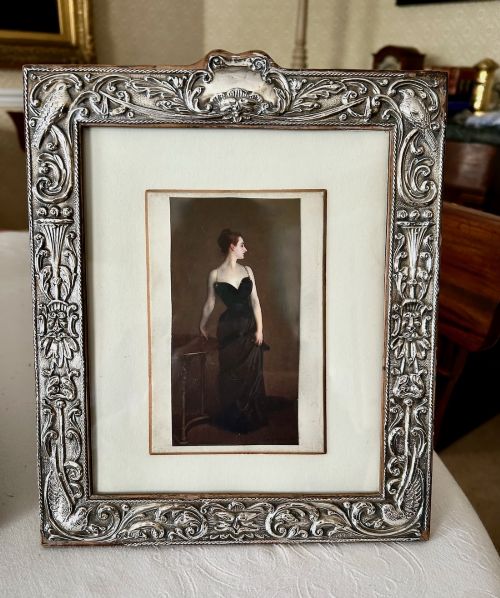
Makers shaped sterling silver sheets using press-forming and hand-hammering techniques, creating planished surfaces or detailed embossed borders featuring ribbons, floral motifs, and bows. Inner structures relied on sturdy wooden frames, often covered in leatherette, velvet, or silk to support the metal front and house the glass aperture.
Individual components were assembled with hinges, bezels, and rear wooden struts fastened by small pins. Selected pieces received internal gold washes to enhance recessed details or provide contrast against the polished sterling exterior.
Birmingham Silver Frame Retail Price Guide 2026
Typical asking prices for birmingham silver frame among the pieces listed under this phrase on Sellingantiques today, from the lower quarter to the upper quarter. They describe what is for sale here now, not the wider market.
Sweetheart frames let Edwardian sweethearts exchange tiny portraits framed in silver bows while loved ones served away from home.
What varies in quality
The distinction between standard production and superior examples lies in the depth of the metal gauge and the crispness of the chased or engraved ornamentation. Heavier gauge silver resists denting and maintains structural integrity around the hinged easel supports over decades of use.
Artistry in the decorative elements, such as hand-planished surfaces, cast applied borders, or intricate pierced work by specialist makers, separates utilitarian items from collector pieces. The condition and originality of the internal wooden backing, glass, and supporting strut also influence the overall standard.
W.I. Broadway & Co·Henry Matthews·Minshull & Latimer·Deakin & Francis·A&J Zimmerman·John Edward Wilmot·Mappin & Webb·William Hutton & Sons·Horton & Allday·William Haseler·A.W. Pennington·Henry Williamson Ltd·Laurence Emanuel·Sanders & Mackenzie·Charles Green & Co·Baldwin & Marriott·Green & Cadbury Ltd
The Birmingham Silver Frame Glossary
- Sterling silver
- A silver alloy containing 92.5 percent pure silver and 7.5 percent other metals, usually copper, ensuring durability for decorative items.
- Planished
- A metalworking technique involving light hammer blows across the surface to create a faceted, textured finish.
- Vesta case
- A small pocket box originally designed to hold matches, occasionally found combined with photographic display functions.
- Assay office
- An official body that tests the purity of precious metals and stamps them with appropriate hallmarks, such as the anchor symbol for Birmingham.
- Easel back
- A hinged wooden or cardboard strut attached to the rear of the frame to allow upright display on flat surfaces.
Birmingham Silver Frame: Frequently Asked Questions
How do I date a Birmingham silver frame?
Dating relies on the set of hallmarks stamped into the silver, which typically include a lion passants for sterling standard, an anchor for the Birmingham assay office, and a specific date letter corresponding to the year of manufacture.
Stylistic cues also help narrow the age, as flowing floral motifs point to the Edwardian Art Nouveau period while geometric patterns indicate later Art Deco production.
Are the wooden backs usually original?
Many frames retain their original oak, mahogany, or pine backing boards, complete with velvet or leatherette coverings and working easel hinges.
Because wood and fabric degrade faster than silver, replacement backs appear frequently on older pieces, making originality an important detail for collectors.
How should I clean my silver frame?
Gentle dusting with a soft cloth removes everyday particles without harming the softer metal or the surrounding fabric lining.
When polishing, use a dedicated silver cloth and avoid abrasive creams that can wear away crisp hallmarks or delicate engraved details.
What is engine-turning on these frames?
Engine-turning is a decorative mechanical technique that etches precise, geometric patterns of fine lines across the silver surface.
This method gained popularity during the 1920s and 1930s, providing a sophisticated Art Deco finish that minimised visible fingerprints.