
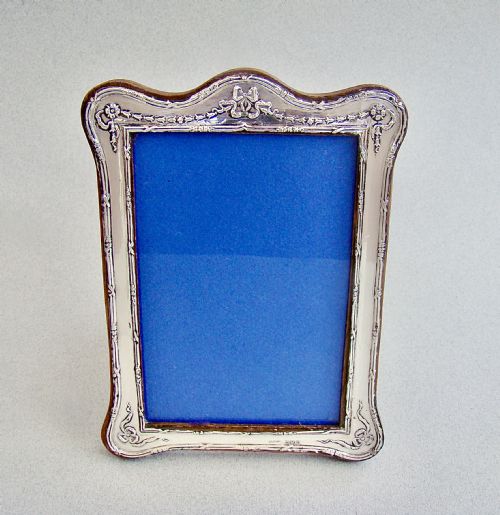


George V Silver Frame
These George V silver frames hold your portraits and photographs with proper period weight and polish.
George V Silver Frame types
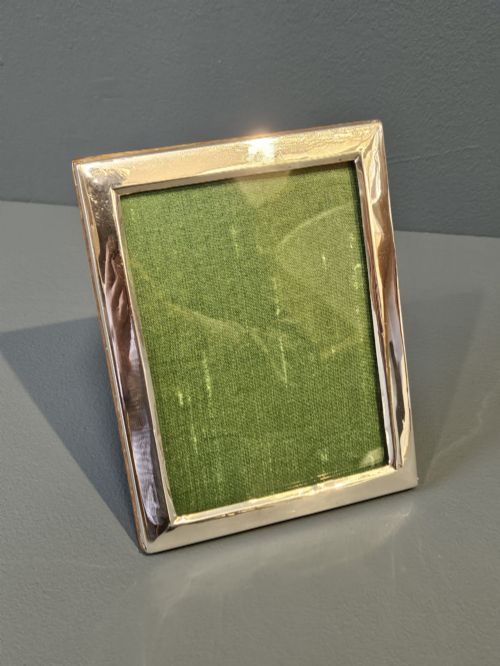
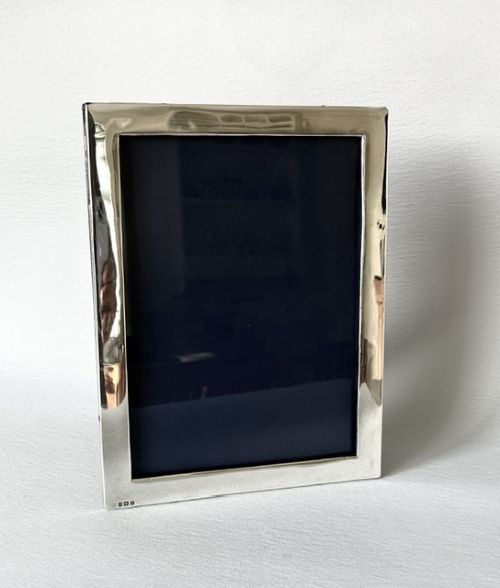
A george v silver frame serves as a desktop or mantelpiece holder for cherished portrait and landscape photographs. These pieces come in single, double, or matching pair configurations designed to stand upright.
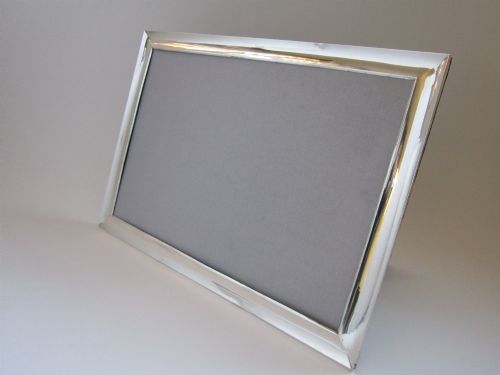
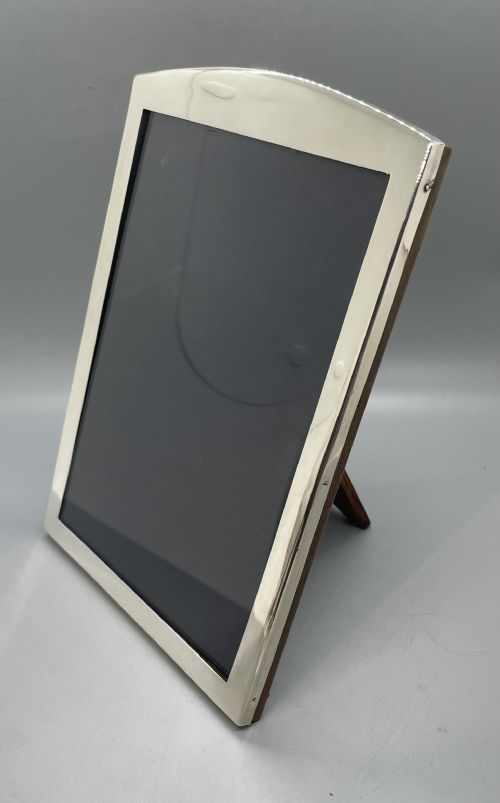
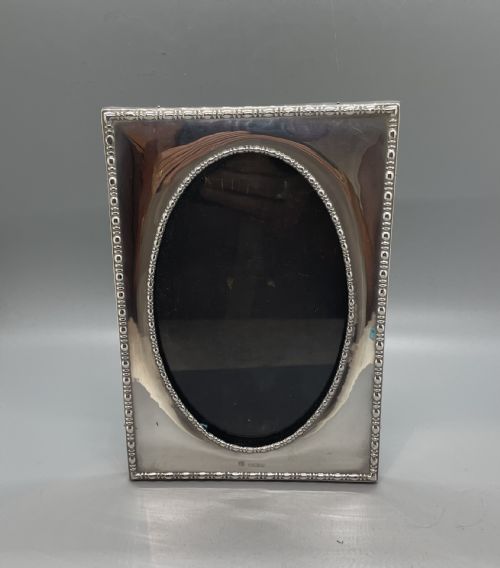
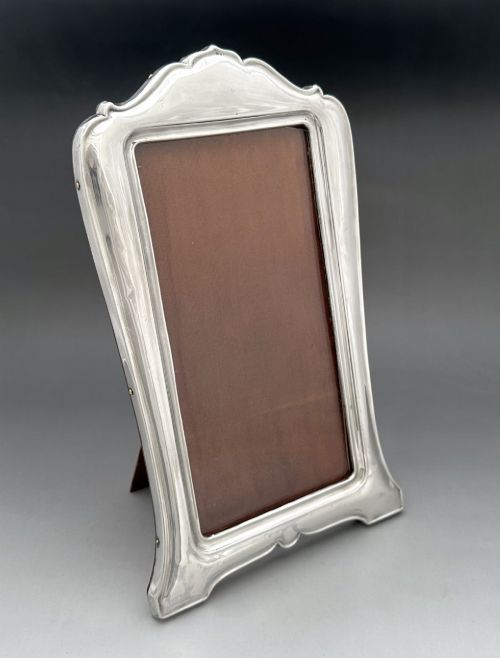
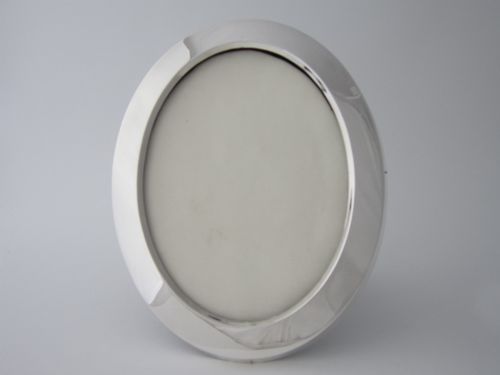
The most common formats on this page are rectangular, oval, and arched top picture frames bearing sterling silver mounts. Collectors encounter smaller miniature pieces alongside extra large portrait sizes.
Originating from English assay offices, these frames display regional hallmarks from Birmingham, Sheffield, and Chester. The overall aesthetic spans straightforward polished surfaces to ornate revival styles.
Materials and Construction
Silversmiths formed the front fascias from sterling silver sheet, often supporting the structure with internal wooden backing boards. Glass panels protect the photograph face, while fabric lines the reverse support stands.
Makers employed various decorative techniques including engine turning, embossing, and beaded borders. Cushion moulded profiles and swept edges provide physical depth to the metalwork.
Retail Price Guide 2026
Typical UK retail prices for george v silver frame, calculated from the Sellingantiques database of over a million retail prices indexed since 2003. This retail price guide relies exclusively on Sellingantiques data; no external sources or auction records are used, so the figures do not describe the wider market.
The archive and active listings combine to show sterling silver, wood, glass, and fabric as the primary materials used across these objects.
Quality factors in silver frames
The distinction between standard and superior pieces rests on the heft of the sterling silver sheet and the crispness of any chased or engine turned patterning. Maker attribution to notable silversmiths elevates the standing of an individual piece.
Preservation of the original wooden backing, glass, and fabric strut determines the structural integrity. Frames retaining clear town assay marks and maker initials command greater attention.
W.I. Broadway & Co·Joseph Gloster Ltd·William Comyns·Horton & Allday·Asprey
The George V Silver Frame Glossary
- Sterling silver
- A silver alloy containing 92.5 percent pure silver by mass and 7.5 percent other metals, usually copper. This standard composition provides the durability required for domestic picture frames.
- Assay mark
- A stamp indicating the purity of the silver metal, the assay office of origin, and the year of testing. These marks allow collectors to date British silver accurately.
- Engine turned
- A decorative technique involving precise geometric patterns mechanically engraved into metal surfaces. This method creates fine lines that catch the light.
- Cushion moulded
- A frame profile featuring a rounded, bulging section that resembles a soft cushion. This shape softens the perimeter of the metal mount.
Frequently Asked Questions
How do I clean a silver frame?
Use a soft microfiber cloth specifically formulated for silver care to gently remove tarnish from the sterling silver surface. Avoid abrasive polishes that can wear away thin silver layers or damage embossed details.
Keep cleaning agents away from the wooden backs, glass panels, and fabric linings. Proper maintenance preserves both the polish and the historical assay marks.
Are these frames meant for wall hanging?
Most pieces in this category function as desktop or mantelpiece accessories supported by hinged fabric struts attached to the reverse. They are engineered to stand securely on flat horizontal surfaces.
While some owners adapt them, altering the original backing structure is generally discouraged. The original design relies on the desk easel configuration for stability.
How can I check the date of my frame?
Examine the silver hallmarks stamped near the outer edge of the frame to find the date letter corresponding to the assay office records. Birmingham, Sheffield, and Chester offices used distinct date stamp cycles.
Matching the maker's mark and town mark alongside the date letter confirms the exact year of manufacture. Reference guides map these specific assay symbols to specific years.