


George V Photo Frame
A george v photo frame brings immediate period character to a desk or mantelpiece, combining solid precious metals with functional design.
George V Photo Frames
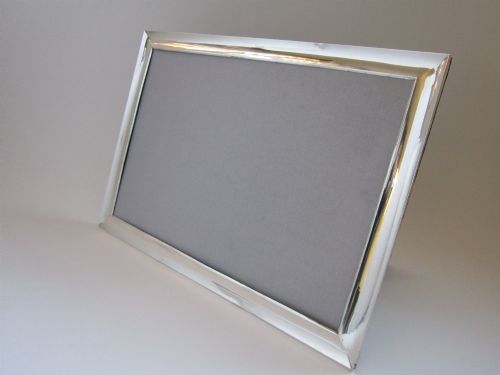
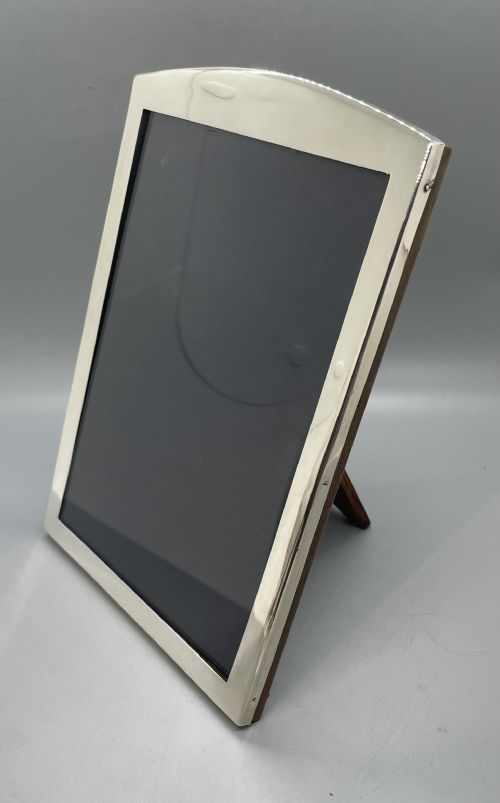
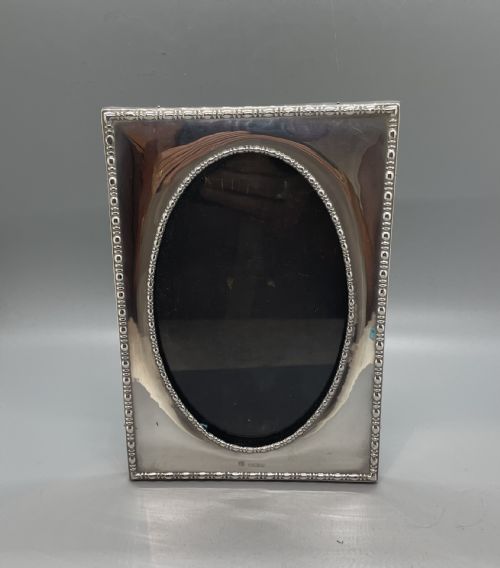
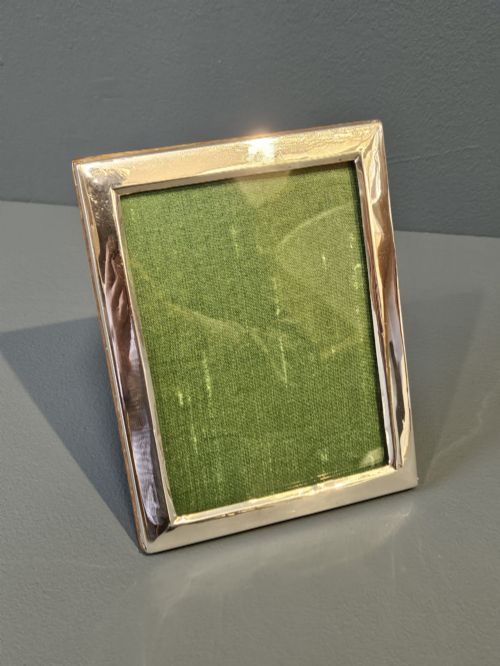
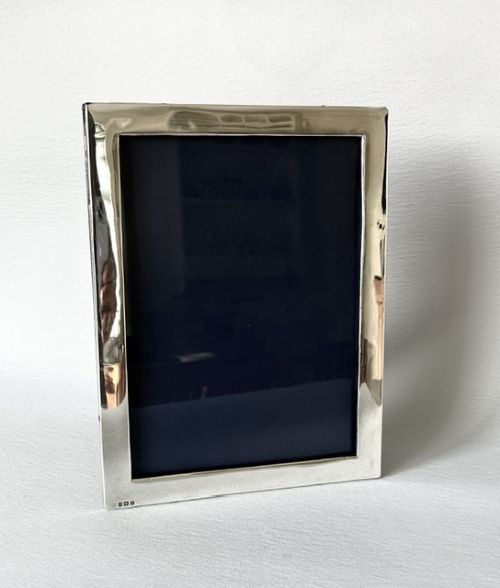
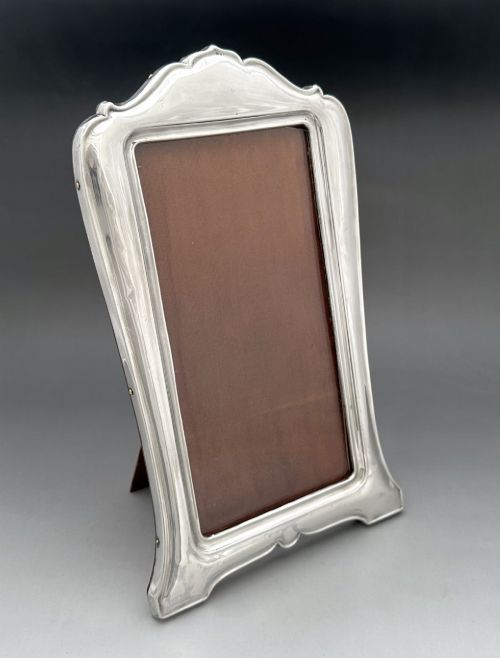
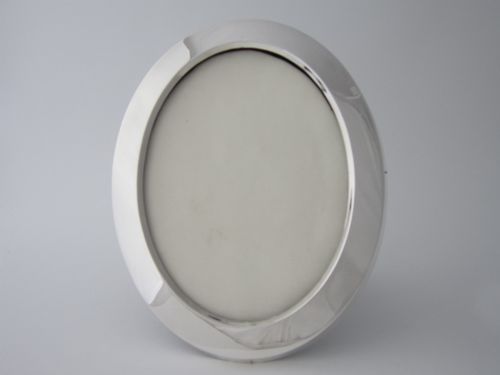
A george v photo frame is a picture display accessory produced during the reign of King George V, spanning the early decades of the twentieth century. These pieces encompass various formats including portrait, landscape, oval, and arched top designs.
The pieces on this page are predominantly constructed from sterling silver, paired with structural wood backs and glass viewing panels. Buyers frequently encounter items bearing hallmarks from assay offices such as Birmingham and Chester.
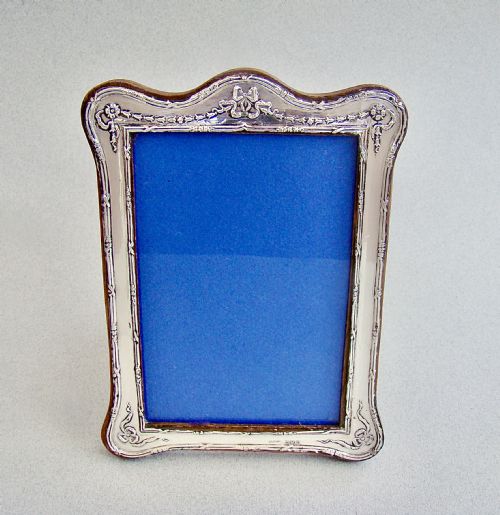
Sizes range from small miniature frames to large twentieth-century presentation pieces measuring up to twenty inches. Many examples feature decorative borders, bows, ribbons, or engine-turned patterns.
Materials and Construction
Silversmiths utilised sterling silver sheet metal, pressing or shaping it over wooden cores to create sturdy display fronts. Interiors were commonly lined with fabric or velvet to protect the backing structures.
Backing boards were typically fabricated from timber, secured with easel stands and silver hinges for tabletop support. Glass panes protected the photographs, held securely within the silver bezels.
Retail Price Guide 2026
Typical UK retail prices for george v photo frame, calculated from the Sellingantiques database of over a million retail prices indexed since 2003. This retail price guide relies exclusively on Sellingantiques data; no external sources or auction records are used, so the figures do not describe the wider market.
Listings feature sterling silver combined with wood, glass, fabric, and velvet across the early twentieth century.
Evaluating Quality
Quality rests in the heaviness of the silver gauge and the crispness of decorative chasing, embossing, or engine-turning. Finer examples display clear, legible assay marks and retain their original wooden backs and structural hinges.
Proportion and scale dictate desirability, particularly in larger portrait formats or matching pairs. The integration of decorative elements like bows or arched tops distinguishes standard utilitarian items from more ambitious silversmith work.
Joseph Gloster Ltd·William Comyns·Horton and Allday·Asprey
The George V Photo Frame Glossary
- Sterling silver
- A silver alloy containing 92.5 percent pure silver and 7.5 percent other metals, mostly copper. This standard composition provides the durability required for decorative homeware.
- Assay office
- An official body that tests the purity of precious metals and stamps items with hallmarks. Birmingham and Chester are prominent assay locations found on these pieces.
- Engine-turned
- A decorative technique involving precise geometric patterns engraved into metal by a specialised machine. This method adds texture and visual depth to flat silver surfaces.
- Beaded border
- A decorative edge pattern consisting of small, uniform hemispherical bumps resembling beads. It provides a subtle neoclassical framing effect around the aperture.
- Cushion moulded
- A rounded, convex profile given to the outer border of the frame. This shaping softens the rectangular geometry and catches the light.
Frequently Asked Questions
How do I date a silver photo frame?
Dating relies primarily on the silver hallmarks stamped onto the metal border, which include assay office symbols and date letters.
Additional clues come from the style of the wooden backing, easel mechanism, and font used in the maker's mark.
Can I polish my antique silver frame?
Regular polishing with a soft cloth and a reputable silver cleaner maintains the shine and removes tarnish. Care must be taken around embossed details and glass edges to avoid abrasive damage.
Excessive cleaning can wear away thin silver plating or crisp hand-engraved details over time.
What sizes were commonly produced?
Sizes varied considerably, ranging from tiny miniature frames intended for lockets or desks to large portrait formats exceeding twenty inches.
Standard portrait and landscape sizes were most common, designed to hold photographic prints of the period.
Are wooden backs usually original?
Many frames retain their original wooden backing boards, which are essential for structural stability and support.
Replacements are sometimes fitted by later owners when original timber warping or hinge failure occurs.