

Vintage Sterling Picture Frame
A vintage sterling picture frame brings substance to a desk or mantel, framed in solid metal from periods spanning the late Victorian era through the mid twentieth century.
Vintage Sterling Picture Frame
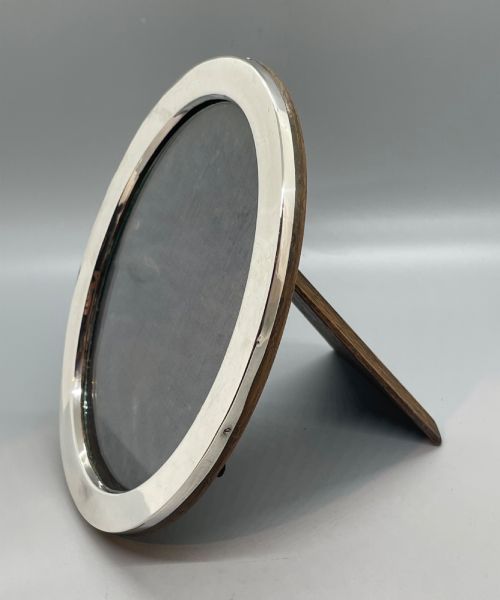
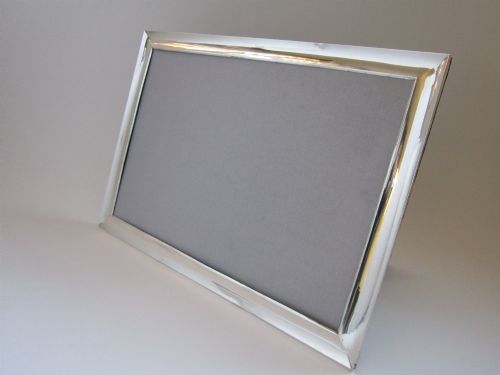
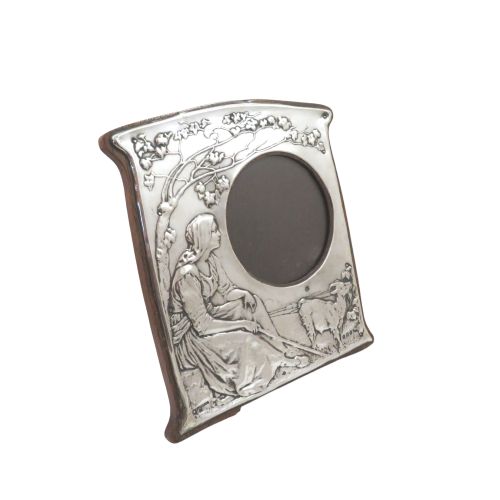
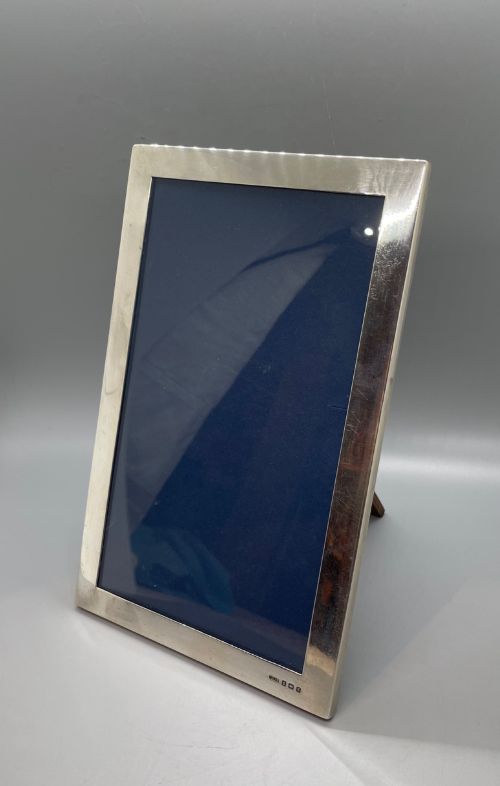
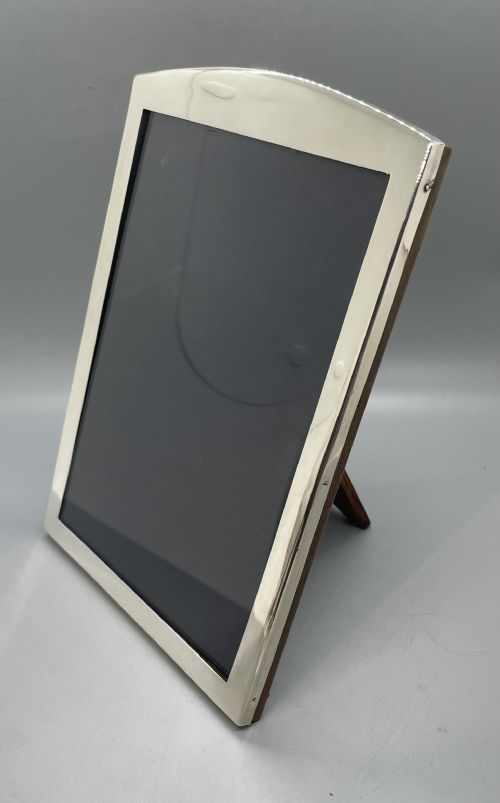
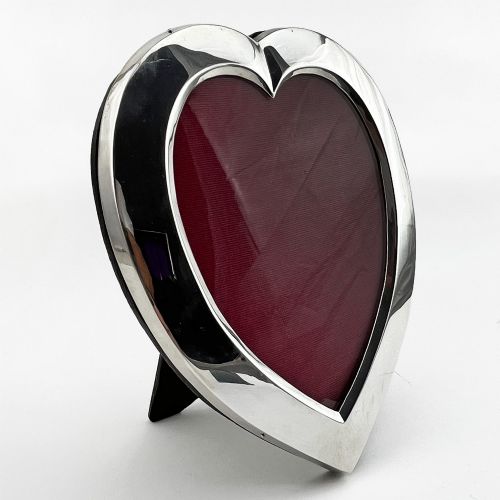
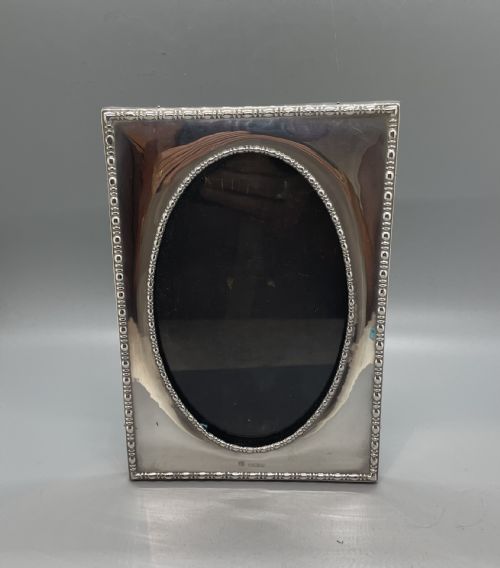
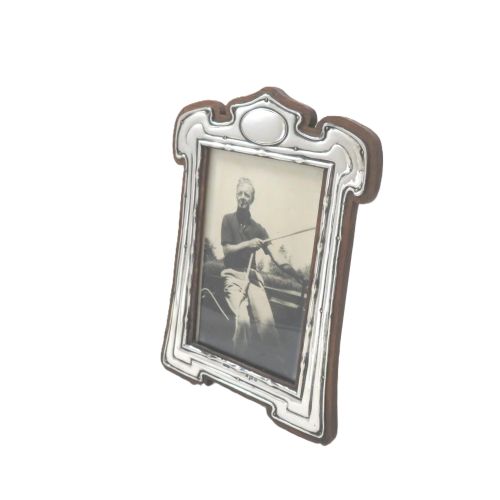
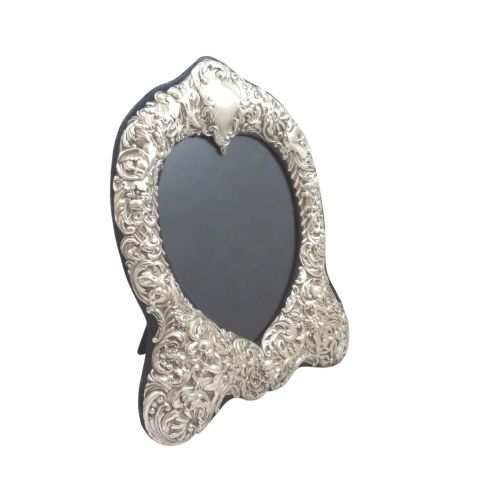
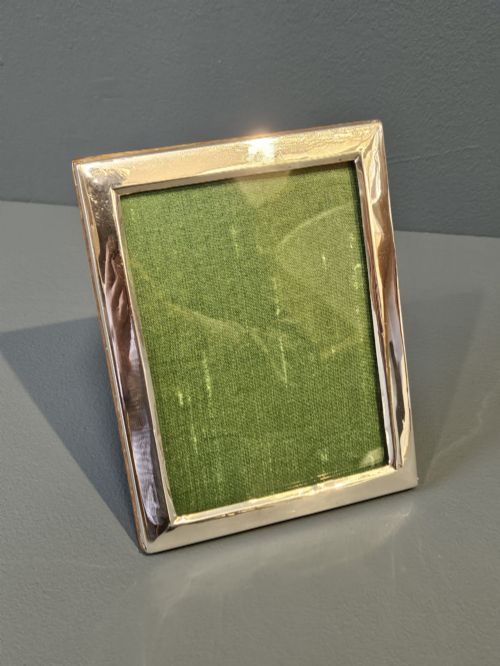
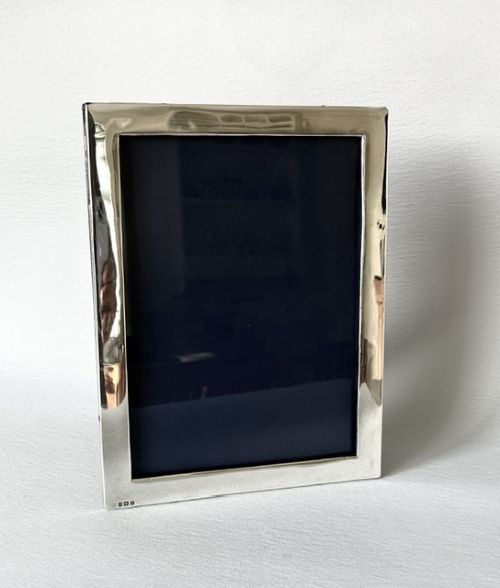
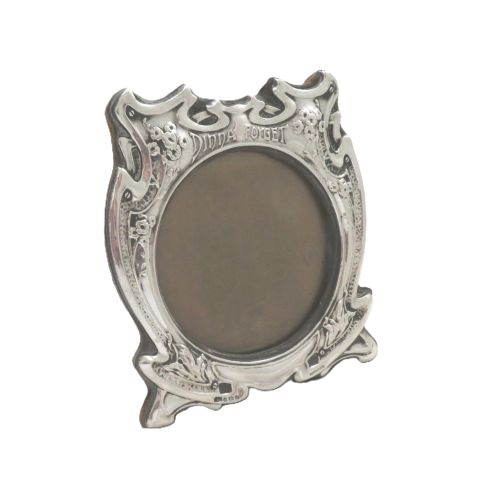
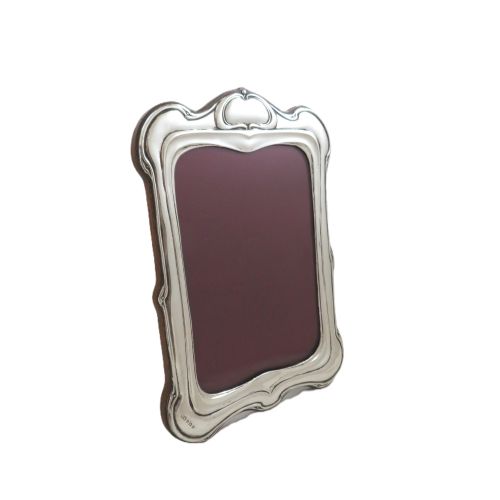
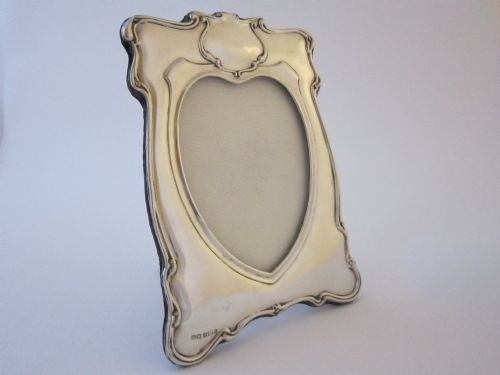
A vintage sterling picture frame gathers pieces originating largely from the Victorian, Edwardian, and George V periods, alongside Art Nouveau and Art Deco designs. Buyers searching for a vintage sterling picture frame encounter rectangular, square, oval, round, and heart-shaped forms, often sized for portraits or landscapes.
The objects served as domestic display pieces for photographs and table mirrors in homes across England and Europe. Makers employed assay offices in cities such as Birmingham and Sheffield to stamp the metal, leaving hallmarks that date the manufacture precisely to years between the 1880s and the 1960s.
Materials and construction
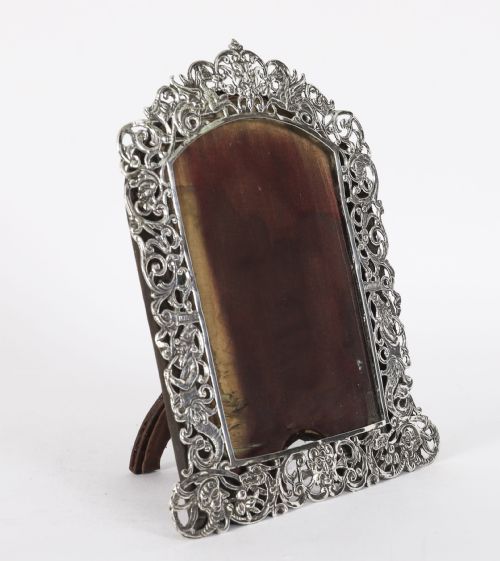
Makers constructed a vintage sterling picture frame using sterling silver sheets shaped by hand or pressed with floral, embossed, or engine-turned decoration. The metal sheet forms the decorative border and wraps around a wooden or hardwood core that provides structural rigidity.
Backings consist of wood lined with velvet, fabric, or leather, held in place by hinged metal clips or struts. Glass protects the photograph inside the aperture, secured behind the silver bezel.
Vintage Sterling Picture Frame Retail Price Guide 2026
Typical asking prices for vintage sterling picture frame among the pieces listed under this phrase on Sellingantiques today, from the lower quarter to the upper quarter. They describe what is for sale here now, not the wider market.
Some frames sport whimsical details like cheeky owls, running dogs, and flying birds peering out from the floral scrollwork.
Distinctions in quality
The division between standard and superior pieces rests on the weight of the silver sheet, the depth of the embossing, and the crispness of the hallmarks stamped into the metal. Frames featuring figural motifs like cherubs, birds, or botanical elements demand greater artisanal skill than plain borders.
The condition of the original wooden backing, the intactness of the glass, and the smooth operation of the strut hinge contribute to the overall integrity of the piece.
Rosenthal Jacob And Co·William Comyns·Mappin Bros·W I Broadway And Co·Asprey And Co
The Vintage Sterling Picture Frame Glossary
- Sterling silver
- A silver alloy containing 92.5 percent pure silver by mass and 7.5 percent other metals, usually copper. This standard composition gives the frame its durable structure.
- Hallmark
- A series of official marks stamped on items made of precious metals in the United Kingdom. It verifies the purity of the silver, the assay office, and the date letter.
- Engine-turned
- A decorative technique involving precise geometric patterns engraved into the metal surface by a machine. This creates repetitive linear designs common on Art Deco pieces.
- Strut
- A hinged support attached to the back of the frame that allows it to stand upright on a table. It is typically covered in velvet, leather, or fabric.
- Aperture
- The opening in the frame that displays the photograph or mirror glass. It comes in various shapes, including rectangular, oval, and heart.
Vintage Sterling Picture Frame: Frequently Asked Questions
How do I date a silver frame?
Assay office marks and date letters stamped onto the sterling silver border reveal the exact year of manufacture. British pieces carry hallmark sequences that point to offices in Birmingham, Sheffield, and London.
Stylistic cues such as Art Nouveau whiplash lines or Art Deco geometric engine-turning further narrow down the decade of production.
What backs are original to these frames?
Original backs generally consist of a hardwood panel covered in velvet, fabric, or leather. These backing boards are secured with pivoting metal pins or sliding clips.
Retaining the original backing material preserves the structural completeness of the piece.
Can I polish the silver?
Cleaning requires a soft cloth and a gentle silver polish formulated to lift tarnish without abrading the thin metal layer. Care must be taken around embossed details and hallmarks to avoid wearing away the crisp edges.
Leaving a gentle patina in the recessed areas often highlights the stamped decoration.
How do I display them safely?
Table placement should avoid direct sunlight and damp environments that can degrade the velvet or leather backing boards. The integral strut supports the weight of the glass and silver safely on flat surfaces.
Heavier frames benefit from stable placement where the hinged leg will not be knocked.