

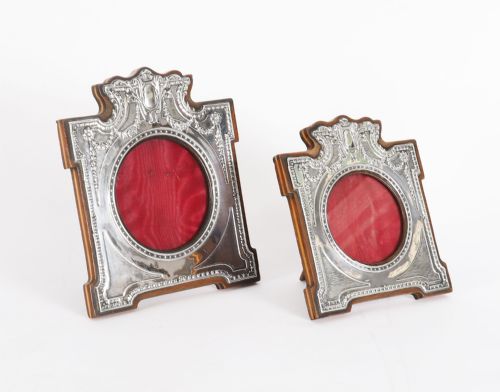


Silver Photograph Display
These silver photograph display pieces are picture frames made in sterling silver, 800 silver, and tortoiseshell, built to hold and exhibit family portraits on desks or mantelpieces.
Silver Photograph Display
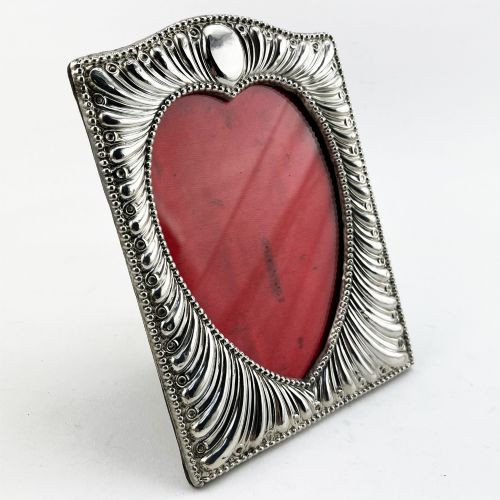
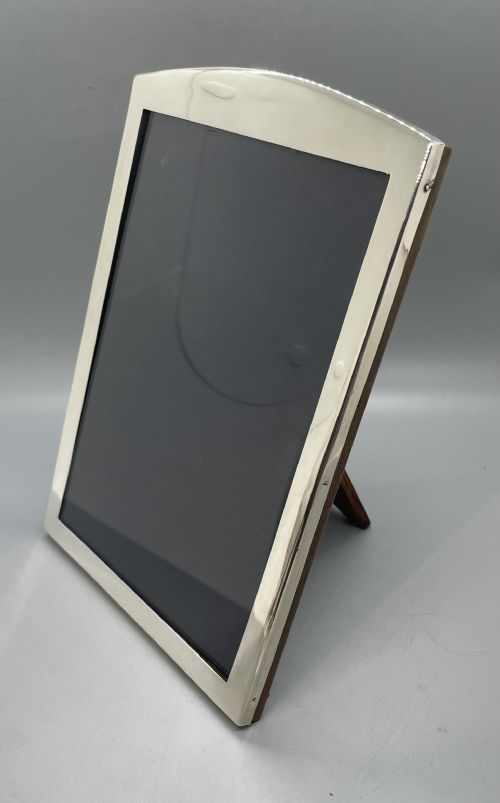
A silver photograph display is primarily represented on this page by picture frames and photo frames dating from the Victorian, Edwardian, George V, and mid-20th century periods. Buyers seeking these items encounter rectangular and decorative shapes designed to showcase portraits in domestic interiors.
The assortment spans English work from makers like William Comyns and Mappin Bros, alongside continental examples such as Italian silver frames. Forms range from standard upright items to exceptionally large vintage pieces and matched pairs intended for tabletop placement.
How they were made
Makers constructed these frames using sterling silver and 800 silver mounted over wooden carcasses or paired with glass viewing panels. Artisans often incorporated backing materials such as blue velvet to support the structure and protect the reverse of the piece.
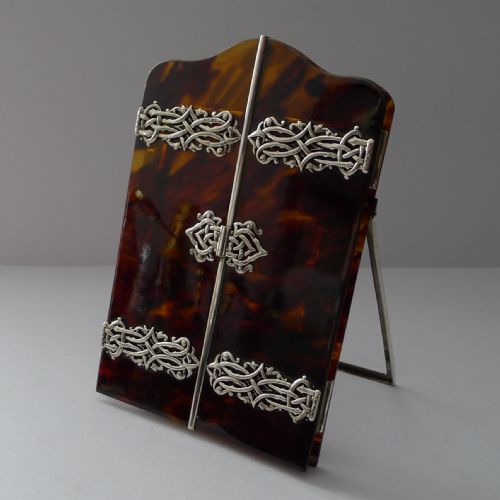
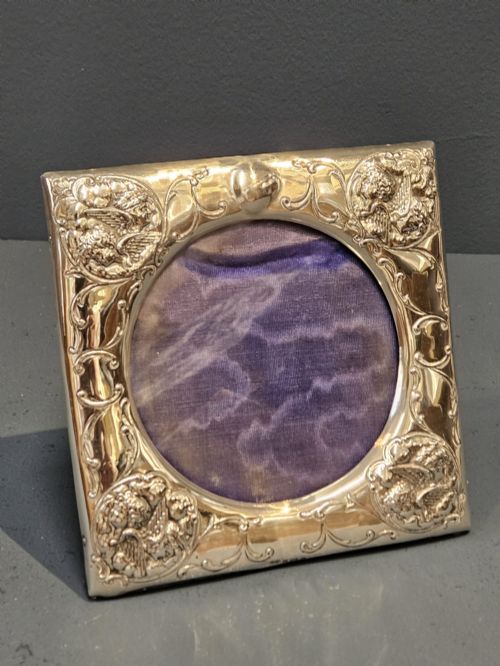
Techniques varied from simple floral borders to embossed metalwork featuring motifs like Reynolds Angels. Tortoiseshell was expertly fitted into silver mounts during the Victorian era, combining organic shell with precious metal.
Silver Photograph Display Retail Price Guide 2026
Typical asking prices for silver photograph display among the pieces listed under this phrase on Sellingantiques today, from the lower quarter to the upper quarter. They describe what is for sale here now, not the wider market.
Listings feature sterling silver and 800 silver across Victorian, Edwardian, and Art Deco styles.
What varies in quality
Quality in these items is determined by the weight of the metal, the crispness of the silver stampings, and the intricacy of the decorative motifs. Pieces featuring specialised materials like tortoiseshell or detailed repoussé work by noted firms sit at the higher end of the scale.
The integrity of the structural support, including the wooden backing and velvet linings, influences the overall standard of preservation. Larger formats and matched pairs demand greater skill from the silversmith, setting them apart from standard single frames.
Mappin Bros·William Comyns·Pinci
The Silver Photograph Display Glossary
- Sterling silver
- An alloy containing 92.5 percent silver by mass, with the remainder consisting of other metals like copper. This standard was widely utilised by British silversmiths for picture frames.
- 800 silver
- An alloy containing 80 percent silver, frequently found in continental European pieces such as mid-20th century Italian frames. It offers a slightly different malleability and tone compared to sterling.
- Tortoiseshell
- The shell of certain turtle species used as a decorative overlay in Victorian frames. Craftsmen mounted the polished shell beneath openwork sterling silver.
- Reynolds Angels
- A decorative motif depicting cherubs, inspired by the paintings of Sir Joshua Reynolds. It appears embossed on the silver borders of Edwardian frames.
- Velvet
- A woven tufted fabric utilised on the backs and easels of frames. It provides a soft protective backing and a rich texture for desk display.
Silver Photograph Display: Frequently Asked Questions
What periods do these frames come from?
The listings span the Victorian, Edwardian, and George V eras, alongside mid-20th century Italian production. These dates reflect the changing decorative tastes from floral borders to minimalist Art Deco styles.
Buyers will find specific hallmarks and stylistic cues that help identify whether a piece originates from the late nineteenth century or later decades.
How were these frames used originally?
These items served as portable or desktop display objects for portrait photographs of family members and notable figures. They sat upon mahogany desks, dressing tables, and mantelpieces in domestic parlours.
The inclusion of wooden supports and velvet backs allowed the frames to stand securely on flat horizontal surfaces.
What materials are combined with the silver?
Makers frequently integrated glass to protect the photographic surface and wood to provide internal structural rigidity. Velvet was commonly applied to the reverse as a tactile backing material.
In some Victorian examples, polished tortoiseshell forms the primary background plate beneath intricate silver mounts.
How do I care for a silver frame?
Silver surfaces require occasional gentle cleaning with a specialised cloth to remove tarnish without damaging embossed details or surrounding materials like velvet and glass. Care must be taken to avoid abrasive polishes that wear away thin silver layers.
Keeping the frames in stable humidity conditions protects the internal wooden carcasses and delicate tortoiseshell overlays from warping.