

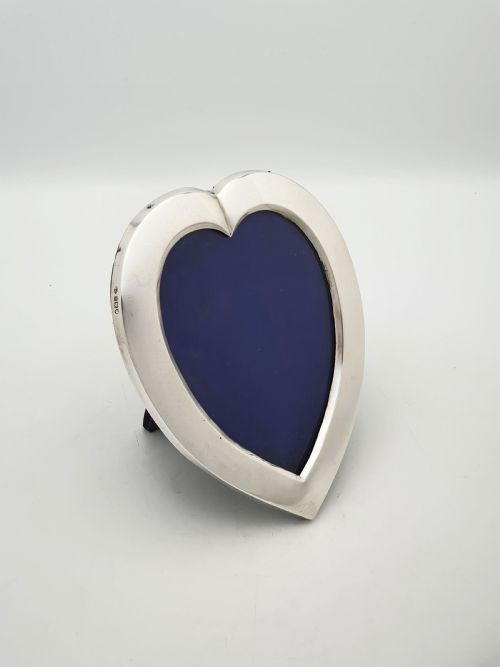


Silver Heart Frame
These pieces of silver heart frame combine sentimental form with solid craftsmanship from the late nineteenth and early twentieth centuries.
Silver Heart Frame
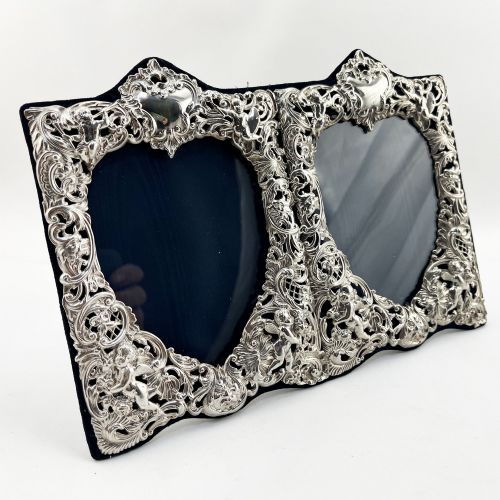
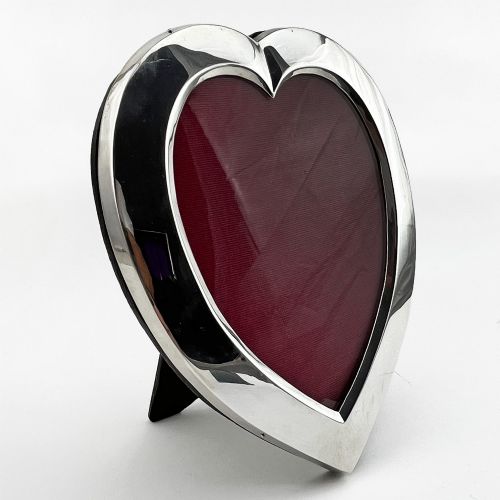
A silver heart frame is a domestic object designed to display a portrait of a loved one on a dressing table or desk. When you search for this phrase, you encounter items shaped specifically as hearts, originating primarily from the Victorian and Edwardian eras.
The most common versions on this page are miniature or small desk frames made of sterling silver, often lined with velvet or wood at the back. Alongside domestic photograph holders, the selection includes Italian devotional art and wall-hung devotional pieces reflecting sacred heart motifs.
Maker marks frequently trace these objects to prominent Birmingham and London workshops operating around eighteen-ninety to nineteen-twenty. They survive as tangible expressions of personal affection and commemorative design from past decades.
How they were made
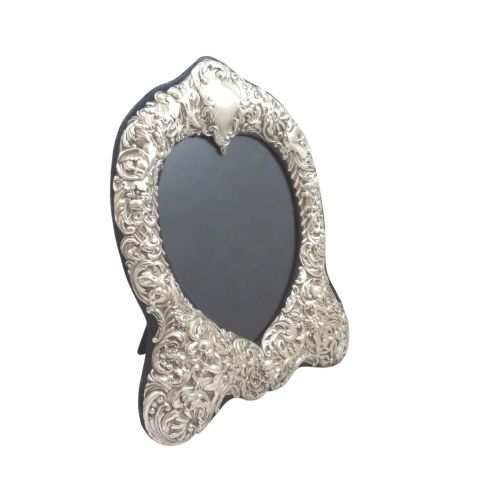
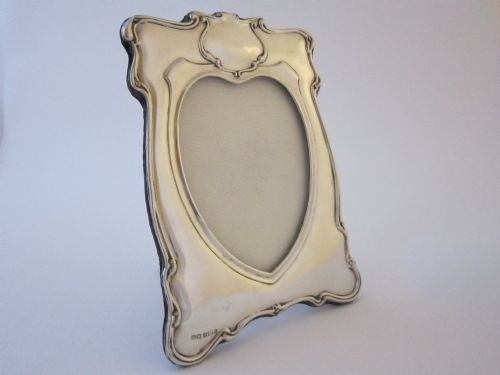
Silversmiths constructed these frames using sterling silver sheets, which they shaped, embossed, or pierced into heart contours. Planished surfaces and chased floral or scroll patterns demonstrate the detailed handwork typical of the period.
Backings utilised wood, fabric, or leather, secured with easel stands or suspension rings for wall display. Glass protected the photographic portrait held within the silver bezel.
Many miniature frames were small enough to double as pill box pendants for Victorian pocket storage.
What varies in quality
The distinction between standard production and superior craftsmanship rests in the crispness of the embossed detail and the weight of the silver. Master silversmiths maintained deep relief in chased scrollwork, whereas simpler items relied on thin pressed metal.
The integrity of the original backing materials and glass contributes significantly to the integrity of the piece. Fully legible hallmarks from recognised makers add substance to the provenance and finish of the item.
William Comyns·Syner And Beddoes·Henry Matthews·Goldsmiths And Silversmiths Co
The Silver Heart Frame Glossary
- Sterling silver
- An alloy containing ninety-two point five percent silver by mass, standard for British plate. This metal provides the durable body for the frames.
- Hallmark
- A official stamp applied by an assay office indicating metal purity, maker, and year of assay. These marks help date the silver heart frame accurately.
- Sweetheart frame
- A small or miniature frame often associated with wartime farewells and romantic tokens. They frequently measure only a few inches across.
- Planished
- A metal surface beaten with a small-headed hammer to produce flat, smooth facets. This technique creates a distinctive textured finish on Art Nouveau pieces.
- Ex-voto
- A votive offering hung in a place of worship as a sign of devotion. Italian examples in the collection often depict a sacred heart.
Silver Heart Frame: Frequently Asked Questions
How were silver heart frames used?
Owners placed them on dressing tables, mantelpieces, or desks to hold portraits of family members or romantic partners. Miniature versions were also carried or given as personal tokens of affection.
During wartime, smaller sweetheart variations served as portable keepsakes for soldiers and their families. They allowed individuals to keep the likeness of a loved one close during prolonged separations.
How do I date a silver heart frame?
Dating relies primarily on the stamped hallmarks found on the silver border, which indicate the specific assay office and year letter. Examining the style of the chasing and the form of the easel back also helps assign the piece to the Victorian or Edwardian period.
Design motifs such as flowing organic lines suggest the early nineteen-hundreds, while heavier scrollwork typically points towards late-nineteenth-century manufacture. Comparing the maker mark against historical assay records confirms the exact decade of production.
What materials support the silver front?
Most desk frames feature a wooden or ebonised wood backing covered in fabric, velvet, or leather to protect the surface where they stood. A hinged metal easel strut usually provides the support for upright display.
Interior compartments contain a thin sheet of glass to shield the photograph from dust and handling. These structural components are generally original to the piece and complement the metalwork.
Are these frames suitable for modern photographs?
These frames accommodate standard portrait shapes if the dimensions align with the interior aperture of the heart window. Trimming modern prints to fit the curved perimeter is often necessary for proper placement.
Care should be taken not to force thick modern cardstock into antique apertures designed for thin vintage paper. Preserving the original glass and backing ensures the structural safety of the frame.