


Tabletop Photograph Frame
A tabletop photograph frame preserves cherished portraits behind glass, bringing polished metal, wood and fabric to desks and mantelpieces.
Tabletop Photograph Frame
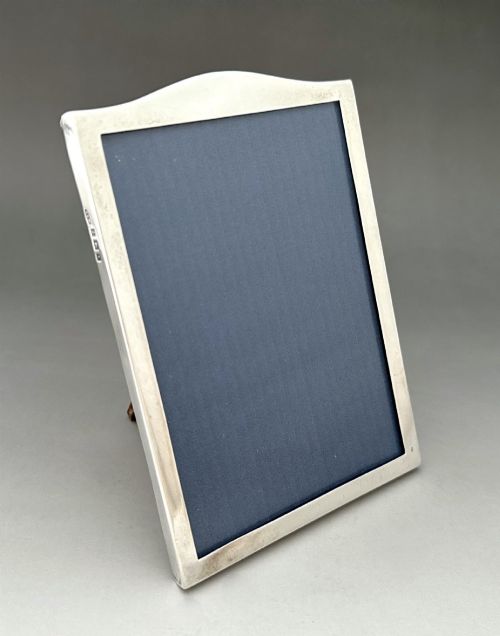
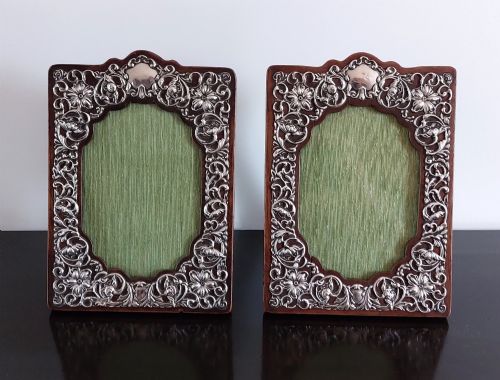
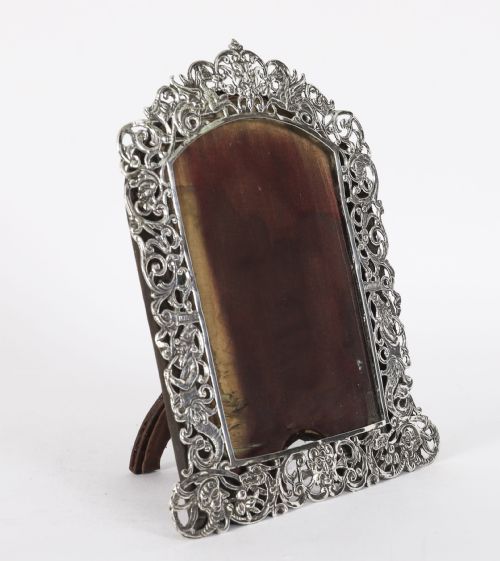
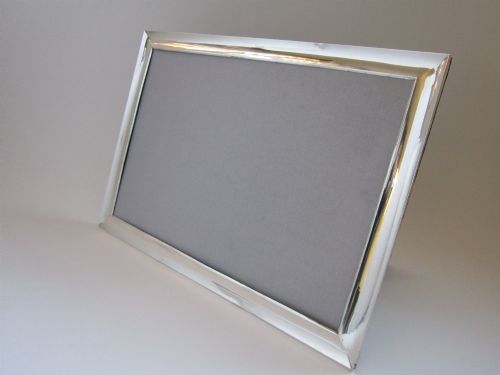
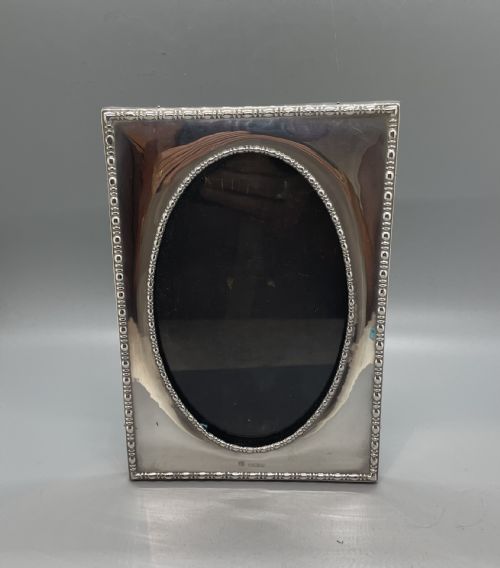
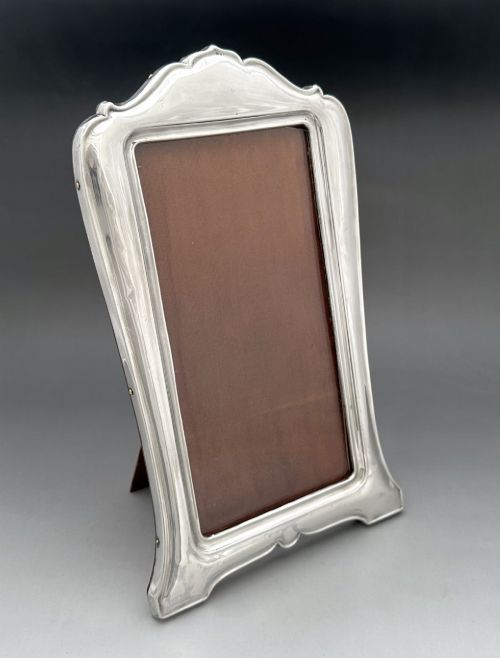
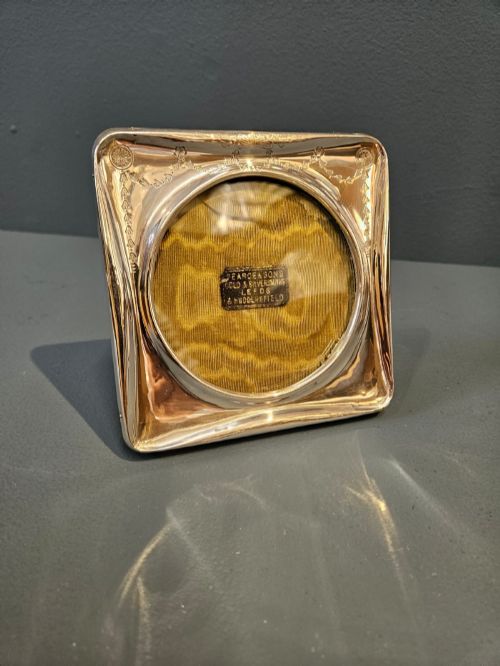
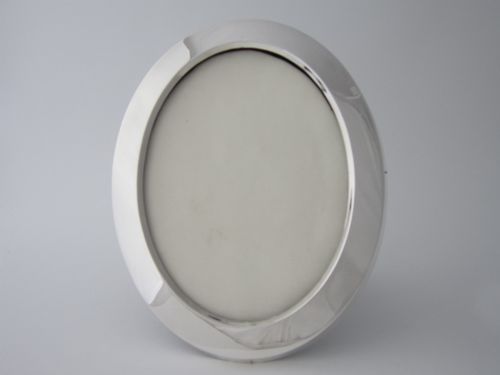
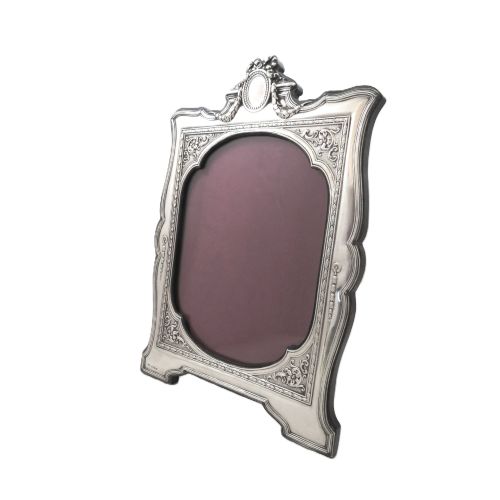
When searching for a tabletop photograph frame, buyers encounter domestic display pieces designed to hold personal portraits on flat surfaces. The selections span the Victorian, Edwardian, George V and Art Deco eras, alongside late nineteenth and early twentieth century examples.
How they were made
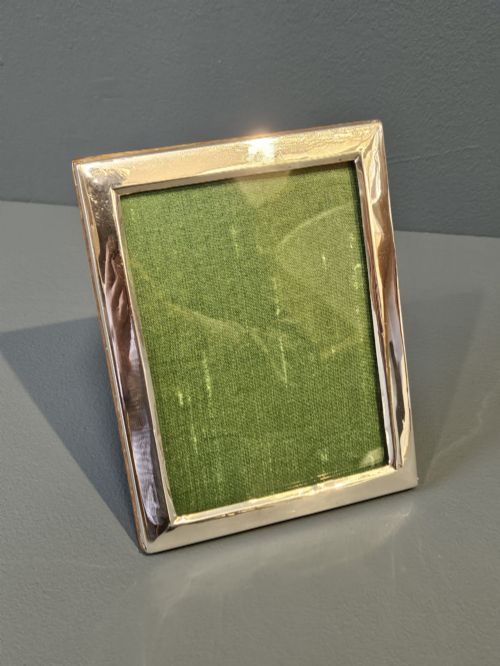
Makers constructed these frames using sterling silver, silver plate, gilded bronze and wood, backed by fabric and velvet. Glass protected the portrait, whilst internal wooden structures provided rigidity and support for the standing strut.
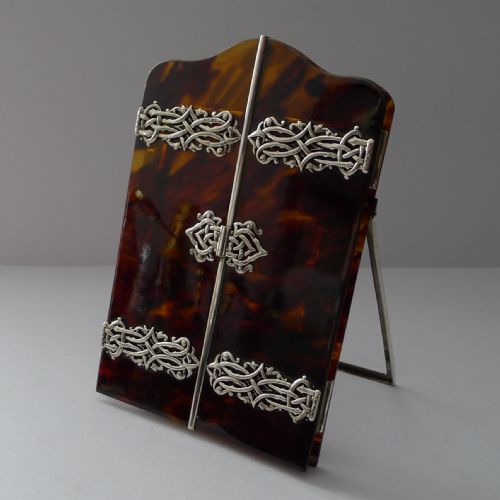
Decorative techniques include engine-turning, engraving and hand-carving. Metal components were shaped and mounted to backing boards, often incorporating hinged elements for double or multi-fold configurations.
Listings feature sterling silver, silver plate, gilded bronze, wood, glass and velvet across periods from the 1880s through the 1930s.
What varies in quality
Quality rests in the weight and thickness of the metal, the crispness of the chased or engraved ornamentation, and the integrity of the backing materials. Heavier gauge sterling silver and substantial cast bronze distinguish superior examples from lighter plated or pressed alternatives.
The refinement of the inner bevels, the snugness of the glass fitting and the durability of the original easel backs also separate standard production pieces from finer workshop outputs.
Rosenthal, Jacob & Co.·Walker & Hall·Syner & Beddoes·Hardy Brothers·Moseley
The Tabletop Photograph Frame Glossary
- Sterling silver
- A silver alloy containing 92.5 percent pure silver by weight, used extensively for durable and decorative frames. This metal developed a soft patina over decades of handling.
- Engine-turned
- A mechanical method of ornamenting metal surfaces with precise, intricate geometric patterns. This technique provided texture and reduced the visibility of minor fingerprints.
- Carte de visite
- A small photographic portrait popular in the nineteenth century, often housed in specialised display boxes or frames. These formats allowed Victorians to collect and exchange likenesses.
- Easel back
- A hinged supporting strut attached to the reverse of a frame, allowing it to stand upright on a table. Most examples use fabric or wood covered in velvet to secure this mechanism.
Tabletop Photograph Frame: Frequently Asked Questions
How do I clean a silver frame?
Clean silver components gently with a specialised polishing cloth, avoiding aggressive rubbing around engraved or engine-turned areas.
Keep polishes away from the glass edges, velvet backings and wooden elements to prevent staining or moisture damage.
Can I replace the glass safely?
Glass can be replaced by releasing the small retaining tabs or pins holding the back panel in place.
Handle the original glass carefully as older panes may have irregular thicknesses or minor surface variations.
How do I date an antique frame?
Dating relies on hallmarks stamped into the metal, stylistic cues from periods like Edwardian or Art Deco, and construction methods.
Assay office marks and date letters on sterling silver pieces provide precise years of manufacture.
Are double frames common?
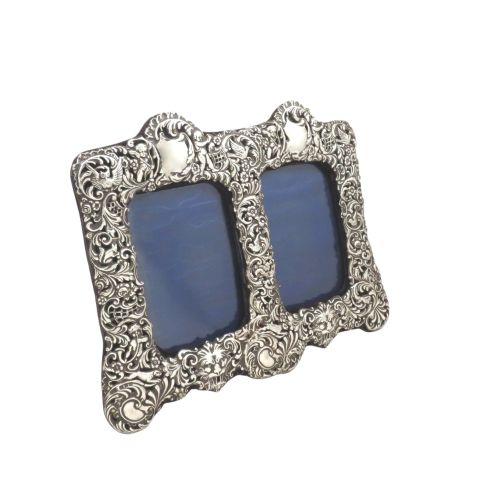
Double and multi-fold frames appear across Victorian and Edwardian inventories, designed to display two or more portraits side by side.
Hinges connecting the panels allow the units to angle inward on a desk or mantelpiece.