

Edwardian Photo Frames
Edwardian photo frames bring desk and mantel photography to life with silver, leather, and wood.
Edwardian Photo Frames
When you search for edwardian photo frames, you look at domestic display pieces designed to hold family portraits and keepsakes. The selection spans the Edwardian period itself alongside nearby Victorian and George V years.
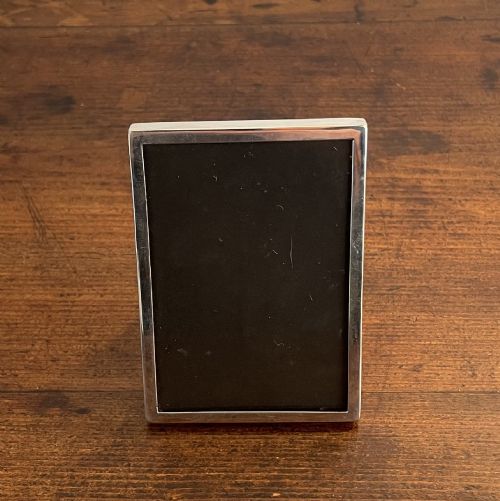
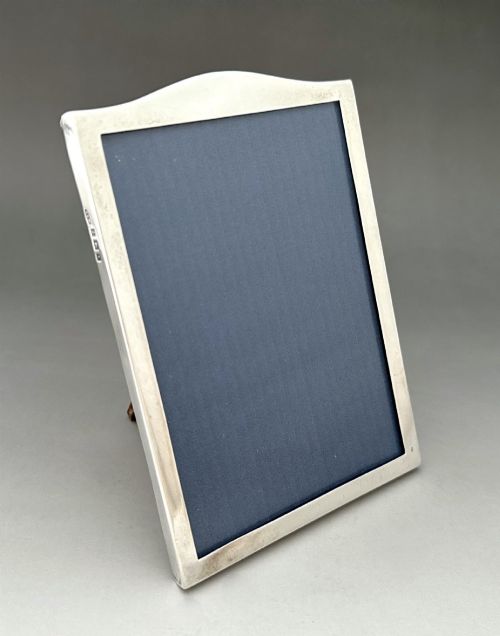
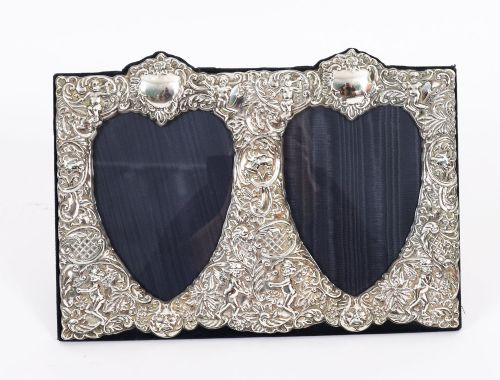
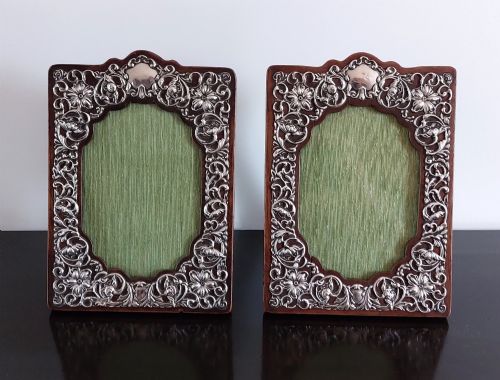
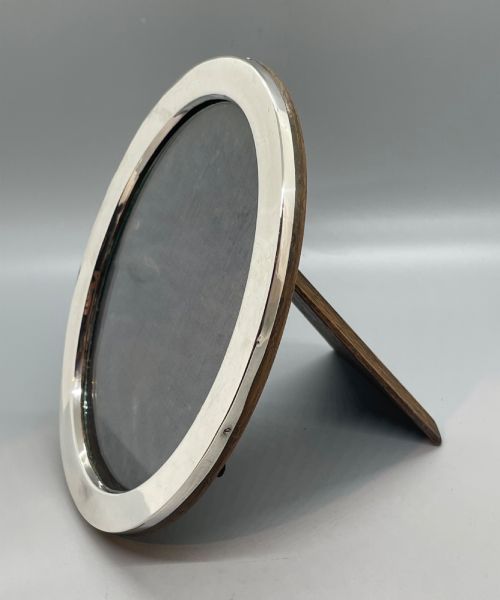
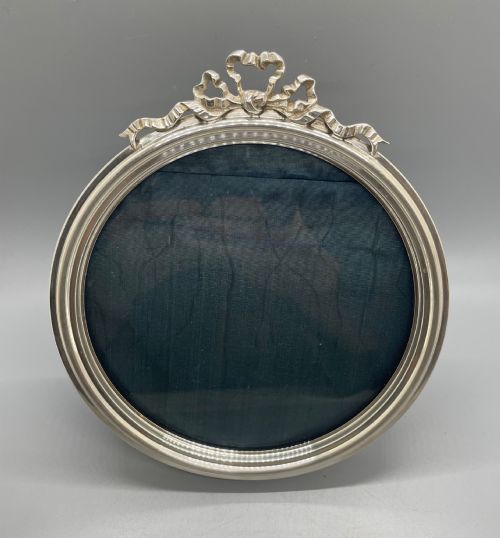
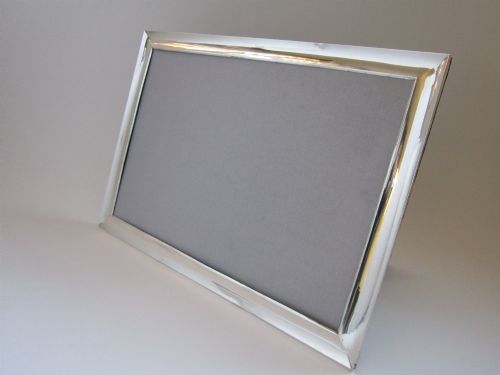
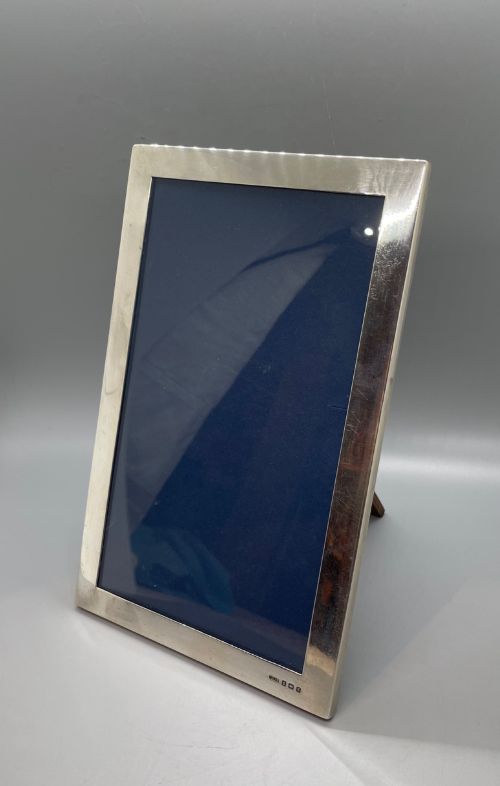
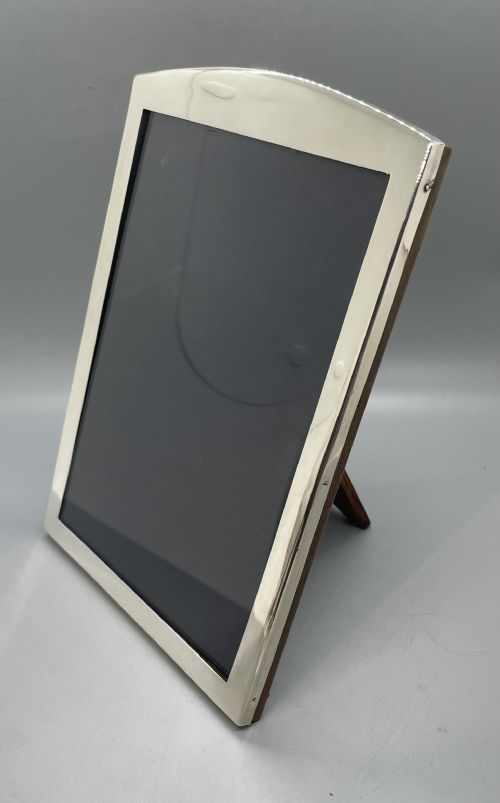
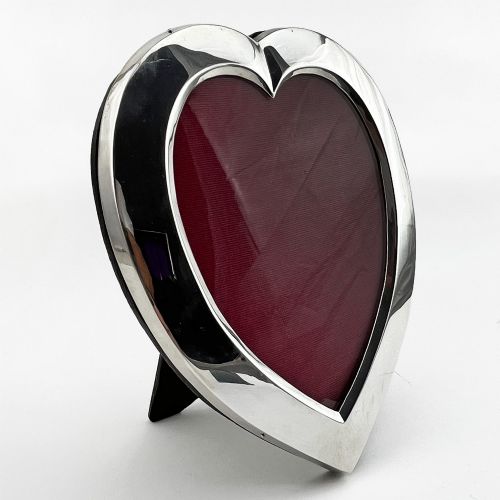
The most common examples on this page are sterling silver picture frames made in Birmingham or Sheffield. These often arrive in standard rectangular portrait or landscape formats, alongside occasional heart shapes and ovals.
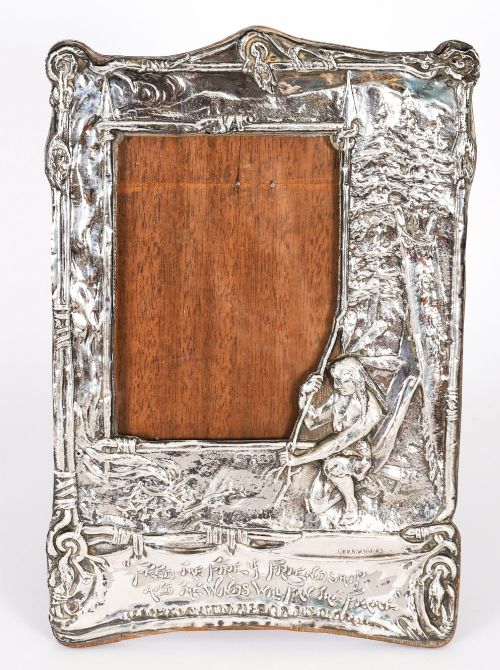
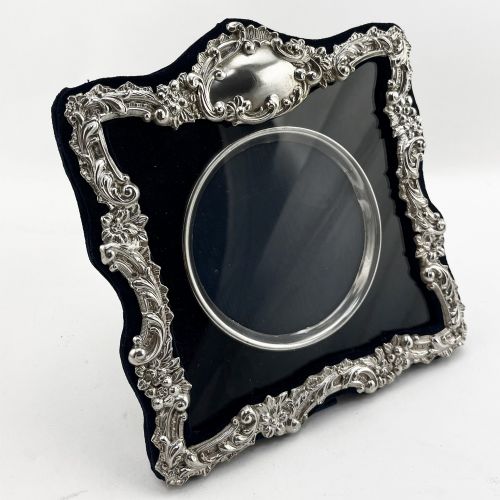
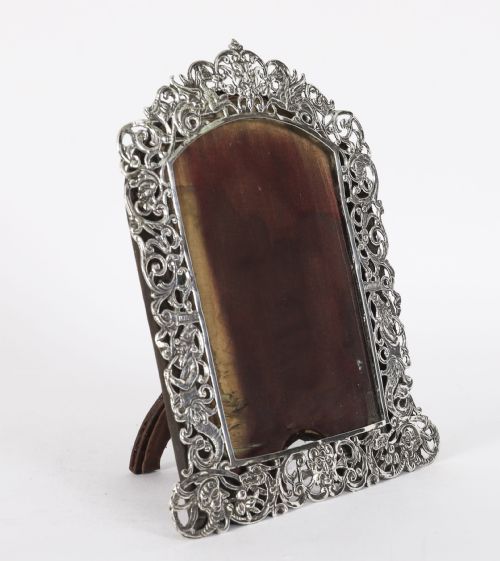
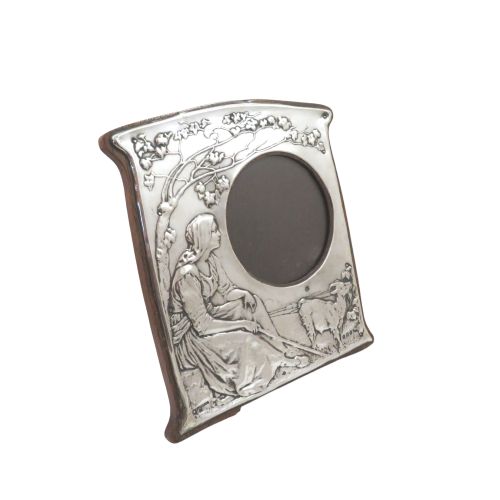
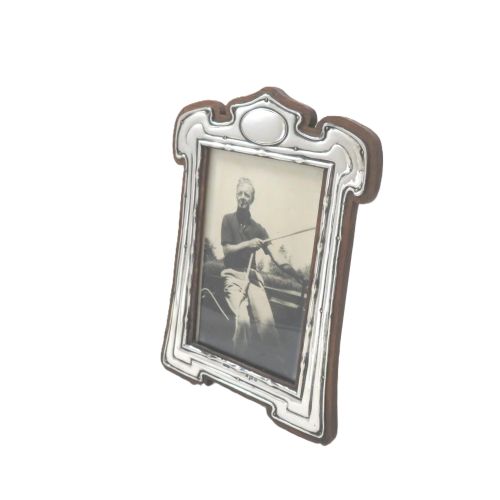
Makers adapted contemporary tastes into metalwork, producing everything from plain polished borders to flowing Art Nouveau designs. Frames designed to hold photographs sit alongside rarer variations such as double frames and locket pendants.
Materials and Construction
Silversmiths constructed the primary mount using sterling silver sheet, frequently embellished with embossed decoration, chased motifs, or applied enamel. This metal front was fastened around a wooden inner core that provided structural rigidity.
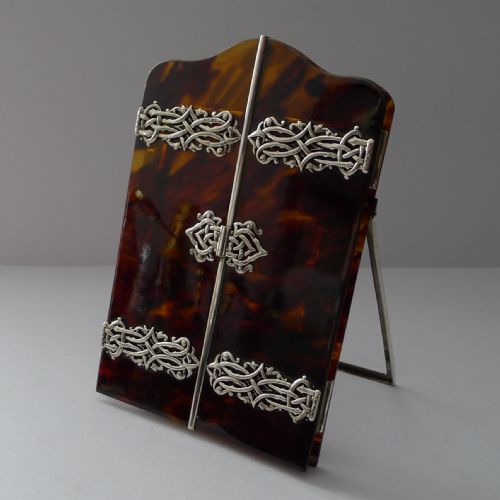
A turned wooden or leather backboard held the glass and photograph in place, supported by a folding hinged strut. Velvet or fabric often lined the reverse, while specialised items incorporated tortoiseshell or glass top screw elements.
Edwardian Photo Frames Retail Price Guide 2026
Typical asking prices for edwardian photo frames among the pieces listed under this phrase on Sellingantiques today, from the lower quarter to the upper quarter. They describe what is for sale here now, not the wider market.
Factors of Quality
The weight and thickness of the sterling silver sheet dictate the primary division in quality across these objects. Heavier gauge metal resists bending and maintains crisp detail in embossed or chased motifs.
The complexity of the design and the clarity of the assay hallmarks also distinguish finer examples. Retaining the original wooden backboard and functioning easel strut maintains the integrity of the piece.
Rosenthal Jacob And Co·William Comyns·William Hutton And Sons·Mappin Bros·Wi Broadway And Co
The Edwardian Photo Frames Glossary
- Sterling Silver
- An alloy containing 92.5 percent silver by mass, forming the primary metal body for the majority of these frames.
- Hallmark
- A series of official marks stamped on precious metals indicating the maker, assay office, and year of testing.
- Easel Strut
- The hinged rear support leg that allows a frame to stand upright on a flat surface.
- Art Nouveau
- A decorative style characterised by flowing, organic lines and floral motifs, frequently seen on early twentieth-century silver borders.
- Chasing
- A metalworking technique where patterns are hammered into the front surface of the silver without removing material.
Edwardian Photo Frames: Frequently Asked Questions
How do I date a silver photo frame?
Check the hallmarks stamped on the silver border, which reveal the assay office and the specific year letter code. Comparing the decorative style, such as Art Nouveau curves or plain Edwardian borders, helps confirm the period.
Makers' marks further narrow down the production era by linking the piece to a registered silversmith's working dates.
Can these frames hold modern photographs?
Most frames accommodate standard photographic prints by removing the rear velvet or wooden backboard and glass. Standard historic dimensions often align closely with modern print sizes, though slight trimming may be necessary.
Care should be taken when opening old hinged backs to avoid stressing the original materials.
How should I clean a silver frame?
Use a soft microfibre cloth and a gentle silver cleaning cream designed for antiques to remove tarnish. Avoid applying liquid polish directly near fabric linings, wood backboards, or enamel sections.
Regular light dusting preserves the polished finish without wearing down embossed details or hallmarks.
What styles are common in this category?
Designs range from plain polished silver borders to elaborate Art Nouveau motifs featuring figures, flowers, and insects. Variations also include embossed rococo revival patterns and geometric George V styles.
Alternative materials such as leather, wood, and ormolu damask appear alongside traditional silver mounts.