

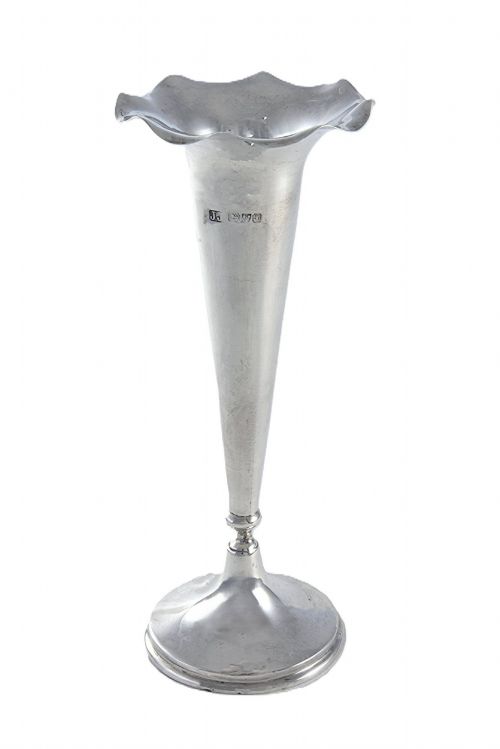
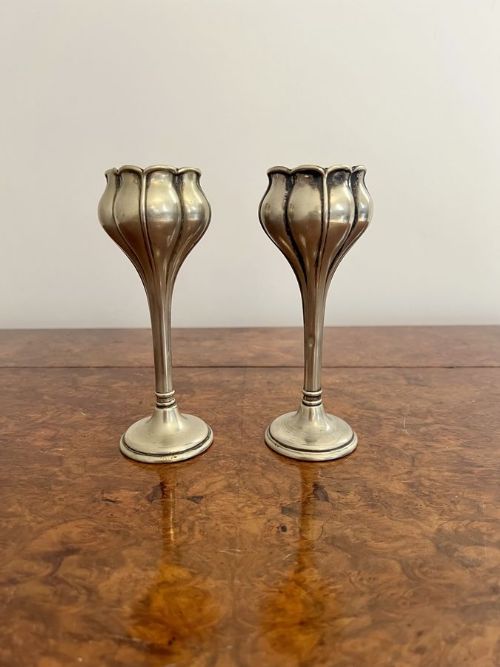
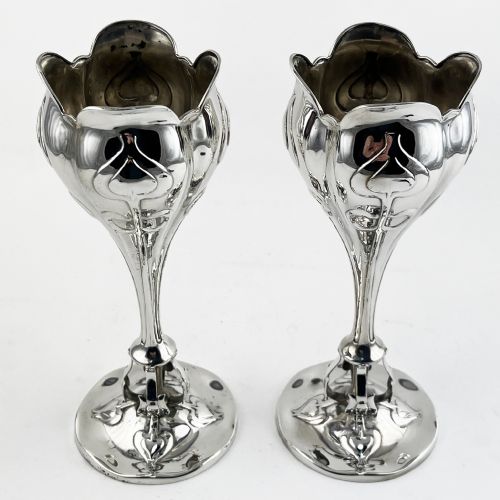


Edwardian Silver Flower Vase
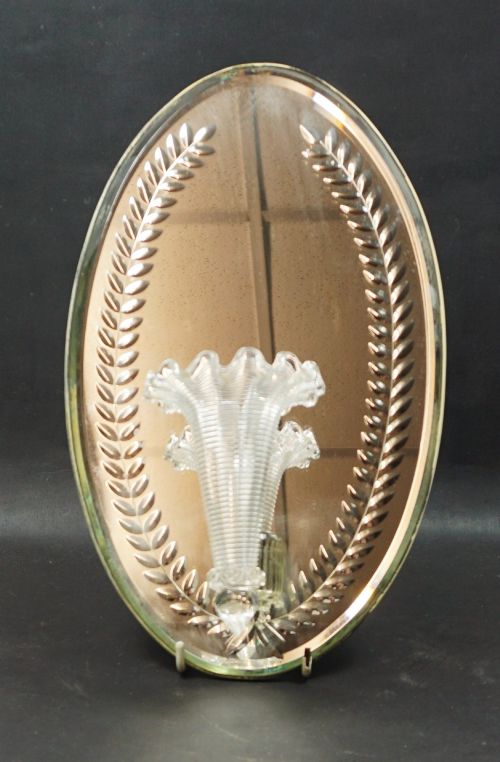
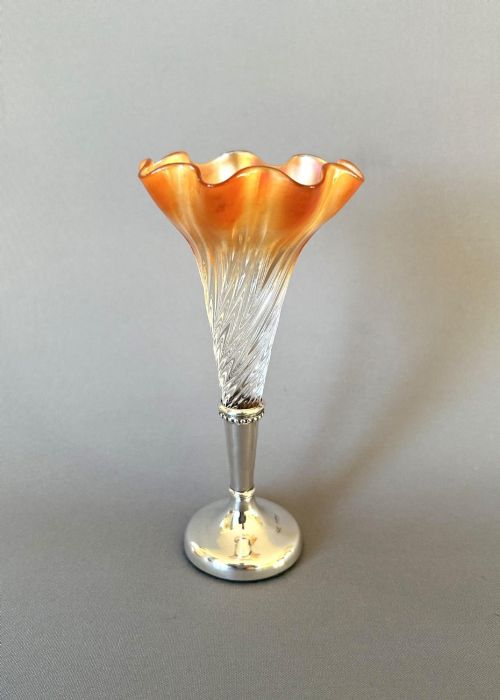
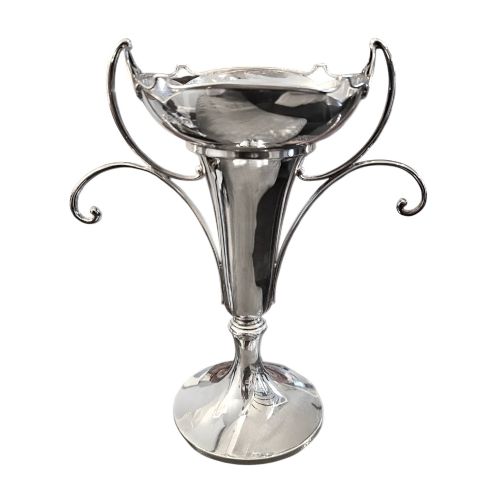
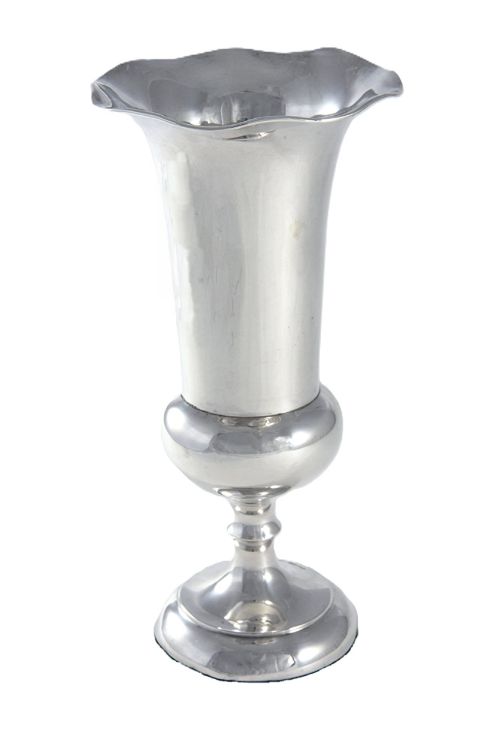
These edwardian silver flower vase examples bring delicate floral display to a table, combining solid metalwork or plate with glass liners.
Edwardian Silver Flower Vase
When searching for an edwardian silver flower vase, buyers encounter items from the Edwardian era alongside pieces from 1890, the Victorian period, and 1920. These pieces primarily take the form of posy vases, spill vases, trumpet vases, and multi-fluted epergnes or centrepieces.
How they were made
The evidence shows construction in sterling silver and electroplated nickel silver, often abbreviated as EPNS, paired with clear cut glass and green glass liners. Makers utilised metalworking techniques to shape trumpet forms, crimped borders, and multi-fluted frames.
Silver plating on base metals provided an accessible alternative to solid sterling construction during the late nineteenth and early twentieth centuries. Glass components were blown or moulded to fit snugly within the silver mounts and bases.
Edwardian Silver Flower Vase Retail Price Guide 2026
Typical asking prices for edwardian silver flower vase among the pieces listed under this phrase on Sellingantiques today, from the lower quarter to the upper quarter. They describe what is for sale here now, not the wider market.
Styles spanning the listings include Edwardian, Art Nouveau, and Victorian designs.
What varies in quality
Quality differences appear in the weight of the metal and the presence of full hallmarks rather than basic plating. Solid silver pieces and marked sterling items sit apart from electroplated alternatives.
The integration of original glass liners, such as green glass inserts or cut glass flutes, alters the substance of a piece. Finer examples display substantial proportions and crisply executed Art Nouveau or Edwardian detailing.
Goldsmiths & Silversmiths·Daniel & Arter
The Edwardian Silver Flower Vase Glossary
- Sterling silver
- A standard of silver containing 92.5 percent pure silver by mass, widely utilised for hallmarked vessels.
- EPNS
- Electroplated nickel silver, a common base metal method covered with a thin layer of silver.
- Epergne
- An ornamental centrepiece table vessel featuring multiple flutes or branches for holding flowers.
- Spill vase
- A tall, slender container designed originally to hold taper spills for lighting fires or lamps.
- Posy vase
- A small vessel intended for holding a short bunch of cut flowers on a table.
Edwardian Silver Flower Vase: Frequently Asked Questions
What is an edwardian silver flower vase used for?
These vessels were created to display cut flowers on dining tables, mantelpieces, and sideboards during the early twentieth century. Their slender proportions kept blooms upright and arranged.
Many styles, such as posy vases and epergnes, also functioned as decorative centrepieces when empty, catching the light in a formal room.
How do I know if it is solid silver?
Check the body of the piece for hallmarks, which indicate sterling silver standards and assay office marks like Chester. Items marked as EPNS or silver plated consist of a base metal beneath a thin silver coating.
Weight can also offer a clue, as solid silver vessels feel heavier and often require weighted bases to support tall trumpet forms.
What is a glass liner used for?
Glass liners sit inside the silver frame to hold water and plant stems safely without corroding the metal exterior. They also protect delicate openwork or pierced silver designs from moisture.
Coloured glass liners, such as green glass inserts, add an extra layer of contrast beneath open silver scrollwork or floral motifs.
Are these pieces from the Edwardian period?
The selection includes pieces dated around 1900, 1910, and the broader Edwardian era, alongside a few late Victorian and 1920s examples. Stylistic details like Art Nouveau curves often overlap across these dates.
Matching dates to hallmarks helps confirm the exact decade of manufacture for hallmarked sterling items.