


Victorian Photo Frame
These Victorian photo frame pieces hold your cherished portraits in sterling silver, gilt bronze, and velvet, bringing period character to any mantelpiece.
Victorian Photo Frame
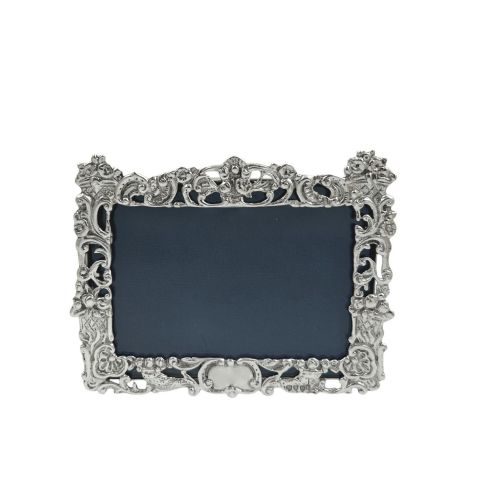
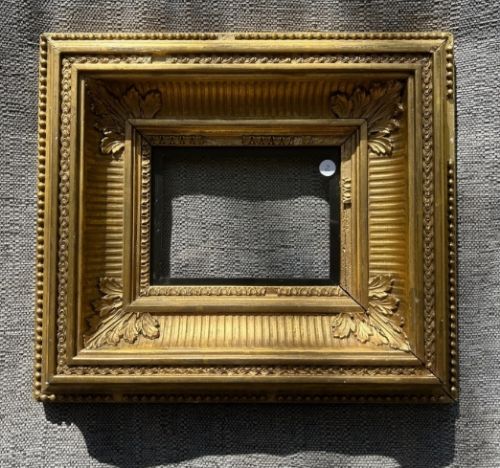
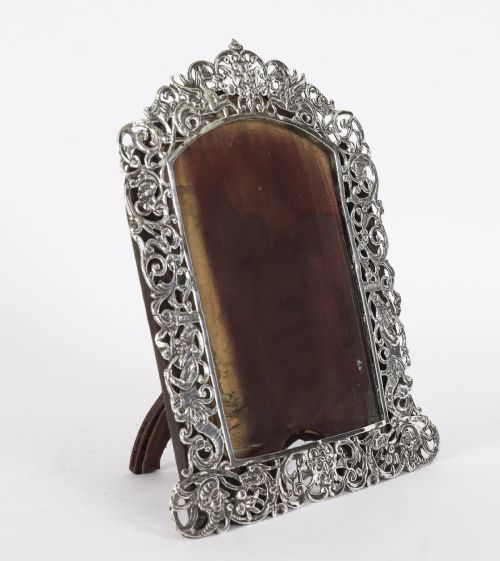
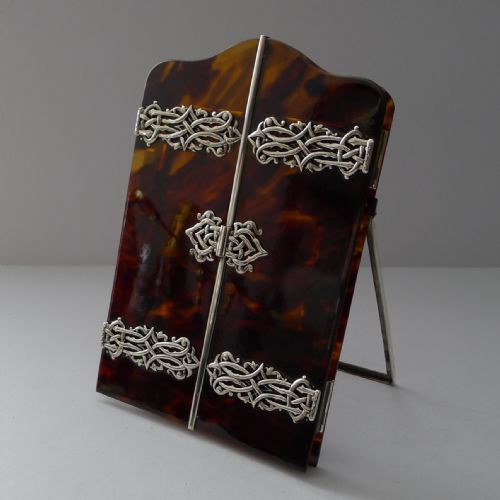
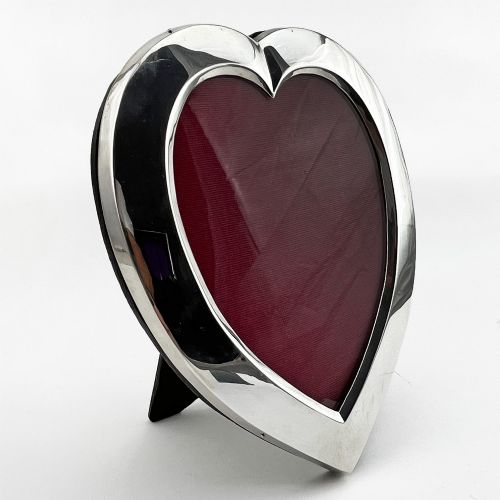
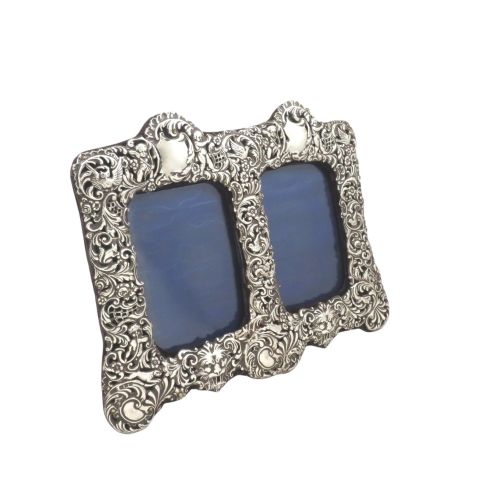
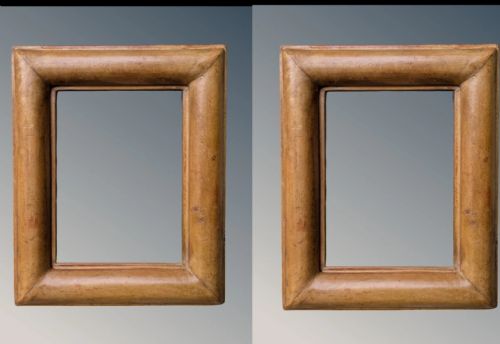
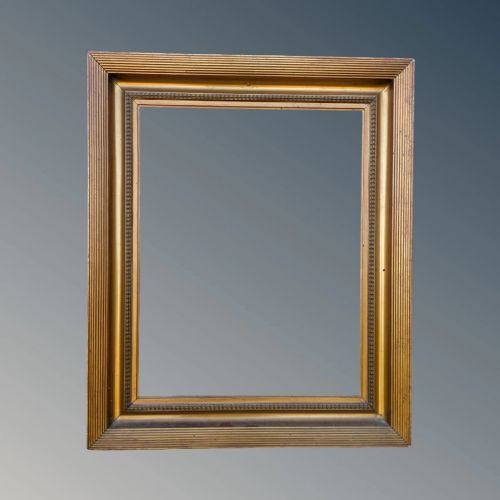
The selection here encompasses sterling silver, brass, gilt bronze, and carved giltwood. These items range from plain polished designs to heavily pierced and embossed decorative objects.
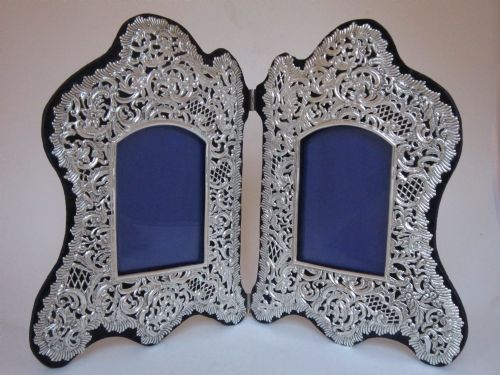
Most examples originate from the Victorian era, spanning specific decades up to nineteen hundred. Collectors encounter single portraits, double holders, and triple picture configurations.
Materials and Construction
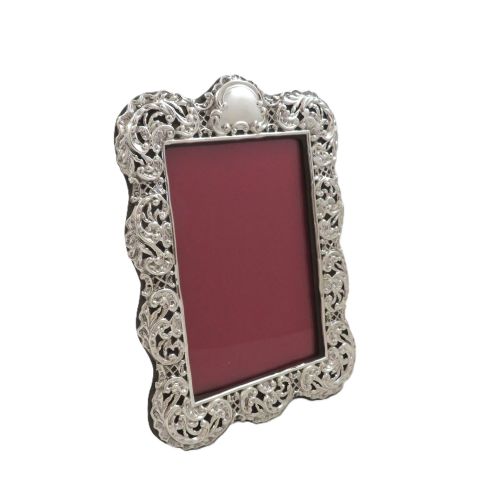
Silversmiths utilised sterling silver for sheet work, casting, and piercing, often mounting these metals onto wooden backs lined with silk or velvet. Brass and gilt bronze provide heavier structural foundations for intricate metalwork.
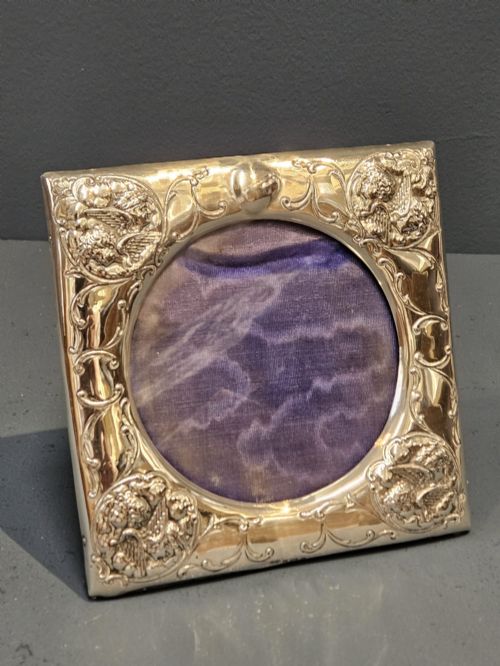
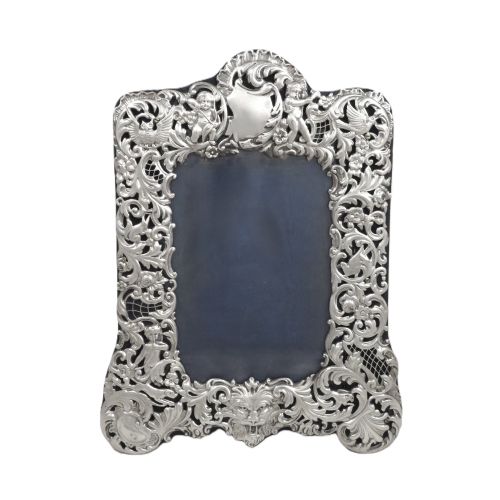
Decoration relied on embossing, engraving, and planishing techniques to create cherubs, scrolls, and floral motifs. Giltwood and gesso frames incorporate carved wooden details finished with applied gold leaf.
Victorian Photo Frame Retail Price Guide 2026
Typical asking prices for victorian photo frame among the pieces listed under this phrase on Sellingantiques today, from the lower quarter to the upper quarter. They describe what is for sale here now, not the wider market.
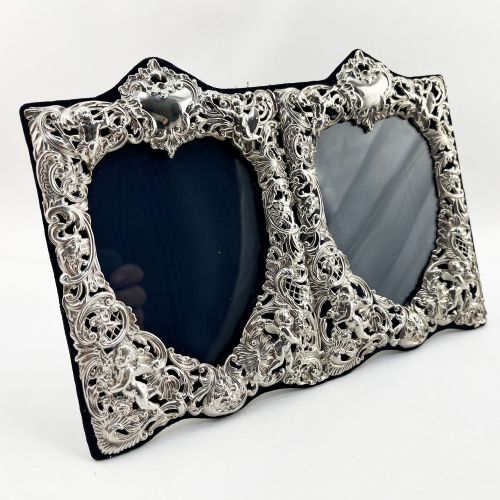
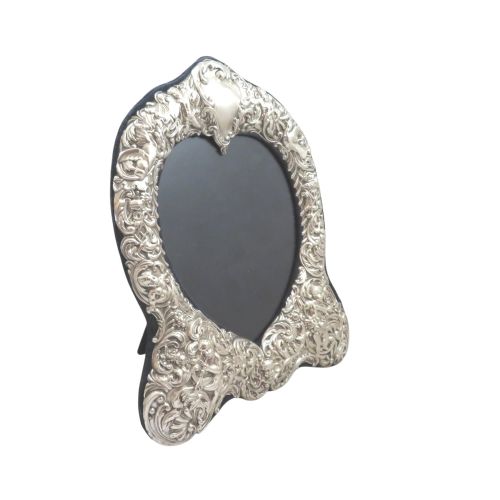
Cherubs peer out from embossed silver borders, watching over desks since eighteen ninety.
Judging Quality
Depth and crispness of detail define the distinction in metalwork, particularly where embossed cherubs, ribbons, and floral borders appear. Sharply struck hallmarks and heavy gauge silver indicate superior craftsmanship compared to thin, pressed alternatives.
The integrity of backing materials, original glass, and structural easel supports influences the overall standard. Pieces retaining intact velvet linings and secure hinges demonstrate better preservation over time.
William Comyns·John Joseph Mechi·Mappin Bros
The Victorian Photo Frame Glossary
- Sterling silver
- A silver alloy containing ninety-two point five percent pure silver by mass, standard for quality British plate during the period.
- Embossed
- Ornamented with raised patterns pressed or hammered into the metal surface from behind.
- Gilt bronze
- Bronze objects coated with a thin layer of gold, providing a durable metallic lustre.
- Planished
- Metal finished with smooth, flat hammer marks that create a subtle textured sheen across the surface.
- Micro mosaic
- Intricate artwork assembled from tiny coloured glass tesserae, often set into Italian frames.
- Easel back
- A hinged support strut attached to the rear of a frame allowing it to stand upright on a flat surface.
Victorian Photo Frame: Frequently Asked Questions
How do I date a Victorian photo frame?
Examine the stamped hallmarks on the silver elements for assay office symbols and date letters corresponding to specific years. Stylistic clues like Art Nouveau curves or heavy Rococo revival scrolling also help narrow down the decade of production.
Makers' marks provide further confirmation when cross-referenced against historical silversmith records from the nineteenth century.
Were these frames meant for desks or walls?
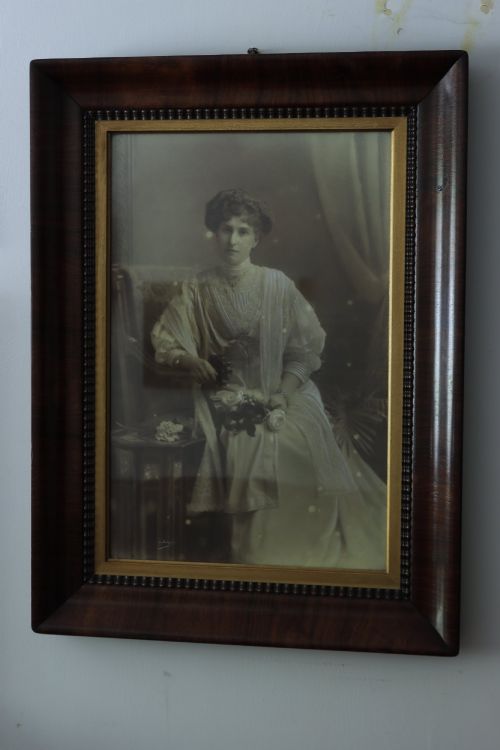
Both formats exist within this tradition, featuring either hinged easel struts for tabletop placement or integrated rings for hanging. Many metal and velvet examples were designed primarily for upright desk display.
Wall hanging variants typically include secure mounting loops attached to their wooden or fabric-lined backs.
What are heart shaped frames made from?
Heart shaped designs are predominantly constructed from sterling silver featuring embossed or pierced decoration around the aperture. They frequently incorporate velvet or silk backing panels with folding easel supports.
These sentimental objects were popular gifts during the late nineteenth century for holding intimate portraits.
How should I clean a silver frame?
Use a soft, non-abrasive cloth specifically formulated for sterling silver to gently remove tarnish from embossed details. Avoid harsh chemical dips that can strip away the original patina or damage surrounding velvet and silk linings.
Professional care ensures the delicate structural elements and hallmarks remain intact for future generations.