
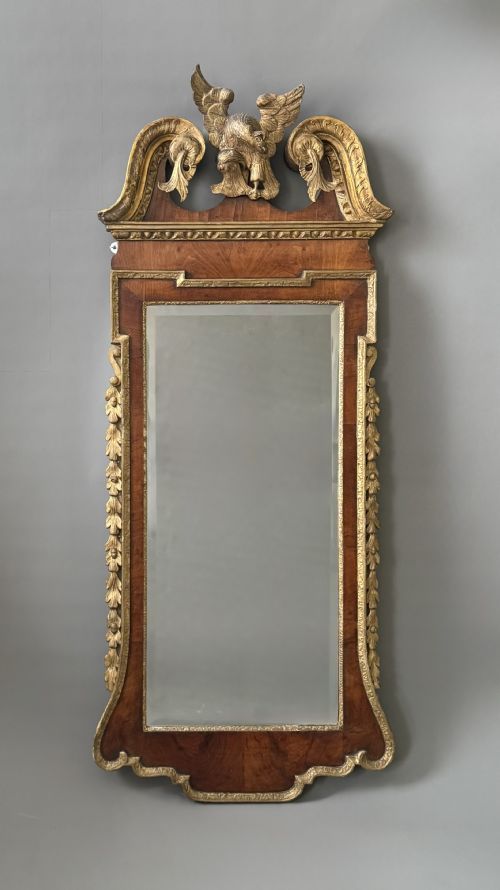
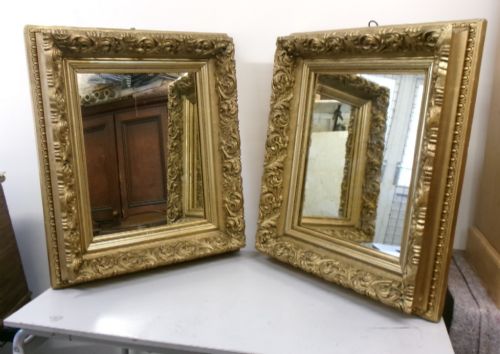


Gilt Wood Frame
A gilt wood frame holds mirrors and oil paintings across centuries of British, French, and Italian design.
Gilt Wood Frame
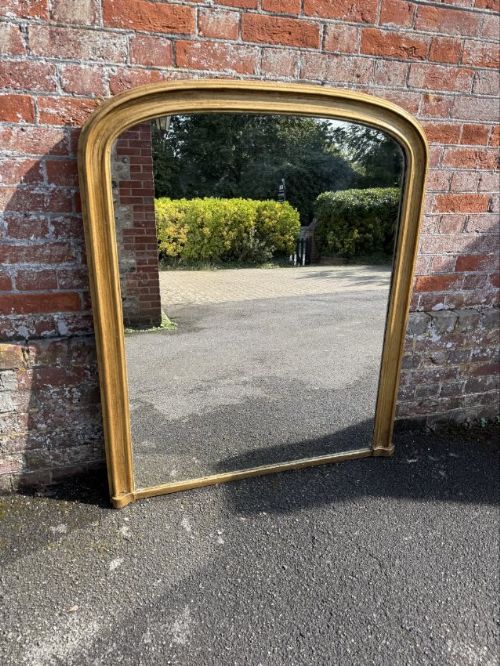
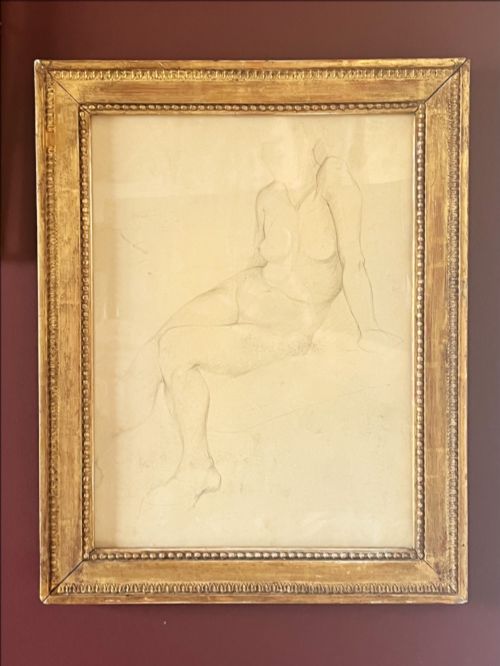
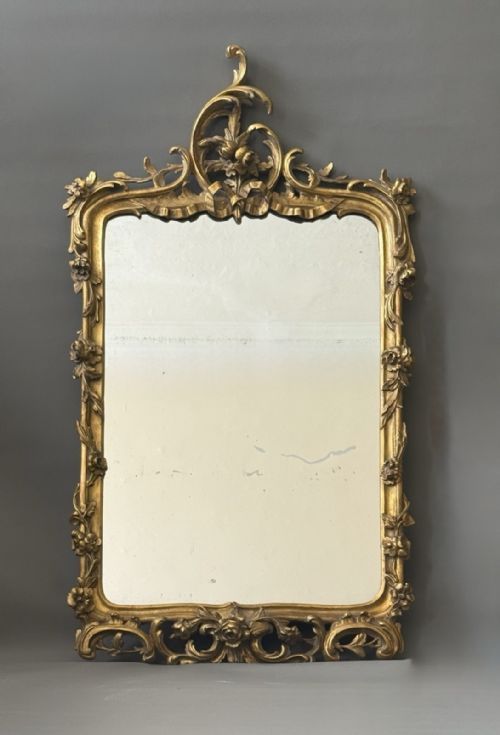
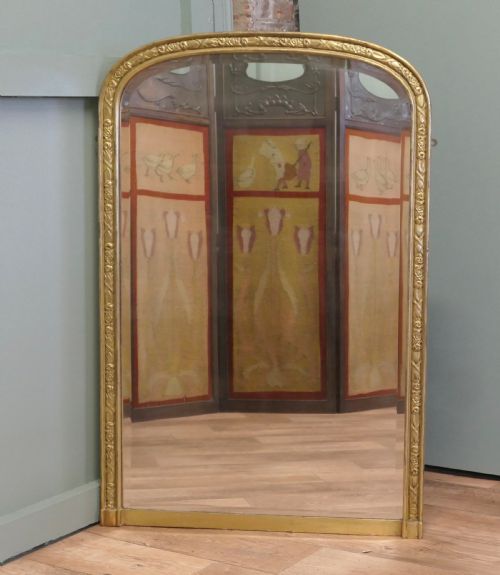
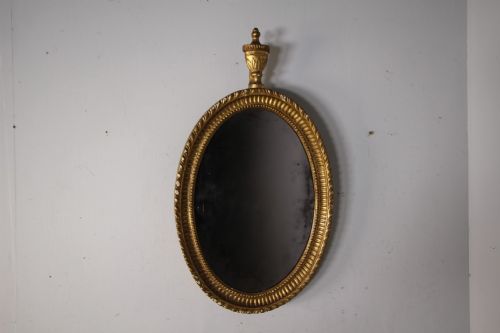
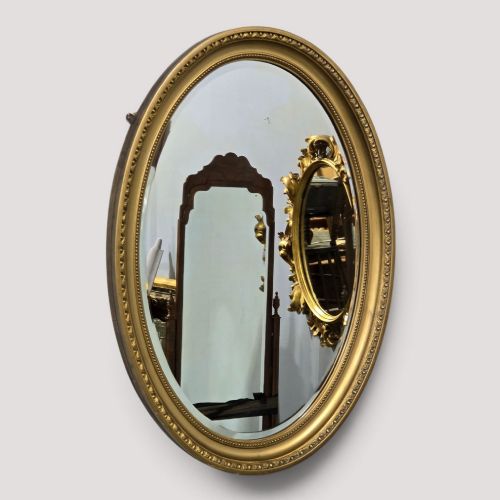
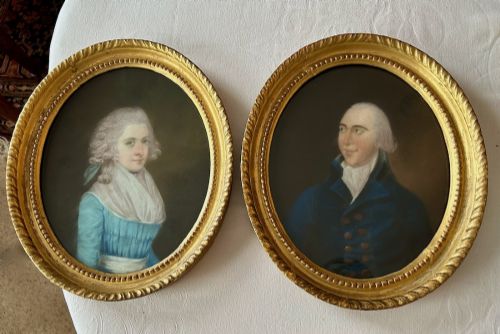
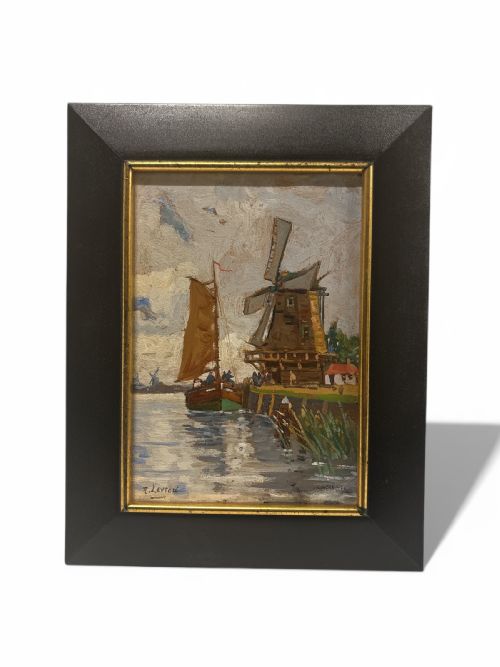
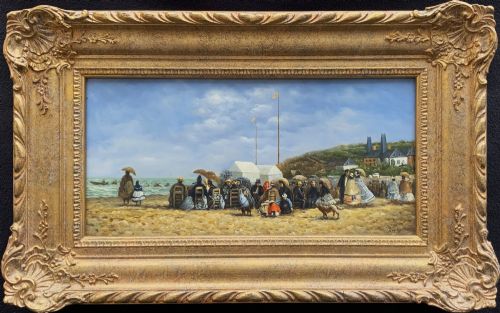
A gilt wood frame surrounds mirrors, oil paintings, pastels, and drawings from the eighteenth, nineteenth, and early twentieth centuries. These decorative objects span domestic wall mirrors, large overmantle mirrors, pier glass, and framed artwork created in Georgian, Regency, Victorian, and French Neoclassical styles.
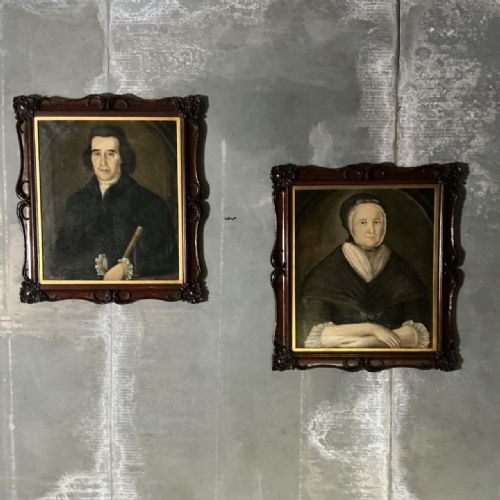
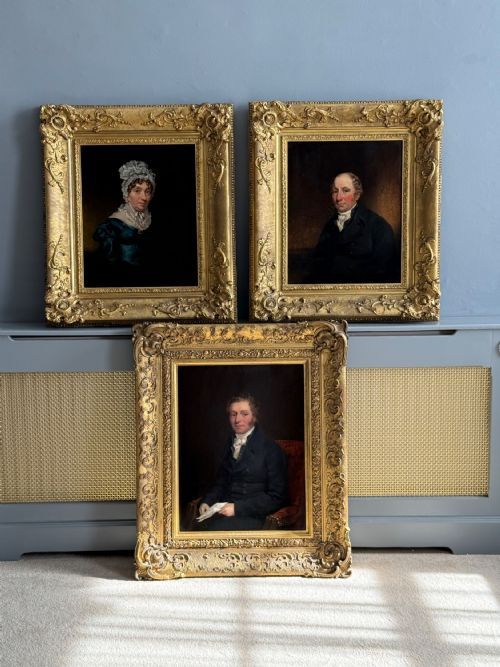
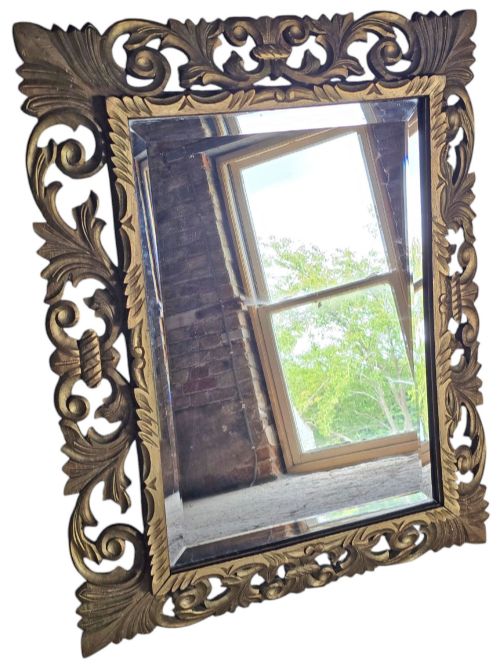
The pieces appearing most frequently on this page are nineteenth-century English overmantle mirrors with carved wood and gesso ornamentation, alongside French giltwood wall mirrors and Florentine picture frames. Collectors also encounter eighteenth-century portraits and nineteenth-century landscape oil paintings housed in their original gilt surrounds.
How they were made
Makers shaped the timber frames from wood and applied layers of gesso to build up decorative mouldings, reliefs, and ornate scrollwork. Carvers worked directly into the timber or the gesso layer to achieve acanthus leaf, rope twist, or ribbon motifs before guilders applied gold leaf or paint.
Mirrors utilised antique glass plates, including mercury glass, secured within timber rebates behind the carved and gilded surrounds. Oil paintings and pastels on canvas, panel, or paper were mounted directly into matching swept and decorative frames.
Gilt Wood Frame Retail Price Guide 2026
Typical asking prices for gilt wood frame among the pieces listed under this phrase on Sellingantiques today, from the lower quarter to the upper quarter. They describe what is for sale here now, not the wider market.
Materials recorded across the inventory include solid wood, gesso, gold leaf, mercury glass, canvas, and paper.
What varies in quality
Depth of carving and sharpness of detail separate standard frames from exceptional examples. Hand-carved timber and layered gesso relief retain crisp architectural lines and botanical motifs, whereas massed composition ornament can appear softened.
The integrity of the original gilding and the survival of period mirror plates define the standing of a piece. Original gold leaf surfaces show subtle patination, while later repaint alters the historical character.
Joseph Clover RA·Emily Eyres·William Howard Hardy·R Leyton·Chapman Brothers Chelsea
The Gilt Wood Frame Glossary
- Gesso
- A plaster-like mixture applied to wood frames to provide a smooth base for carving intricate surface ornamentation before gilding.
- Giltwood
- Timber that has been coated with gold leaf or metallic powder to create a rich, reflective golden surface.
- Overmantle mirror
- A large wall mirror specifically designed to hang above a domestic fireplace mantelpiece.
- Pier glass
- A tall, narrow mirror designed to be mounted on the wall space between windows.
- Mercury glass
- An early type of double-walled glass blown with a silvering mixture inside, producing a mottled, reflective appearance.
- Girandole
- A decorative wall mirror featuring attached candle sconces that reflect candlelight into the room.
Gilt Wood Frame: Frequently Asked Questions
How do I date a gilt wood frame?
Dating relies upon construction methods, timber types, and stylistic indicators such as Regency reeding or Victorian acanthus leaf decoration. Examining the backboards, fixings, and gesso application helps establish the period of manufacture.
Changes in mirror glass production also assist dating, as antique mercury plates and early bevelled edges differ noticeably from later modern glass replacements.
Where should I hang an overmantle mirror?
These large mirrors are traditionally proportioned to hang directly above a fireplace mantelpiece to anchor the room. Their scale makes them effective focal points on principal living room walls.
Ensuring secure wall fixings is essential due to the combined weight of the timber, gesso, and glass.
Are the mirror plates original?
Many eighteenth and nineteenth-century frames retain their original antique glass plates, which often display characteristic silvering loss and minor foxing. These age marks confirm the period authenticity of the mirror.
Replacement glass is occasionally fitted during historic maintenance or restoration to improve reflection clarity.
How do I care for antique gilding?
Dusting gently with a dry, soft brush prevents the accumulation of dirt without disturbing fragile gold leaf or gesso surfaces. Moisture and chemical cleaners should be avoided entirely to protect the historic finish.
Keeping frames away from direct heat sources and strong sunlight preserves the stability of the timber and prevents the gesso from drying out.