



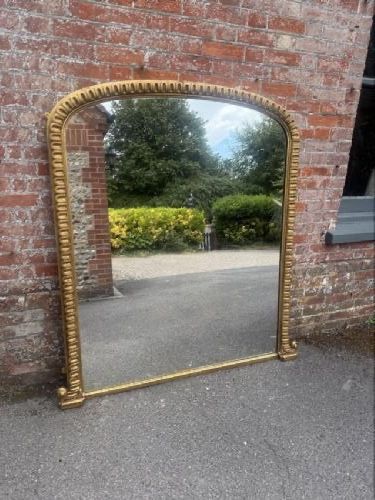
Decorative Wall Frame
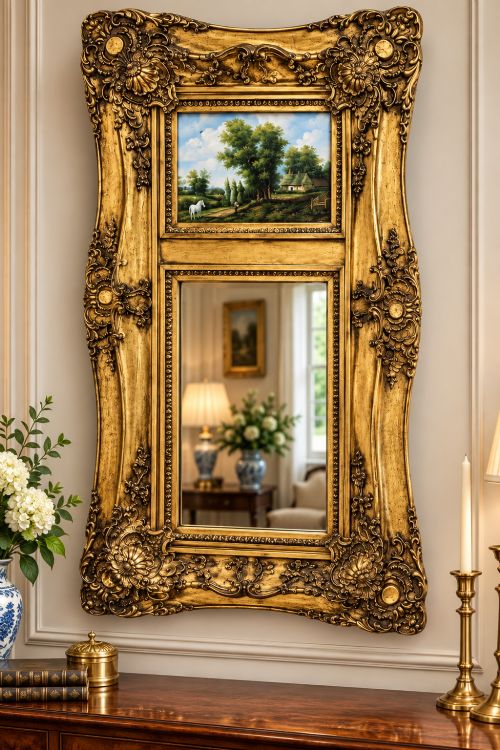
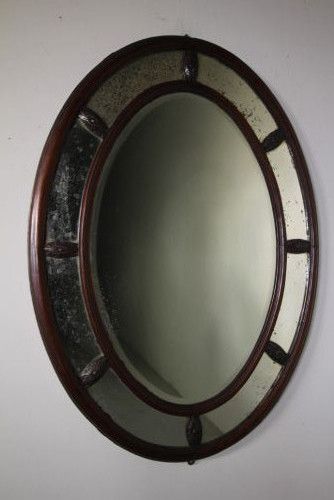
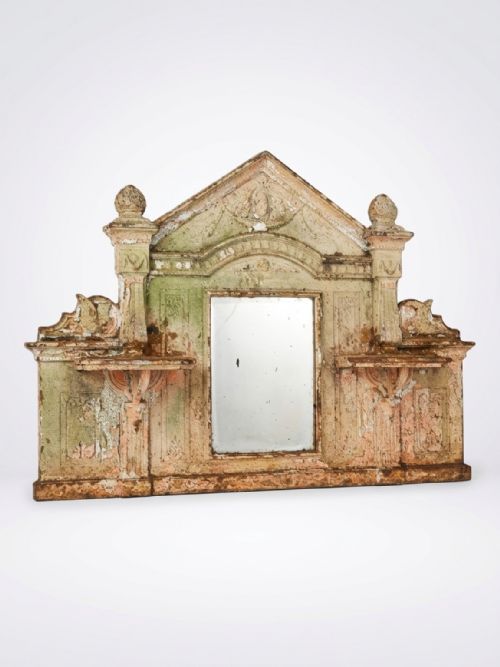
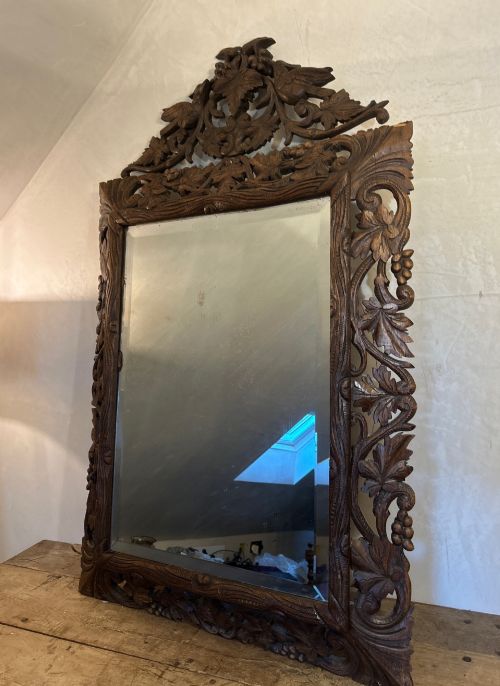
These decorative wall frame pieces bring historic character to a room through carved woodwork, gilded surfaces and framed art.
Decorative Wall Frame
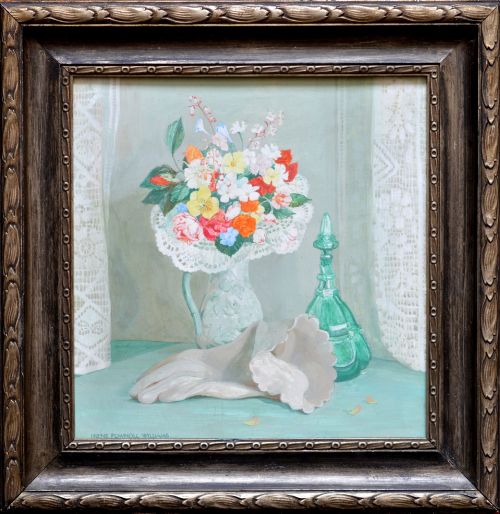
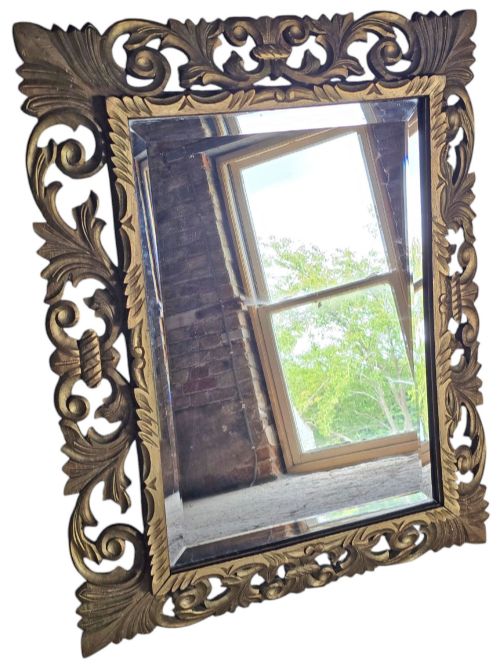
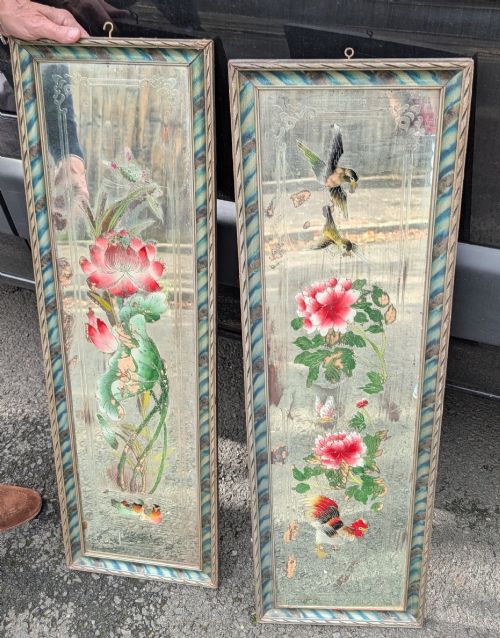
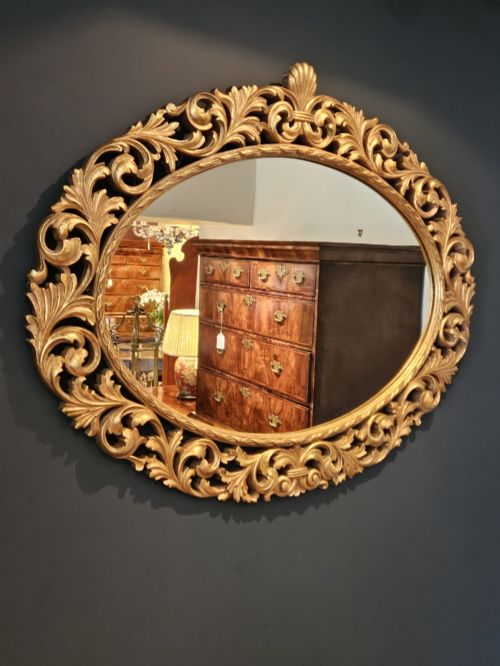
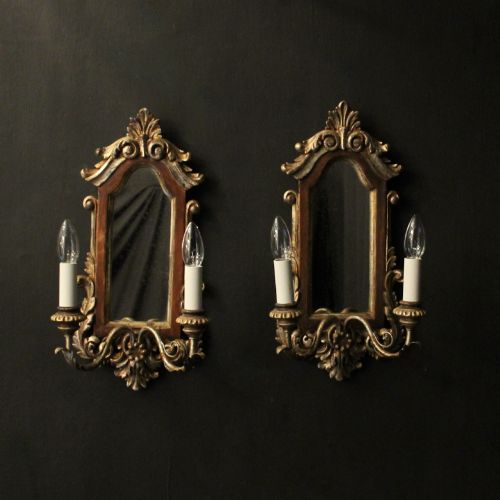
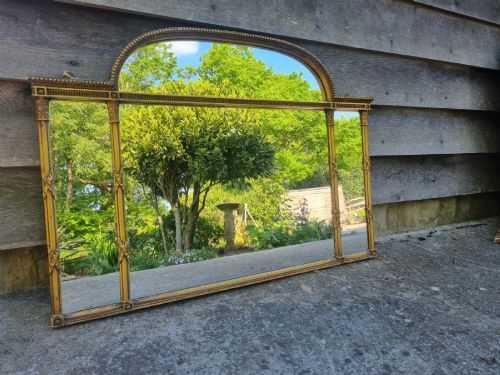
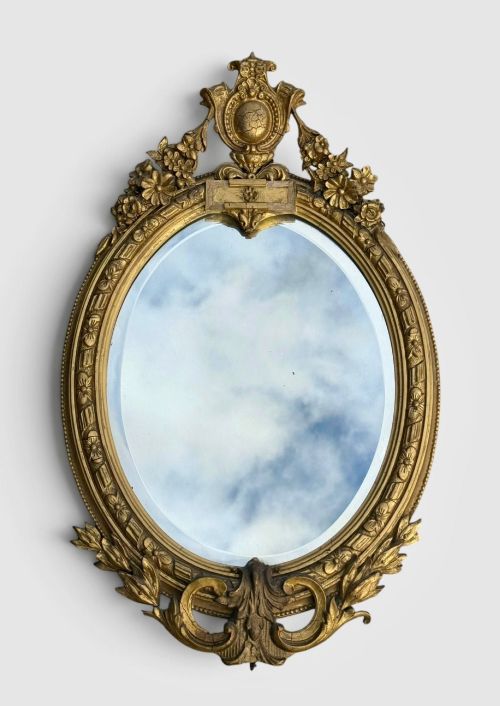
A decorative wall frame selection centres primarily on mirrors, including overmantels, girandoles and pier mirrors, alongside oil paintings, embroidered panels and framed prints.
The pieces span the 17th, 18th, 19th and early 20th centuries, drawing on styles such as Victorian, Regency, Rococo, Chinoiserie and Louis XVI Revival.
Originating from English country houses, French salons and Italian workshops, these items serve as focal points for interiors.
Materials and construction methods
Wood forms the primary structural base, utilising oak, walnut, mahogany and carved timber alongside gesso applied to build up relief ornamentation.
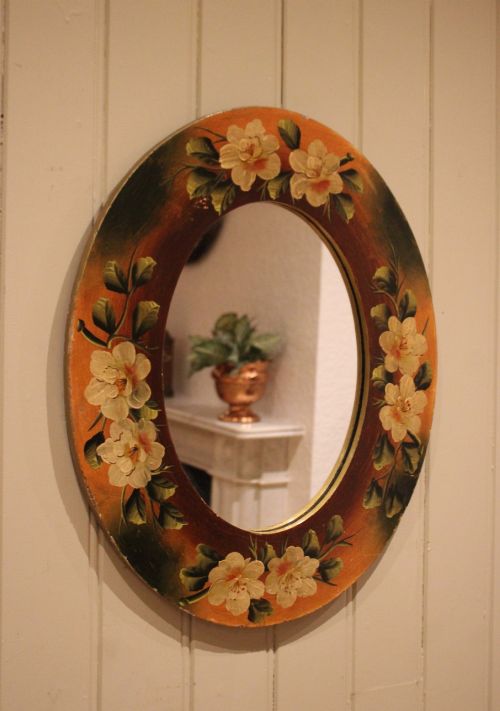
Surface decoration relies heavily on giltwood, gold leaf, paint and ebonisation, frequently paired with glass, mirror glass and Murano plates.
Listings feature items spanning the 17th century through to the 1930s, using materials including oak, mahogany, glass and gold leaf.
Distinctions in quality
Depth and crispness of hand-carved detail separate standard mouldings from superior carved wood and gesso ornamentation.
The richness of the gilding, the condition of the original glass plates and the integrity of the joinery determine the overall calibre.
The Decorative Wall Frame Glossary
- Giltwood
- Wood carved and coated with gold leaf. This finish defines many formal European mirrors and frames.
- Overmantel
- A large mirror or artwork designed to hang above a fireplace mantelpiece. These often feature substantial proportions.
- Gesso
- A plaster-like mixture applied to wood surfaces and carved before gilding. It allows for intricate relief decoration.
- Girandole
- A wall-mounted candle sconce incorporating a mirror plate. The reflective glass enhances the candlelight.
- Chinoiserie
- European artistic styles reflecting Chinese motifs and techniques. This aesthetic appears on lacquered and painted frames.
Decorative Wall Frame: Frequently Asked Questions
How do I hang a heavy antique overmantel mirror?
Heavy overmantel mirrors require secure wall fixings anchored directly into structural studs or masonry rather than standard plasterboard hooks.
Professional mirror hangers often utilise heavy-duty metal brackets distributed across the frame to support the considerable weight safely.
What rooms suit a giltwood decorative frame?
Giltwood frames work effectively in formal reception rooms, dining areas and hallways where reflective gold surfaces catch the natural light.
They also provide a striking contrast when placed against contemporary neutral walls in modern interior schemes.
How do I identify a Victorian mirror?
Victorian mirrors often display deep gesso ornamentation, ebonised timber finishes or heavy oak frames influenced by Gothic and Rococo revivals.
Examining the backboards, fixings and the composition of the glass helps confirm the mid-to-late nineteenth-century period.
Are framed oil paintings and mirrors cleaned differently?
Mirrors require gentle glass cleaner applied to a cloth rather than directly sprayed, avoiding moisture seepage behind the silvered plate.
Oil paintings need specialised conservation cleaning to protect the canvas and aged pigments from harsh chemical damage.