




Baroque Picture Frame
A baroque picture frame brings heavy carved presence to a wall, holding oil paintings, mirrors and prints with deep theatrical impact.
Baroque Picture Frame
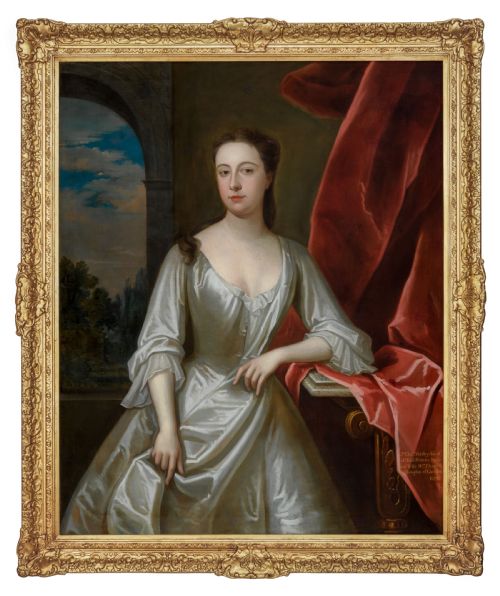
A baroque picture frame unites ornate decorative carving with commanding architectural scale, designed to frame portraits, religious scenes and wall mirrors. These pieces originate from periods spanning the seventeenth century through the nineteenth century, drawing on French, Italian and British stylistic traditions.
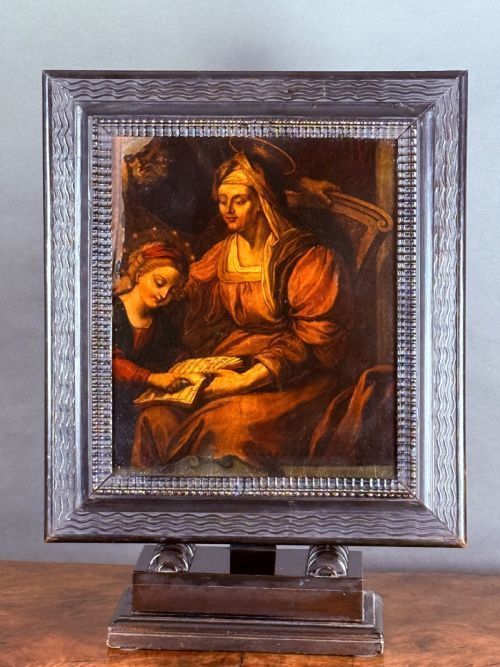
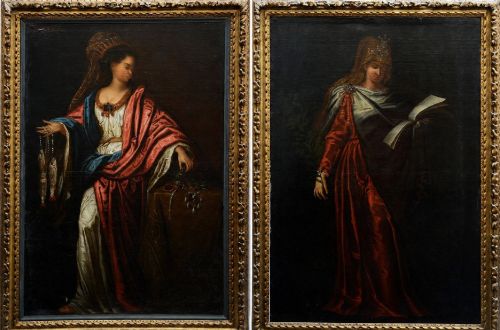
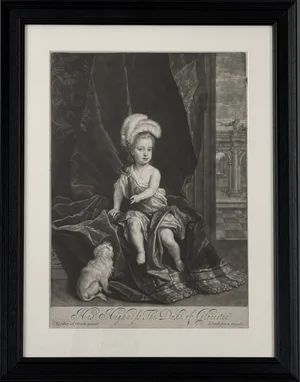
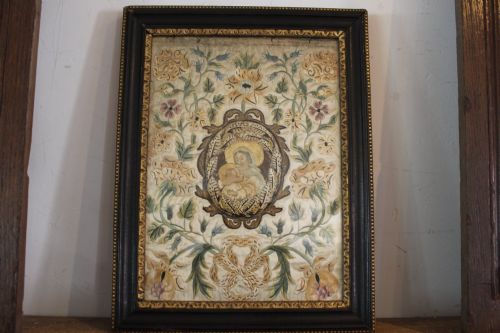
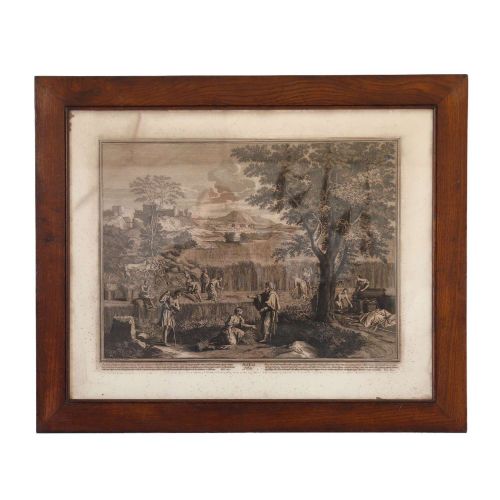
The versions met on this page range from carved giltwood and gesso structures to walnut mouldings and Florentine designs. Many enclose oil paintings, engravings or reverse glass prints, while others house mirrors or textile panels.
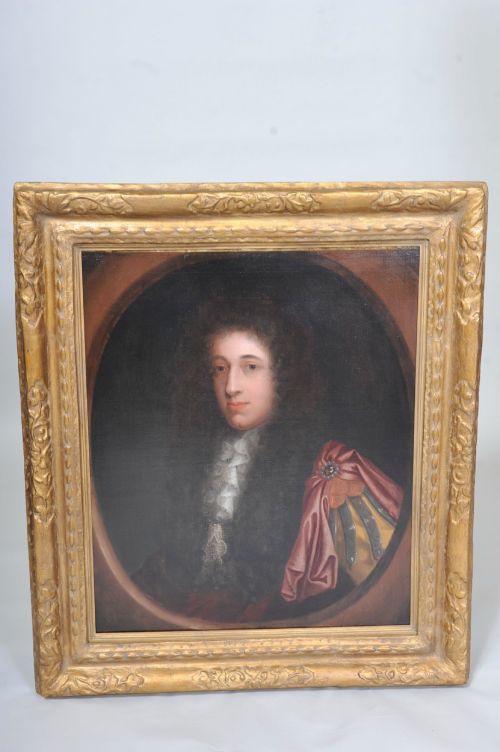
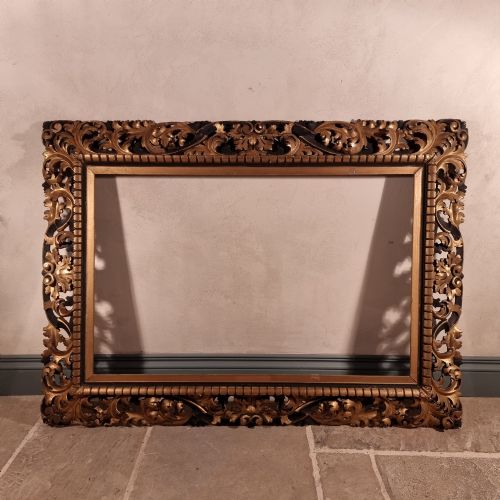
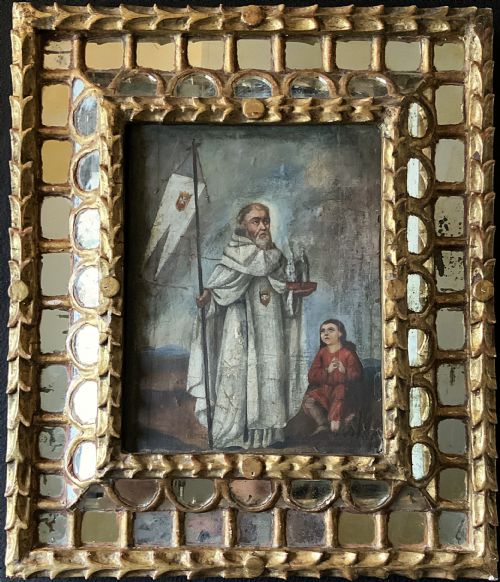
Physical forms vary from oval configurations to large rectangular profiles decorated with floral motifs or figural elements like lion heads. The aesthetic prioritises theatrical depth, swirling ornamentation and substantial presence over simple linear boundaries.
Materials and construction
Makers constructed the foundational structure from timber such as walnut or general wood, shaping the core profiles before applying surface ornament. Gesso was then laid over the wood base to build up low relief details and smooth grounds for gilding.
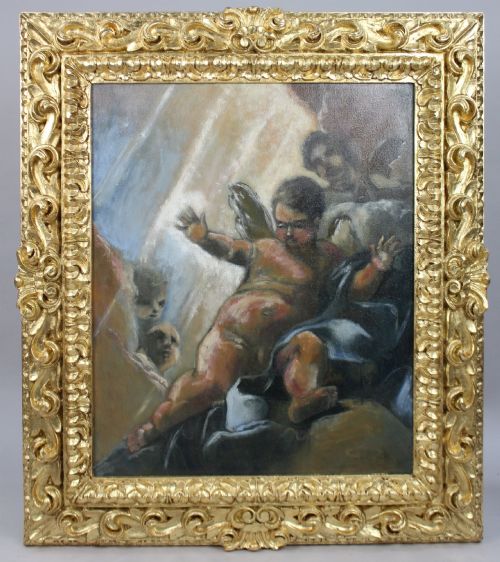
Gold leaf and giltwood finishes provided the reflective, luminous surface characteristic of the style, catching candlelight and natural illumination in period interiors. Carving directly into the wood or moulding the gesso allowed artisans to achieve deep acanthus scrolls, egg-and-dart patterns and sculptural corners.
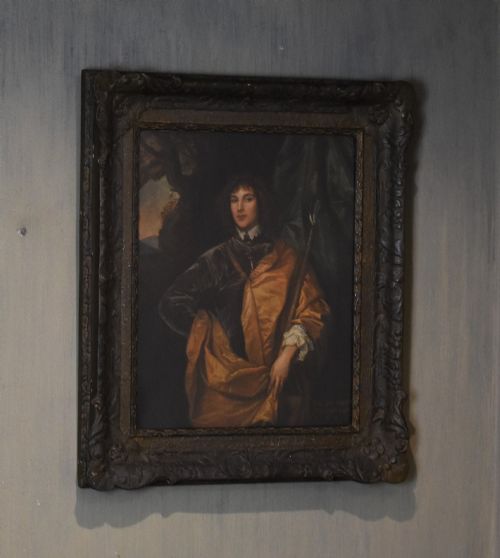
One unexpected frame once held a portrait of a gentleman in a green silk gown by Sir Peter Lely.
Distinguishing quality
Quality rests in the crispness of the hand-carved detail and the depth of the underlying gesso work relative to the wood substrate. Superior examples display sharply defined undercut foliage and confident asymmetry, whereas lesser pieces show blunt edges and heavy, flat modelling.
The integrity of the original gilt surface and the retention of early gilding layers over the gesso dictate the historical weight of the object. Substantial timber thickness and intact original joinery at the corners separate master workshop production from later adaptations.
Sir Godfrey Kneller·Sir Peter Lely·Sir Anthony van Dyck·Michael Dahl
The Baroque Picture Frame Glossary
- Giltwood
- Wood that has been coated with gold leaf over a prepared ground. This finish provides the bright reflective quality seen on formal wall frames and mirrors.
- Gesso
- A plaster-like mixture applied to a wooden base to create a smooth surface for gilding or to be moulded into relief ornamentation. It allows intricate three-dimensional decoration to be built up before the application of gold leaf.
- Florentine style
- A regional aesthetic originating in Florence characterised by pierced, deeply carved scrolling foliage and wide, flat profiles. These examples often incorporate rich gilding designed to project forcefully from the wall.
- Reverse glass meint
- A print transferred to glass and hand-coloured from behind, creating a smooth glossy surface. These delicate works frequently appear housed in period moulded frames.
- Cartagloria
- An altar card or liturgical text set within an ornate frame for display. These ecclesiastical pieces demonstrate the intersection of devotional use and decorative framing.
Baroque Picture Frame: Frequently Asked Questions
How do I hang a heavy carved frame?
Substantial timber and gesso construction adds significant weight, requiring secure wall anchors fixed directly into masonry or heavy studwork. Heavy brass mirror plates or reinforced wire rated for high loads provide the necessary support.
Position the hanging point at eye level to balance the visual weight of the carving against surrounding furniture. Ensure the wall surface is flat so the frame sits flush without twisting the mitred corners.
Can I put a modern mirror inside an antique frame?
Placing a contemporary mirror plate inside an antique moulding is common practice when the original glass is missing or degraded. Ensure the rebate depth can safely accommodate the new glass alongside protective backing boards.
Use non-acidic materials behind the glass to prevent moisture retention and chemical interaction with the old wood or gesso. Professional framing techniques protect the inner rebate from being crushed by modern fixing clips.
How do I date a carved wooden frame?
Dating relies on examining the tool marks left on the reverse timber, the composition of the gesso layer, and the style of the corner joints. Hand-cut rebates and old pine or walnut substrates point towards earlier centuries of production.
Stylistic shifts in the carved ornament, from seventeenth-century strapwork to later revival flourishes, help narrow the period of manufacture. Cross-referencing the sizing and proportions with contemporary canvas formats confirms the intended historical context.