




Gold Carved Frame
A gold carved frame brings warmth and rich texture to an interior, housing centuries of fine mirrors and oil paintings.
Gold Carved Frame
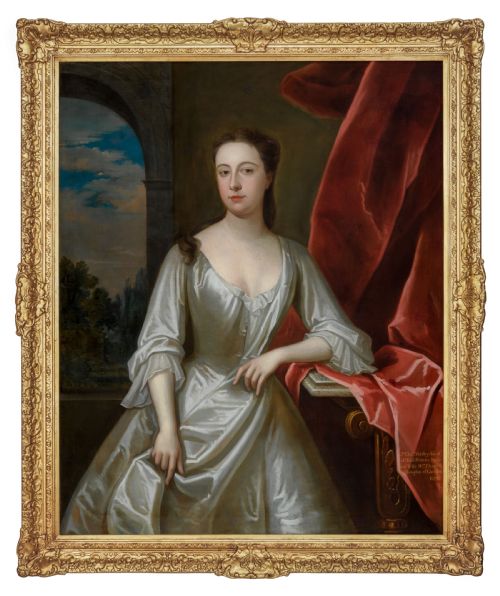
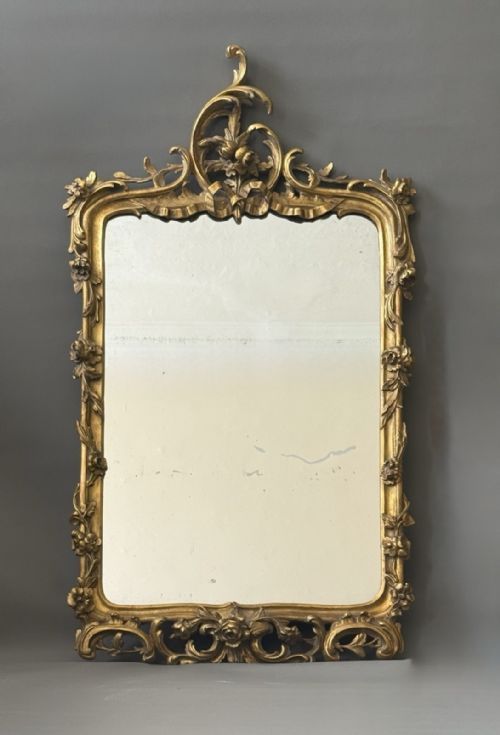
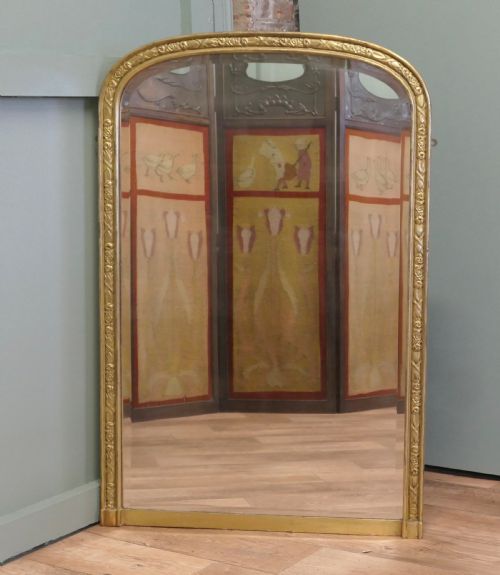
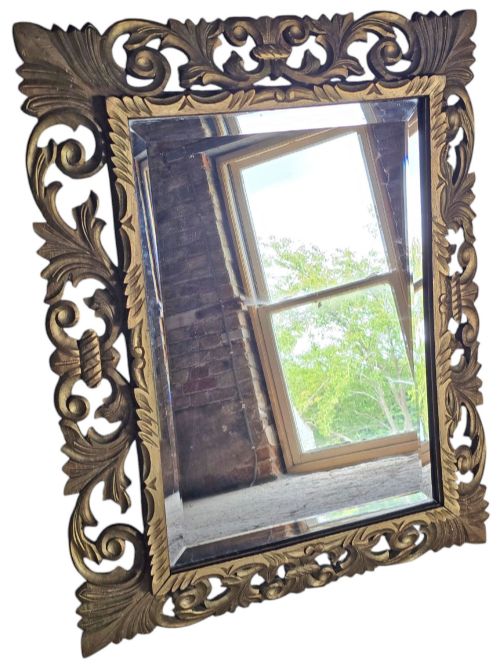
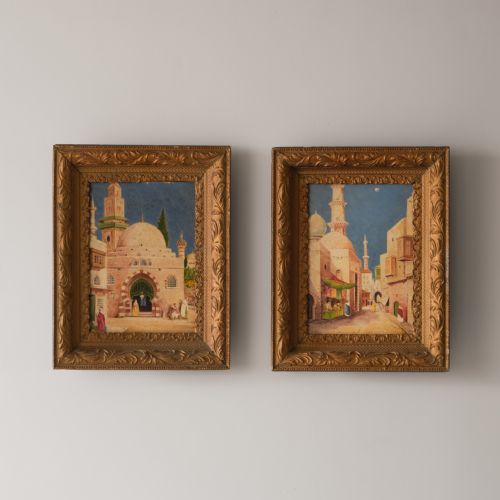
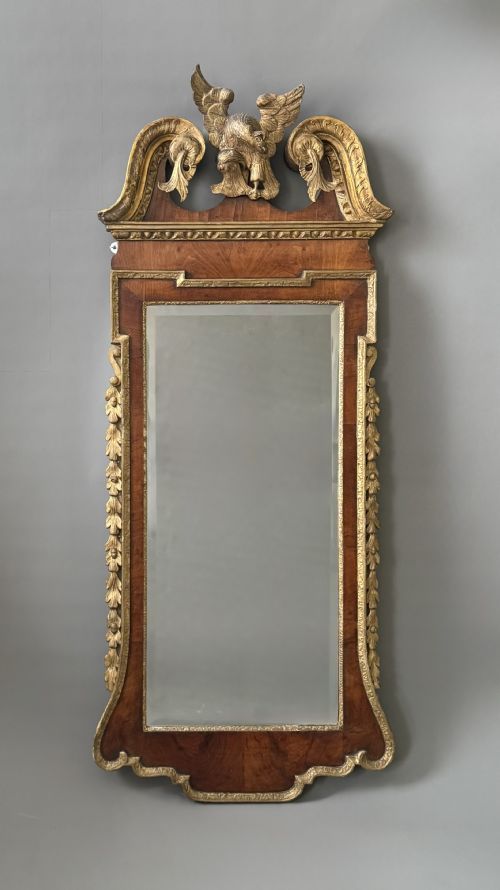
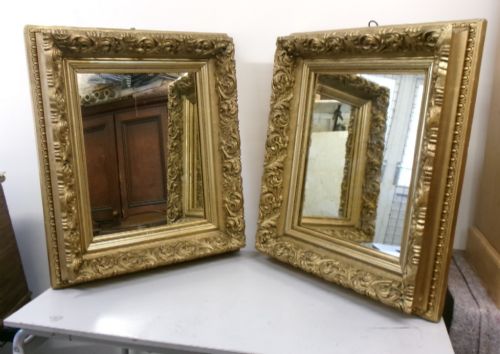
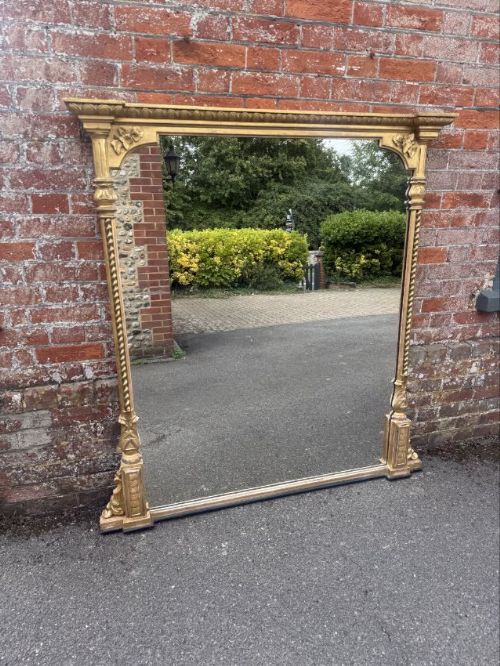
A search for a gold carved frame reveals an array of antique mirrors and framed portraits spanning from the seventeenth century through to the early twentieth century. These pieces encompass substantial English overmantels, grand French wall mirrors, and detailed oil paintings enclosed in period surrounds.
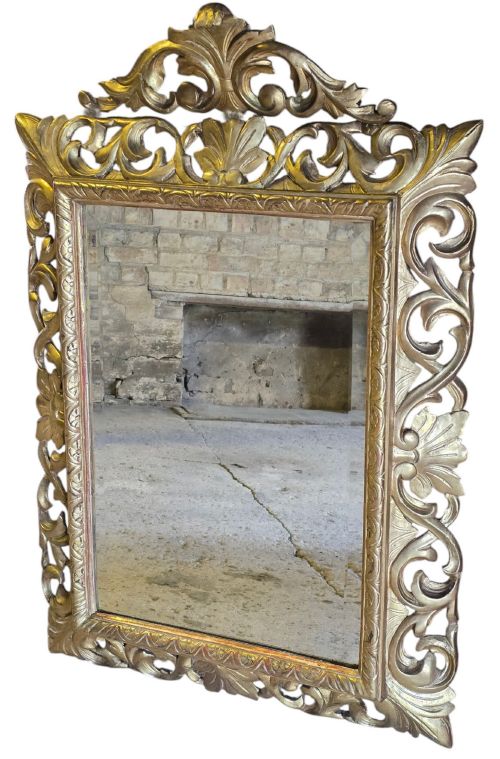
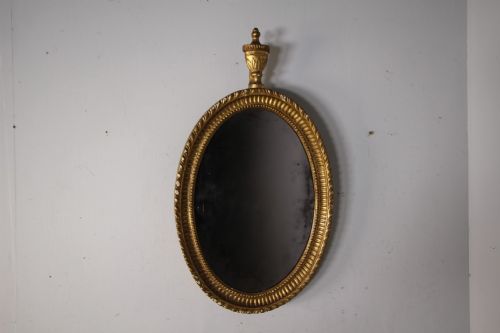
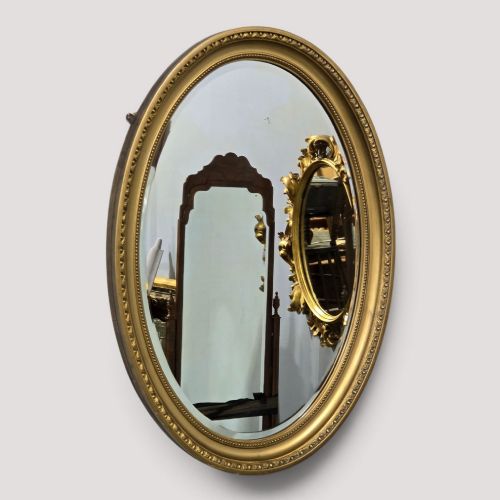
The most common examples encountered on this page date from the nineteenth century, particularly Victorian and French Louis Philippe periods. These are predominantly large giltwood or gesso wall and overmantel mirrors designed to reflect light and anchor a room.
Earlier pieces from the seventeenth and eighteenth centuries also appear, offering parcel gilt walnut or classical carved mouldings. Alongside mirrors, historical painted portraits on canvas bring domestic interiors into direct contact with past eras.
Materials and construction
Makers shaped solid timber, such as pine or walnut, before applying layers of gesso to build up intricate relief decoration. This plaster-like substance allowed carvers to achieve sharp details for acanthus leaves, scrolls, and floral motifs.
Gold leaf or liquid gilding was subsequently applied to the prepared surfaces, often over a reddish priming bole that shows through where wear has occurred. Glass plates, including mercury mirror glass or early bevelled glass, were fitted securely into the finished woodenrebates.
Several portraits retain the watchful gazes of seventeenth-century gentlemen wearing elaborate periwigs.
Judging quality in carved gilt pieces
Quality rests primarily in the crispness of the hand-carving and the depth of the gesso relief. Superior pieces display sharply defined ornamentation without the softening of details often seen in mass-produced composition substitutes.
The integrity of the original gilding surface dictates the visual impact, where subtle patination and burnished gold leaf outlast heavy modern repainting. Additionally, the weight of the timber framing and the presence of original mirror plates or stretched canvases elevate a piece.
Sir Godfrey Kneller·Thomas Murray·Sir Anthony van Dyck
The Gold Carved Frame Glossary
- Giltwood
- Wood that has been coated with gold leaf or gold powder. This material forms the primary structure of many fine historical mirror frames.
- Gesso
- A plaster mixture applied to wood frames as a base for carving and gilding. It provides a smooth, receptive surface for intricate raised decoration.
- Overmantel
- A large mirror or painting designed specifically to hang above a fireplace mantelpiece. These pieces often feature arched or shaped tops suited to period proportions.
- Pier glass
- A tall mirror intended to be hung on the wall space between two windows. They frequently match smaller console tables.
- Parcel gilt
- Woodwork that is partially gilded with gold leaf while other areas reveal the natural wood grain beneath, such as walnut. This technique creates a distinct contrast between exposed timber and bright gold.
Gold Carved Frame: Frequently Asked Questions
How do I date a gilt frame?
Dating relies on stylistic clues like Regency classical motifs, Victorian acanthus carving, or eighteenth-century proportions. Construction methods, such as hand-cut joinery and the type of gesso applied beneath the gold leaf, also point to specific eras.
Examination of the reverse timber and the fixings provides further confirmation. Older pine or walnut boards show distinct tool marks and weathering consistent with centuries of age.
What is foxed mirror glass?
Foxed glass refers to antique mirror plates that have developed dark spots, mottling, or cloudy patches over time. This chemical breakdown of the silvering behind the glass occurs naturally through age and exposure to moisture.
Collectors prize foxed glass for the authentic historic character it brings to a room. It softens reflections and proves the mirror plate has remained undisturbed for generations.
Where should I hang an overmantel mirror?
An overmantel mirror traditionally sits directly above a fireplace surround to anchor the chimney breast. Its large scale helps to reflect natural light across the entire floor space of a reception room.
These substantial pieces also suit large blank walls in hallways or dining rooms where a strong focal point is needed. Secure wall fixings rated for heavy giltwood and gesso frames are essential for safe installation.
Are Florentine frames different from French styles?
Florentine frames typically feature deep, ornate carvings heavily laden with leaf scrolls and elaborate crestings. They lean towards rich, continuous surface decoration rather than the restrained symmetry found in some French designs.
French pieces, such as Louis Philippe or Rococo wall mirrors, often emphasise cleaner structural lines paired with refined floral or ribbon carvings. Both traditions utilise brilliant gold leaf but apply distinct regional vocabularies to their ornament.