




French Style Gilt Frame
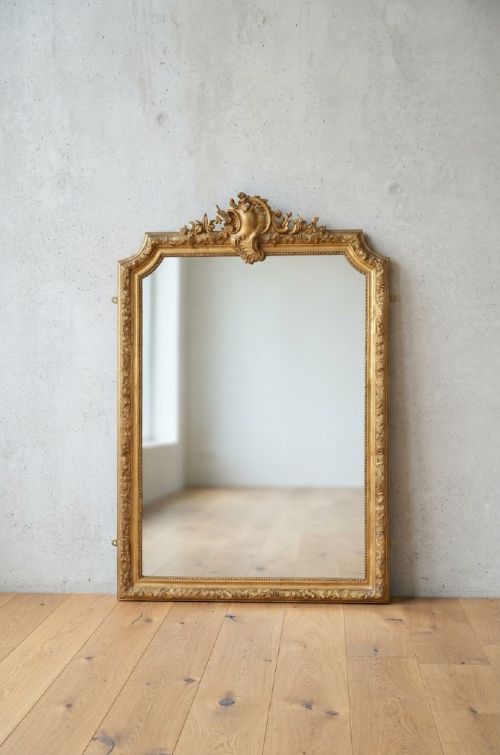
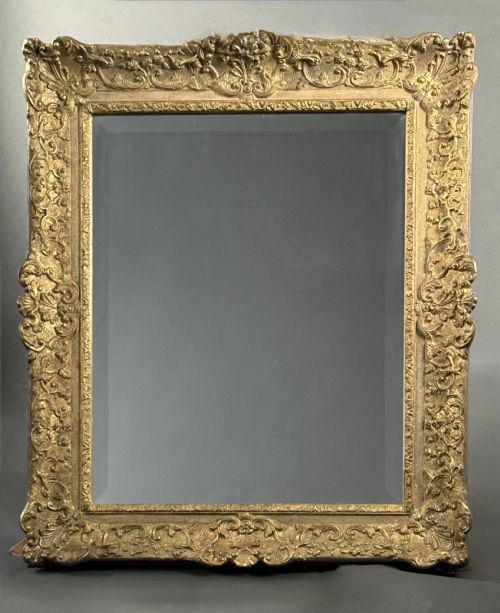
A french style gilt frame brings the ornate decorative vocabulary of the continent into domestic interiors through carved wood, gesso, and burnished gold leaf.
French Style Gilt Frame
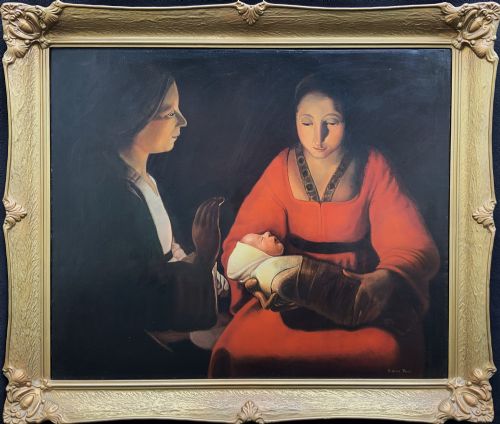
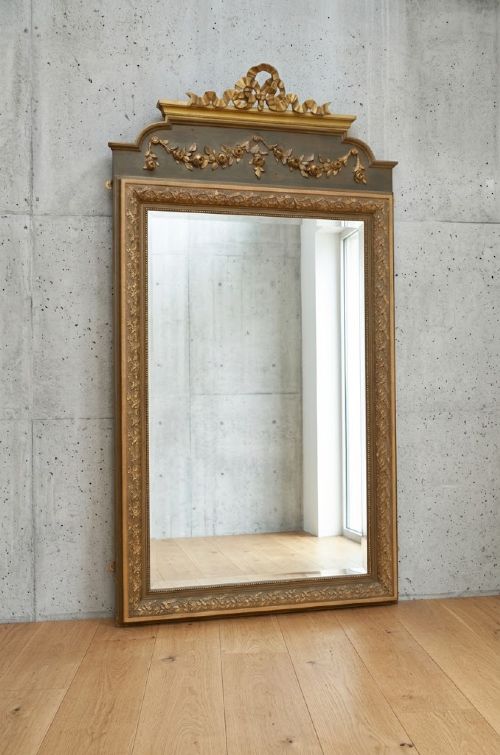
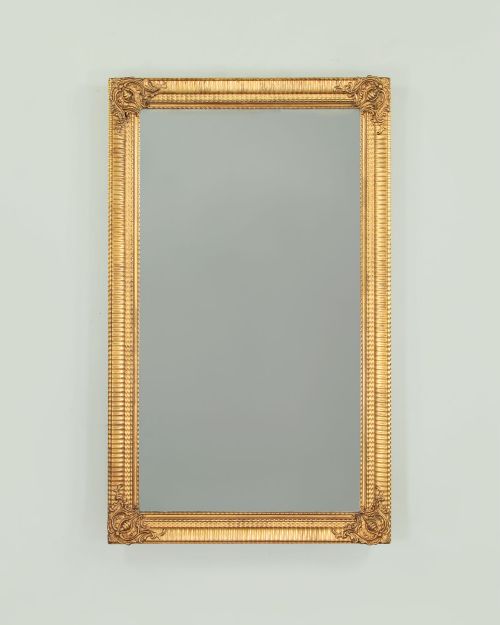
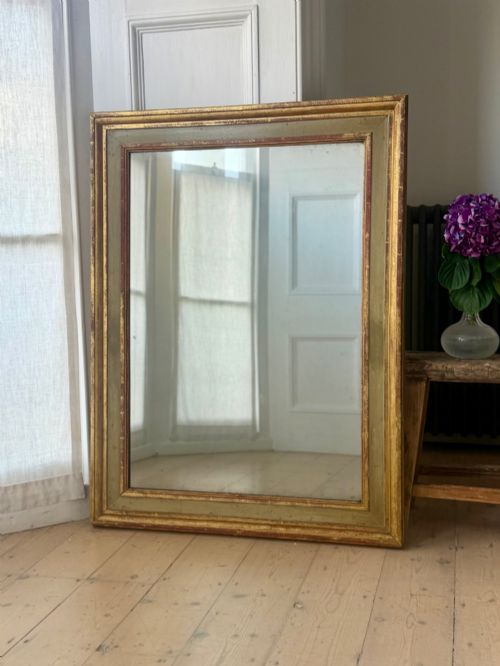
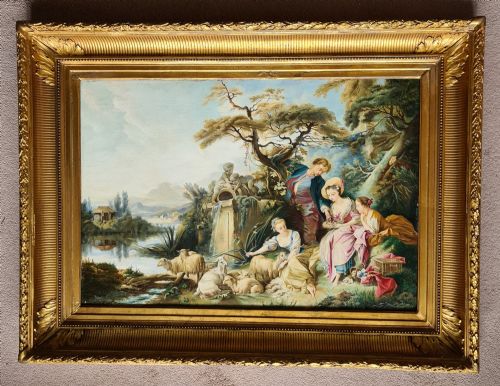
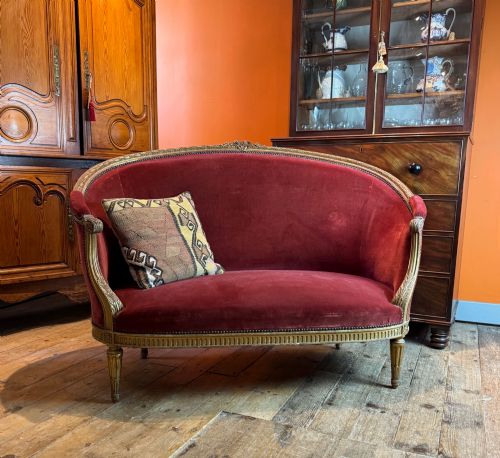
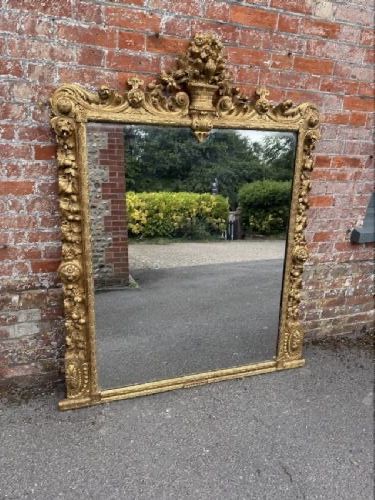
When you search for a french style gilt frame, you encounter a selection spanning wall mirrors, overmantel mirrors, picture frames, and oil paintings originating from the eighteenth to the early twentieth century.
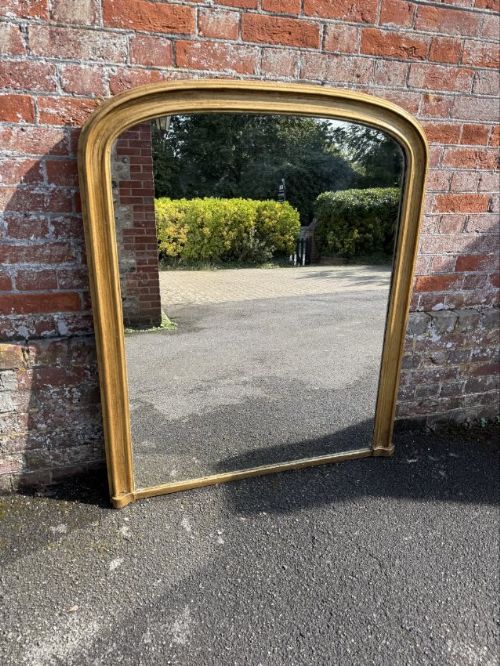
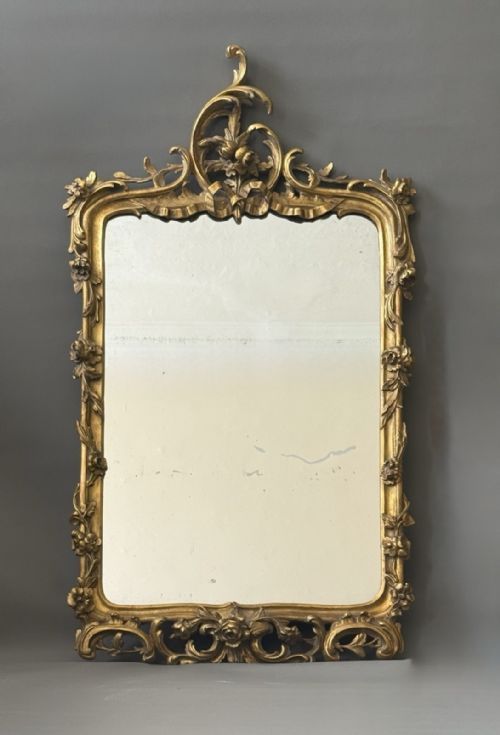
The objects take several distinctive shapes, from grand arched or crested architectural overmantels to smaller Louis XV and Louis XVI style wall mirrors embellished with ribbon crests or rope twist details.
Makers drew on continental design idioms including Rococo Revival, French Rococo, and Baroque Revival, applying them to carved wood, gesso, and giltwood structures that defined formal room schemes.
Materials and Technique
The physical structure relies predominantly on carved wood, timber, and plaster or gesso builds that provide a stable foundation for decorative relief work.
Surfaces are finished using gold leaf, parcel gilt, or ormolu applied over gesso grounds, while mirrors frequently incorporate antique mercury glass plates showing characteristic foxing.
Listings feature periods from the eighteenth century through to the Edwardian era, predominantly utilising giltwood, gesso, glass, and canvas.
Quality and Execution
The distinction between tiers rests on the depth and crispness of the carved detail within the wood and gesso, alongside the integrity of the original gilding.
Surviving antique mirror plates with original mercury glass and substantial timber proportions demonstrate superior craftsmanship compared to later secondary adaptations.
The French Style Gilt Frame Glossary
- Gesso
- A plaster-like mixture applied to wood frames to create a smooth surface for subsequent carving and gilding. It holds intricate relief ornament with high definition.
- Mercury glass
- A double-walled glass blown type silvered between the layers with a liquid mercury amalgam. It produces a characteristic mottled reflection known as foxing.
- Ormolu
- Finely chased and gilt bronze applied to furniture mounts and frames. It became popular in French decorative arts for adding metallic highlight.
- Trumeau
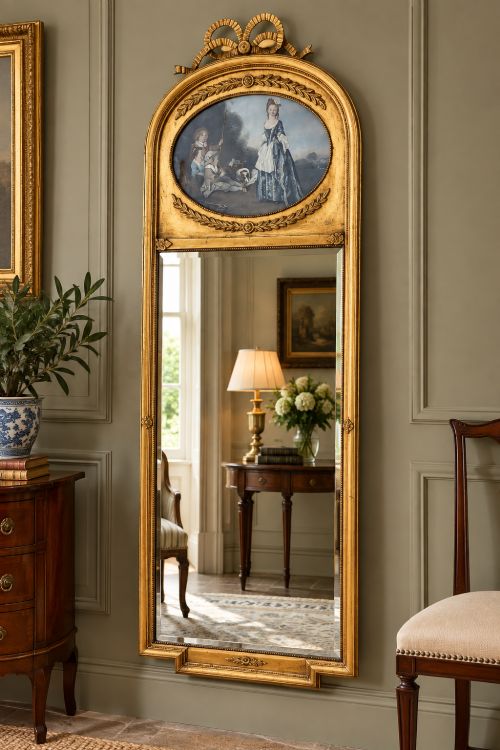
- A decorative wall mirror paired with an oil painting panel set above the glass. This architectural form originated in eighteenth-century interior design.
- Rococo Revival
- A nineteenth-century design movement inspired by the asymmetry, curves, and scrollwork of the French eighteenth century. It heavily influenced mirror and frame production.
French Style Gilt Frame: Frequently Asked Questions
How do I identify mercury glass?
Mercury glass is distinguished by a dark, uneven reflection with small spots and foxing where the backing has aged. It lacks the uniform brightness of modern silvered mirror plates.
Older pieces from the eighteenth and nineteenth centuries often retain these original plates, adding depth to the visual character of the frame.
Where should I hang an overmantel mirror?
Overmantel mirrors are traditionally designed to sit directly above a fireplace mantelpiece to reflect light and anchor the room's proportions. Their substantial scale makes them suited as a focal point in principal reception rooms.
Ensure the wall fixings are secured into solid masonry or studwork to support the heavy timber and gesso construction.
What is a trumeau mirror?
A trumeau mirror incorporates a painted canvas or panel directly above the glass plate, often featuring pastoral or figurative scenes. This format was used in classical French interiors to fill wall space between windows or above mantelpieces.
The integration of oil paintings within the carved frame creates a complete decorative composition.
How do I care for antique giltwood?
Dust giltwood frames gently with a soft, dry brush to prevent accumulation without disturbing fragile gold leaf or gesso relief. Avoid liquid cleaners, polishes, and moisture, which can degrade the historic surface.
Keep frames away from direct sunlight and fluctuating humidity to protect the underlying wood and prevent the gesso from cracking.