




Rococo Style Frame
When you search for a rococo style frame, you are looking at ornate, asymmetric creations that bring fluid curves and elaborate scrollwork to any interior.
Rococo Style Frame
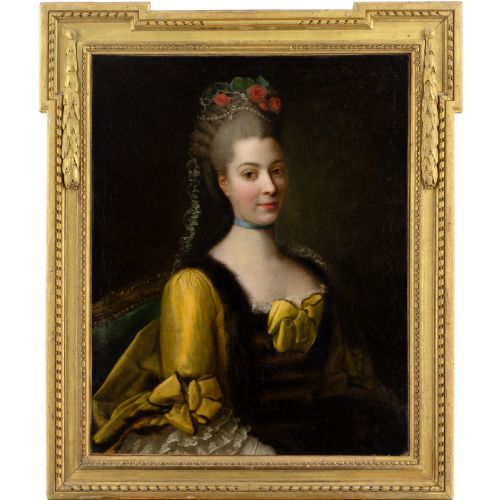
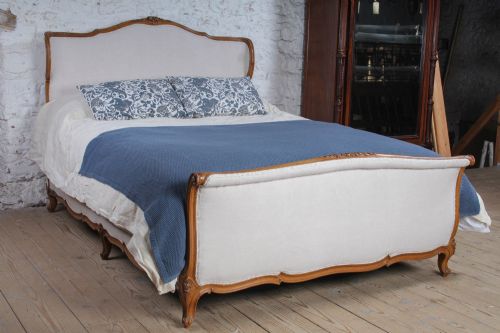
A rococo style frame encompasses elaborate mirrors, paintings, and furniture casings produced primarily during the nineteenth century, drawing heavily on eighteenth-century French and Italian aesthetics. These objects span from large overmantel mirrors and wall mirrors to oil paintings, armchairs, and beds.
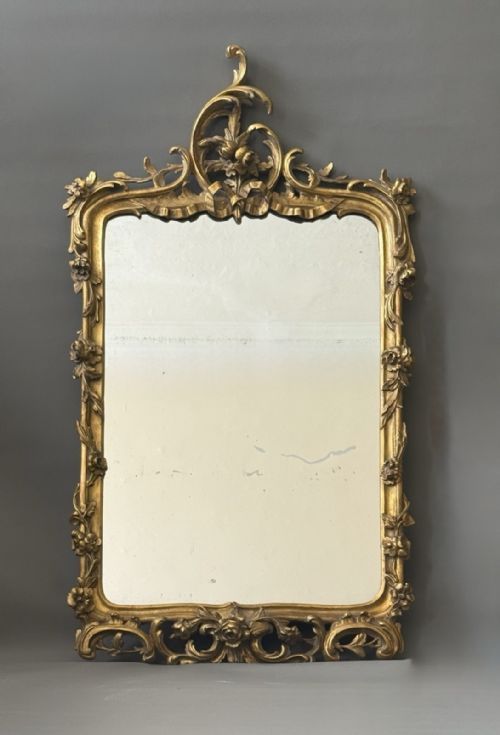
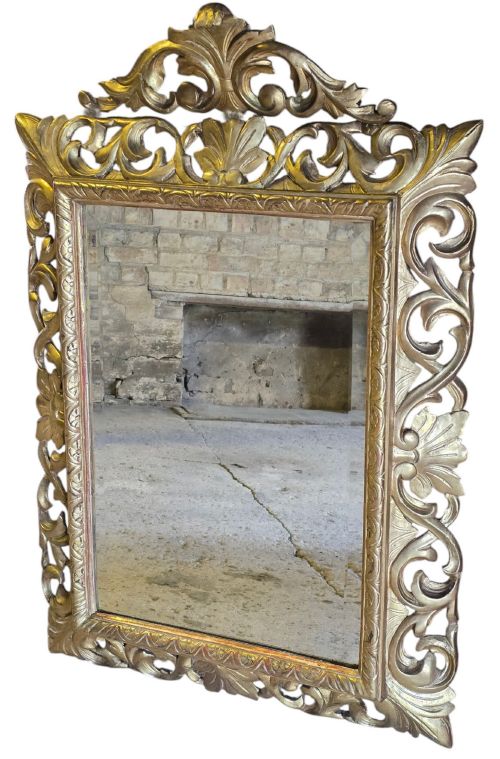
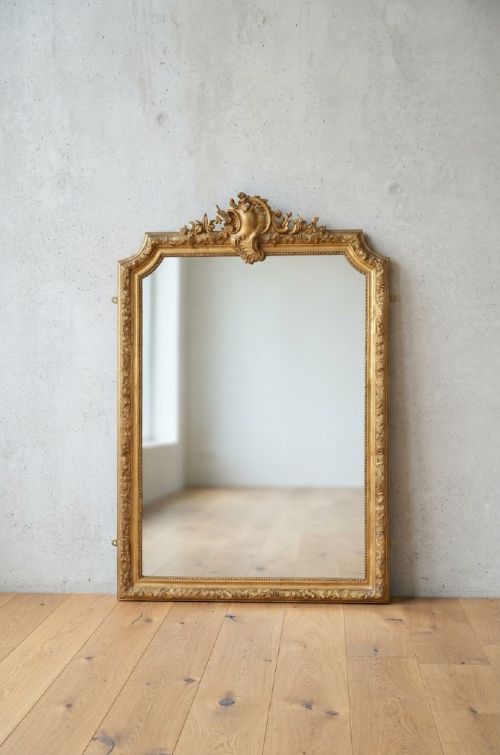
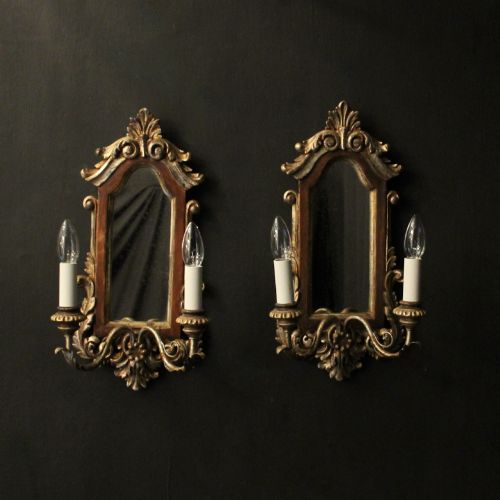
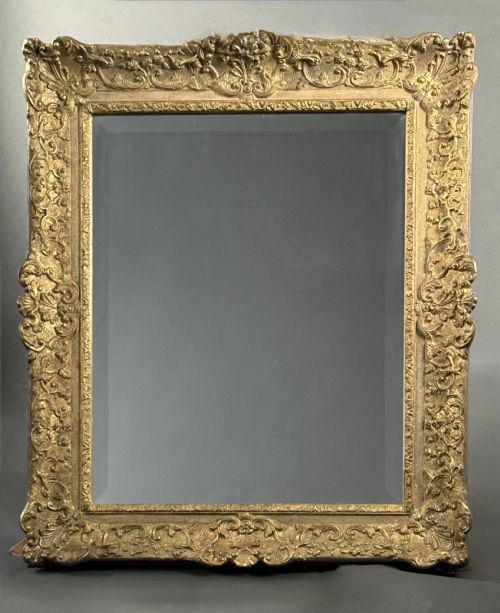
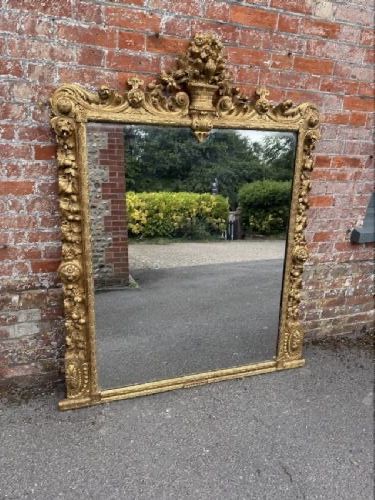
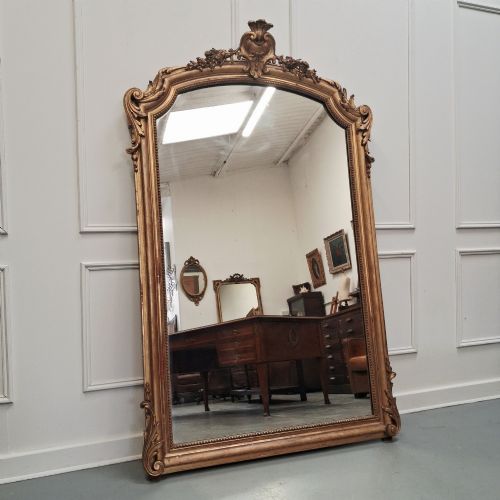
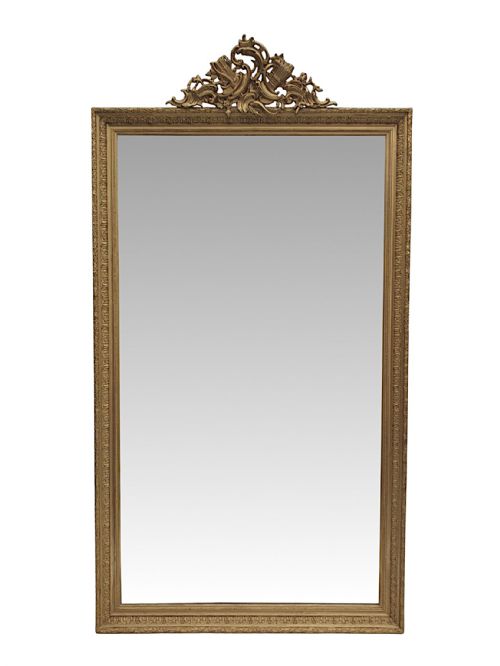
The version most frequently met on this page is the nineteenth-century giltwood or gesso wall mirror, often bearing the characteristic C-scrolls and floral motifs of the Rococo Revival, French Rococo, and Louis XV styles.
Materials and construction
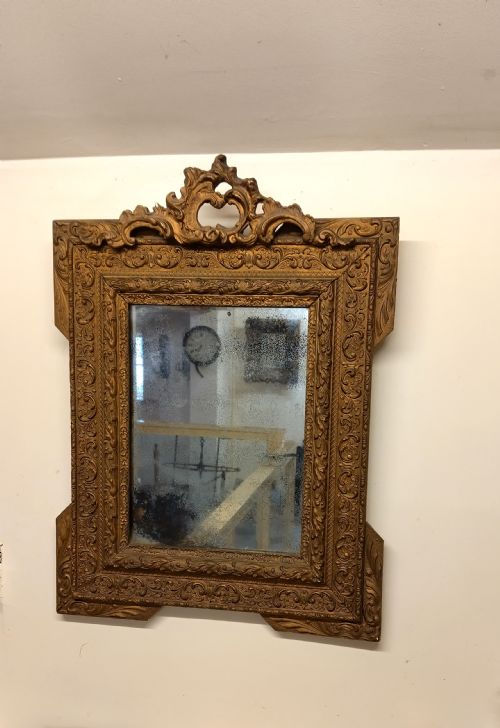
Makers shaped solid woods such as oak, walnut, and mahogany, applying layers of gesso to build up the intricate, high-relief ornamentation characteristic of the style. This plaster-like medium allowed artisans to carve deep, flowing curves and asymmetrical foliage before applying the final decorative finish.
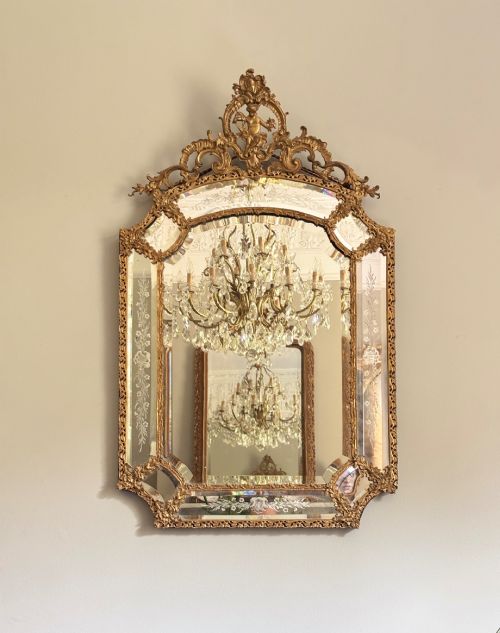
Gilding dominates the physical evidence, utilising gold leaf or silver-gilt applied over a prepared ground to achieve a reflective, luminous surface. Many pieces combine carved wooden foundations with applied composition details or ormolu mounts, particularly on French mirrors and bed frames.
Materials recorded across the inventory include giltwood, gesso, walnut, mahogany, oak, canvas, and ormolu.
What separates the finest examples
The distinction between ordinary production and superior craftsmanship lies in the depth and crispness of the carving. Artisans working at a higher level produced ornament with undercut details and sharp definition in the scrollwork, whereas lesser pieces relied on shallow, mass-produced composition ornament.
The integrity of the gilded surface and the preservation of the original glass plate or canvas also dictate worth. Surviving examples retain their original gold leaf without excessive re-gilding, and mirrors feature antique plates with authentic foxing rather than modern replacements.
The Rococo Style Frame Glossary
- Giltwood
- Wood that has been coated with gold leaf or gold powder. This finish provides the characteristic metallic sheen seen on period mirrors and furniture.
- Gesso
- A plaster mixture applied to wood surfaces as a base for carving and gilding. It allows artisans to mould delicate, raised decorative motifs.
- Trumeau
- A decorative wall mirror fitted with an oil painting or panel above the glass. These tall pieces were designed to sit between windows in eighteenth and nineteenth-century interiors.
- Overmantel mirror
- A large mirror specifically proportioned to hang above a fireplace mantel. They often feature extended frames designed to anchor large drawing room walls.
- Ormolu
- Gilded bronze mounts applied to furniture and frames. This decorative hardware enhances the opulence of Louis XV style pieces.
Rococo Style Frame: Frequently Asked Questions
What is a rococo style frame?
A rococo style frame is an ornate decorative border for mirrors, paintings, or photographs, characterised by asymmetrical C-scrolls, shell motifs, and naturalistic foliage. These pieces draw inspiration from the eighteenth-century French aesthetic and nineteenth-century revival periods.
Most examples utilise carved wood, gesso, and gold leaf to create a dramatic, flowing visual impact. They serve as primary focal points in traditional and eclectic interiors alike.
How do I date a giltwood mirror?
Dating a giltwood mirror involves examining the construction of the wooden backboards, the composition of the gesso, and the manufacturing method of the glass plate. Eighteenth-century pieces often show hand-beveled edges and pegged joinery, while nineteenth-century revivals display machine-cut timber and standardised hardware.
The style of the carving also offers clues, as revival periods frequently exaggerate the asymmetry and scale compared to authentic earlier works.
Where should I hang an overmantel mirror?
An overmantel mirror traditionally hangs directly above a fireplace mantelpiece to reflect light and anchor the room's primary focal point. Because of their substantial size, these mirrors also function effectively on large blank walls in hallways or reception rooms.
Secure mounting is essential due to the combined weight of the heavy wooden frame, gesso, and glass plate. Professional wall fixings suited to the specific wall type ensure the piece remains safely supported.
What is the difference between gesso and carved wood?
Carved wood refers to the structural foundation shaped directly from timber, whereas gesso is a plaster-like paste applied over the wood to build up fine details. In many frames, the core shape is carved wood, and the intricate surface relief is modelled in gesso.
Examining the relief closely reveals whether details are cut from solid timber or moulded in plaster. Both methods appear extensively in authentic period pieces.