





Heavy Ornate Frame
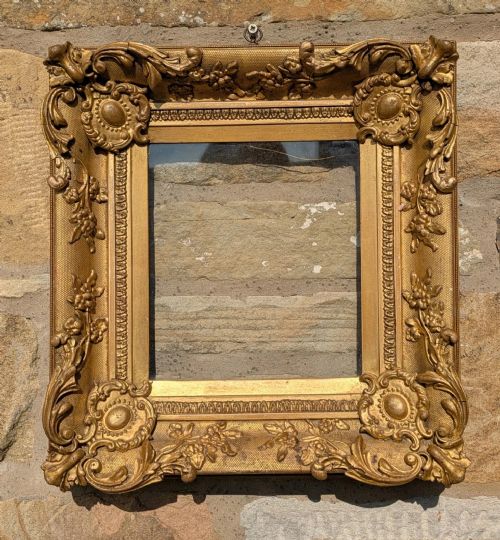
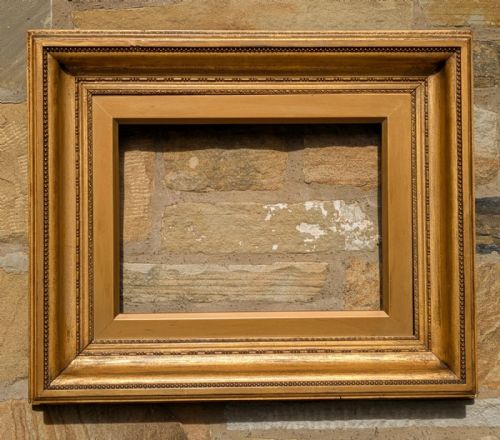
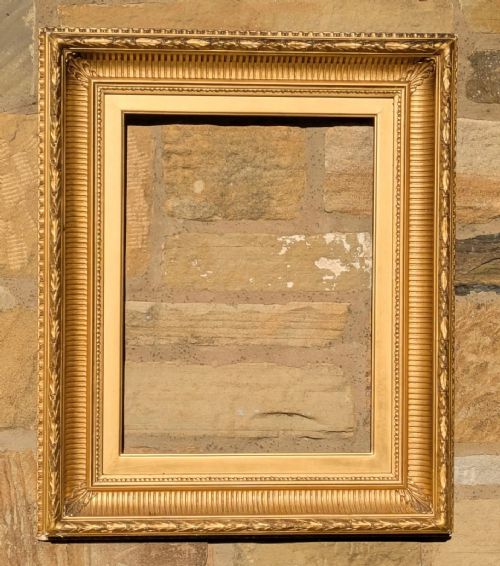
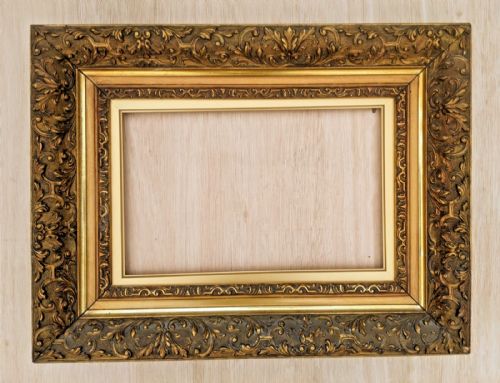
A heavy ornate frame gives a picture or glass significant presence, built in deep gesso and giltwood across the Victorian and earlier periods.
Heavy Ornate Frame
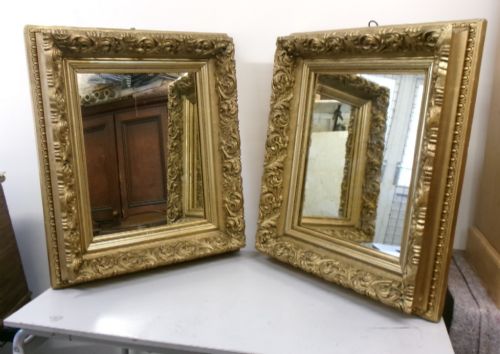
A heavy ornate frame provides deep moulding and elaborate decoration designed to house oil paintings, prints, or mirror glass. When you search for a heavy ornate frame, you encounter substantial Victorian gilt pieces alongside seventeenth-century baroque examples and later twentieth-century interpretations.
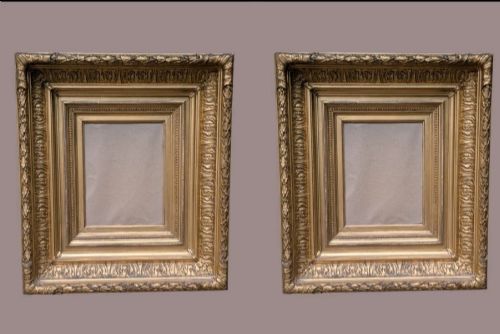
The most common formats on this page are deep Victorian picture frames and large wall mirrors spanning the nineteenth century. These objects frequently utilise substantial wood carcasses augmented with heavily worked surfaces suited to grand domestic interiors.
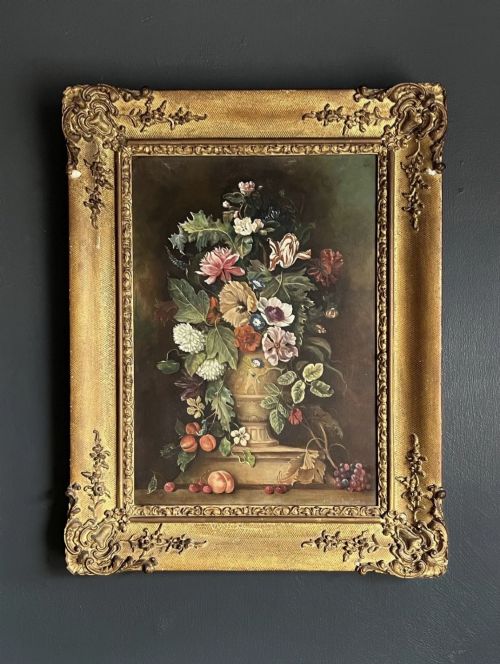
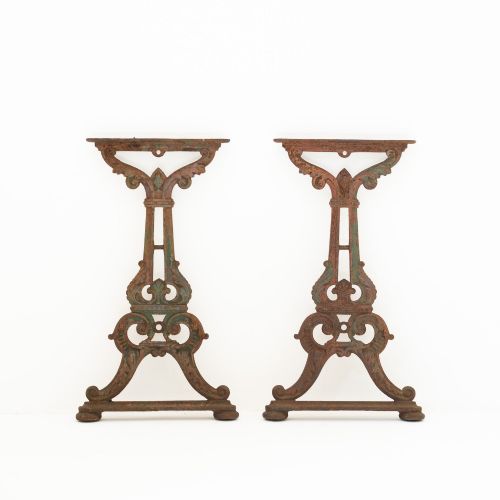
Beyond standard picture and mirror surrounds, the selection occasionally encompasses associated items such as cast iron table bases and oil paintings supplied within their original housings. Each piece relies on mass and complex relief to create a commanding visual weight.
How they were made
Makers constructed the foundational structure from timber, employing sturdy wood carcasses to support considerable weight. Over this wooden base, artisans applied layers of gesso and composition material to build up high-relief scrolling ornamentation, acanthus leaves, and corner cartouches.
The decorative surfaces received gold leaf or dark gilt finishes, sometimes burnished to create contrasting matte and reflective areas. Glass components incorporate mirror glass or bevelled plates, whilst paintings sit alongside canvas inserts and linen slips within the rebate.
Some nineteenth-century frames arrive carrying unexpected passengers, including original landscape prints and historic oil paintings of Scottish scenery.
What varies in quality
The distinction between standard production and superior craftsmanship lies in the depth of the carving and the crispness of the gesso relief. Finer examples display hand-modelled enrichment where composition ornaments are undercut and sharply defined rather than flattened by wear or thick over-gilding.
Material selection further separates tiers of quality, with genuine carved wood and gold leaf holding greater depth than later cast composition substitutes. The integrity of the mitred joints and the preservation of the original gilt surface dictate the overall commercial standing of any given piece.
The Heavy Ornate Frame Glossary
- Gesso
- A plaster-like mixture applied to wood frames as a base for gilding. It allows artisans to carve intricate relief details before applying gold leaf.
- Giltwood
- Timber that has been gilded with gold leaf. This material offers superior ageing characteristics compared to painted metallic finishes.
- Composition
- A moulded paste of whiting, resin, and oil pressed into shape. Makers utilised this material to efficiently repeat ornate decorative motifs along frame mouldings.
- Linen Slip
- A fabric-covered inner border placed between the canvas and the main frame. It provides a neutral buffer that enhances the visual depth of an oil painting.
- Pier Glass
- A large tall mirror designed to hang on the wall between windows. These pieces often feature heavy frames matching nineteenth-century interior aesthetics.
Heavy Ornate Frame: Frequently Asked Questions
How do I hang a heavy frame safely?
Substantial frames require robust wall fixings secured directly into masonry or substantial wall studs to support the considerable combined weight of wood, gesso, and glass.
Professional mirror plates or heavy-duty D-rings screwed securely into the wooden carcass provide the necessary distribution of load for secure hanging.
Can I put a mirror inside a picture frame?
Adapting an antique picture frame to hold mirror glass is a common practice, provided the rebate depth can accommodate both the glass and a secure backing board.
Care must be taken to select mirror glass of appropriate thickness and weight to match the structural capacity of the original timber and gesso moulding.
How do I clean a gilt frame?
Dusting should be performed gently using a soft, dry brush to avoid disturbing fragile gesso relief or flaking gold leaf.
Moisture and commercial cleaning chemicals must be strictly avoided, as water can soften the historical gesso ground beneath the gilt surface.
What is the difference between gesso and composition?
Gesso is a liquid plaster mixture painted on in layers and hand-carved, whilst composition is a pliable dough pressed into metal moulds and applied to the wood.
Finer frames rely more heavily on hand-carved gesso details, whereas decorative repetition on standard Victorian pieces often incorporates moulded composition.
How do I date an antique frame?
Dating relies on examining the timber construction methods, the composition of the gesso ground, and the style of the decorative ornament relative to known periods.
Victorian pieces frequently display distinct machine-sawn timber marks and standardised composition motifs, contrasting with the hand-carved quirks of seventeenth-century baroque work.