


Victorian Framed Print
These pieces called a victorian framed print bring nineteenth-century walls into modern rooms through ink, paper, and period frames.
Victorian Framed Print
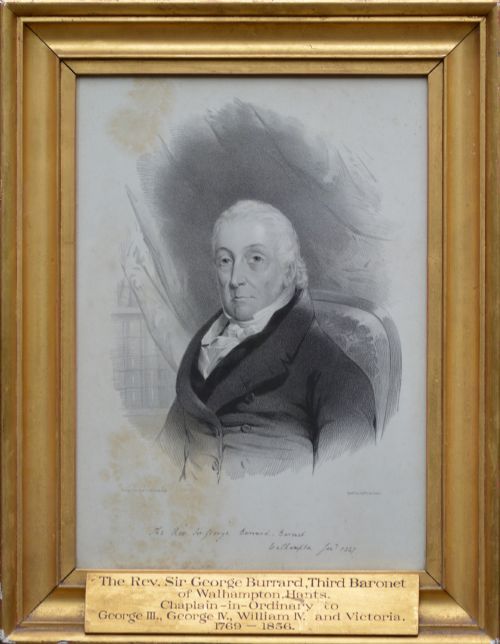
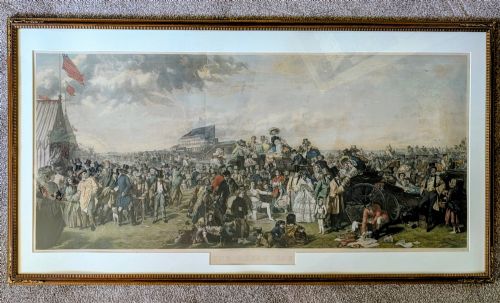
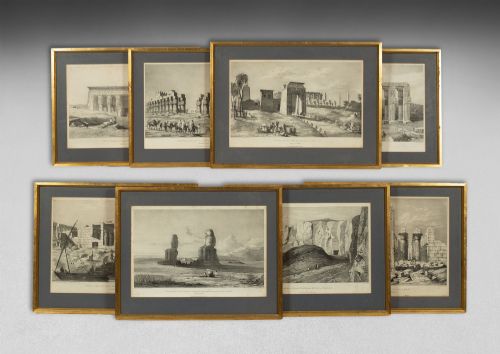
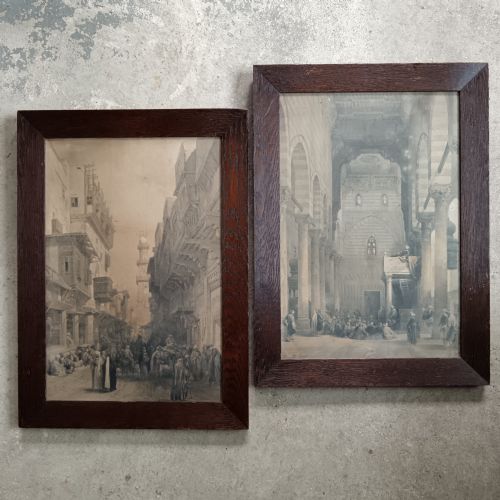
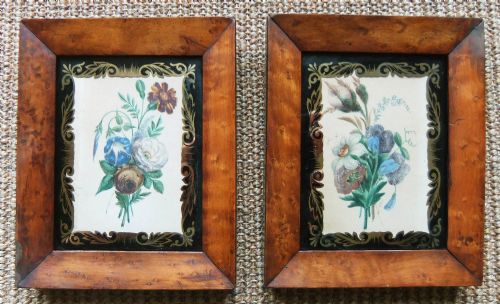
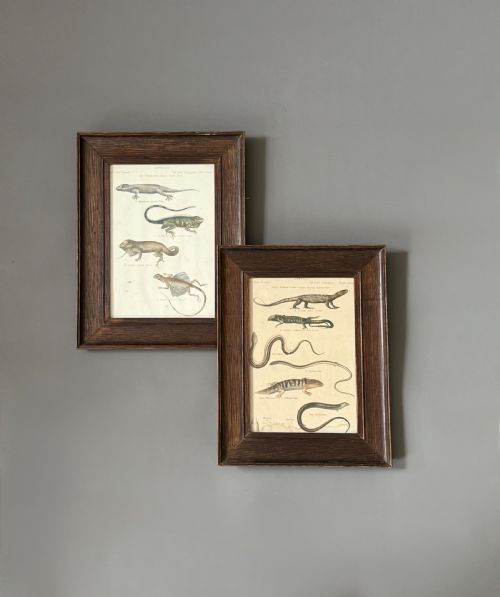
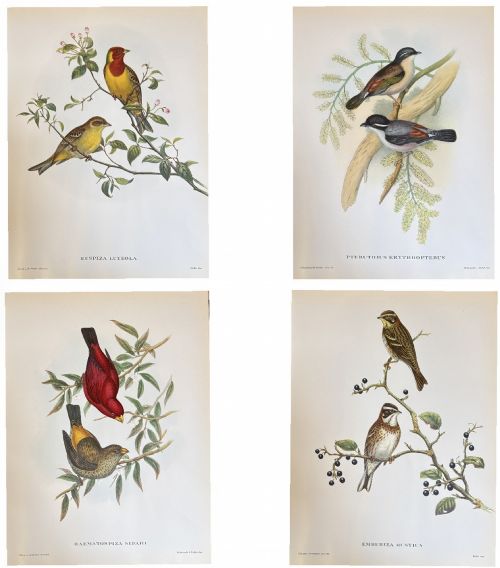
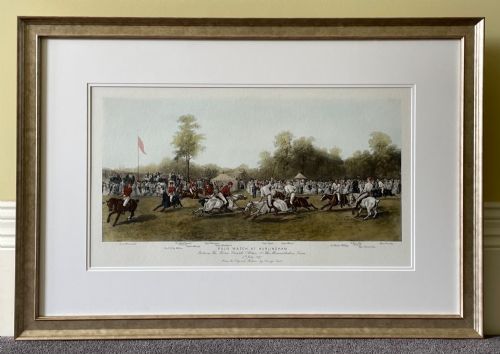
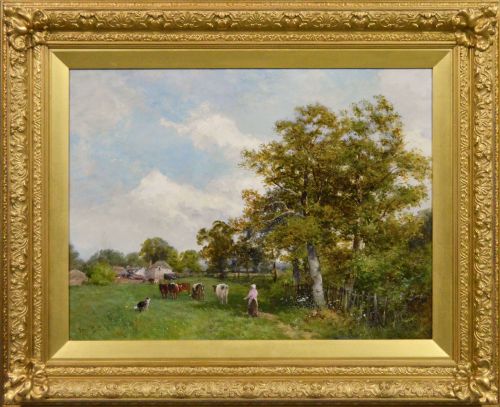
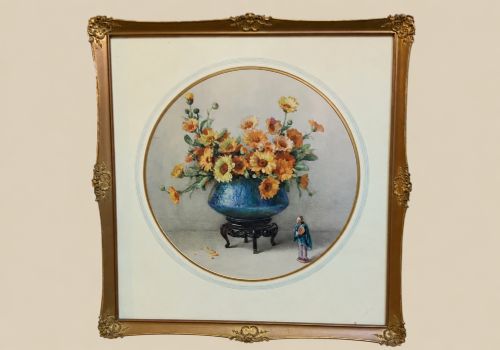
A buyer seeking a victorian framed print examines works spanning the nineteenth century, Edwardian era, and early twentieth century. The selection includes sporting scenes, botanical watercolours, animal studies, and advertising lithographs.
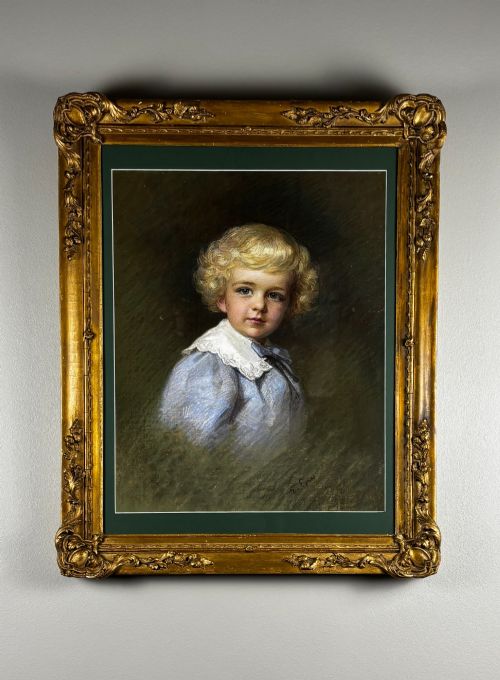
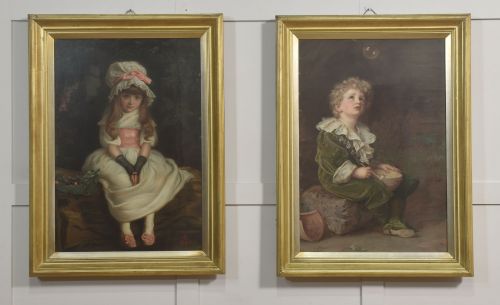
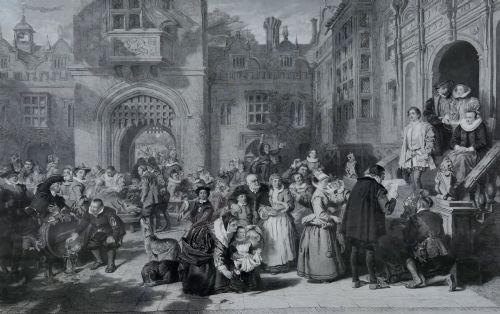
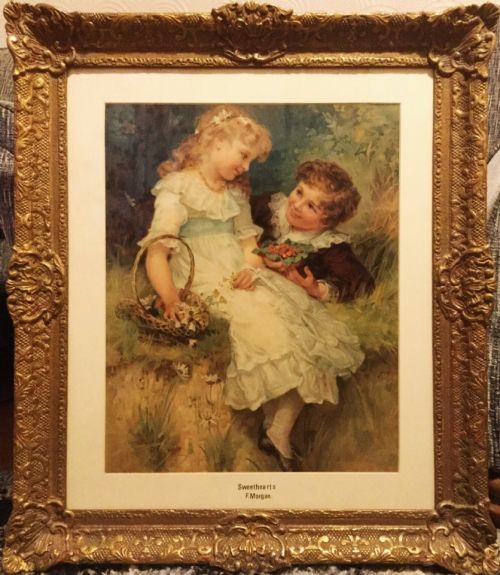
Framed works range from large engraved courtyard scenes and polo matches to intimate portraits of children and rural landscapes. These items combine paper images with glass and timber surrounds.
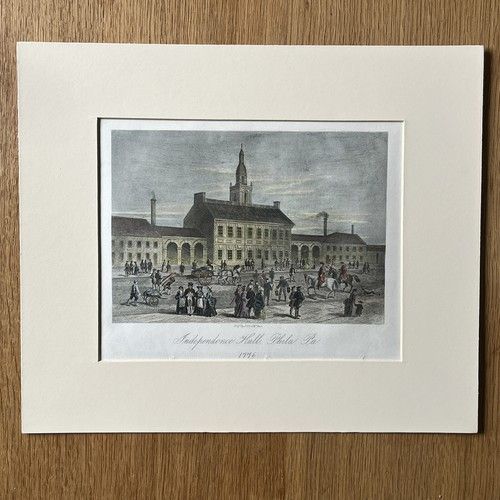
The category encompasses both hand-coloured lithographs and original etchings alongside decorative wall prints. Many pieces present domestic or pastoral subjects typical of the period.
Materials and technique
Works are executed on paper using ink, lithography, etching, and watercolour. Printers and artists employed techniques such as chromolithography for multi-coloured plates and photogravure for tonal depth.
Encasement relies on wood, oak, rosewood, and gilt wood, often finished with gold leaf. Glazing protects the delicate paper surfaces from atmospheric moisture and handling.
Original frames frequently utilise Hogarth mouldings or deep timber profiles that match the production date of the enclosed artwork.
Victorian Framed Print Retail Price Guide 2026
Typical asking prices for victorian framed print among the pieces listed under this phrase on Sellingantiques today, from the lower quarter to the upper quarter. They describe what is for sale here now, not the wider market.
Listings feature paper, glass, oak, and gold leaf combined across 19th-century and Edwardian forms.
Condition and execution
Quality rests in the crispness of the impression and the fidelity of the secondary medium to the original painting. Strong ink saturation and clean paper margins separate superior prints from faded examples.
The integrity of the mounting matters significantly, particularly where original glass and period wooden frames remain intact. Hand-colouring applied with precision elevates the visual impact of botanical and sporting subjects.
Frederick Morgans·David Bates·William Powell Frith·Herbert Dicksee·Robert W. Macbeth·George Augustus Holmes·David Roberts·Frederick Walker·George Finch Mason·TB Hardy·C. H. Weigall·Herbert Gustave Schmaltz·J. C. Dollman·Horatio Henry Couldrey·John Alfred Wheeler
The Victorian Framed Print Glossary
- Lithograph
- A planographic printing method using stone or metal plates to transfer inked images onto paper. This technique enabled affordable mass reproduction of popular artwork.
- Etching
- A printmaking process where acid bites lines into a metal plate held beneath a protective ground. Artists used this method to create fine tonal gradations.
- Chromolithograph
- A colour lithographic print produced by registering multiple stones for separate ink hues. The resulting sheets displayed vivid palettes without hand tinting.
- Photogravure
- An intaglio printing process that transfers photographic negatives onto copper plates. It delivered continuous tone reproductions with rich shadows.
- Hogarth frame
- A narrow, stepped wooden frame finished with dark lacquer or gilding. These profiles became popular for framing prints and drawings during the eighteenth and nineteenth centuries.
Victorian Framed Print: Frequently Asked Questions
How do I clean the glass safely?
Wipe the glass gently with a soft cloth dampened slightly with water or mild cleaner. Avoid spraying liquid directly onto the frame to prevent moisture damage to the historic paper.
Keep moisture away from the timber joints and backboards. Old paper absorbs dampness readily, so dry the surface thoroughly after cleaning.
Are these works original antique prints?
The listings comprise nineteenth-century and early twentieth-century impressions produced via period techniques like etching and lithography. Most date directly from the eras they represent.
Paper stocks and framing methods provide physical evidence of age. Examine the reverse of the frame for old paper tapes and fixings.
Can I hang them in direct sunlight?
Direct sunlight causes inks, watercolours, and paper to fade over time. Position these pieces away from south-facing windows to preserve the colours.
UV-protective glazing helps mitigate light damage if bright placement is unavoidable. Monitor the room environment to protect delicate pigments.
How do I identify the period of a frame?
Period frames often feature hand-carved wood, rosewood veneers, or original gold leaf finishes that show natural wear. Construction details like old nails and timber shrinkage offer clues to age.
Many pieces retain their original mounting, which matches the style of the enclosed artwork. Replacement frames generally display different joint construction and modern fixings.