

Gold Leaf Frame Artwork
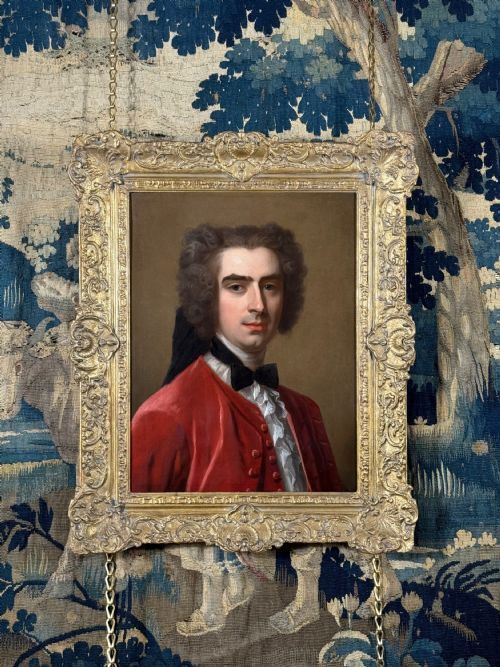
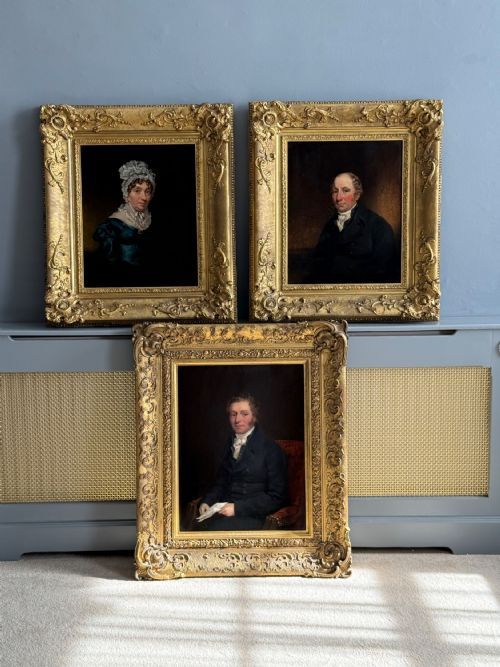
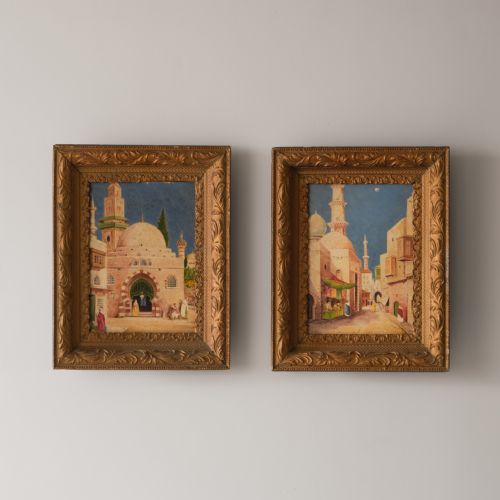
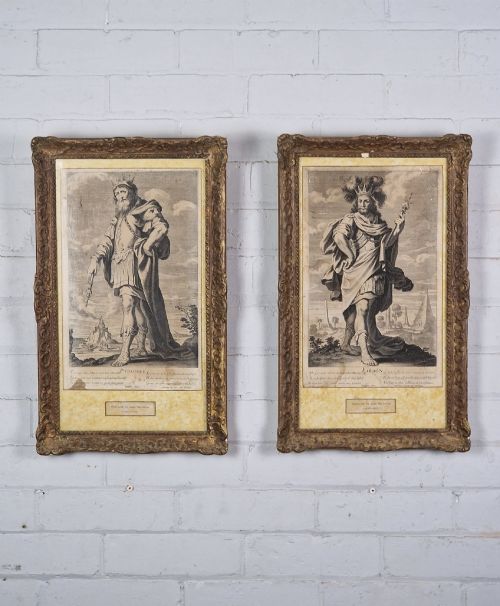
When you search for gold leaf frame artwork, you encounter paintings, engravings, and icons united by their gilded surrounds.
Gold Leaf Frame Artwork
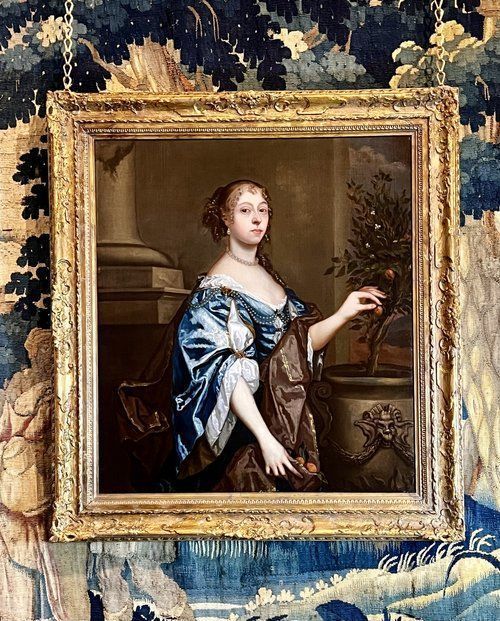
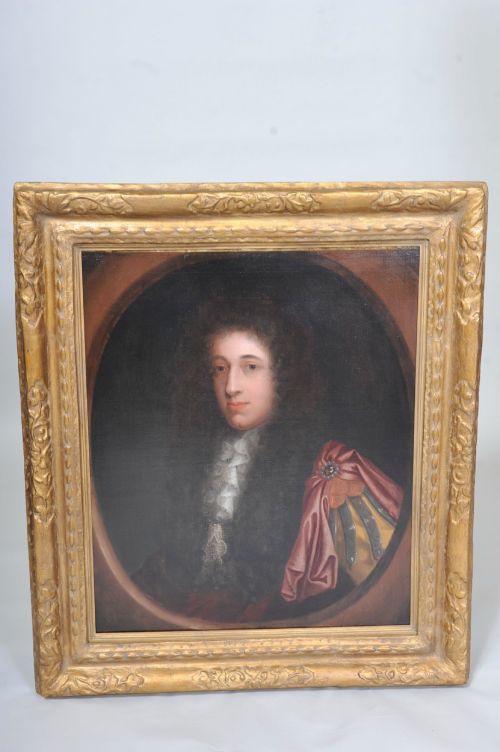
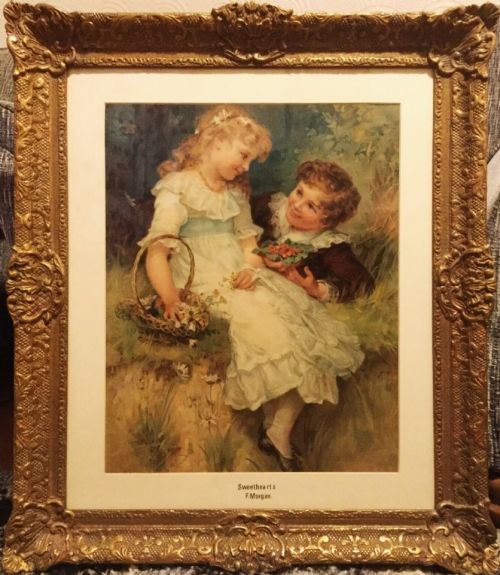
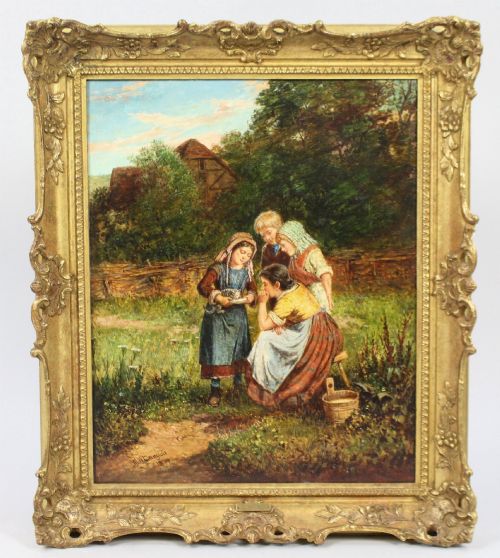
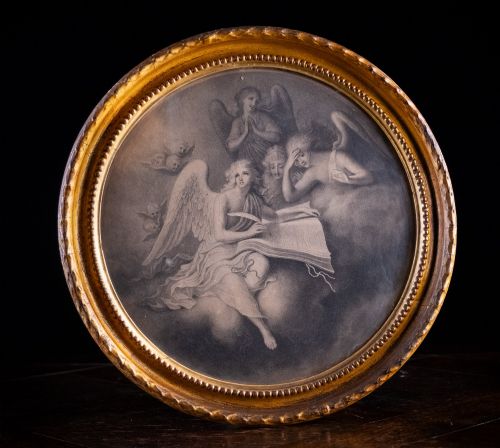
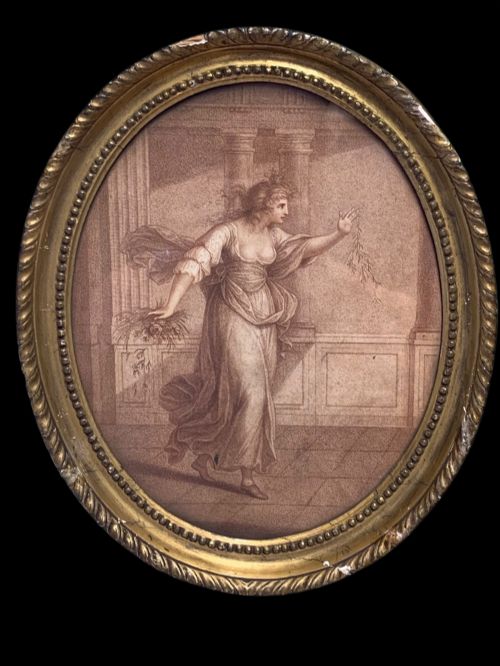
Gold leaf frame artwork encompasses oil paintings, watercolours, engravings, and icons housed within decorative gilded surrounds. These pieces span the 17th century through to the 20th century, drawing on Georgian, Victorian, Regency, and Baroque stylistic traditions.
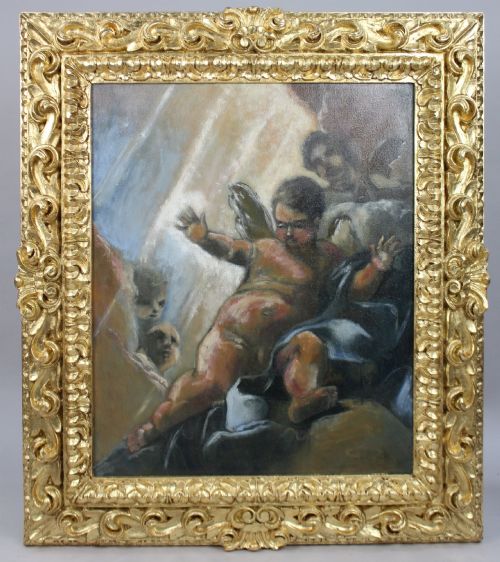
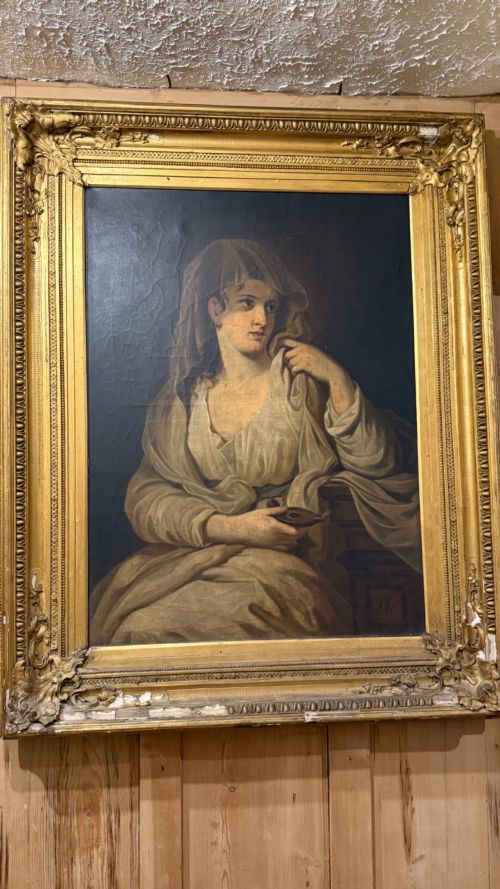
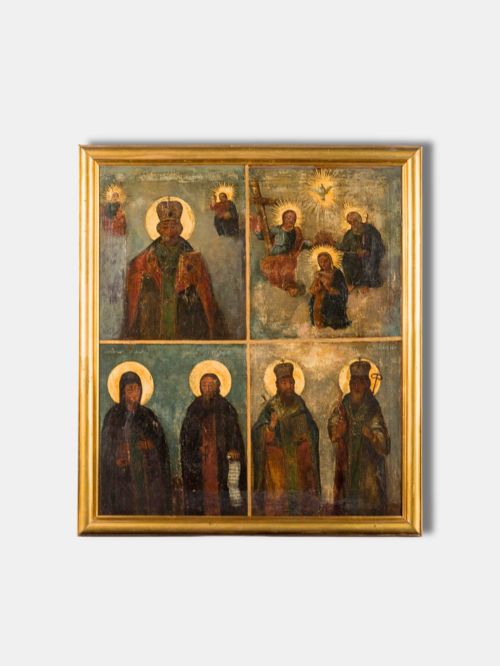
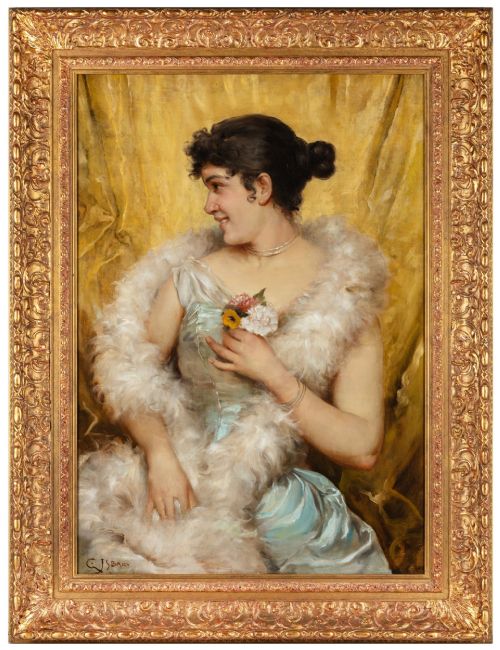
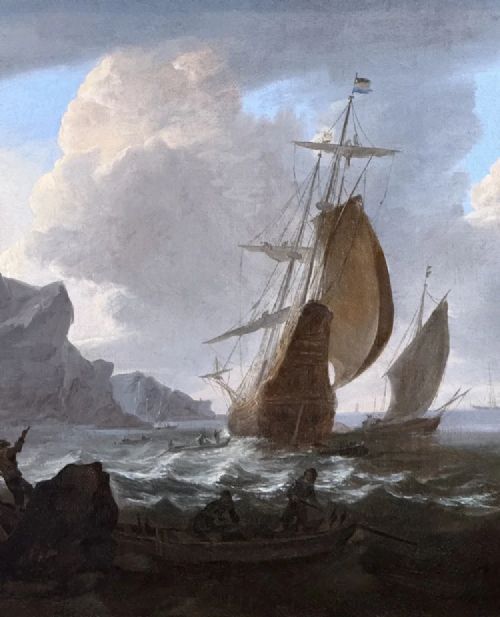
The dominant forms on this page are oil paintings and portraits on canvas or panel, frequently paired with ornate wooden framing. Collectors find works ranging from religious icons utilising gold leaf directly on canvas to 18th-century portraits and maritime scenes.
Works originate from various European schools, including British, French, Dutch, Italian, and Spanish traditions. The integration of the frame and the artwork creates a cohesive visual statement characteristic of these historical periods.
Materials and construction
The physical objects rely on timber frames built up with layers of gesso before the application of gold leaf or giltwood. Canvases and wooden panels receive oil paint, tempera, or watercolour, occasionally protected beneath glass.
Craftsmen applied beaten gold leaf by hand to primed wooden mouldings, often carving intricate floral or linear patterns into the gesso underneath. This traditional gilding technique creates a reflective surface that frames the central pictorial artwork.
Gold Leaf Frame Artwork Retail Price Guide 2026
Typical asking prices for gold leaf frame artwork among the pieces listed under this phrase on Sellingantiques today, from the lower quarter to the upper quarter. They describe what is for sale here now, not the wider market.
Listings feature works spanning from the 17th century to the 20th century, utilising oil, watercolour, tempera, and engraving on canvas, paper, and panel.
Gradations in quality
Quality rests upon the refinement of the brushwork within the painting and the depth of hand-carving on the surrounding frame. Superior examples demonstrate confident draughtsmanship in portraits or landscapes alongside meticulously layered gilding.
The relationship between the art and its housing dictates the piece's success, as original or period-matching frames elevate the overall integrity. Later replacements or crude gesso work diminish the harmony of the object.
Jean-Baptiste Van Loo·Joseph Clover Ra·Jeremiah Davison·Pieter Borsseler·Mark William Langlois·Bonaventura Peeters·Robert Thorne Waite·Martin Theodore Ward·Howard Helmick·George Augustus Holmes·James Stroudley·Harald Foss·Edgar Hunt·Sir Edwin Henry Landseer·Hendrik Valkenberg·George Watson·Renato Moretti·Jacob Akkersdijk·Thomas Hodgson Liddell·Theodore Jensen
The Gold Leaf Frame Artwork Glossary
- Giltwood
- Wood that has been coated with gold leaf or gold paint. This finish provides a luminous border that catches ambient light.
- Gesso
- A plaster-like mixture applied to wood frames to create a smooth surface for gilding. Artisans carve intricate details into this layer before applying gold leaf.
- Oil on Canvas
- Pigment suspended in drying oil applied to stretched fabric. This medium allows for rich colour blending and durability over centuries.
- Tempera
- A permanent, fast-drying painting medium consisting of coloured pigment mixed with a water-binder. It frequently appears in early religious icons.
Gold Leaf Frame Artwork: Frequently Asked Questions
How do I identify the period of a gilded frame?
Frame periods reveal themselves through the casting methods, the composition of the gesso, and the specific carving styles popular in eras like the Regency or Victorian periods. Examining the corner joints and the ageing of the underlying wood provides further clues.
Changes in moulding profiles from the 17th century to the 20th century reflect shifting aesthetic preferences. Earlier frames often feature hand-carved wooden details, whilst later Victorian examples might utilise moulded compo ornamentation.
Are these paintings cleaned or restored?
Many antique artworks undergo conservation to remove accumulated dirt, discoloured varnish, or to stabilise flaking paint on canvas and panel. Professional intervention preserves the integrity of the original pigments.
Restoration work aims to maintain the historical state of the painting without erasing the patina of age. Buyers should examine condition reports to understand the extent of any past conservation.
How should I hang and light gold leaf frame artwork?
Gilded frames respond well to stable indoor environments away from direct sunlight and excessive humidity, which can damage both canvas and gesso. Hanging them on secure structural walls ensures the weight of the timber and plaster is safely supported.
Directional picture lights set at a distance enhance the metallic sheen of the gold leaf without generating heat that could harm the paint surface. Positioning the work at eye level allows for optimal appreciation of the fine details.
What is the difference between oil paint and tempera?
Oil paint utilises drying oils like linseed to bind pigments, allowing for slow blending, rich textures, and deep luminosity over time. It became the dominant medium for European portraits and landscapes from the Renaissance onward.
Tempera employs water-soluble binders such as egg yolk, drying rapidly to a matte finish with fine, precise brushstrokes. It frequently appears in historical religious icons and panels predating the widespread adoption of oil.