
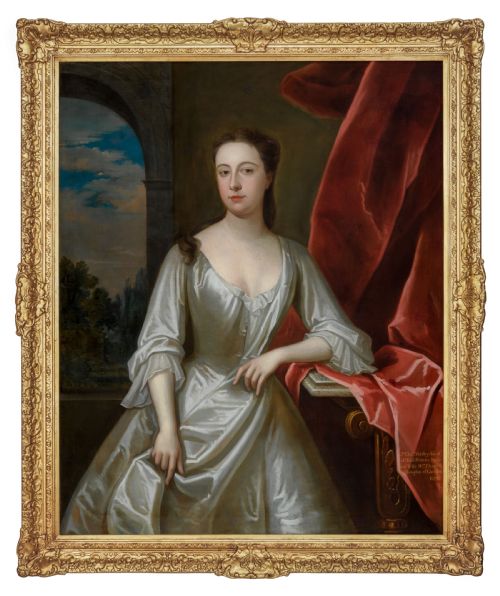

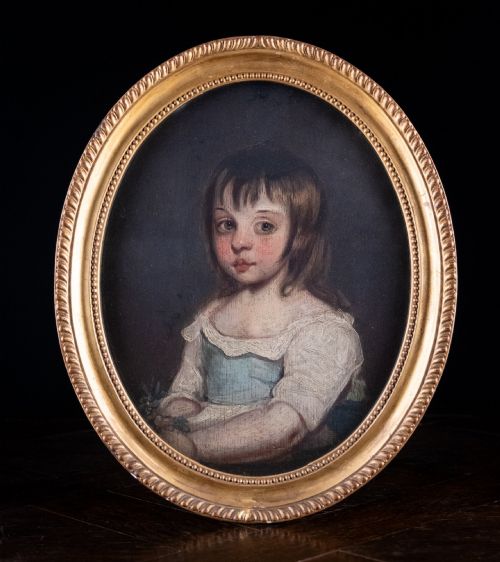
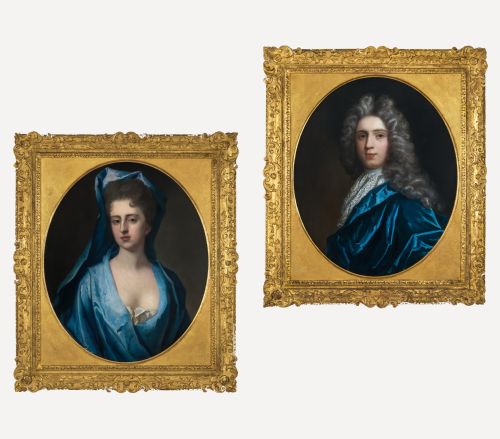
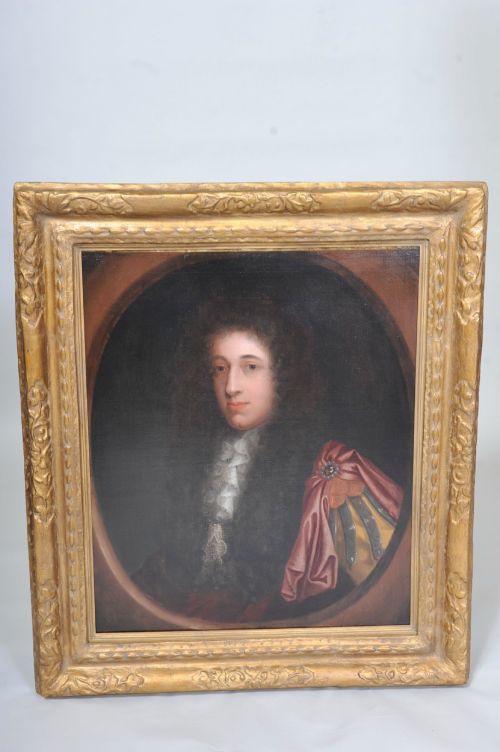

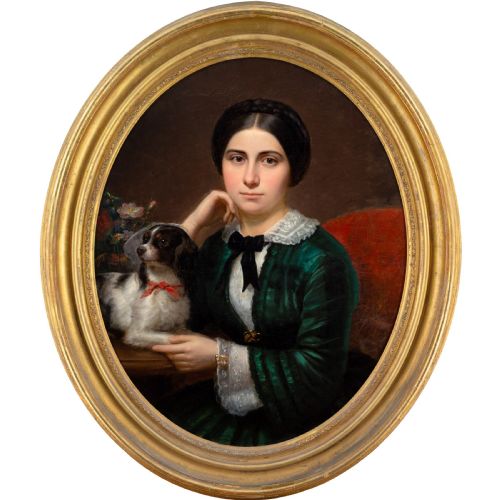
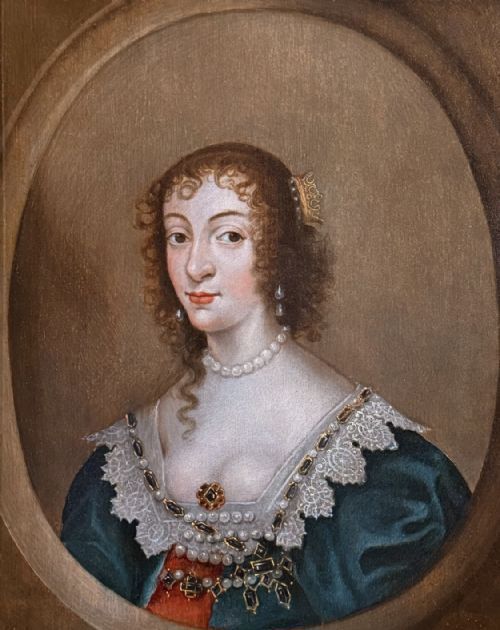
Oval Framed Oil Painting
An oval framed oil painting brings historic portraiture and rich texture into a room through curved wooden borders and layered pigments.
Oval Framed Oil Painting
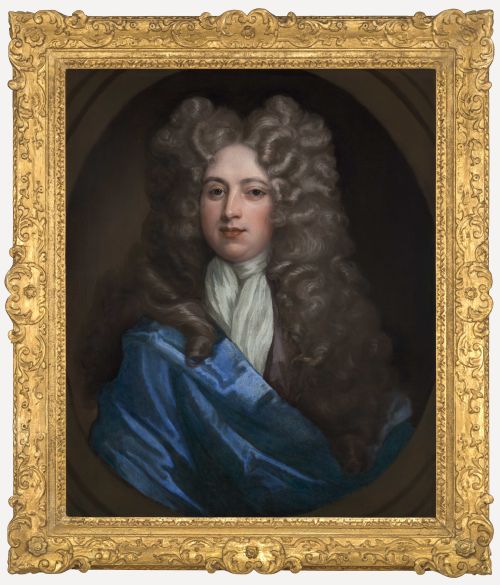
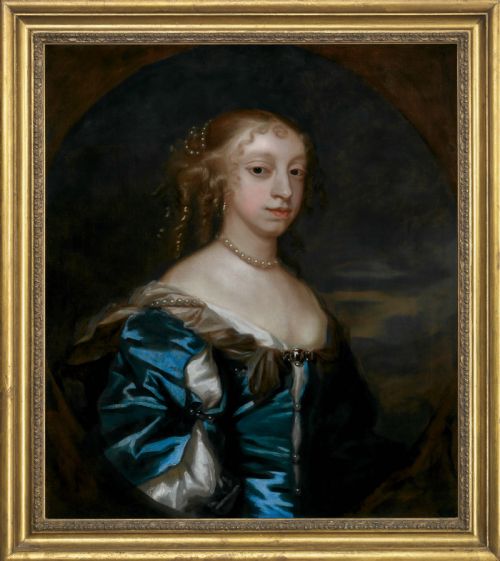
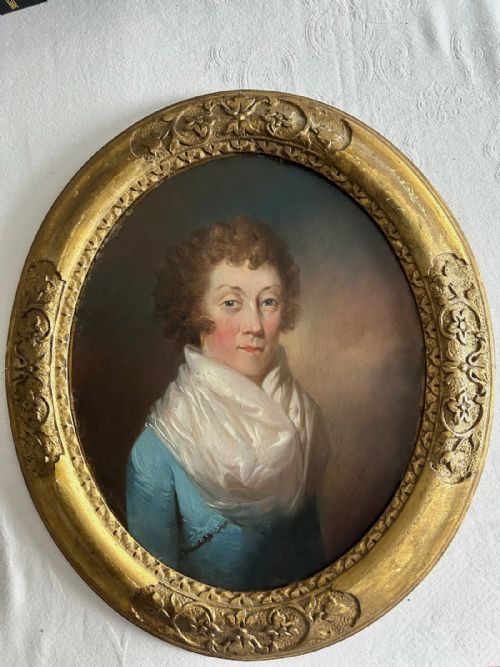
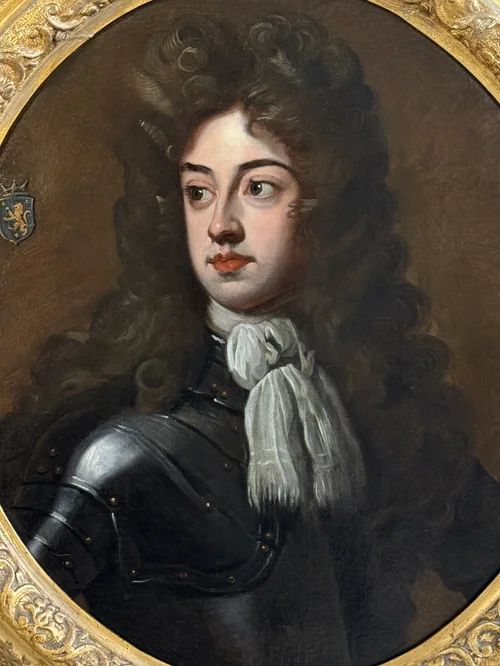
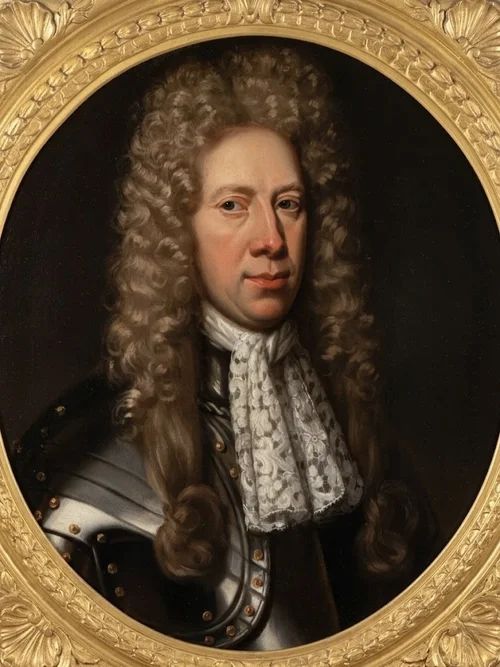
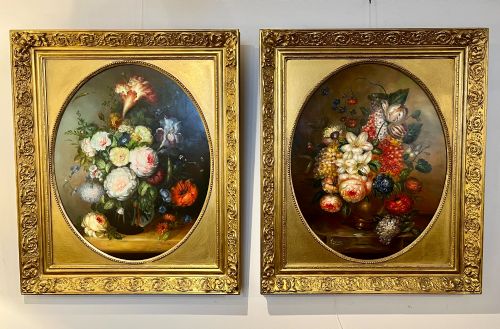
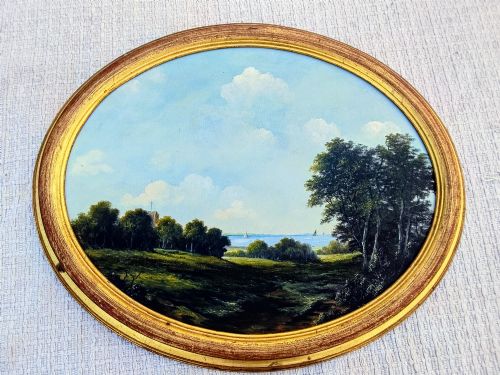
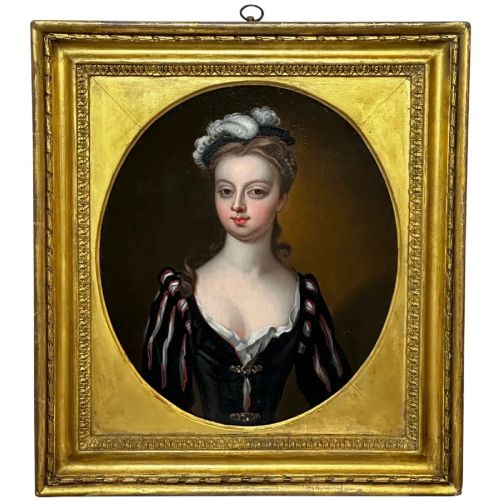
An oval framed oil painting primarily encompasses historic portraiture created across the sixteenth, seventeenth, eighteenth and nineteenth centuries, alongside select still life and landscape compositions. Buyers seeking an oval framed oil painting encounter works executed on canvas, wood panel or board, housed within curved surrounds.
The format frequently highlights aristocratic subjects, gentlemen, and ladies rendered by regional schools or named portraitists from Georgian, Victorian, and earlier continental periods. These curved compositions draw the eye inward, offering a distinct visual focus compared to standard rectangular canvases.
How they were made
Makers applied oil paint to stretched canvas or wooden panels, building depth through successive pigment layers and glazes. This traditional technique allowed artists to capture fine details in costume, lace, and facial expression.
Surrounding frames utilise carved wood, often finished with gold leaf or gilding over gesso. The curved wooden profiles required precise joinery to maintain structural integrity around the rounded corners of the artwork.
Oval Framed Oil Painting Retail Price Guide 2026
Typical asking prices for oval framed oil painting among the pieces listed under this phrase on Sellingantiques today, from the lower quarter to the upper quarter. They describe what is for sale here now, not the wider market.
Several portraits capture subjects holding everyday items like pipes, fruit baskets, or small dogs, reminding us that historical sitters enjoyed casual hobbies.
What varies in quality
The craftsmanship of the housing significantly influences overall merit, where hand-carved giltwood surrounds with intricate decorative mouldings elevate the piece beyond standard secondary frames.
Sir Godfrey Kneller·Michael Dahl·Thomas Murray·John Scougall·Vincent Clare·Jacob Philipp Hackert·Michelangelo Meucci·Thomas Beach·Jeremiah Davison·Cornelius Johnson
The Oval Framed Oil Painting Glossary
- Oil on canvas
- Pigments suspended in a drying oil medium applied to a woven fabric support. This combination provides flexibility and a textured surface for brushwork.
- Giltwood
- Wood carved and coated with gold leaf or metallic powder. It provides a luminous border that complements dark oil pigments.
- Panel painting
- Art executed on a rigid wooden support rather than fabric. Panels were common in earlier centuries before canvas gained dominance.
- Trompe l'oeil
- An artistic technique that creates optical illusions of three-dimensional objects. It appears in still life compositions designed to deceive the viewer's eye.
- Baroque
- A style characterised by drama, rich detail, and grand scale. Works from this period often emphasise movement and deep chiaroscuro.
Oval Framed Oil Painting: Frequently Asked Questions
How do I hang an oval painting securely?
Oval frames require sturdy wall anchors matched to the weight of the timber and glass components. Using a two-point hanging wire system prevents the frame from tilting sideways against the wall.
Ensure the fixing engages directly with a stud or utilises heavy-duty hollow wall toggles. This distributes the downward pull evenly across the curved upper moulding.
What periods do these paintings come from?
The selection spans from the late sixteenth century through the seventeenth, eighteenth, and nineteenth centuries. You will find pieces reflecting Georgian, Regency, and Victorian aesthetics alongside continental schools.
Earlier examples often feature rigid panel supports and formal sitter poses. Later nineteenth-century works introduce looser brushwork and varied subject matter including landscapes and still life.
How should I clean the gilt frame?
Dust giltwood surrounds gently with a soft, dry ostrich feather duster or a clean, dry artist brush. Avoid applying water or chemical solvents to the gilded surface.
Moisture can lift delicate gold leaf or damage underlying gesso layers. For stubborn dust within carved recesses, work very lightly without pressing against the wood.
Can I mix these portraits with modern decor?
Historic portraiture provides a striking focal point when contrasted against minimalist contemporary walls. The dark tones and gilt frames anchor neutral colour schemes effectively.
Pairing an antique oval work with clean architectural lines bridges centuries of design. The curved format softens boxy modern room layouts.