
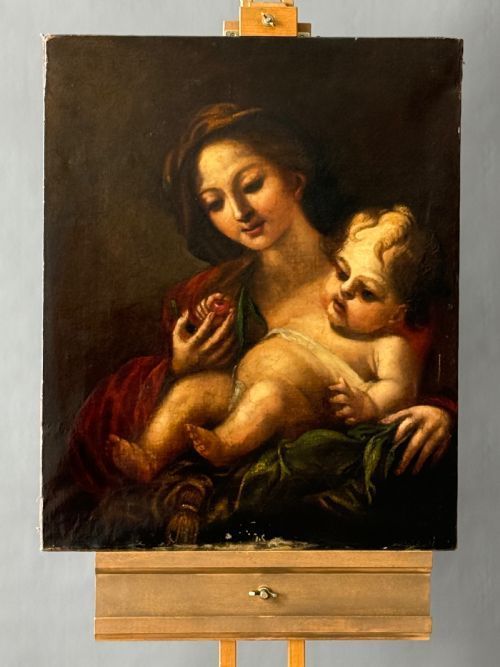


Fine Art Portrait Painting
Fine art portrait painting captures historical likenesses through centuries of evolving technique, offering collectors a direct link to past eras.
Fine Art Portrait Painting
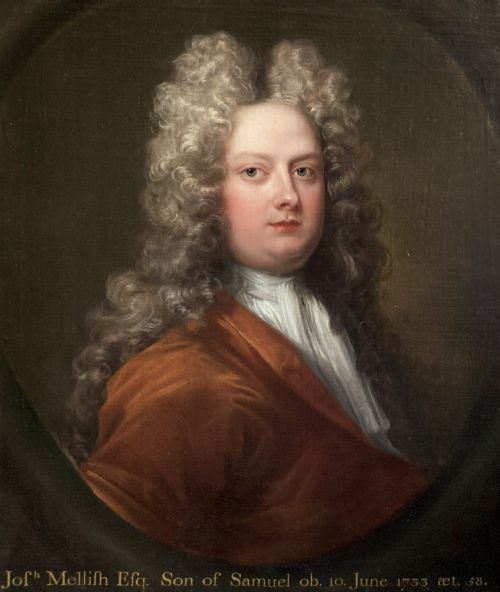
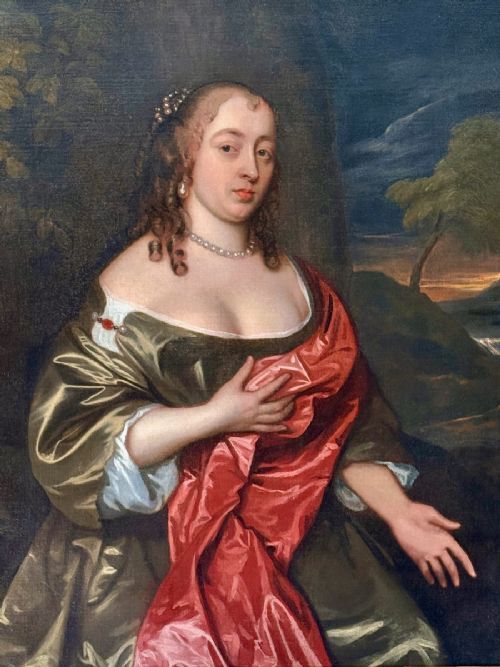
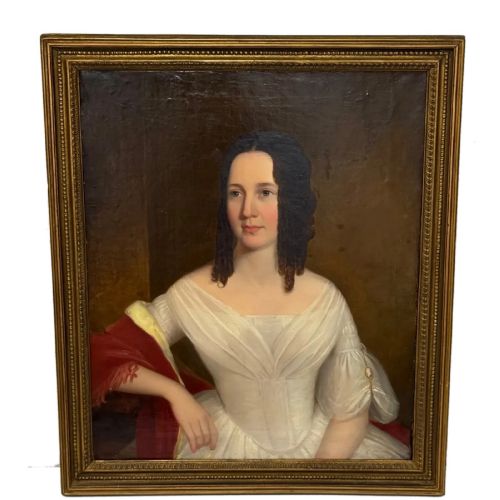
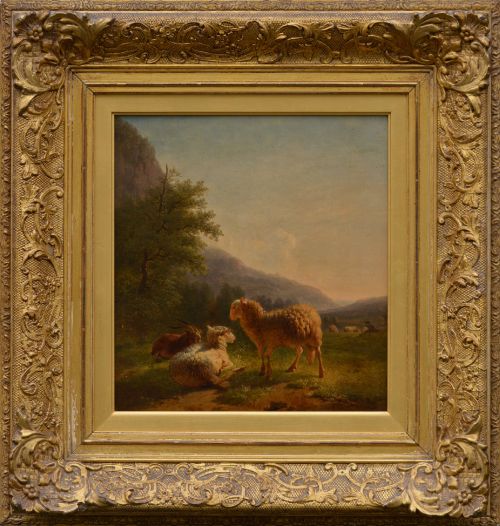
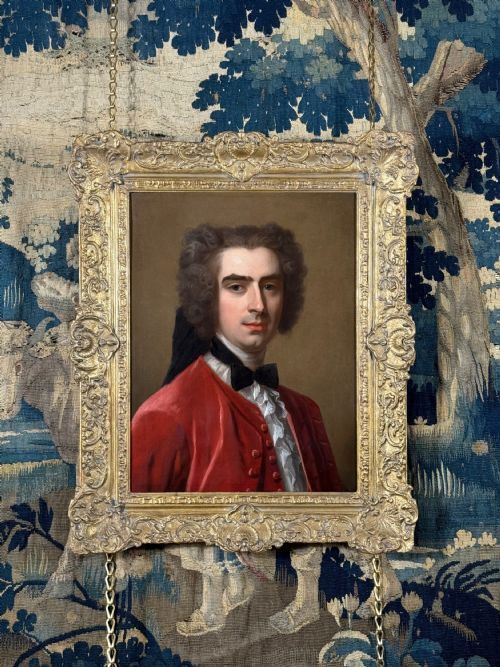
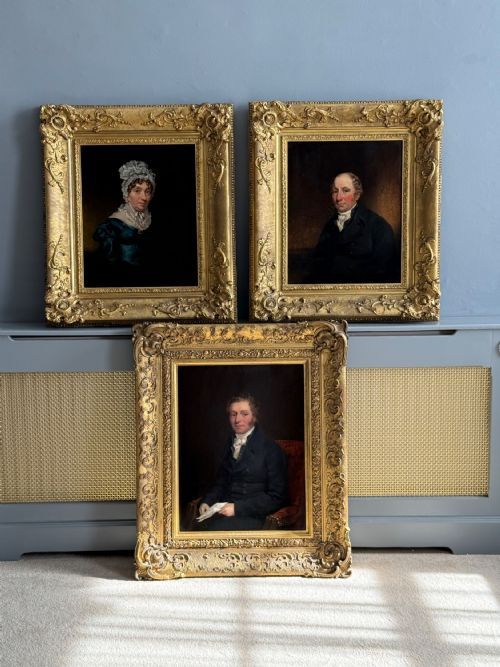
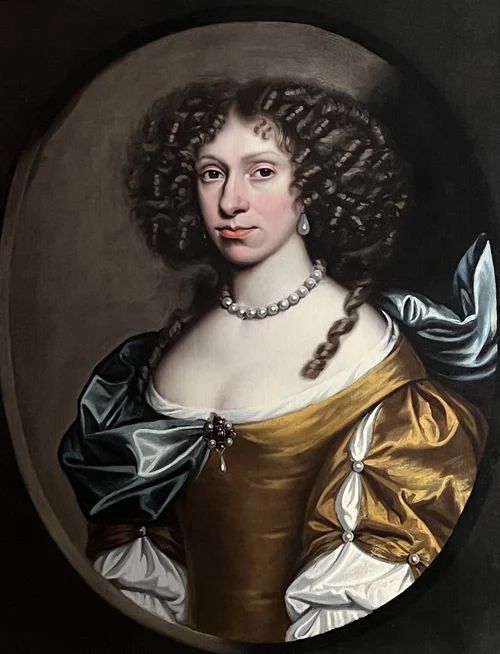
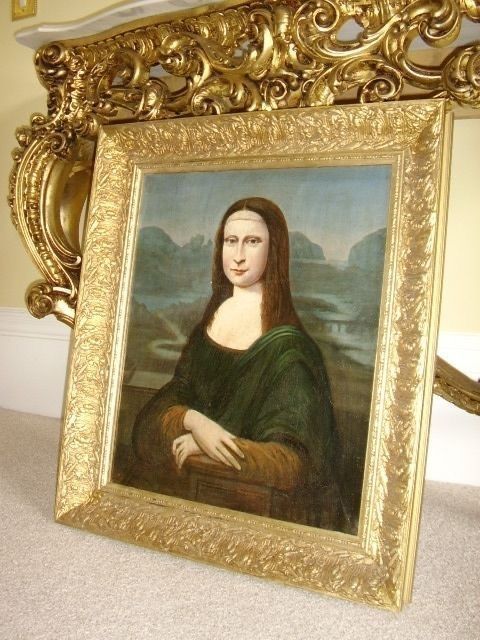
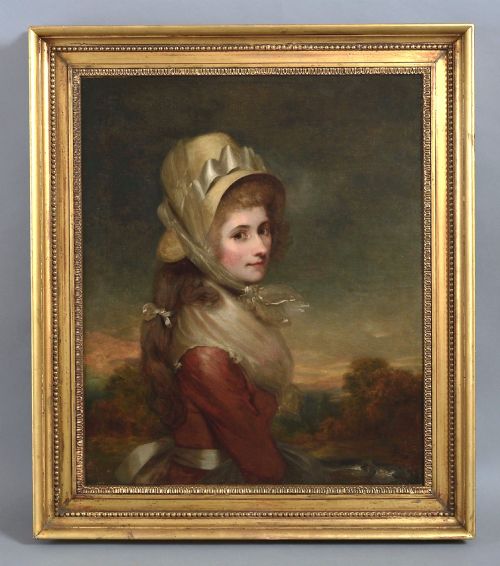
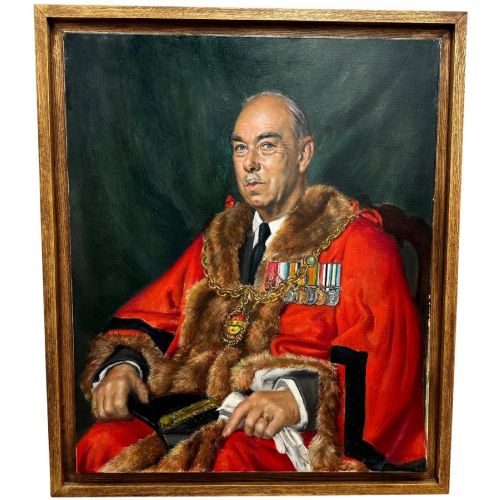
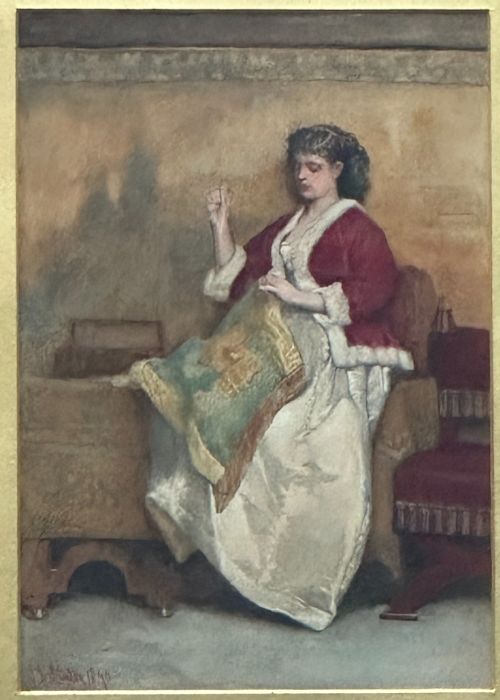
A fine art portrait painting represents individual likenesses and social status across multiple centuries, primarily spanning the seventeenth, eighteenth, and nineteenth periods. Buyers searching this phrase encounter works ranging from formal aristocratic commissions to intimate portrayals of country figures and children.
Materials and Construction
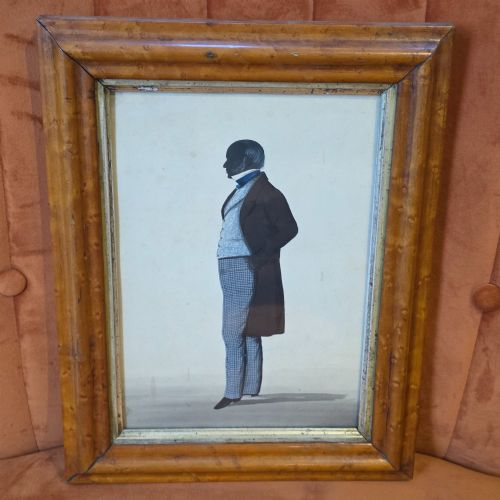
Framing and mounting involved skilled joinery, utilising carved wood and gilt finishes to protect and accentuate the central artwork. Watercolours and pastels on paper also appear, secured behind protective glazing with early backing materials.
Fine Art Portrait Painting Retail Price Guide 2026
Typical asking prices for fine art portrait painting among the pieces listed under this phrase on Sellingantiques today, from the lower quarter to the upper quarter. They describe what is for sale here now, not the wider market.
Listings span multiple centuries, incorporating oil on canvas, watercolor, and giltwood frames.
Assessing Artistic Merit
Quality separates studio output from master execution through the handling of light, anatomical precision, and psychological depth in the sitter's expression. Superior works demonstrate meticulous attention to costume details, such as lace ruffs or velvet drapery, alongside a balanced composition.
Condition plays a defining role, with preferred pieces retaining original stretchers, stable paint layers, and untouched period frames without extensive overpainting. The provenance and attribution to recognised schools or named artists further elevate the standing of individual works.
Charles Jervas·John Hayls·Joseph Clover·David Scougall·Sir Martin Archer Shee·Bernard Hailstone·Sir James Dromgole Linton·Sir Anthony van Dyck·James Sharples·John Maler Collier·George Willison·John Opie·Joshua Reynolds·Jeremiah Davison·Thomas Murray·Peter Lely·Sir Thomas Lawrence·Benedetto Luti·Gilbert Jackson
The Fine Art Portrait Painting Glossary
- Oil on canvas
- Pigment mixed with drying oil applied to a stretched fabric support. This surface medium dominates historical portraiture for its durability and blending capabilities.
- Giltwood
- Wood carved and coated with a thin layer of gold leaf or metallic powder. It provides ornate framing for formal paintings.
- Old Master
- A European artist of high skill working before the nineteenth century. These painters established foundational standards in portraiture and composition.
- Panel painting
- Artwork executed on a flat piece of wood rather than fabric. Earlier portraits frequently utilised sturdy wooden boards as a primary support.
- Provenance
- The documented history of ownership of an antique artwork. Clear records help verify authenticity and past exhibitions.
Fine Art Portrait Painting: Frequently Asked Questions
How do I date a portrait painting?
Dating relies on costume styles, hairstyles, and framing techniques characteristic of specific reigns or centuries. Inscriptions on the reverse or visible canvas often provide direct dates or the sitter's lifespan.
Material analysis of the canvas weave and panel construction further supports accurate period attribution.
Where should I hang a large oil portrait?
These works require stable wall spaces away from direct sunlight, high humidity, and rapid temperature fluctuations. Historic oil paintings suit principal reception rooms or hallways with controlled ambient light.
Ensure wall fixings match the substantial weight of both the canvas and its original giltwood frame.
What is the difference between a studio work and an original master piece?
A master piece originates directly from the primary artist's hand, exhibiting distinct personal brushwork and signature composition choices. Studio works are executed by assistants or followers under the master's supervision, often replicating popular compositions.
Both categories hold historical value, though primary attributions command greater attention from collectors.
How do I care for antique canvas paintings?
Maintenance involves gentle dusting with a soft, dry brush and keeping the environment free from tobacco smoke and moisture. Professional conservators should handle any cleaning of the varnish layer or structural canvas repairs.
Avoid using liquid cleaners or household products on the painted surface or delicate gilt frames.