




Art Deco Wall Art
When gathering art deco wall art, you select from mirrors, clocks, paintings, and light fittings shaped by the design movements of the early twentieth century.
Art Deco Wall Art
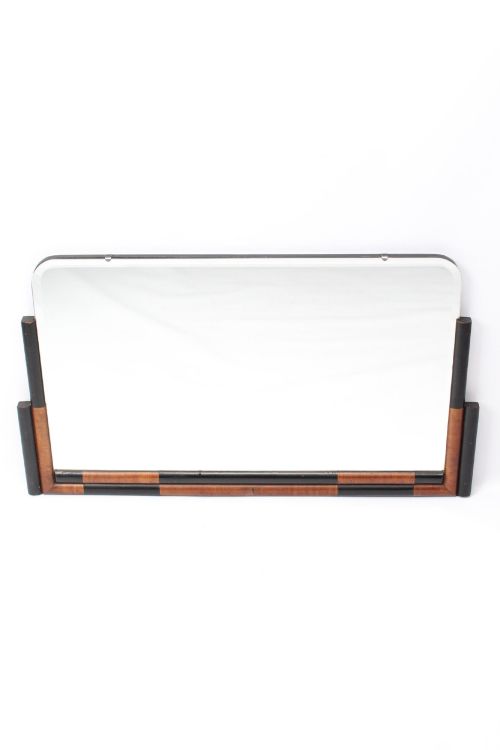
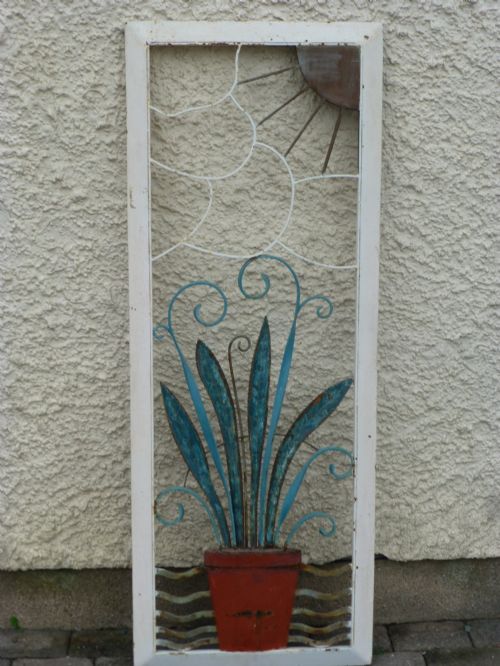
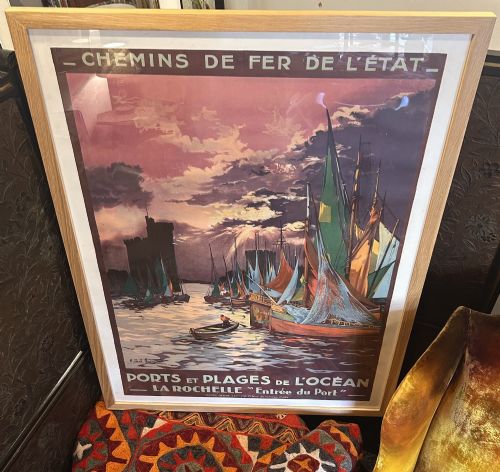
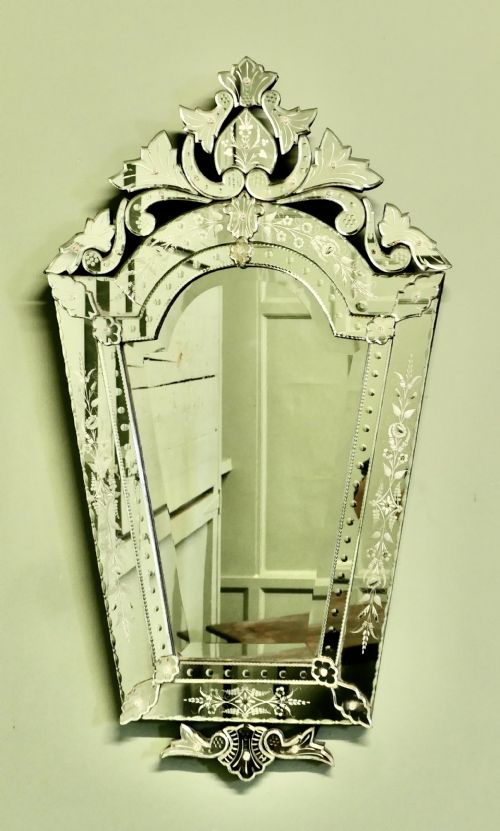
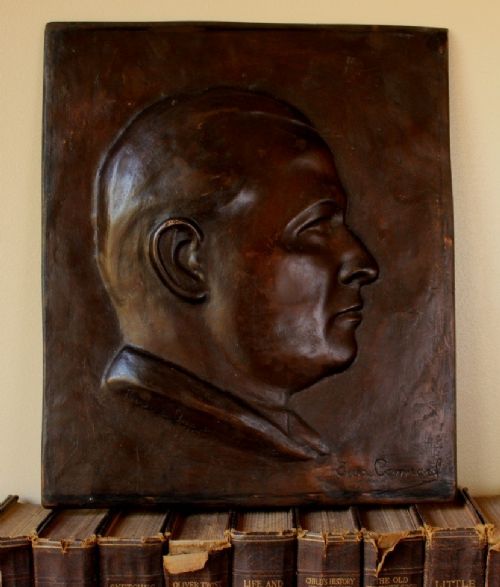
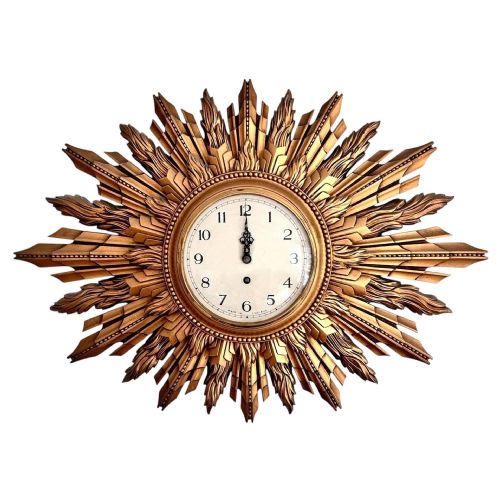
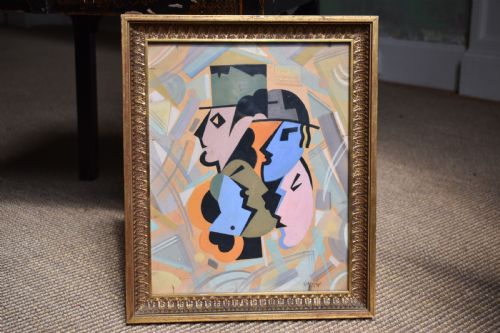
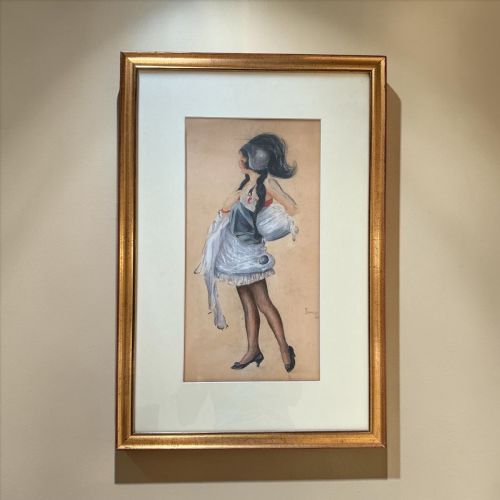
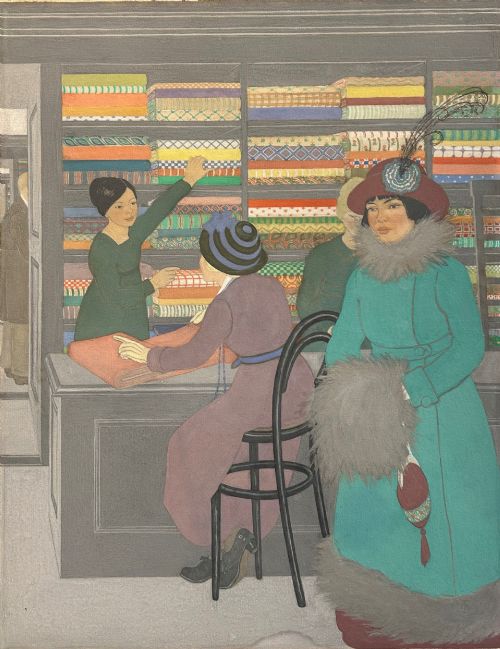
Art deco wall art encompasses a diverse array of decorative and functional objects designed to hang upon domestic and commercial interiors. Pieces range from architectural mirrors and striking pendulum clocks to framed watercolours, oil paintings, and photographic prints.
Lighting fixtures form a substantial portion of these selections, including wall sconces, brackets, and pairs of matching lamps constructed to illuminate hallways and reception rooms. Barometers, plaques, textile panels, and coat racks complete the assortment found across these listings.
Most items originate from the 1920s and 1930s, though examples span from the Edwardian era through to the 1950s. French, English, and Venetian origins appear regularly, showing distinctive regional interpretations of modernist design.
How they were made
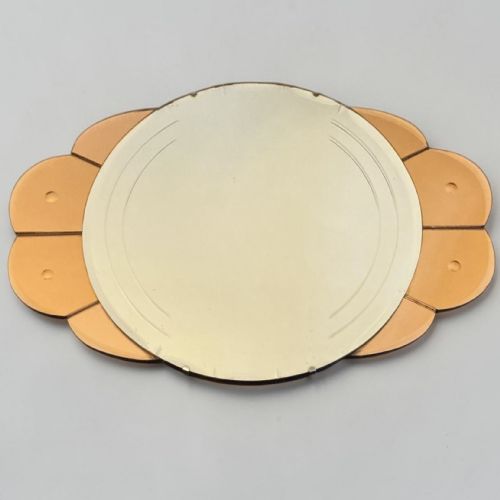
Makers utilised a combination of traditional cabinet woods such as oak, walnut, and ebonised timber alongside emerging industrial metals including brass, bronze, copper, and chrome. Glass underwent various treatments, resulting in opaline, peach, frosted, and reverse-painted panels incorporated into mirrors and light shades.
Visual arts on paper and canvas relied on watercolour, pastel, and impressionist oil techniques, while photographs capture hand-tinted and contact-sheet processes. Ceramics and pottery items utilised moulded earthenware decorated with coloured glazes.
Art Deco Wall Art Retail Price Guide 2026
Typical asking prices for art deco wall art among the pieces listed under this phrase on Sellingantiques today, from the lower quarter to the upper quarter. They describe what is for sale here now, not the wider market.
Listings feature clocks, mirrors, and lighting in oak, walnut, brass, chrome, and glass, spanning production from the Edwardian period to the 1950s.
What varies in quality
Quality rests upon the integrity of the materials and the ambition of the original design, distinguishing mass-produced commercial items from studio pieces and named maker outputs. Artisanal execution in metalwork, glass shaping, and hand-painted details elevates an object above standard production.
Condition and originality dictate desirability, particularly regarding original glass plates within mirrors, matching sets of light sconces, and untouched mechanical movements in clocks. The retention of authentic patination across brass, bronze, and wood surfaces marks superior examples.
Raymond Subes·Smiths·Vedette·Louis Icart·Julian Mandel·Gustav Becker
The Art Deco Wall Art Glossary
- Aneroid barometer
- A device measuring atmospheric pressure without liquid, typically housed in a decorative wood or metal wall case. These instruments often incorporate carved or geometric borders suited to period interiors.
- Wall sconce
- A decorative bracket fixed to a wall to hold one or more electric lamps or candles. In period pieces, these frequently combine chrome or brass frames with moulded glass shades.
- Reverse-painted glass
- A technique where the artist paints directly onto the back of a glass sheet so the image is viewed through the front. This method creates a glossy, reflective finish common on vintage signs and decorative panels.
- Wall mask
- A ceramic or plaster sculptural plaque depicting a human face or head designed for hanging. These objects often display stylised hair and makeup typical of interwar aesthetic trends.
- Girandole
- An ornate wall mirror featuring attached candle holders or light branches that reflect the illumination. Venetian examples frequently employ tinted glass sections and decorative floral motifs.
Art Deco Wall Art: Frequently Asked Questions
How do I hang a heavy antique mirror safely?
Heavy wall mirrors require secure fixings anchored directly into wall studs or masonry using appropriate heavy-duty brackets. The weight should be distributed evenly across robust wire or strap hangers attached firmly to the frame.
Professional installation is recommended for large timber or cast-iron framed pieces to prevent structural strain on the wall and the object itself.
Can antique wall lights be rewired for modern use?
Most vintage light fixtures accept modern electrical wiring and standard bulb holders with minor adjustments by a qualified electrician. Rewiring ensures safety while preserving the original metalwork, glass shades, and backplates.
Retaining the original components where possible maintains the historical integrity of the lighting fixture.
How do I identify a 1920s clock movement?
Interwar clock movements often feature maker stamps, serial numbers, or distinctive striking mechanisms such as Westminster chimes. Examining the backplate and winding arbours reveals the manufacturing origin and mechanical standard.
French and English workshops predominated during this period, each employing recognisable pendulum suspensions and escapement designs.
What rooms suit art deco wall art?
These versatile pieces integrate into hallways, living rooms, and bedrooms, providing focal points above mantelpieces or side tables. Mirrors and glass sconces enhance natural light in smaller spaces, while paintings and clocks add character to larger walls.
Pairing complementary materials like chrome and walnut creates a cohesive period aesthetic within a room.