
Framed Fruit Artwork
Framed fruit artwork brings traditional still life painting into the home, offering oil on canvas and wood panel works set within period timber frames.
What framed fruit artwork is
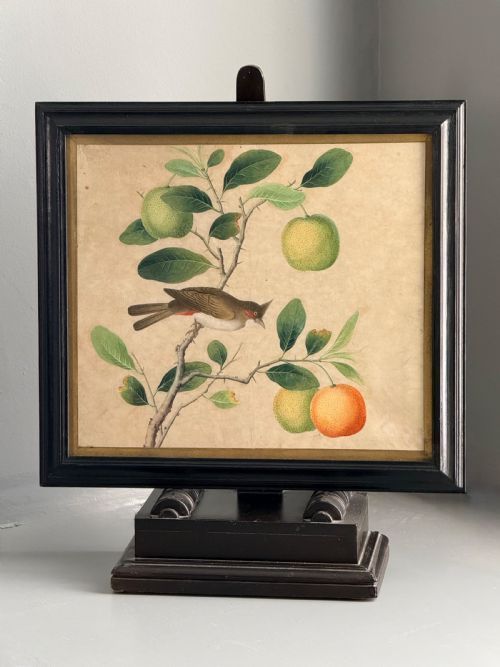
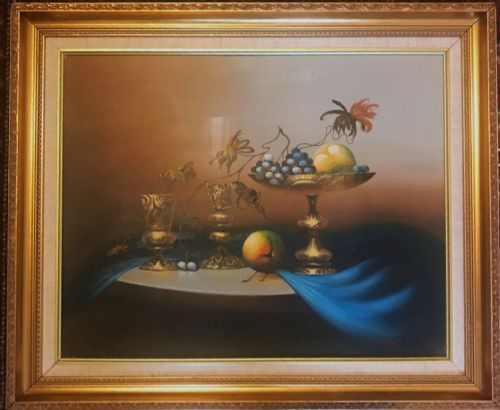
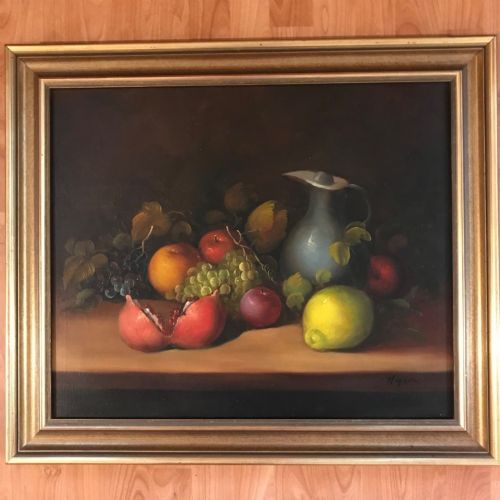
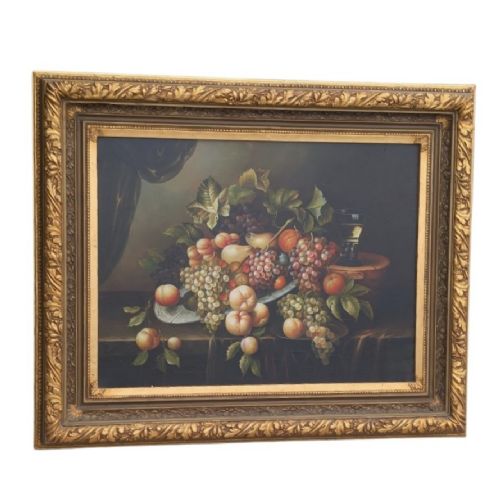
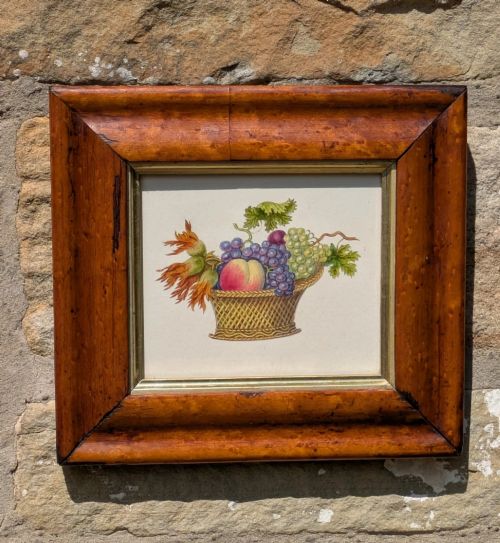
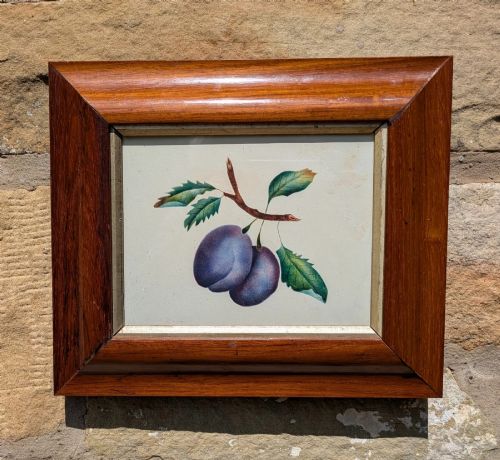
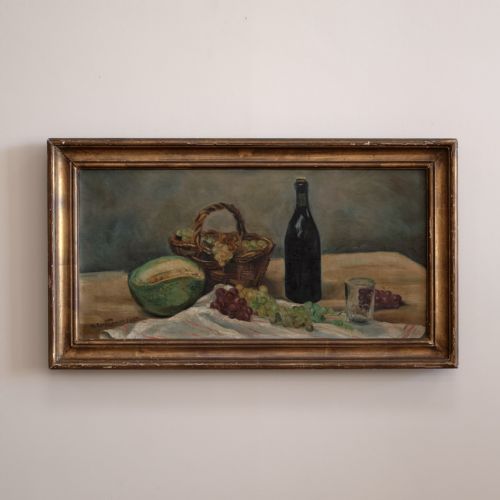
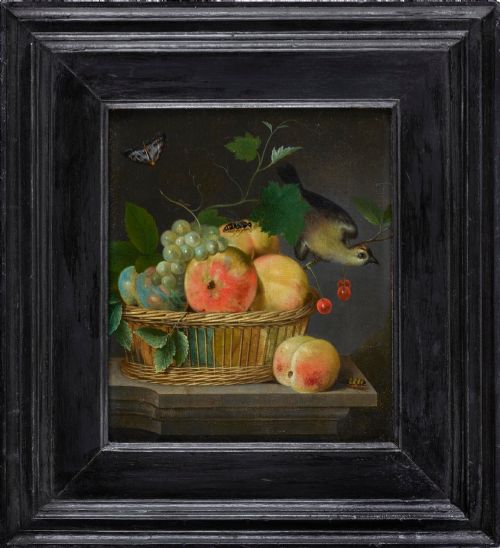
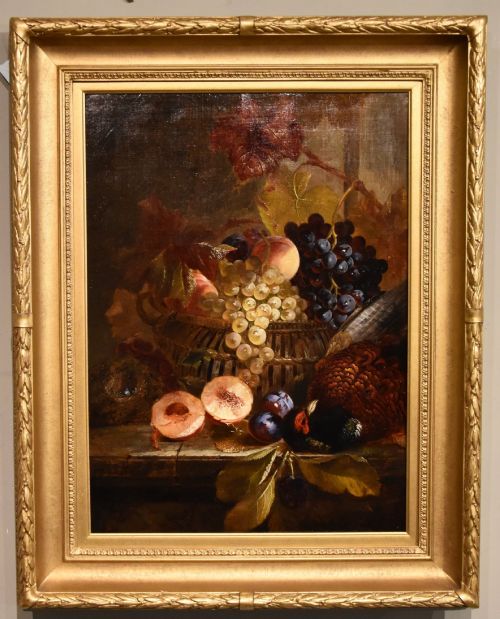
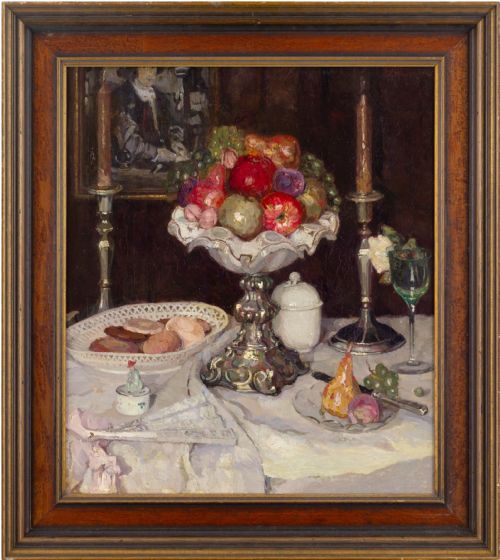
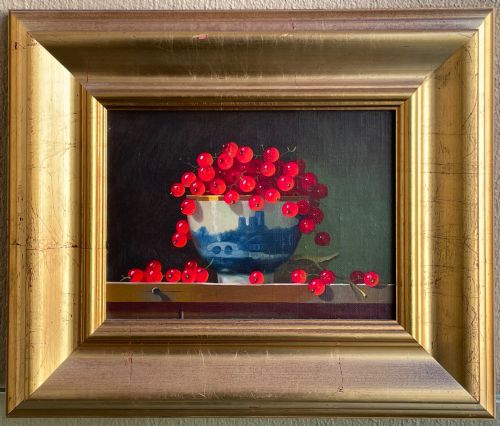
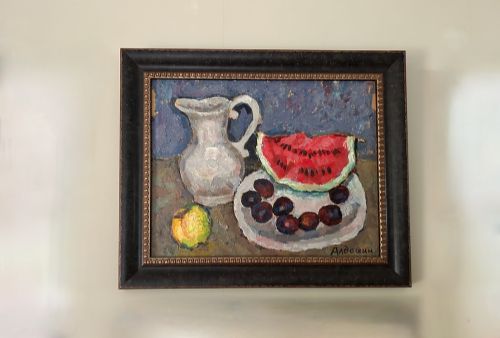
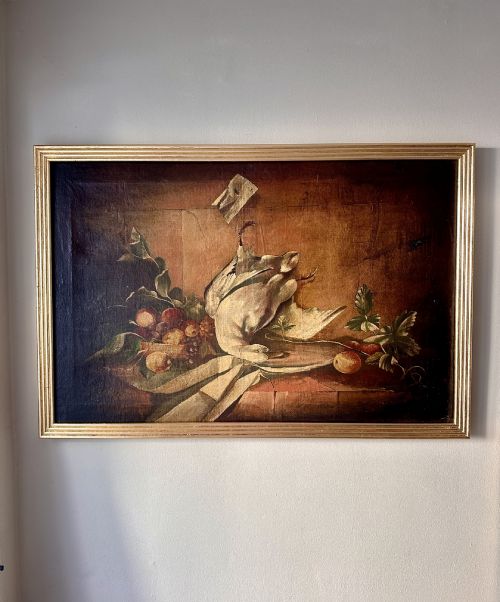
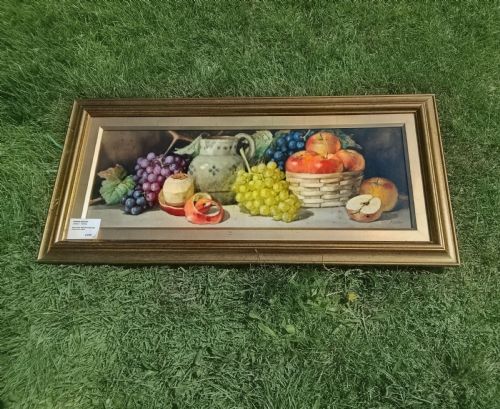
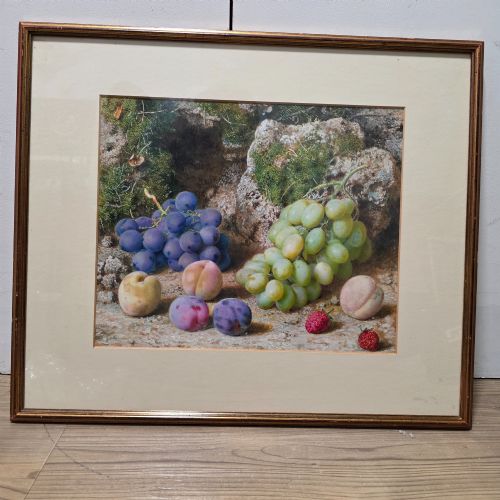
Framed fruit artwork comprises still life oil paintings depicting subjects such as apples, pomegranates, walnuts, and ginger jars. These works span the nineteenth century, Victorian, Edwardian, and Art Deco periods, capturing realistic arrangements of produce.
Buyers meet pieces originating from various decades, including works dated around eighteen eighty-one, nineteen hundred, nineteen twenty, and nineteen thirty. The selection includes both canvas supports and solid wood panels, each housed in period wooden or gilded frames.
How they were made
Artists painted these works using oil paint applied either to stretched canvas or directly onto wood panels. Pigments capture the varied textures of fruit skins, ceramic jars, and woven baskets.
The paintings are set within frames constructed from solid wood, gilt wood, or gilded wood. These surrounds complement the traditional oil paintings and protect the edges of the canvas or panel.
Listings span four distinct periods: the nineteenth century, nineteen hundred, nineteen twenty, and nineteen thirty, covering Victorian, Edwardian, and Art Deco styles.
What varies in quality
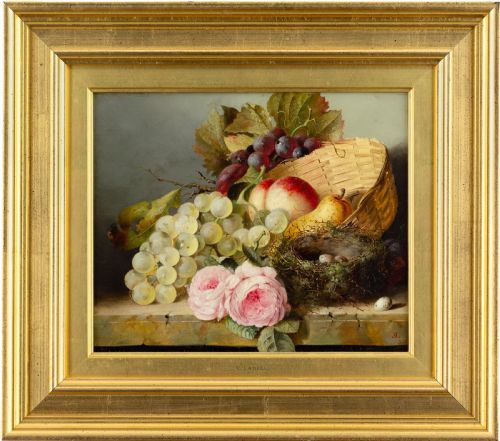
Quality rests in the precision of the brushwork and the naturalism of the fruit arrangements. Finer examples display subtle shading on objects like pomegranates and walnuts, alongside carefully rendered backgrounds.
The character of the frame also defines the piece, with solid wood and gilded mouldings offering greater visual weight than simpler surrounds. Signed works, such as those bearing names like E. Cremer or T.Vincent, carry distinct attribution that separates them from unsigned studies.
E Cremer·T Vincent
The Framed Fruit Artwork Glossary
- Still life
- A painting featuring inanimate subject matter, typically everyday objects such as fruit, baskets, and ceramic jars. This genre allows artists to focus heavily on light, shadow, and texture.
- Wood panel
- A rigid wooden support used by artists instead of stretched canvas. Panels provide a firm surface that withstands the pressure of heavy oil paint application.
- Gilt wood
- Wood that has been treated with a thin layer of gold leaf or gold paint. This finish creates a reflective, decorative border around the artwork.
- Canvas
- A heavy woven fabric stretched across a wooden frame to act as a foundation for oil painting. It remains a traditional support found across many historical periods.
Frequently Asked Questions
What periods do these paintings come from?
The available works span the nineteenth century, the Victorian era, the Edwardian period, and the nineteen thirties. Dates range from eighteen eighty-one through to nineteen thirty.
Each period brings distinct framing choices and painting styles, shifting from nineteenth century realism towards Art Deco aesthetics.
Are these paintings created on canvas or wood?
Artists utilised both canvas and wood panels for these still life works. Oil paint was applied directly to these surfaces depending on the maker's preference.
Solid wood panels offer a rigid support, whereas canvas works are stretched over internal wooden frames before being placed into their outer decorative surrounds.
How are the frames described?
The surrounds consist of solid wood, gilt wood, and gilded wood period frames. These are matched to the era of the painting itself.
Gold leaf and carved timber mouldings enhance the visual presence of the artwork, providing a defined border that suits traditional interiors.
What subjects typically appear in these artworks?
Compositions focus predominantly on fruit such as apples, pomegranates, and walnuts. Additional elements like Chinese ginger jars and woven baskets frequently accompany the produce.
These tabletop arrangements highlight the interplay of light across organic shapes and glazed ceramics.