




Oil on Wood Panel
When you examine an oil on wood panel, you hold a firm, stable painting surface favoured by artists for centuries.
Oil on Wood Panel
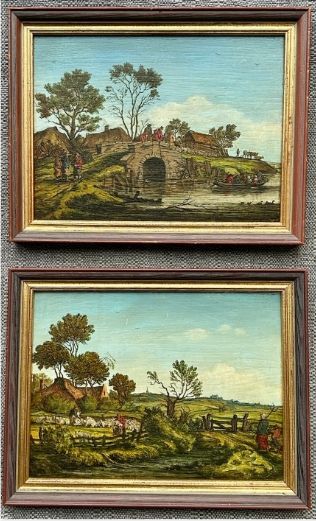
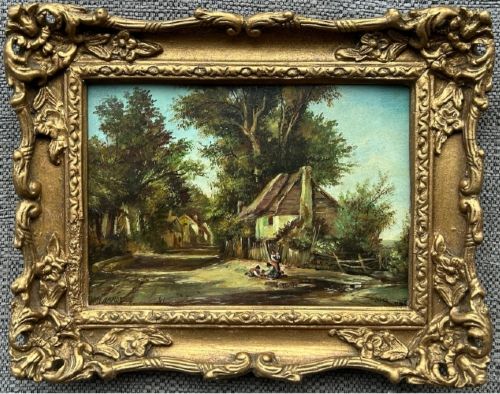
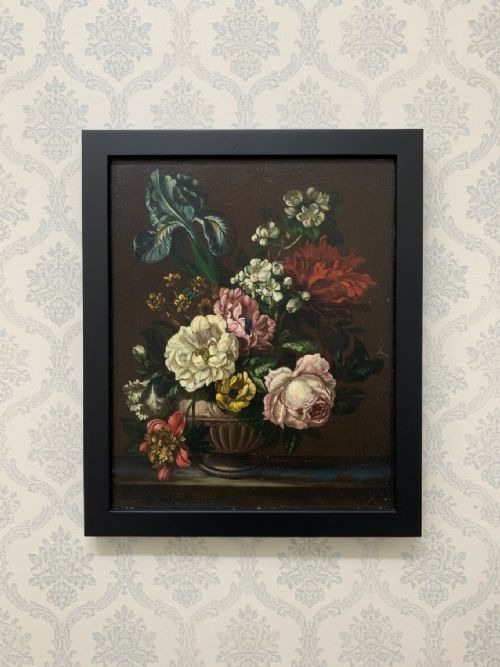
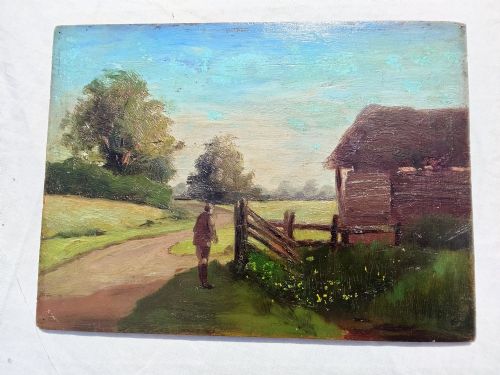
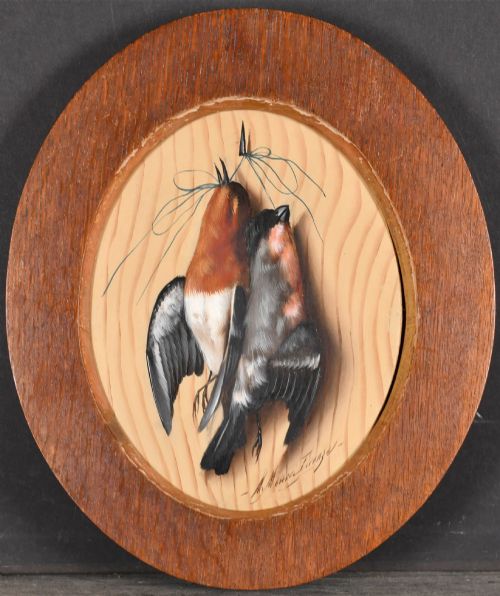
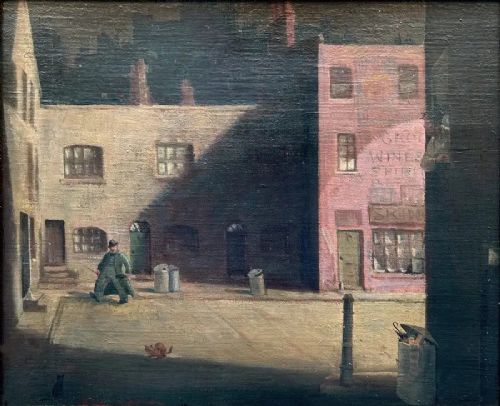
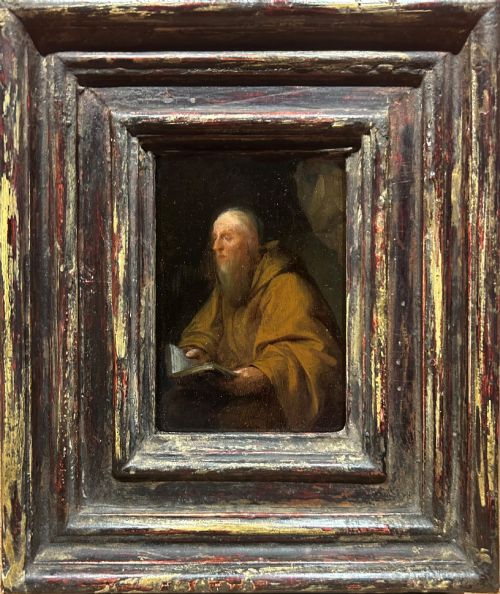
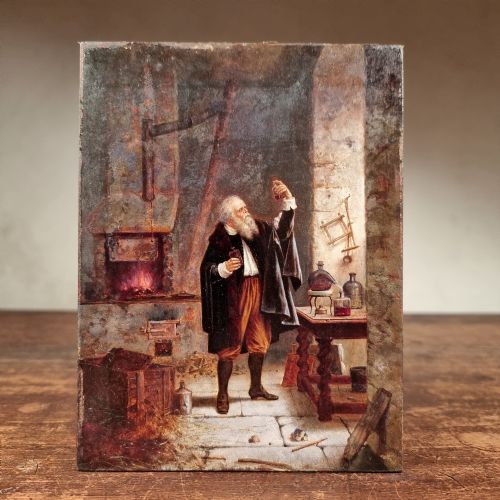
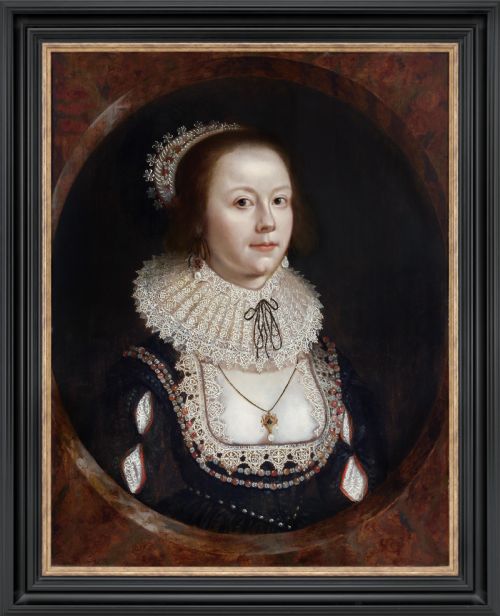
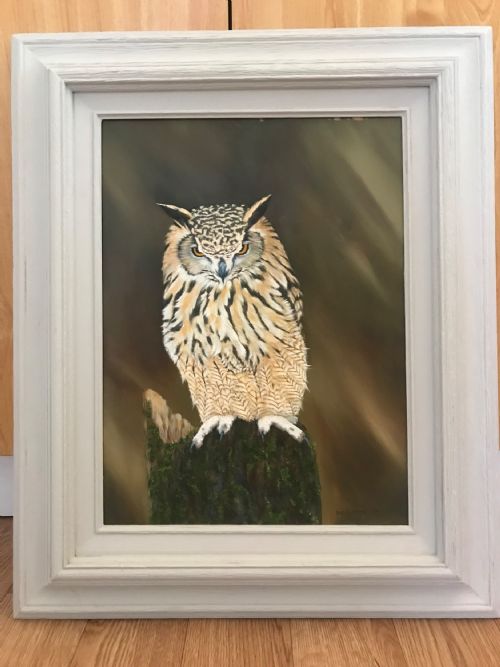
An oil on wood panel is a rigid painting support utilised by artists across the seventeenth, eighteenth, nineteenth, and twentieth centuries. Buyers frequently encounter landscapes, portraits, still life studies, and genre scenes rendered on timber boards rather than stretched canvas.
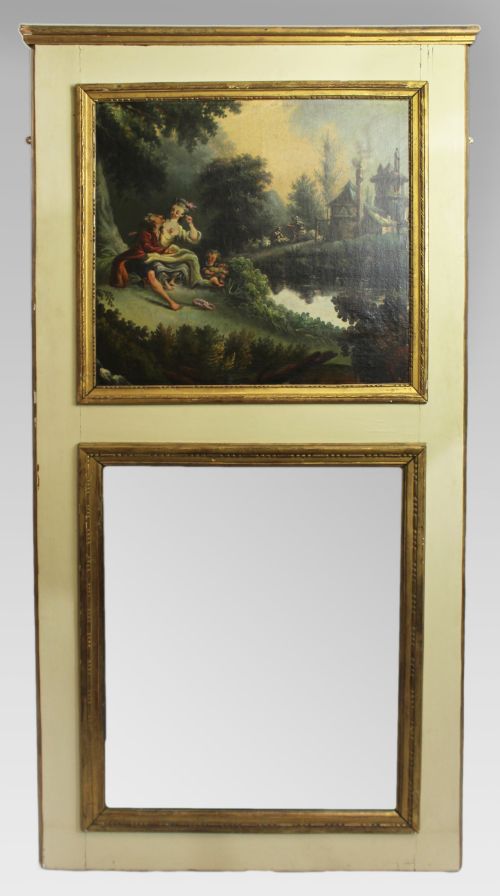
The selections span distinct regional schools, including British, Dutch, French, and Italian examples. Pieces range from intimate miniature cabinet paintings to architectural overdoor panels and framed wall mirrors incorporating pastoral oils.
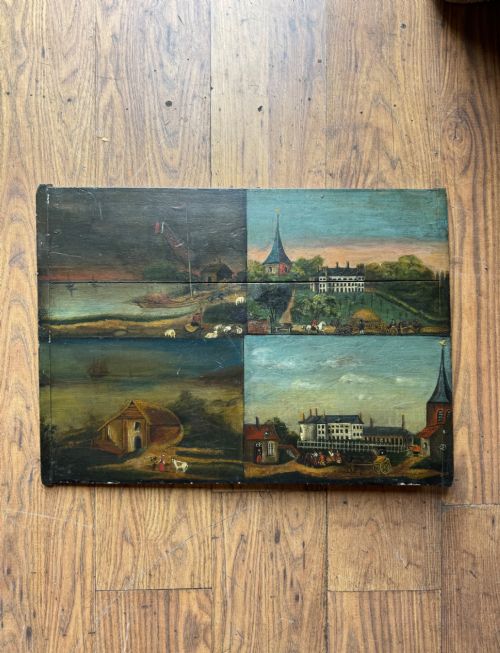
Many works bear signatures of known painters, while others originate from provincial naive schools or follow the manner of earlier European masters. These panels offer a direct window into historical painting traditions and domestic interior decoration.
How They Were Made
Artists painted directly onto prepared timber substrates such as oak, mahogany, or general wooden boards, sometimes applying a smooth ground layer to receive the pigments. Oil paint was then built up in transparent glazes or thick impasto, depending on the desired texture and light effect.
Finished works were frequently housed in solid wood period frames, ornate gilt wood surrounds, or baroque rococo frames decorated with floral motifs. The rigidity of the wood panel protected the paint layer from flexing, preserving intricate details over centuries.
Oil on Wood Panel Retail Price Guide 2026
Typical asking prices for oil on wood panel among the pieces listed under this phrase on Sellingantiques today, from the lower quarter to the upper quarter. They describe what is for sale here now, not the wider market.
Listings feature works spanning from the seventeenth century through to the mid-twentieth century, utilising oil paint on wood panels and boards.
What Varies in Quality
Quality reveals itself in the brushwork, the handling of light, and the anatomical or spatial accuracy of the composition. Master painters achieved subtle gradations and lifelike textures in fabric, flesh, and foliage, whereas naive or provincial pieces display a simpler, more rustic charm.
The preparation and selection of the timber board also influence the longevity and stability of the artwork. Finer works retain their original surface tension without warping, while the quality of the surrounding period frame contributes to the overall integrity of the piece.
Tom Campbell·Michelangelo Meucci·Florence Adelina Hess·Hans Temple
The Oil on Wood Panel Glossary
- Panel
- A flat piece of wood used as a support for painting instead of canvas. Artists valued its rigidity and smooth surface for fine detail work.
- Impasto
- Paint applied thickly to a surface, standing out in relief from the panel. This technique adds tactile depth and catches light across the brushstrokes.
- Trumeau mirror
- An antique wall mirror featuring a painted or carved panel above the glass plate. These architectural pieces often incorporated pastoral oil scenes.
- Provenance
- The documented history and ownership lineage of an artwork. Clear records help confirm attribution and authenticity.
- Capriccio
- An architectural fantasy artwork placing buildings, ruins, and other architectural elements in a fictional combination. Italian schools frequently employed this style.
Oil on Wood Panel: Frequently Asked Questions
How do I clean an oil on wood panel?
Dust the surface gently with a soft, dry brush without applying moisture or pressure. Avoid using chemical cleaners or household products on the paint layer.
Consult a professional art conservator for deeper cleaning or restoration work to prevent damaging the historic pigments.
Why did artists paint on wood instead of canvas?
Wood panels provided a completely rigid and durable surface that did not slacken over time. This firmness allowed artists to execute extremely fine brushwork and intricate details.
Panels were standard practice before canvas became widely available and remained popular for smaller cabinet paintings.
How can I tell the age of a wooden panel?
Examine the reverse side of the board for tool marks, grain patterns, and signs of historical framing or preparation. Dendrochronology can sometimes date the tree ring growth used for the timber.
Associated styles, clothing in portraits, and framing techniques also offer strong clues to the period of creation.
Where should I hang a panel painting at home?
Select an interior wall away from direct sunlight, heating vents, and damp conditions. Stable environmental temperatures protect the wood from expanding or contracting.
Ensure the hanging hardware securely supports the weight of both the panel and its period frame.