
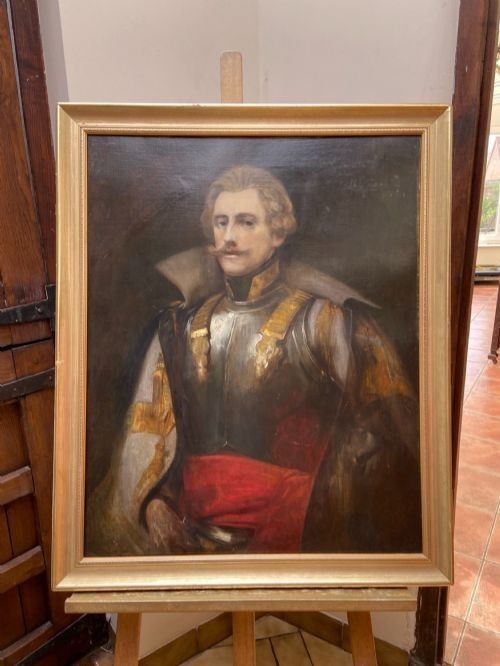
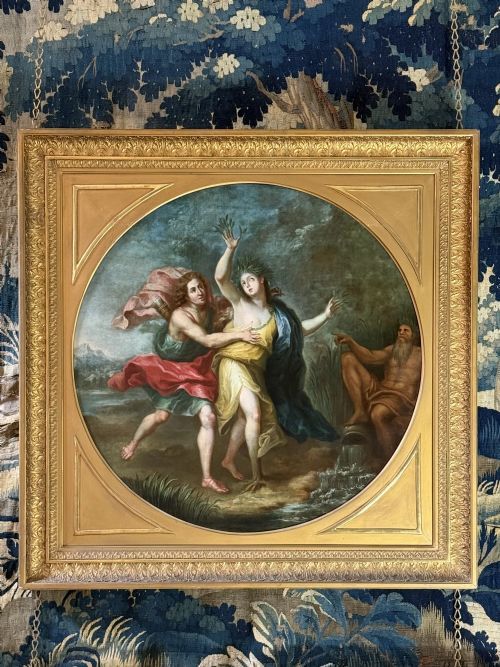
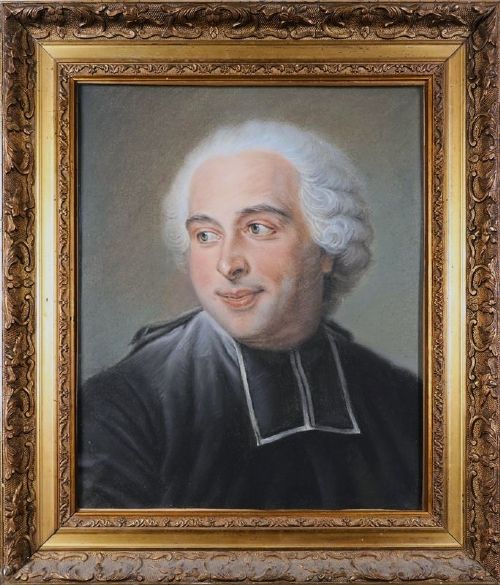
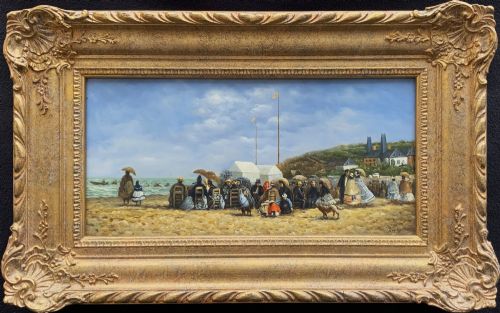

Antique French Artwork
These antique french artwork pieces bring centuries of European painting, drawing, and printmaking into your home.
Antique French Artwork
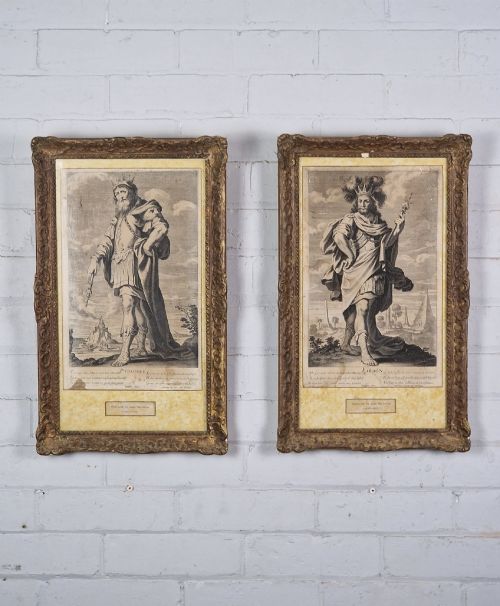
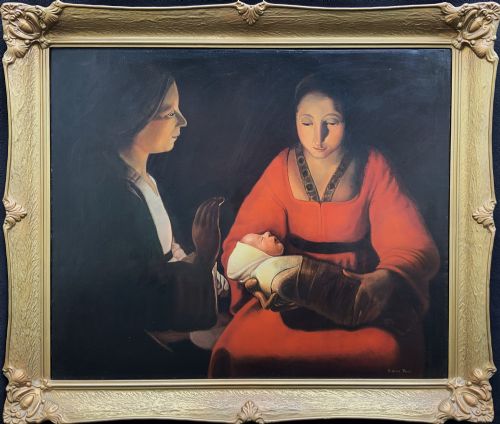
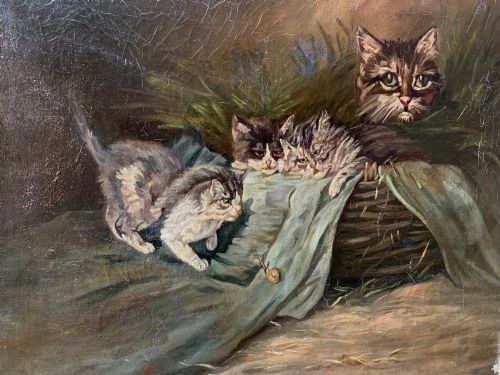
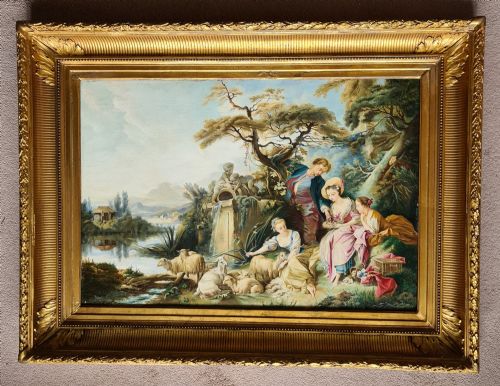
When searching for antique french artwork, buyers encounter a diverse selection of oil paintings, works on paper, and framed prints originating from multiple European periods.
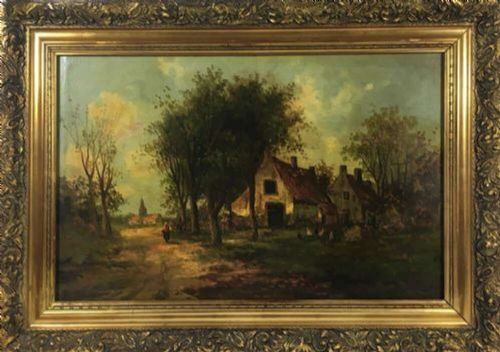
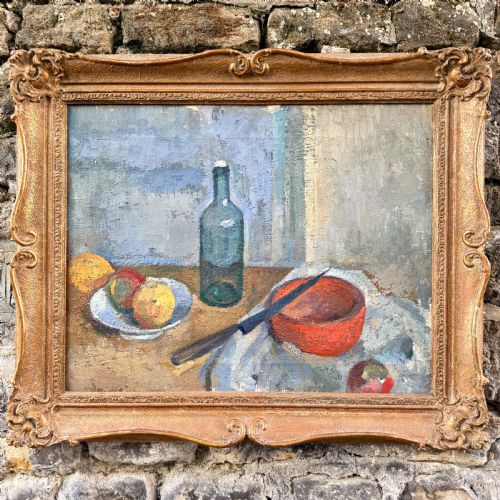
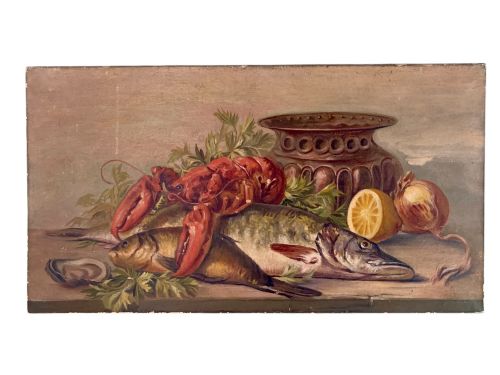
The selections span from seventeenth-century classical etchings and eighteenth-century portraiture to nineteenth-century landscapes and early twentieth-century Post-Impressionism.
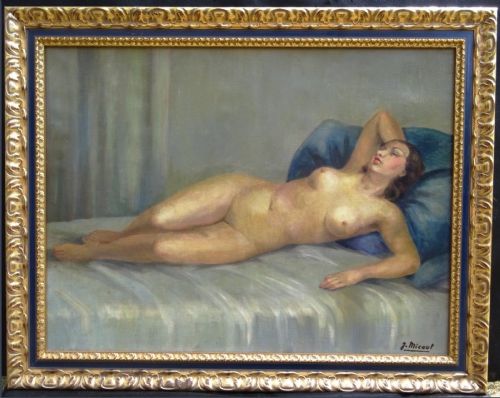
Oil on canvas remains the most frequent medium on this page, accompanied by wood, paper, glass, and giltwood frames.
What varies in quality
Visual power separates ambitious compositions from standard decorative productions, distinguishing works with confident brushwork and anatomical accuracy from rigid copies.
The preservation of the original surface, pigment stability, and the integrity of the canvas or paper substrate dictate the longevity of the physical piece.
Period framing matching the age of the artwork elevates the cohesion and historical completeness of the overall object.
Antique French Artwork Retail Price Guide 2026
Typical asking prices for french artwork among the pieces listed under this phrase on Sellingantiques today, from the lower quarter to the upper quarter. They describe what is for sale here now, not the wider market.
Materials include oil on canvas, wood, paper, glass, gilt wood, and gold leaf across multiple centuries.
CHARLES-ANTOINE COYPEL·Eugène-Louis Gillot·Elisabeth Sonrel·Marcellin Auzolle·Edouard Pingret·Arthur Gué·François Perrier·HECTOR CAFFIERI·Adelaïde Salles-Wagner·Hyacinthe Colin de Vermont·Guillaume Courtois·Henri Ottmann·Henri Charles Angéniol·Charles Euphraisie Kuasseg
The Antique French Artwork Glossary
- Oil on Canvas
- Pigments bound in a drying oil medium applied to a stretched fabric support. This surface allows for rich colour blending and textured impasto application.
- Etching
- A printmaking process where acid bites lines into a metal plate covered with an acid-resistant ground. Ink is then pressed into the recessed grooves for printing.
- Giltwood
- Timber carved and coated with gold leaf or metallic powder. It provides a reflective, ornate border common on European frames.
- Lithography
- A planographic printing method based on the mutual repulsion of oil and water. Artists draw on limestone or metal plates to produce multiple impressions.
- Barbizon School
- A mid-nineteenth-century French art movement focused on realistic landscape painting. Practitioners painted outdoors to capture natural light and atmospheric conditions.
Antique French Artwork: Frequently Asked Questions
What periods do these pieces cover?
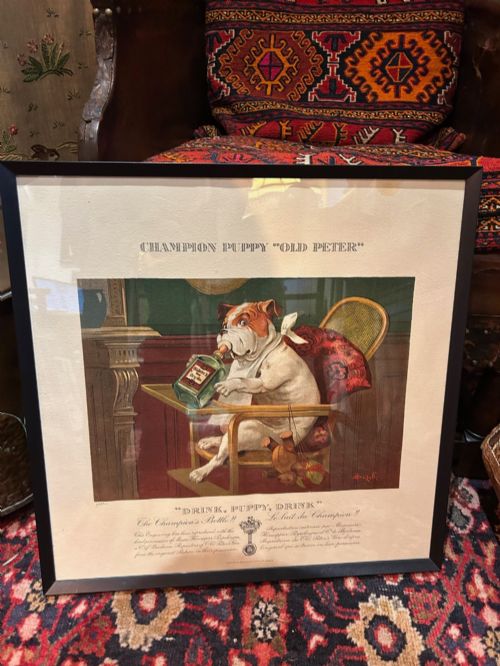
The available inventory spans from the seventeenth century through to the mid-twentieth century. This broad chronological range includes seventeenth-century etchings, eighteenth-century portraits, and nineteenth-century landscapes.
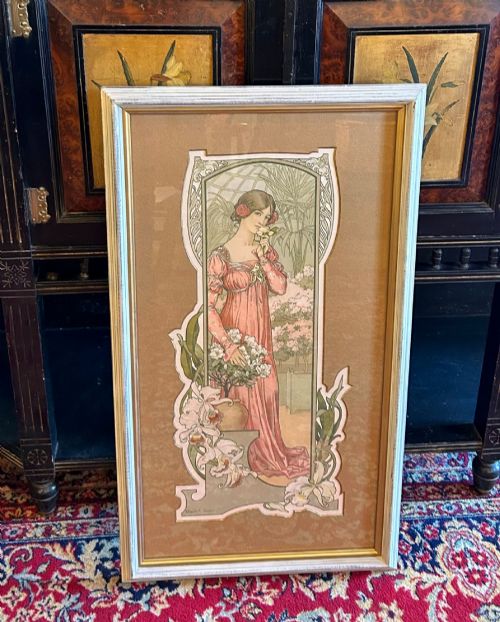
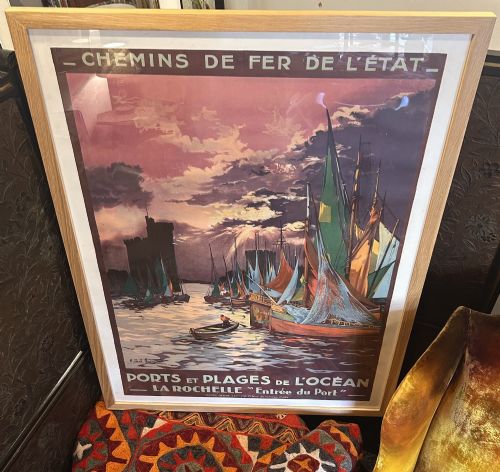
Later items feature early twentieth-century advertising prints and Post-Impressionist canvases. Each era demonstrates distinct techniques and stylistic priorities.
How are these artworks framed?
Many items arrive in period frames constructed from wood and finished with gold leaf or giltwood. These surrounds often reflect the specific design sensibilities of the era in which the artwork was created.
Buyers should examine the listings to determine whether the current frame is original to the piece or a later replacement.
Are these works signed by artists?
Some pieces feature visible artist signatures or historical attributions documented within the title and description. Attributions frequently reference notable French schools or specific historical painters.
Unsigned works are typically attributed to period schools based on technique, subject matter, and materials.
How do I care for antique paintings?
Canvas and paper artworks require stable environmental conditions away from direct sunlight and excessive humidity. Keeping pieces out of harsh temperature fluctuations protects the fragile organic materials.
Dusting giltwood frames gently with a soft, dry brush helps maintain their surface finish without damaging the delicate metallic leaf.