


French School Painting
A french school painting captures centuries of portraiture, landscapes and still lifes created across shifting European movements.
French School Painting
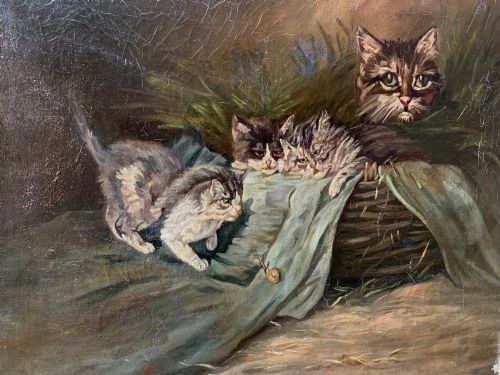
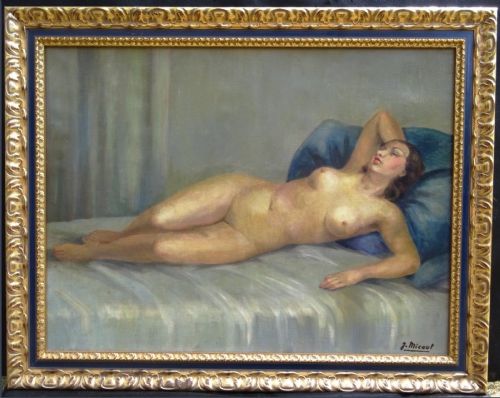
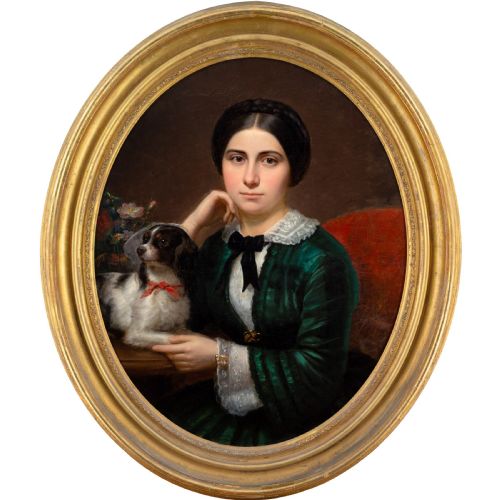
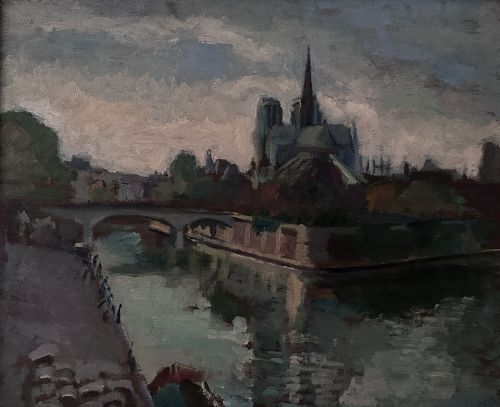
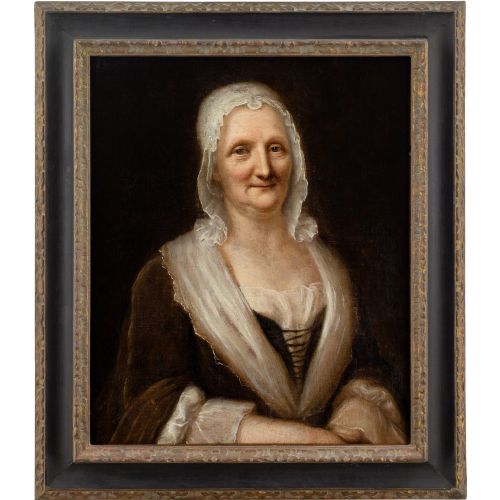
A french school painting spans centuries of artistic expression, ranging from formal 17th-century aristocratic portraits to 19th-century Barbizon landscapes and early 20th-century modernist compositions.
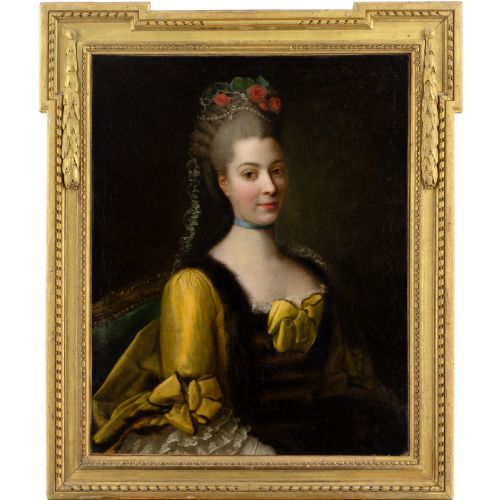
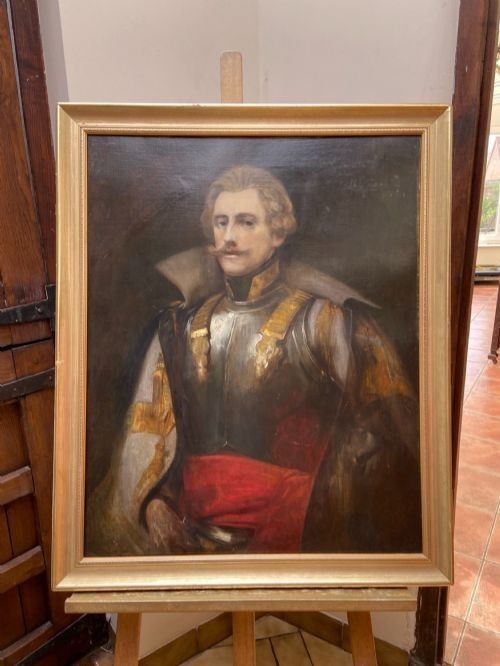
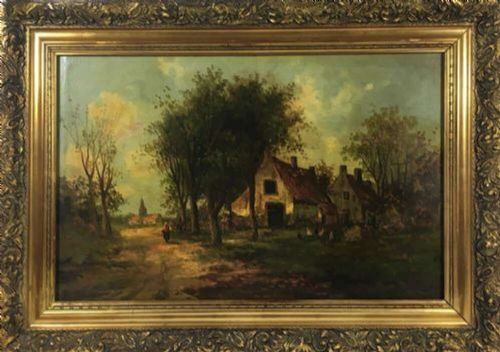
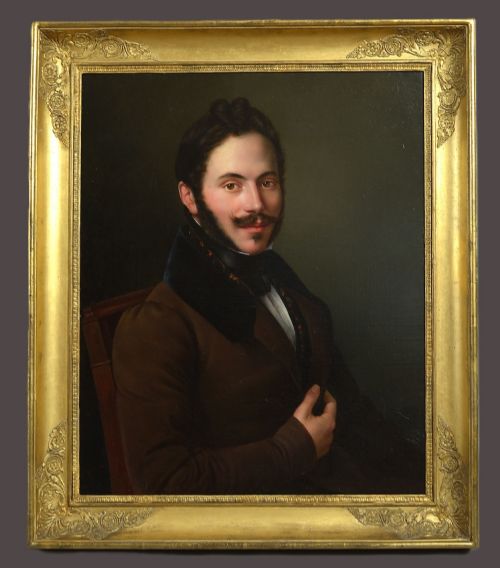
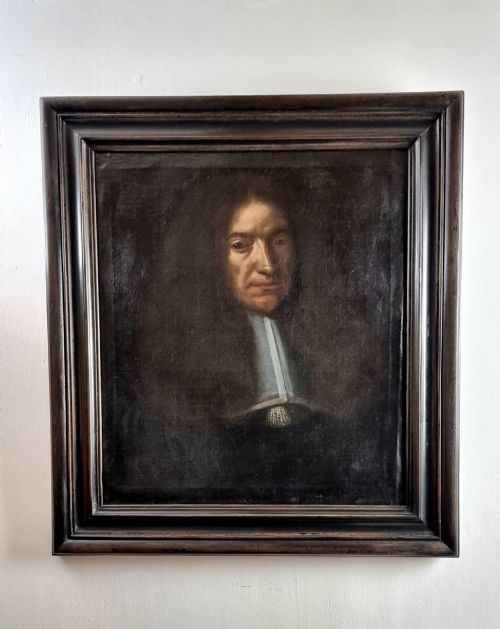
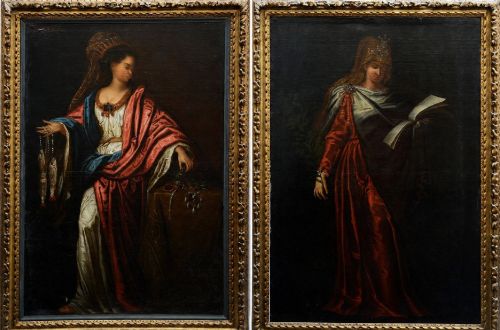
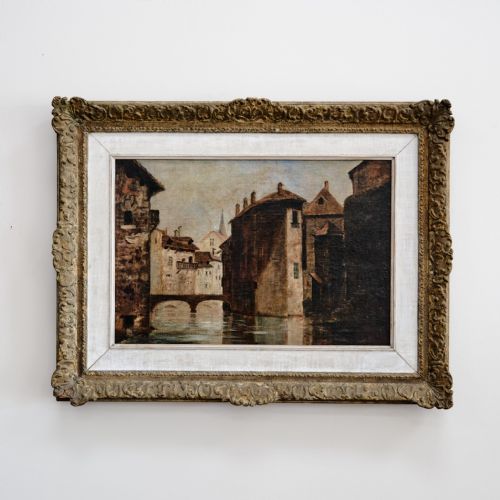
Buyers frequently encounter works depicting figures, military officers, judges, and serene rural scenes executed by named masters, studio followers or anonymous hands.
The category encompasses canvases, wooden panels and copper supports reflecting the evolving tastes of French salons and independent ateliers.
How they were made
Traditional pieces utilise oil paint applied to stretched canvas, wooden panels, or copper plates, often housed within period giltwood frames.
Artists built up compositions through layered glazes and impasto, capturing light and texture through plein air observation or studio practice.
French School Painting Retail Price Guide 2026
Typical asking prices for french school painting among the pieces listed under this phrase on Sellingantiques today, from the lower quarter to the upper quarter. They describe what is for sale here now, not the wider market.
Listings feature works spanning from the 17th century through to the 1960s, executed in oil on canvas, panel, and copper.
What varies in quality
Quality rests upon the confidence of the brushwork, the psychological depth of portrait subjects, and the atmospheric rendering of light in landscapes.
Superior examples demonstrate meticulous anatomical proportion, harmonious palettes, and well-preserved original surfaces without heavy overpainting.
Pierre Mignard·Edouard Pingret·Paul Desire Trouillebert·Honore Cavaroc·Gabriel Dauchot
The French School Painting Glossary
- Barbizon School
- A mid-19th-century French art movement dedicated to naturalistic landscape painting. Artists painted directly from nature, focusing on forests and rural light.
- Oil on Canvas
- A traditional painting medium consisting of pigments suspended in a drying oil applied to woven fabric. This combination allowed for rich colour blending and durability.
- Oil on Panel
- A technique where artists paint directly onto prepared wood surfaces rather than woven fabric. Panels provide a rigid support favoured in earlier centuries.
- Gilt Wood
- Carved timber treated with gold leaf or metallic powder to create a shimmering finish. It forms the primary material for antique frames accompanying these artworks.
- French Baroque
- An ornate style of art and architecture flourishing in the 17th century. It emphasises grandeur, rich drama, and theatrical lighting effects.
French School Painting: Frequently Asked Questions
How do I date a french school painting?
Dating relies on stylistic clues, clothing fashions, hairstyles, and framing materials. Canvas types and stretcher construction also provide valuable chronological markers.
Examining signatures, inscriptions, and artist registries helps narrow the period of creation to a specific decade or century.
What subjects are most common?
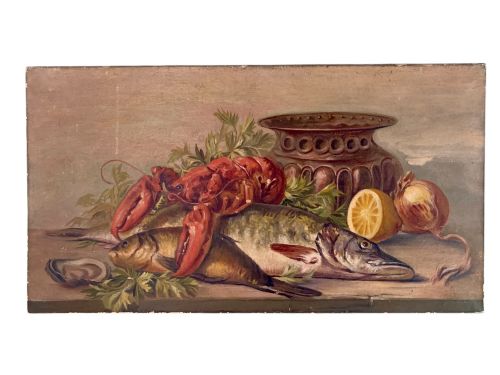
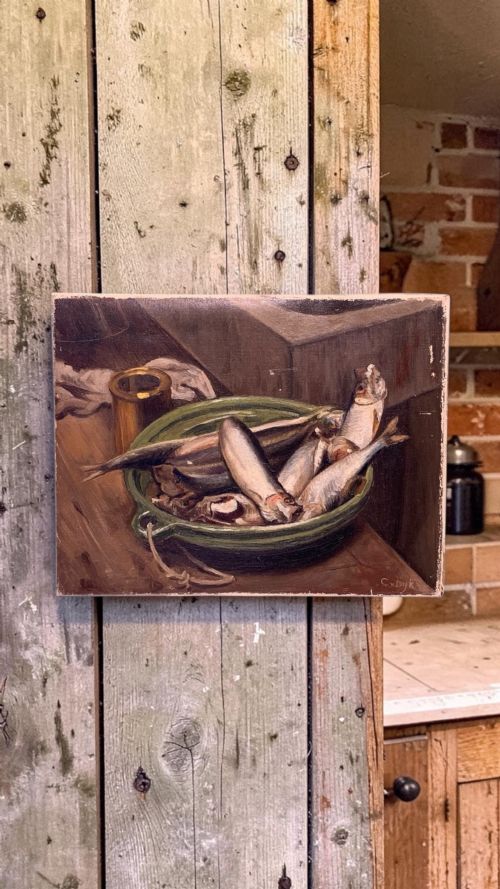
Portraiture of nobility, military officers, and everyday citizens dominates the earlier centuries. Landscapes, still lifes with fish or game, and coastal scenes appear frequently across the 19th and 20th centuries.
Genre scenes depicting domestic life or workers offer a glimpse into historical French society.
How should I care for an antique canvas?
Keep paintings away from direct sunlight, high humidity, and rapid temperature fluctuations to prevent cracking in the paint layer. Display them on stable interior walls.
Dust gently with a soft, dry brush and avoid chemical cleaning agents entirely.
What is the Barbizon School?
The Barbizon School refers to a group of painters who gathered near the Fontainebleau forest to champion realist landscape painting. They rejected academic conventions in favour of direct observation.
Their work directly influenced the development of Impressionism.