


Mid Century Watercolour
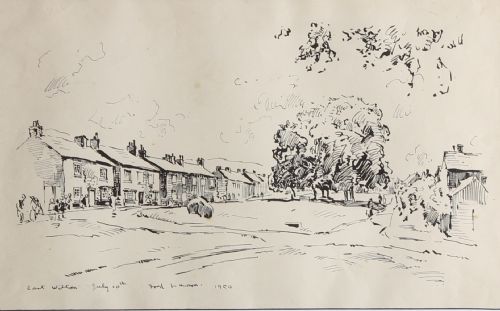
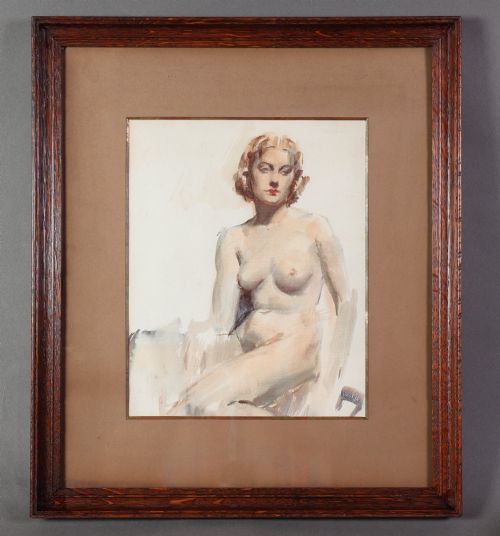
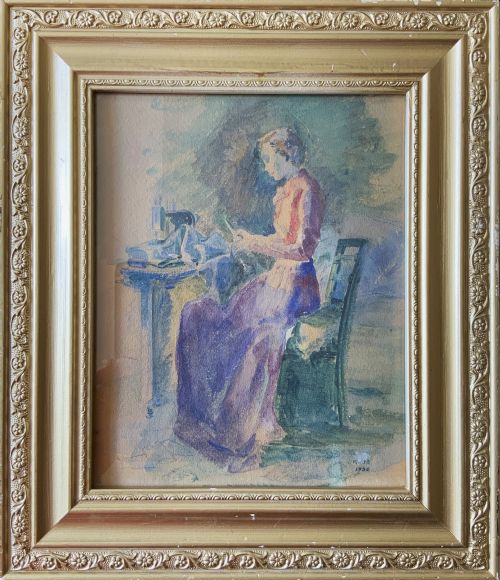
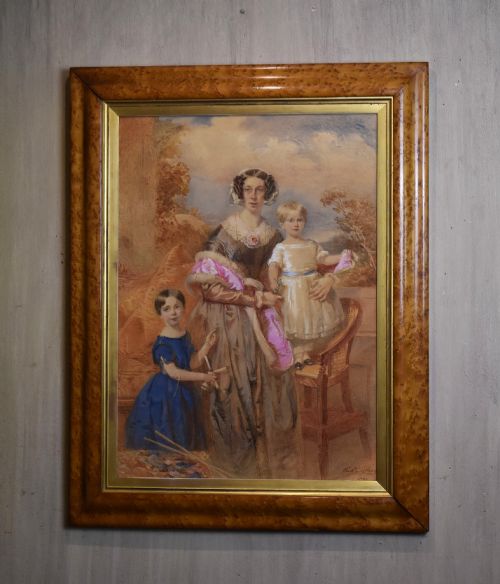
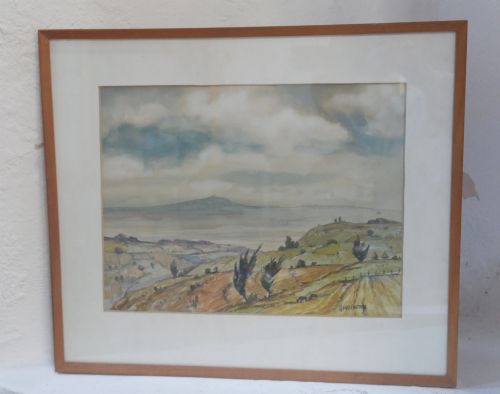
When you explore a mid century watercolour, you discover original paper works capturing landscapes, portraits, and maritime scenes with immediate brushwork.
Mid Century Watercolour
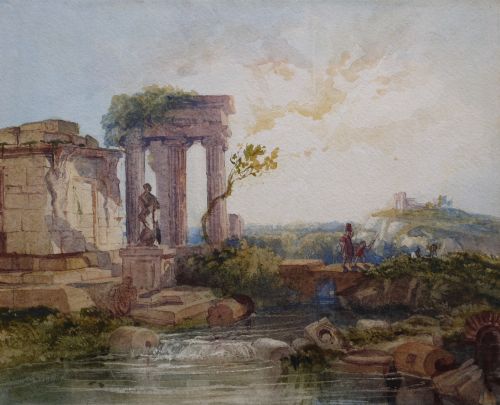
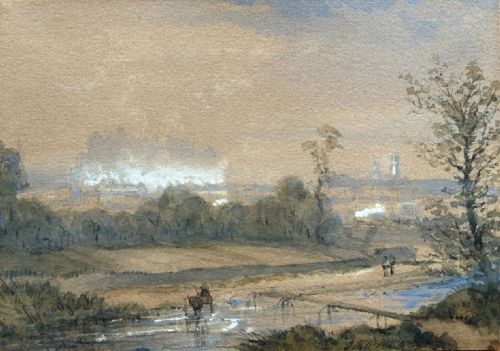
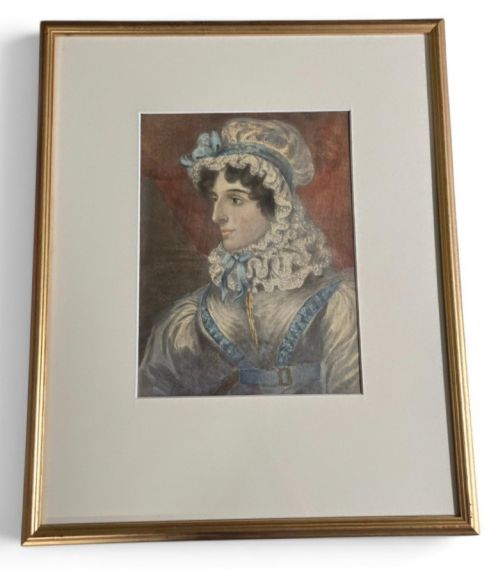
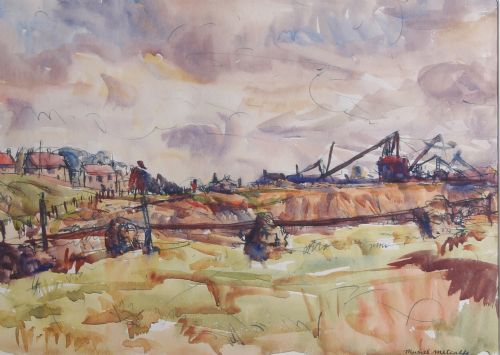
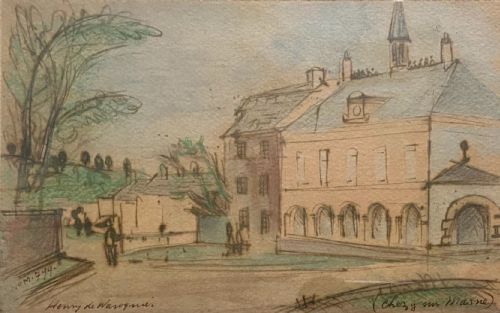
Collectors seeking a mid century watercolour encounter original works on paper spanning pastoral views, village streets, and still life studies. The selection ranges from robust mid-twentieth-century British rural scenes to earlier nineteenth-century portraits and coastal observations.
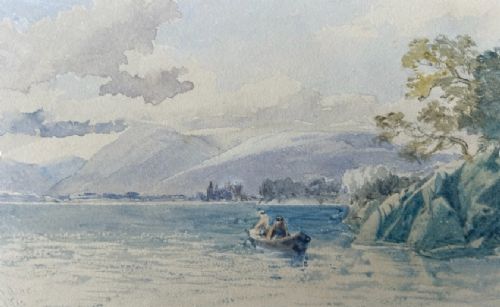
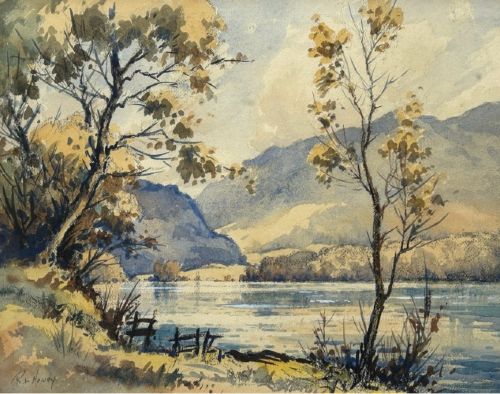
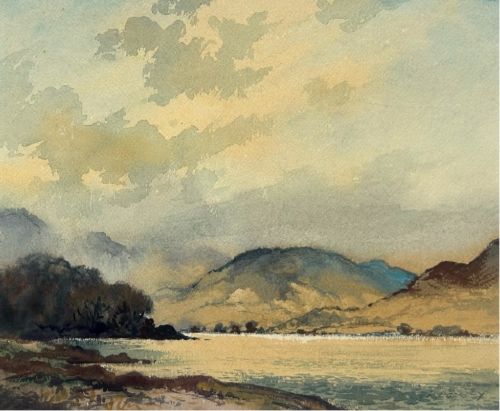
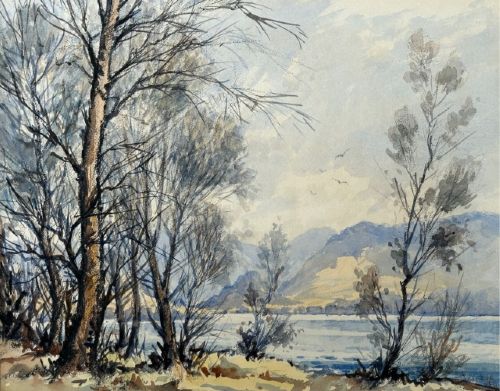
These pieces encompass framed artwork, ink and wash sketches, and gouache studies produced by named artists and regional schools. Buyers frequently find landscape watercolours depicting Cumbrian lakes, Yorkshire dales, and Continental buildings created during the 1940s and 1950s.
Materials and Methods
Artists painted primarily upon absorbent paper using water-soluble pigments, often combining transparent washes with dense bodycolour or gouache for opacity. Many works incorporate ink line work or pencil underdrawing to establish architectural precision and botanical detail before applying colour.
Finished sheets were secured behind glass within wooden frames, sometimes utilising ebonised mouldings or simple painted surrounds to protect the fragile pigment surface from airborne moisture and dust.
Mid Century Watercolour Retail Price Guide 2026
Typical asking prices for mid century watercolour among the pieces listed under this phrase on Sellingantiques today, from the lower quarter to the upper quarter. They describe what is for sale here now, not the wider market.
Expect spirited ducks, racing horses, and stubborn donkeys appearing unexpectedly amid quiet parish churches and misty valleys.
Standards of Execution
Superior examples demonstrate confident, unhesitating brushwork where pigment transparency and paper preservation remain intact without excessive fading. The authority of the draughtsmanship and the artist's ability to capture atmospheric light define the upper tier of the medium.
Lesser examples reveal hesitant composition, muddy colour mixing, or severe foxing spots resulting from acidic mount boards and damp storage conditions over decades.
Thomas Miles Richardson Jnr·Richard Principal Leitch·Robert Leslie Howey·Muriel Metcalfe·Fred Lawson·Henry de Waroquier·Frederick Tatham·Cecil Beaton·Ralston Gudgeon·Lionel Horsnell·Dame Elisabeth Frink·James Tower·Commander Eric Tufnell·John Rattenbury Skeaping·Edward Seago·Anne Dorrien Smith·William Tuck·Charles F Tunnicliffe·Raoul Millais·Louie Stanley Maurice Prince·Sir Joshua Reynolds·John Syer·Harry Turner·Harold Wharfe·Walter Horsnell
The Mid Century Watercolour Glossary
- Watercolour
- A painting method in which the paints are made of pigments suspended in a water-based solution. The technique relies on the reflective quality of white paper showing through transparent washes.
- Gouache
- An opaque water-based paint produced by mixing watercolour with a white pigment to create a heavier, matte finish. It allows artists to apply lighter highlights over darker washes.
- Monogram
- A motif made by overlapping or combining two or more letters to form a recognizable cipher. Artists frequently used these initials to sign works discreetly.
- Grisaille
- A painting executed entirely in shades of grey or neutral greyish-brown monochrome. This technique often served to imitate sculpture or establish tonal studies.
- Foxing
- Brown spots and discolouration that develop on antique paper over time. Chemical reactions involving iron impurities in the paper stock typically cause these age marks.
Mid Century Watercolour: Frequently Asked Questions
How do I care for a vintage watercolour?
Keep the artwork away from direct sunlight to prevent the fugitive pigments from fading permanently over time.
Ensure the framing uses acid-free backing boards and mount cards to protect the delicate paper support from chemical degradation.
Are these paintings always original works?
The inventory consists entirely of hand-painted original works on paper rather than mechanical reproductions or printed lithographs.
Each piece bears the unique brush marks, pigment pooling, and pencil underdrawing characteristic of a direct creation by the artist.
How can I identify the age of a paper painting?
Examine the watermark within the paper sheet and inspect the framing materials, backing papers, and handwritten labels on the reverse.
Stylistic conventions of clothing, architecture, and the specific palette utilised also offer strong chronological indicators for dating.
What subjects are most common in mid-century watercolours?
British landscape views representing coastal harbours, rolling hills, and rural village streets dominate the mid-century selections.
Still life arrangements featuring pottery jugs filled with cut flowers and botanical studies of garden birds appear frequently alongside regional scenes.