

Vintage Wall Art
These vintage wall art pieces bring character to a room through original paintings and works on paper.
Vintage Wall Art
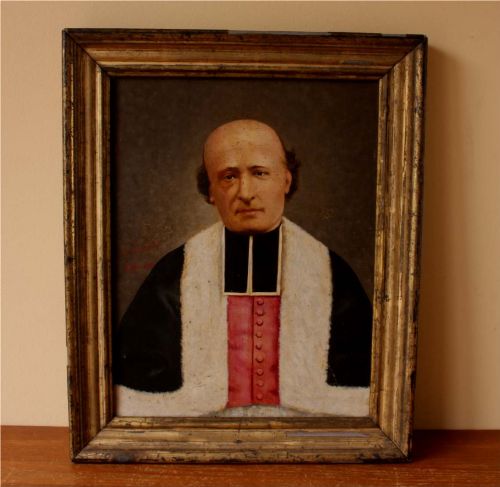
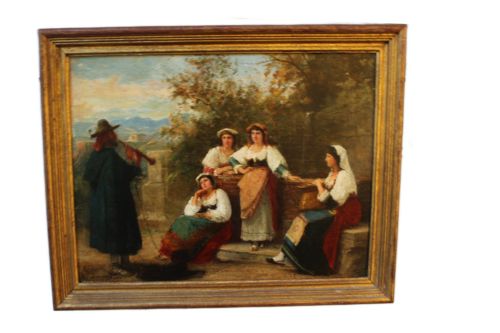
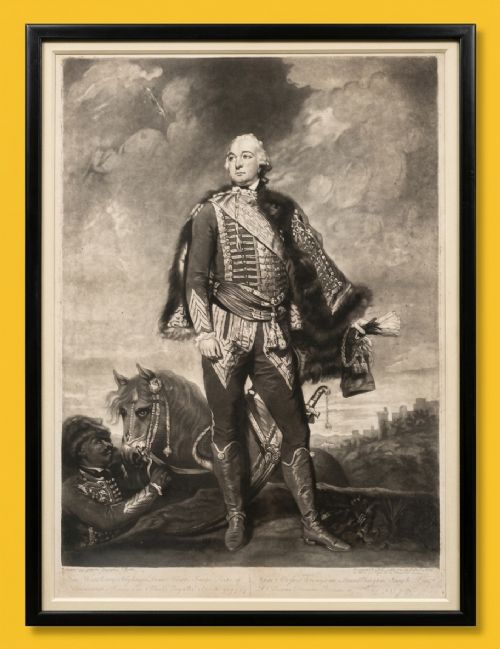
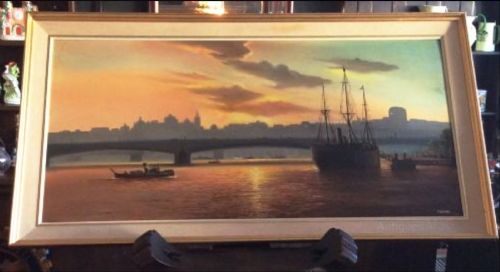
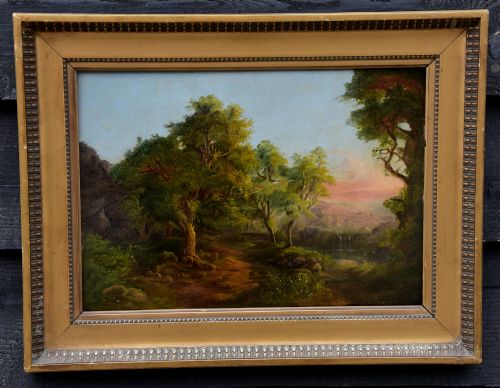
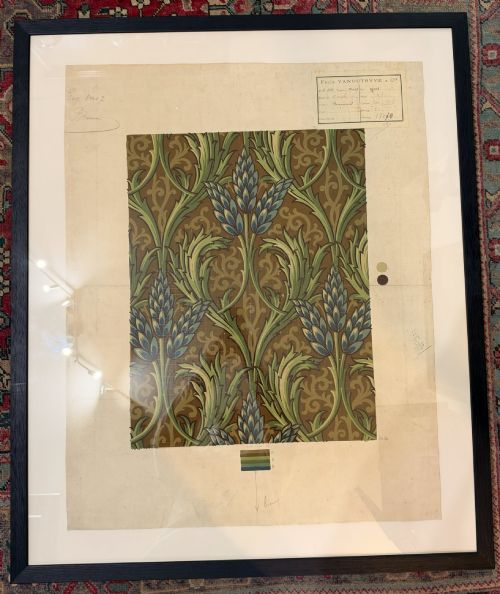
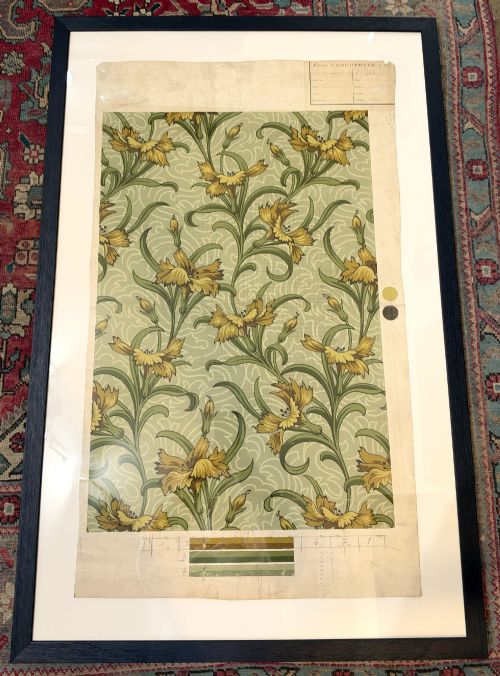
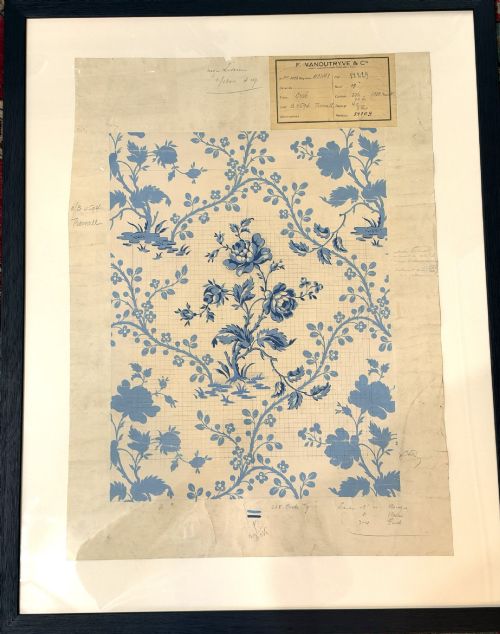
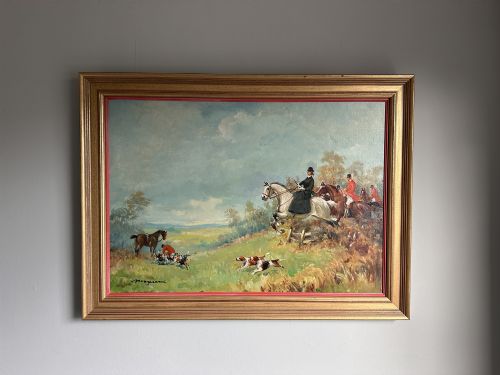
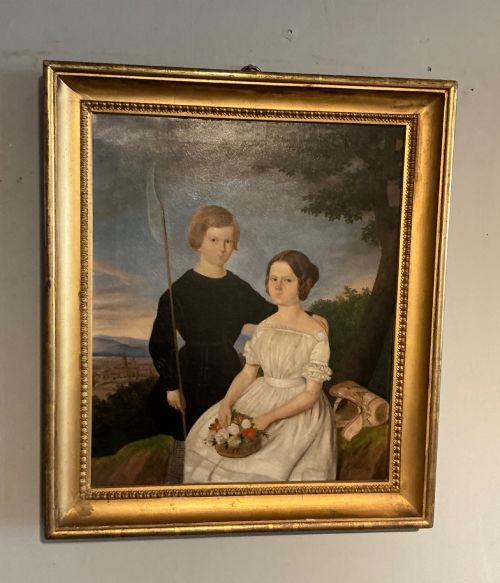
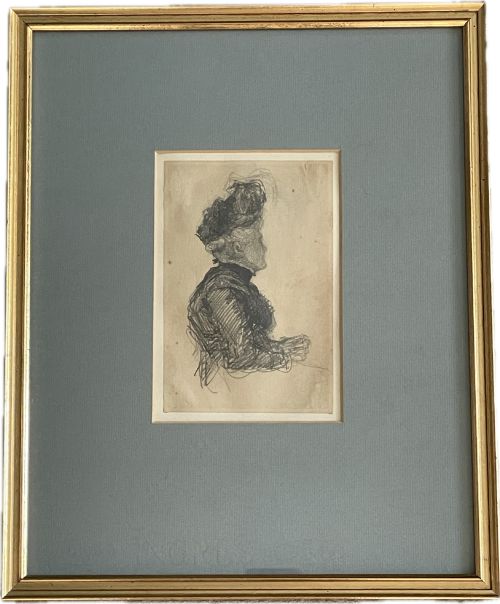
When you search for vintage wall art, you are looking at original paintings and works on paper spanning from the nineteenth century through the mid twentieth century. The selection includes British landscapes, classical still life studies, and portraits originating from the nineteen twenties and onwards.
You are most likely to meet watercolour paintings and oil paintings on canvas or paper. These works capture varied subjects ranging from Cumbrian lake landscapes and Scottish lochs to traditional floral compositions and portraiture.
How they were made
The materials recorded in these works include oil paint and watercolour pigment applied to canvas, paper, and card mounts. Wooden framing elements often accompany the canvases and paper works to preserve the piece.
Artists utilised traditional painting techniques on paper and stretched canvas, sometimes incorporating card mounts to frame watercolours. Needlework and textile techniques also appear in decorative country house embroidery panels.
Vintage Wall Art Retail Price Guide 2026
Typical asking prices for vintage wall art among the pieces listed under this phrase on Sellingantiques today, from the lower quarter to the upper quarter. They describe what is for sale here now, not the wider market.
The listings show works from the nineteenth century up to nineteen sixty, utilising oil paint, watercolour, and canvas.
What varies in quality
Quality in these works rests upon the confidence of the brushwork and the clarity of the composition. Skilled handling of oil paint or watercolour pigment creates depth and atmosphere that distinguish the finer examples from simpler decorative items.
The preservation of the original medium and mount also dictates standing. Works that retain their vibrant pigments without heavy fading or surface damage command greater attention from collectors.
The Vintage Wall Art Glossary
- Watercolour pigment
- A water-based colour substance applied to paper surfaces to create translucent washes and delicate detail. It requires protective mounting under glass to prevent environmental damage.
- Canvas
- A heavy woven fabric stretched across a wooden frame to provide a stable foundation for oil painting. It allows artists to build rich textures and layers of paint.
- Card mount
- A paperboard border placed around a work on paper to separate the surface from the glass. This provides essential space for air circulation and preservation.
- Impressionism
- A style of painting focusing on the visual impression of the moment, particularly shifting light and ordinary subject matter. British practitioners captured local landscapes with loose brushwork.
Vintage Wall Art: Frequently Asked Questions
What is vintage wall art?
Vintage wall art encompasses original paintings, watercolours, and decorative panels created during the nineteenth and twentieth centuries.
These pieces reflect distinct periods like the mid twentieth century and include British landscapes, still life studies, and portraits.
How do I hang these pieces?
Most works on paper require framing under glass to protect the watercolour pigment and card mount from moisture.
Canvas oil paintings can be hung directly using sturdy picture wire attached to the wooden frame.
How are periods told apart?
Periods are identified through stylistic shifts, artist signatures, and the materials used in the construction.
Nineteenth century works often feature classical subjects, while nineteen twenties and fifties pieces show modernist or impressionist influences.
Were these used in homes?
These pieces served as decorative elements in country houses and domestic interiors throughout the decades.
They added colour and personal expression to living spaces through framed landscapes and portraits.