


1920s Oil Painting
When searching for a 1920s oil painting, collectors encounter diverse modernist canvases and portraits created during a transformative artistic decade.
1920s Oil Painting
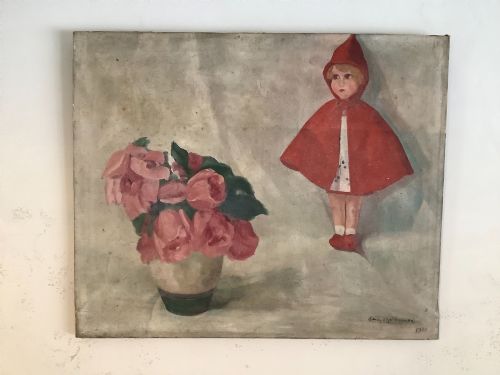
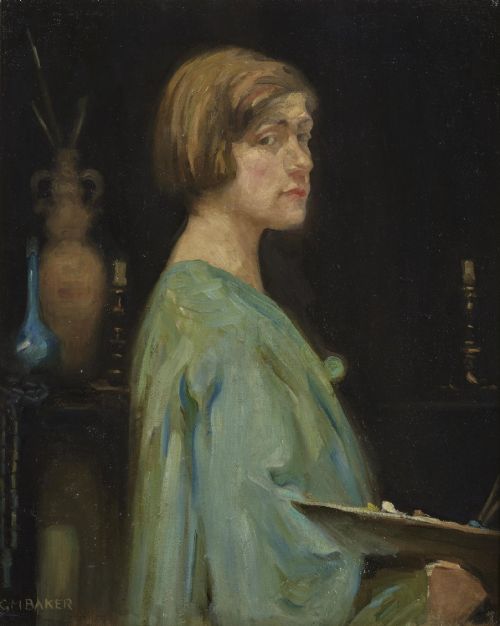
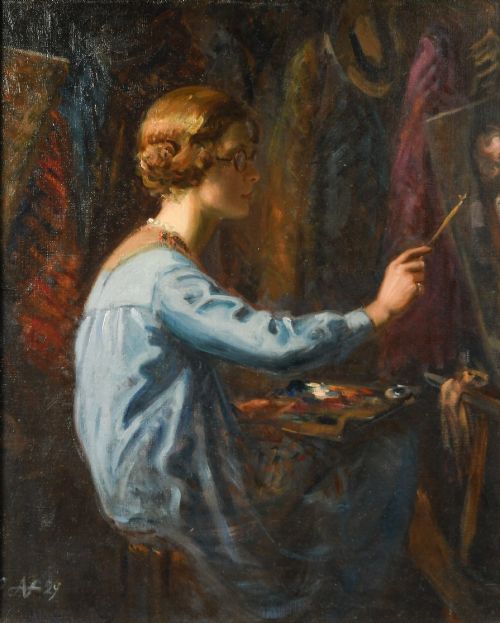
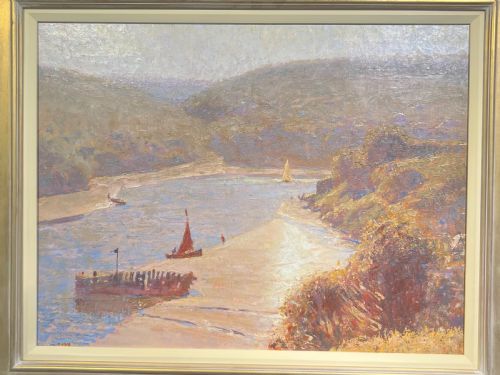
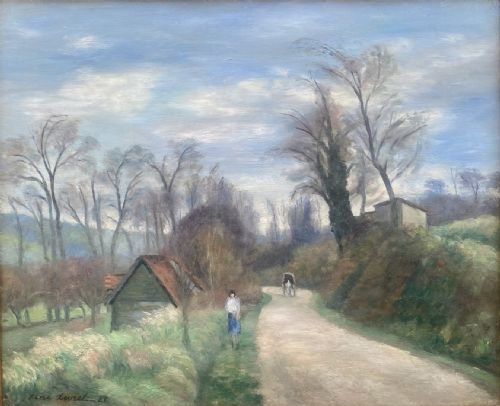
A 1920s oil painting encompasses portraits, landscapes, and still lifes created during the interwar period, reflecting varied European and British artistic movements. Buyers frequently encounter French Impressionist scenes, Post-Impressionist compositions, and avant-garde works produced across this dynamic decade.
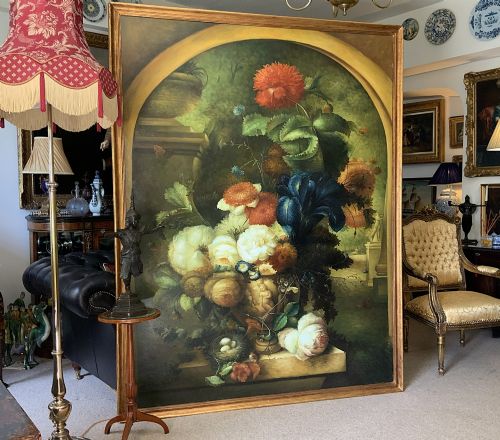
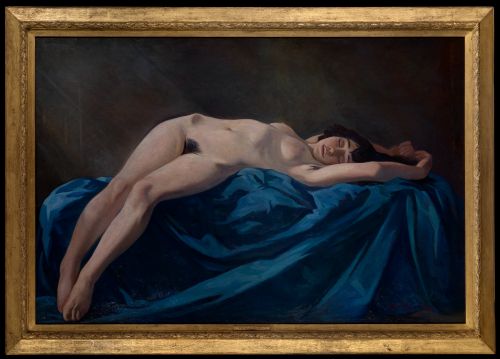
The subjects range from intimate domestic interiors and coastal vistas to monumental floral still lifes and figurative nudes. Many examples reflect regional schools and individual artistic interpretations characteristic of the 1920s aesthetic.
Materials and construction
Artists of the period predominantly applied oil paint onto stretched canvas, wooden panels, board, or paper supports. These materials were frequently housed within traditional wood frames, sometimes accented with gesso and gilt detailing.
Techniques varied widely from precise academic portraiture to looser, expressive brushwork associated with Fauvism andplein air painting. Some works incorporated alternative mediums alongside standard oils, including encaustic elements.
1920s Oil Painting Retail Price Guide 2026
Typical asking prices for 1920s oil painting among the pieces listed under this phrase on Sellingantiques today, from the lower quarter to the upper quarter. They describe what is for sale here now, not the wider market.
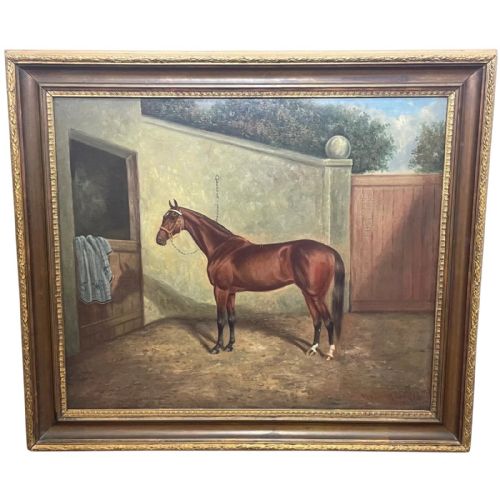
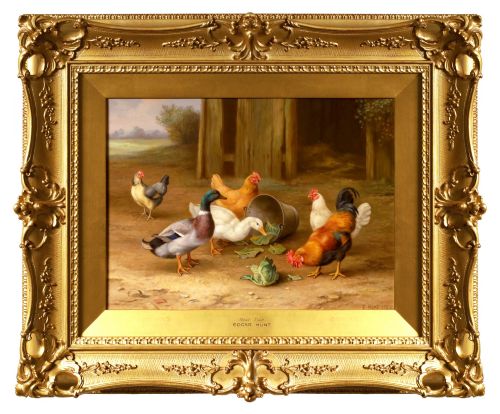
Domestic animals make frequent appearances, including determined sporting dogs, prize-winning derby horses, and watchful farmyard companions.
Distinctions in quality
Quality in these works relates to the confidence of the brushwork, compositional balance, and the artist's ability to capture light and atmosphere. Stronger examples demonstrate a distinct personal vision within their chosen style, whether impressionist, modernist, or traditional.
The handling of the medium and the preservation of the painted surface further distinguish individual pieces. Works by established or exhibited painters generally exhibit greater technical command and historical significance.
Eric Robertson·Edgar Hunt·Jean Hippolyte Marchand·Georges Goursat·Louis Suire
The 1920s Oil Painting Glossary
- Oil paint
- A slow-drying paint made by mixing pigments with oils, commonly linseed. This medium allowed artists to blend tones smoothly and build rich textures on canvas or panel.
- Gesso
- A plaster-like mixture applied to wooden panels or canvases as a base for painting. It was also used to create moulded decorative reliefs on frames.
- Fauvism
- An early twentieth-century art movement characterised by painterly qualities and strong colours. Practitioners prioritised expressive brushwork over realistic representation.
- Post-Impressionism
- A predominantly French art movement that developed from Impressionism. Artists extended impressionist principles while rejecting its limitations, focusing on symbolic content and formal structure.
- Plein air
- The act of painting outdoors. This method allowed artists to directly observe landscape and light variations in natural settings.
1920s Oil Painting: Frequently Asked Questions
How do I identify a 1920s oil painting?
Examination of subject matter, clothing styles, and framing often provides initial clues to the decade of creation. Signatures, dates inscribed on the reverse, and stylistic markers tied to movements like Art Deco or Post-Impressionism help confirm the period.
Material analysis of the canvas, stretcher frames, and pigments can offer additional verification. Comparing works to documented pieces by known artists from the era further aids attribution.
What subjects are common in these artworks?
Portraits form a significant portion of the output, capturing sitters in contemporary attire ranging from formal dress to relaxed garments. Landscapes, seascapes, and floral still lifes also feature prominently across various regional schools.
Artists frequently depicted domestic scenes, coastal towns, and modern cityscapes. Avant-garde compositions occasionally explore more abstract or symbolic themes.
How should I care for an antique oil painting?
Displaying works away from direct sunlight and excessive moisture helps preserve the integrity of the canvas and pigments. Gentle dusting with a soft, dry brush is generally sufficient for routine maintenance.
Professional conservation should be sought for cleaning accumulated surface grime or repairing canvas damage. Avoiding rapid temperature fluctuations prevents warping in wooden panels and frames.
Where were most of these paintings produced?
France and Britain represent the origins for a substantial portion of these surviving works, reflecting active artistic communities in Paris and regional hubs. Other pieces stem from various European locations including Belgium and the Netherlands.
Artists frequently travelled to coastal regions and rural landscapes to paint on location. These diverse geographic sources contribute to the variety of stylistic approaches seen today.