


Antique French Painting
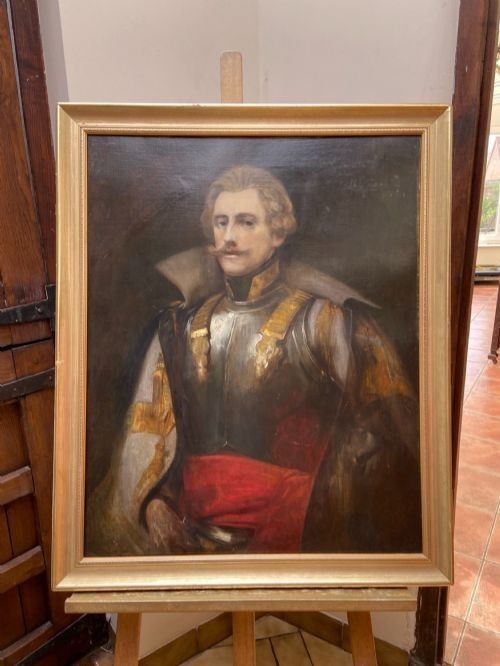
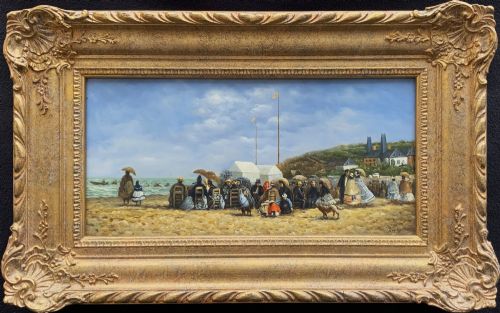
When collectors source an antique french painting, they secure a tangible piece of continental history ranging from delicate portraits to expansive pastoral landscapes.
Antique French Painting
The search for an antique french painting encompasses works created by various European schools, stretching from the seventeenth century through the modern era. Buyers encounter formal portraiture, classical mythology, religious subjects, still lifes, and rural or maritime scenes.
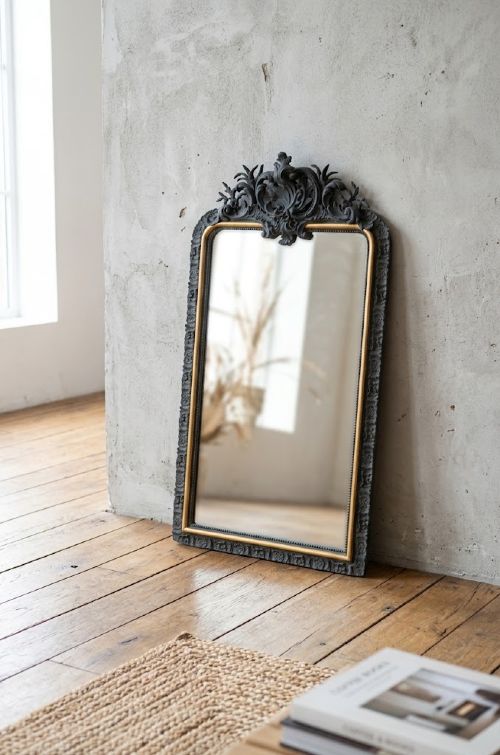
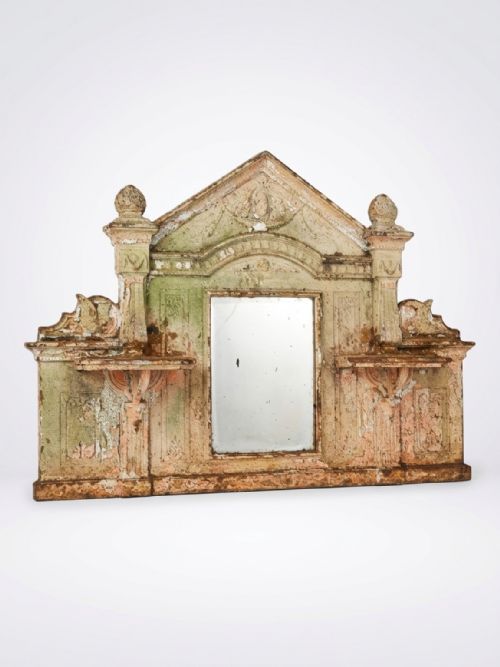
Many of these artworks emerge directly on canvas, wood panels, or paper, occasionally integrated into larger decorative objects such as trumeau mirrors. Examples span centuries of artistic production, bearing witness to changing domestic tastes and academic standards in France.
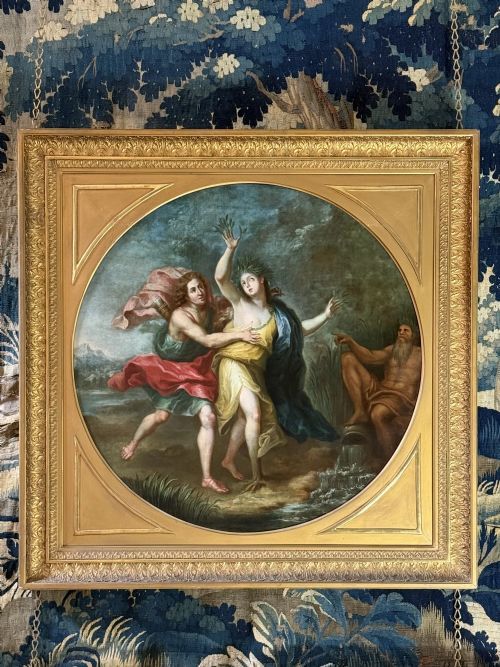
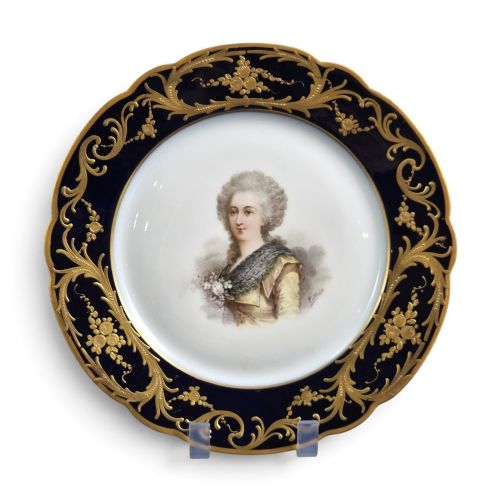
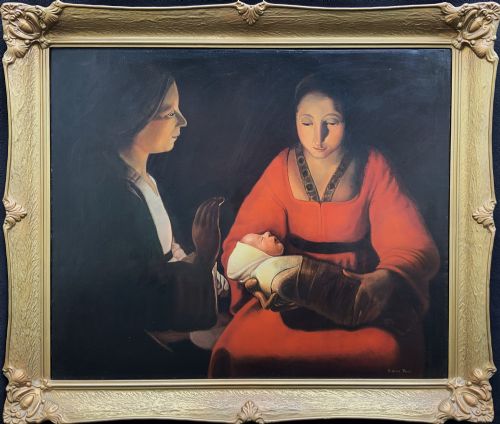
Works attributed to regional French schools sit alongside pieces executed by known masters and followers. This selection bridges intimate miniature portraits of saints or nobility and grand canvases depicting mythological figures like Apollo and Venus.
How They Were Made
Makers constructed these works using traditional supports including stretched canvas, wooden panels, and heavy paper, applying oil pigments or watercolours by hand. Artists built up compositions through layered brushwork, sometimes finishing surfaces with protective varnishes.
Antique French Painting Retail Price Guide 2026
Typical asking prices for french painting among the pieces listed under this phrase on Sellingantiques today, from the lower quarter to the upper quarter. They describe what is for sale here now, not the wider market.
Among the canvas portraits hides a painted tambourine and a stray kitten sharing space with a snail.
What Varies in Quality
Quality rests upon the precision of the brushwork, the depth of the composition, and the preservation of the original surface materials. Finer canvases demonstrate confident handling of light, shadow, and human anatomy, particularly within portraiture and landscape detailing.
The integrity of the original support, the presence of legible signatures or attribution records, and the authenticity of the accompanying frame elevate certain examples above standard decorative output. Condition reports note the stability of the paint layer and the absence of heavy modern overpainting.
Charles-Antoine Coypel·Georges de La Tour·Pierre Mignard·Germaine Legeleux·Achille Brocot·Jacob Petit·Dubois of Lyon
The Antique French Painting Glossary
- Oil on Canvas
- Pigments suspended in a drying oil applied to a woven fabric support stretched across a wooden frame. This method became standard for durable, large-scale European painting.
- French School
- A designation given to works created by artists working within France or trained in French academic traditions. It often denotes anonymous or uncredited pieces produced during specific historical periods.
- Trumeau Mirror
- An architectural wall mirror featuring an upper panel containing an oil painting or carved relief. These items decorated continental salons during the eighteenth and nineteenth centuries.
- Provenance
- The documented history of ownership surrounding an artwork from its creation to the present day. Clear records help establish the authenticity and historical context of older paintings.
Antique French Painting: Frequently Asked Questions
How old is this painting?
Dating relies on stylistic evidence, artist signatures, and the physical composition of the canvas or wood panel. Period markers often align with eighteenth-century academic traditions or later nineteenth-century realism.
Examination of the backing materials and framing techniques provides further clues to the decade of creation.
Where were these paintings hung?
Original owners placed these artworks within formal Parisian salons, rural chateaux, and religious institutions. Portraits and landscapes served as status symbols or contemplative domestic decoration.
Trumeau paintings specifically integrated into interior woodwork above mantelpieces or console tables.
Are these works signed?
Many examples bear artist signatures, studio stamps, or contemporary inscriptions on the reverse of the canvas or panel. Unsigned pieces are frequently attributed to regional schools based on technique and subject matter.
Archival records and stylistic comparisons help scholars link anonymous works to specific makers.
How do I care for antique canvas?
Preservation requires stable environmental conditions away from direct sunlight and excessive humidity. Proper hanging prevents sagging of the fabric support over time.
Professional conservators handle structural repairs and surface cleaning to protect delicate oil layers.