


Impressionist Coastal Artwork
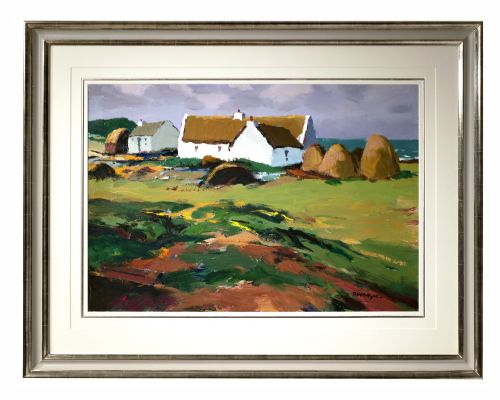
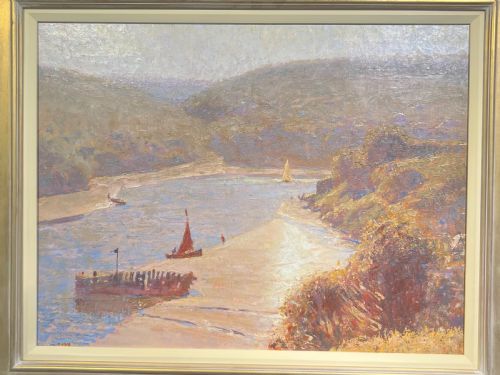
Impressionist coastal artwork captures the shifting light and atmosphere of the shore through loose brushwork and vibrant pigments.
Impressionist Coastal Artwork
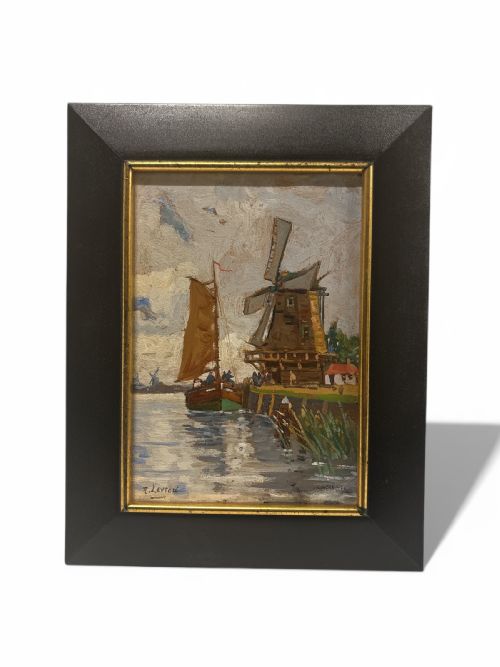
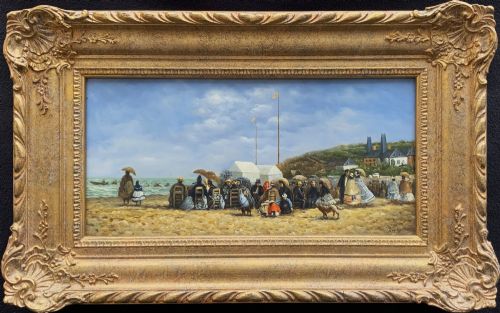
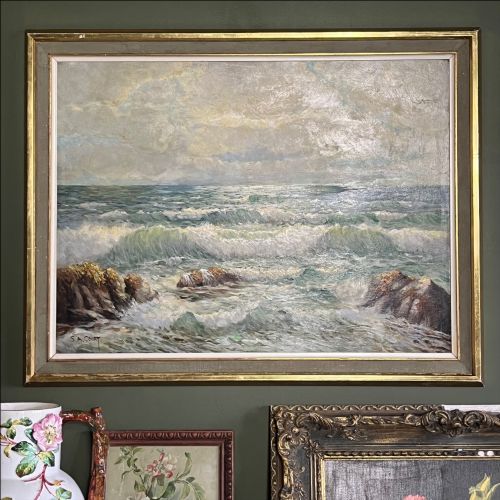
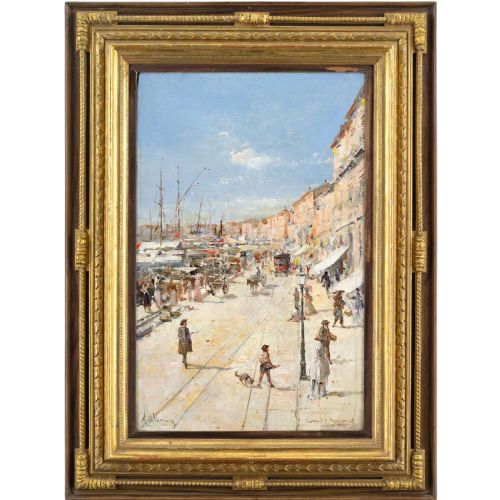
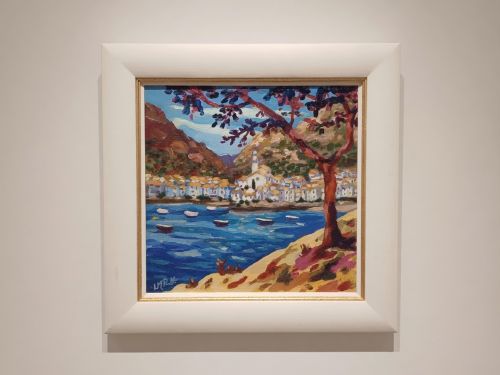
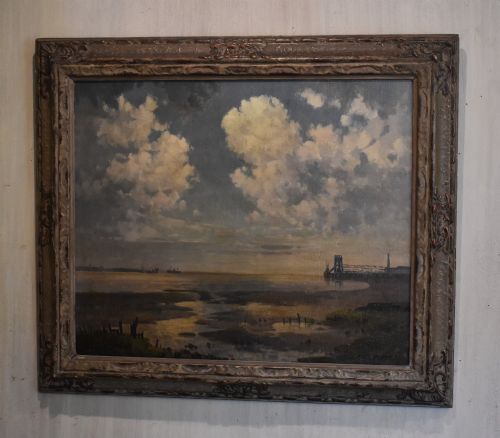
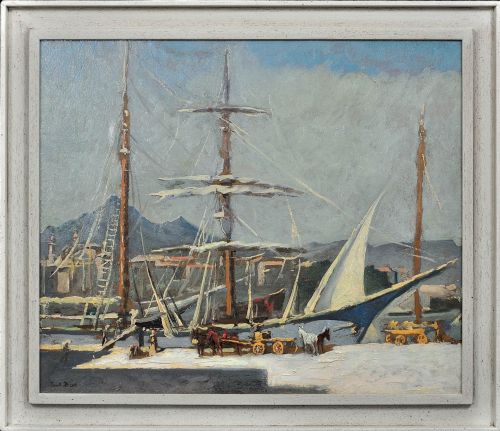
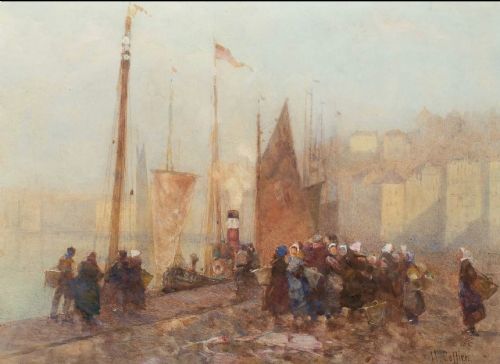
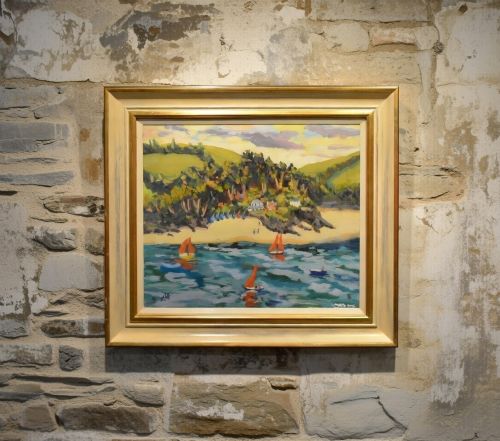
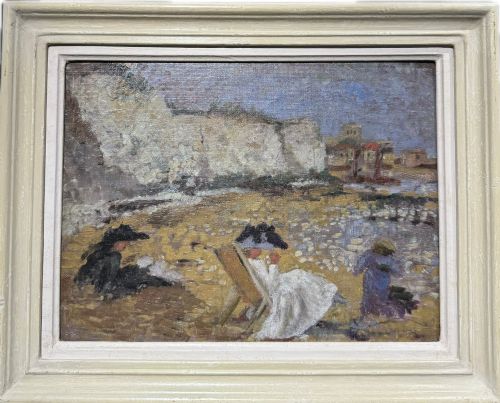
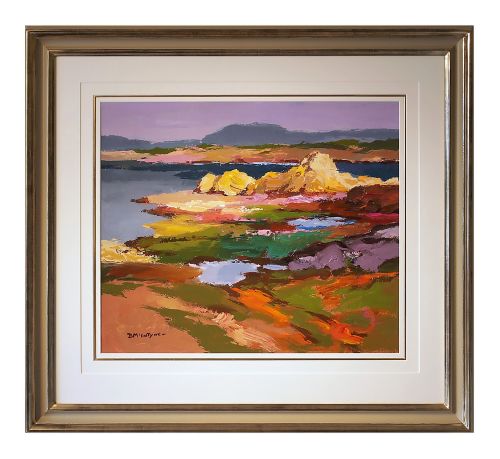
Impressionist coastal artwork encompasses marine landscapes, harbour scenes, and beach views created across the nineteenth and twentieth centuries. The pieces on this page span British and French traditions, capturing locations from Cornwall and Yorkshire to Normandy and the Mediterranean. Oil paintings on canvas or board predominate, alongside traditional watercolour paintings on paper.
Materials and Technique
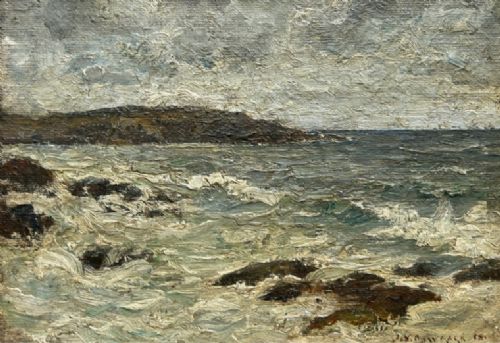
Artists working in this genre utilised oil paint and watercolour applied directly to canvas, wood panels, or heavy paper. Many oil paintings employ impasto techniques, building thick ridges of pigment that capture the physical texture of crashing waves and rugged cliffs. En plein air methods allowed painters to record changing atmospheric conditions directly on location by the sea.
Support materials range from traditional stretched canvas and wooden boards to glass frames protecting delicate watercolours. The handling of pigment relies on broken brushstrokes and unblended colour placements designed to optical effect when viewed from a distance.
Impressionist Coastal Artwork Retail Price Guide 2026
Typical asking prices for impressionist coastal artwork among the pieces listed under this phrase on Sellingantiques today, from the lower quarter to the upper quarter. They describe what is for sale here now, not the wider market.
The listings feature oil paint, canvas, wood, paper, and watercolour, spanning the nineteenth century through the nineteen-sixties.
Evaluating Quality
Quality in impressionist coastal artwork rests on the confidence of the brushwork and the artist's ability to convey movement and light without excessive detail. Stronger compositions demonstrate a purposeful handling of tone and atmosphere, whereas weaker examples rely on static drawing and formulaic colour choices.
The distinction also lies in the fidelity of the location study and the energy of the surface execution. Works created directly on the coast often reveal greater spontaneity and structural integrity than studio copies produced from secondary sketches.
Clifford Hanney·Sidney A Court·William Banks Fortescue·Augusto Alberici·Paul Bret·Hector Caffier·Donald McIntyre·Erich Mercker·John Holland·Raymond Moritz·Joseph Edward Hennah·Louis Suire·Gustave Vidal·Gyrth Russell·Jean-Baptiste Olive·Raymond Picque·William Lee Hankey·Edward Seago·Arthur Tucker·Herbert Royle·James Watson
The Impressionist Coastal Artwork Glossary
- Impasto
- Paint applied thickly to a canvas or panel, leaving visible brush or palette knife marks. This technique adds tactile depth and catches light across the surface of the work.
- En plein air
- The practice of painting outdoors to capture the direct effects of light and weather upon a subject. It is fundamental to impressionist methods.
- Post-Impressionism
- An artistic movement following impressionism that explored emotional response and structural form rather than purely optical effects. Painters retained vivid colour while pushing towards personal expression.
- St Ives School
- A group of artists associated with the Cornish fishing port who developed distinctive approaches to marine and coastal landscape painting. Their output spans traditional realism into modern abstraction.
Impressionist Coastal Artwork: Frequently Asked Questions
What periods do these coastal paintings represent?
The works span from the late nineteenth century through to the mid-twentieth century, encompassing Edwardian, Victorian, and mid-century modern movements.
Most pieces date between eighteen-ninety and nineteen-sixty, reflecting active periods of plein air painting in British and French coastal artist colonies.
How should I display a watercolour coastal piece?
Watercolours require framing behind glass with acid-free mounts to protect the paper from humidity and ultraviolet light.
Keep them away from direct sunlight to preserve the fugitive pigments often used in marine watercolours.
What is the difference between oil on canvas and oil on board?
Canvas provides a flexible woven support that is typically stretched over a wooden frame, allowing for subtle spring beneath the brush.
Board offers a rigid wooden or composition panel base favoured by artists painting rapidly outdoors because it requires minimal preparation.
Where were most of these scenes painted?
The locations concentrate around active fishing ports and dramatic coastline in Cornwall, Yorkshire, Brittany, and the Mediterranean.
Artists favoured spots like St Ives, Looe, Normandy, and the Côte d'Azur for their distinct light and maritime activity.