





Antique Marine Landscape Art
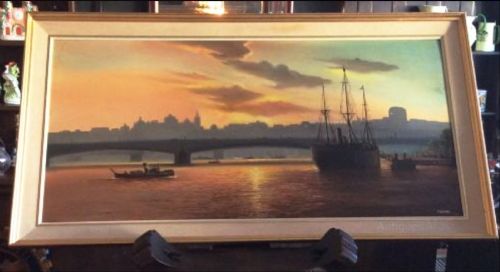
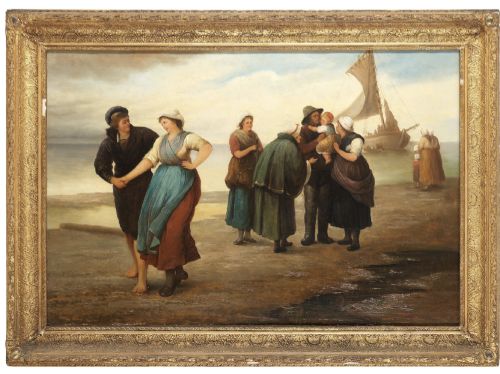
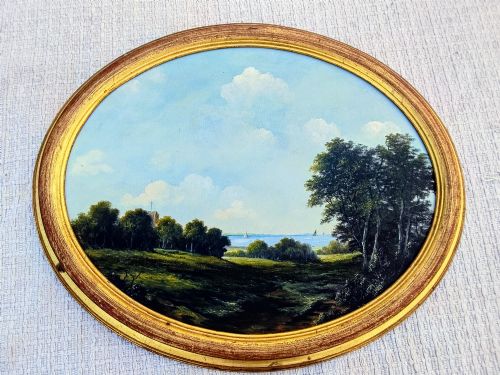
These antique marine landscape art pieces bring coastal horizons and maritime views into your interior.
What antique marine landscape art encompasses
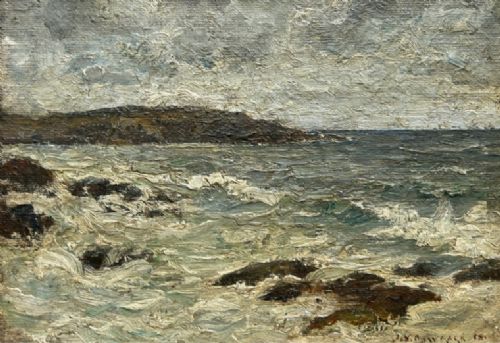
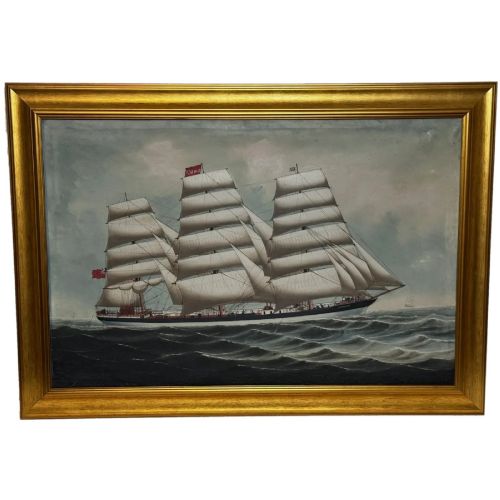
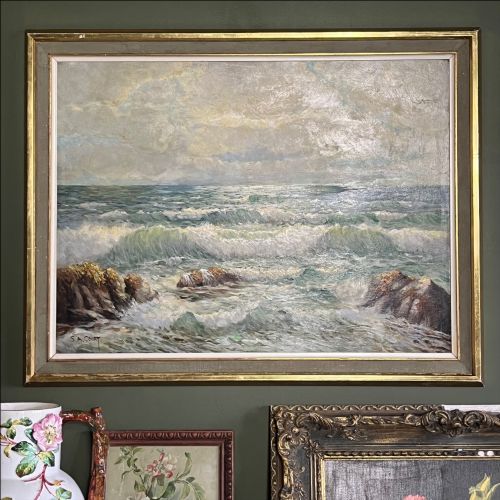
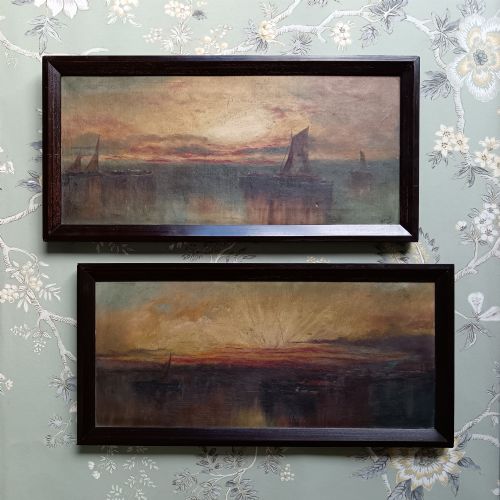
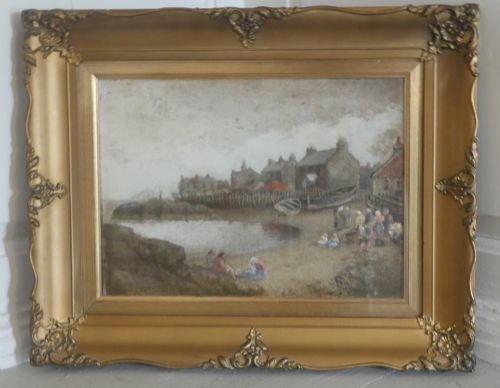
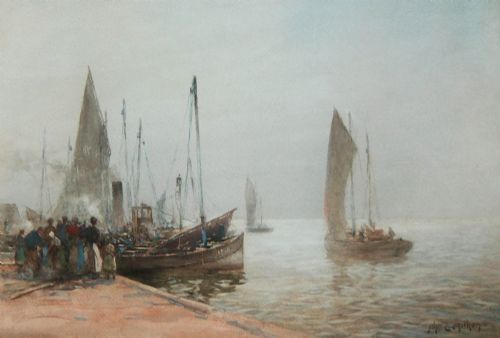
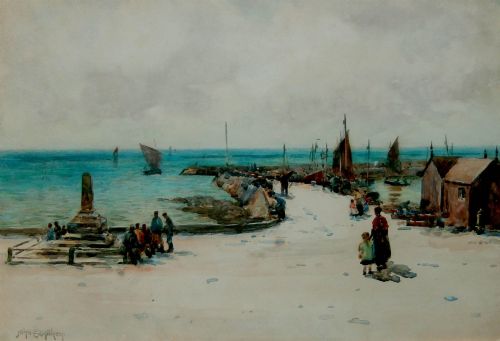
Buyers searching for antique marine landscape art will find painted coastal views, harbour scenes, and river landscapes from the nineteenth and early twentieth centuries. These works capture maritime environments, from Dutch canals and Yorkshire harbours to French coastal cliffs and Channel Island bays.
The pieces on this page are predominantly oil paintings and watercolour paintings executed on canvas, board, or paper. They represent traditional maritime subjects alongside Hague School, post-impressionist, and Victorian artistic traditions.
Most examples date from the nineteenth century through the early decades of the twentieth century, including Edwardian and 1960s interpretations. Collectors encounter both framed oils in gilded wood and delicate works on paper.
Materials and methods of construction
These works utilise oil paint or watercolour paint applied to canvas, wood panels, or paper substrates. Artists built up their compositions using traditional brushwork to capture water, sky, and coastal architecture.
Many surviving examples are housed in their original frames of gilded wood and giltwood, complementing the visual weight of the paintings. The combination of durable canvas or board with pigmented oils has ensured the longevity of these coastal and marine subjects.
Retail Price Guide 2026
Typical UK retail prices for marine landscape art, calculated from the Sellingantiques database of over a million retail prices indexed since 2003. This retail price guide relies exclusively on Sellingantiques data; no external sources or auction records are used, so the figures do not describe the wider market.
Fishermen scale rocky precipices and windmills turn beside nineteenth-century canals, preserving quiet moments along historic shores.
Distinctions in quality
Quality in these works rests upon the artist's handling of light, atmosphere, and spatial depth within the coastal landscape. Masterful brushwork distinguishes works that convey the movement of water and the luminosity of the sky from simpler decorative efforts.
The preservation of the paint surface and the integrity of the original gilded wood or giltwood frame influence the overall character of the piece. Works bearing clear signatures and documented periods generally offer stronger contextual value for collectors.
Alfred George Morgan·Gustave Vidal·R.E Richardson
The Antique Marine Landscape Art Glossary
- Watercolour Paint
- A water-based medium utilising finely ground pigments that produce translucent washes on paper. It was frequently used by nineteenth-century artists to capture atmospheric coastal light.
- Giltwood
- Wood carved and coated with a thin layer of gold leaf or gold-coloured metal powder. It is commonly found on the decorative frames enclosing these period paintings.
- Hague School
- A group of nineteenth-century Dutch artists inspired by the Realist movement who painted realistic scenes of coastal life and landscapes. Their palette often favoured subdued grey and brown tones.
- Post-Impressionism
- An art movement extending roughly from the late nineteenth century that explored emotional and structural responses to nature through vivid or expressive brushwork. French artists in this tradition applied fresh perspectives to marine subjects.
- Oil on Board
- A painting technique where oil paint is applied to a rigid wooden or composite panel rather than stretched canvas. This provided a stable, portable surface favoured by plein-air painters.
Frequently Asked Questions
What periods do these marine paintings cover?
The works span from the nineteenth century through the Edwardian era up to mid-century examples. They reflect shifting artistic movements across Britain, France, and the Netherlands.
Buyers encounter styles ranging from traditional maritime realism to post-impressionist interpretations of coastal scenery.
How should I care for oil paintings on canvas?
Keep paintings away from direct sunlight and sources of excessive heat or humidity to protect the canvas and pigments. Dust gently with a soft, dry brush without applying pressure to the paint surface.
Avoid using liquid cleaners or damp cloths on either the painted surface or the gilded frame.
How do I identify a watercolour painting?
Watercolours are executed on paper rather than canvas or board and typically display translucent layers of pigment. They are almost universally displayed behind protective glass to prevent moisture damage.
Examining the paper closely reveals the absorbent texture characteristic of works on paper from this era.
What framing materials were used?
Many period works retain their original frames constructed from wood finished with gilded wood or giltwood details. These frames were designed to complement the tonal qualities of the maritime artwork.
Ornate wooden mouldings provide structural support while enhancing the visual presentation of the canvas or panel.