



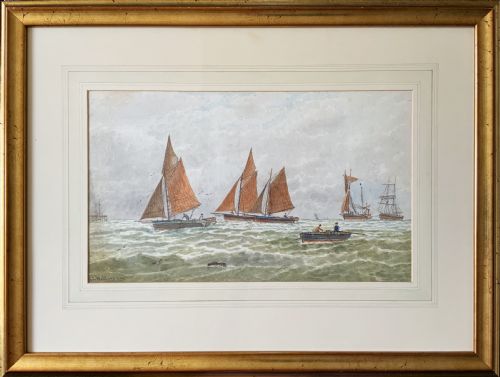
Antique Coastal Watercolour Painting
When you search for an antique coastal watercolour painting, you are looking at maritime views rendered on paper through the nineteenth and early twentieth centuries.
What They Are
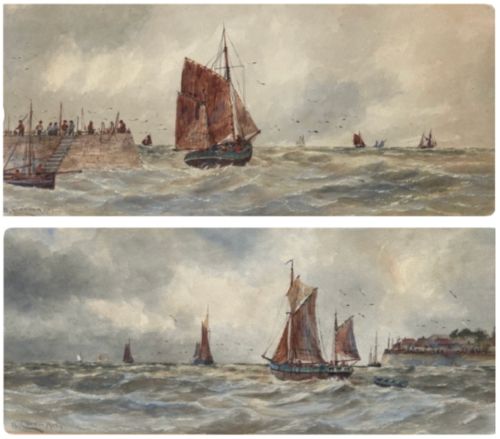
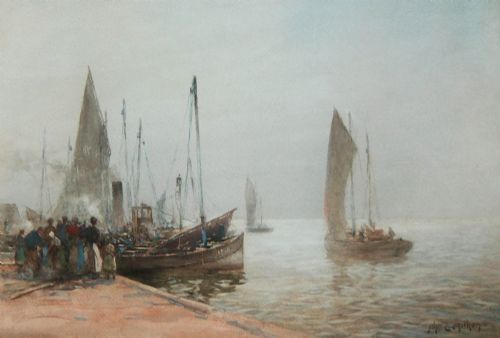
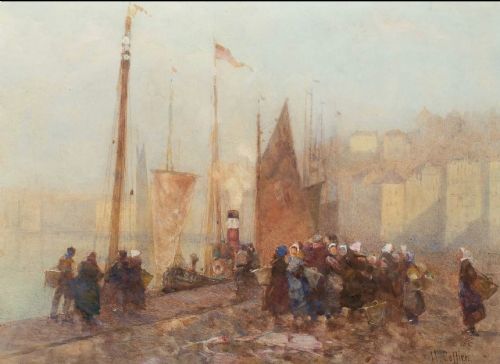
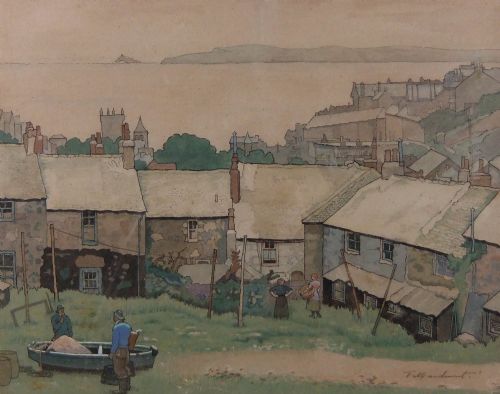
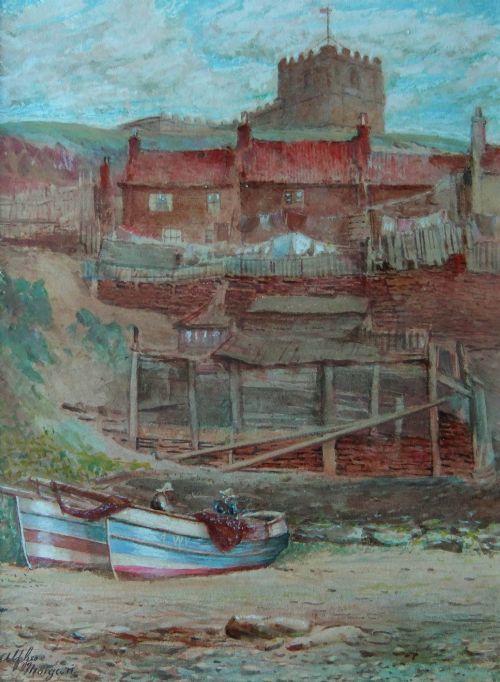
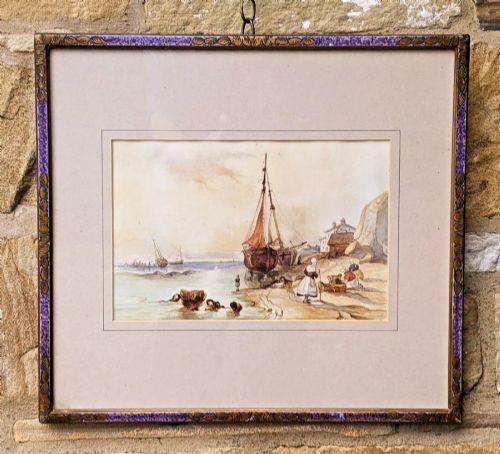
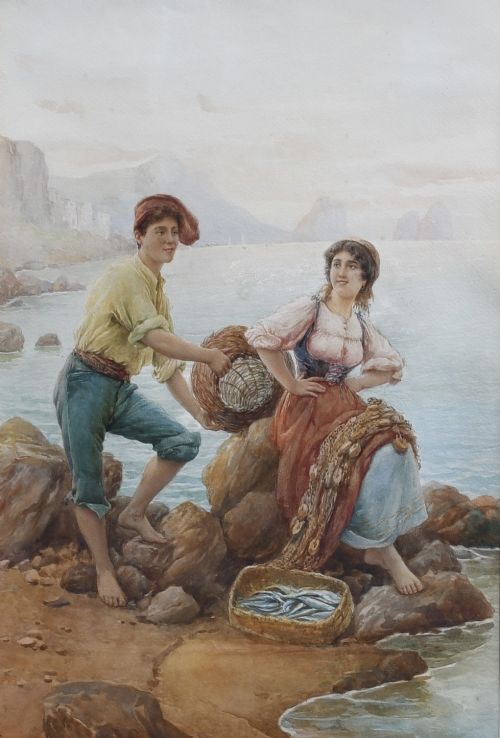
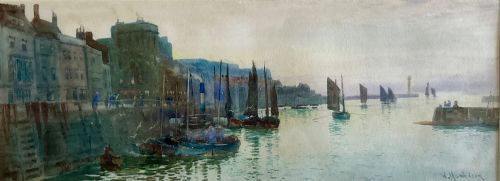
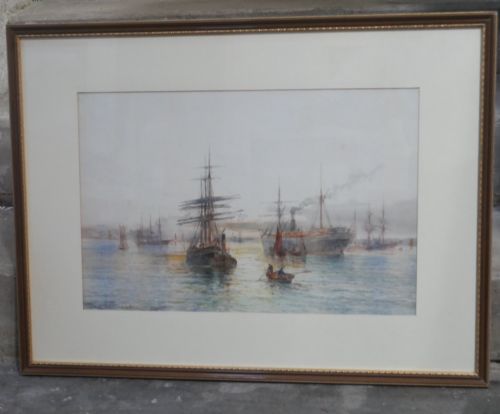
An antique coastal watercolour painting captures shores, harbours, lighthouses, and fishing villages across Britain and continental Europe. These works depict scenes from locations such as Norfolk, Jersey, Cromer, and the Hebrides.
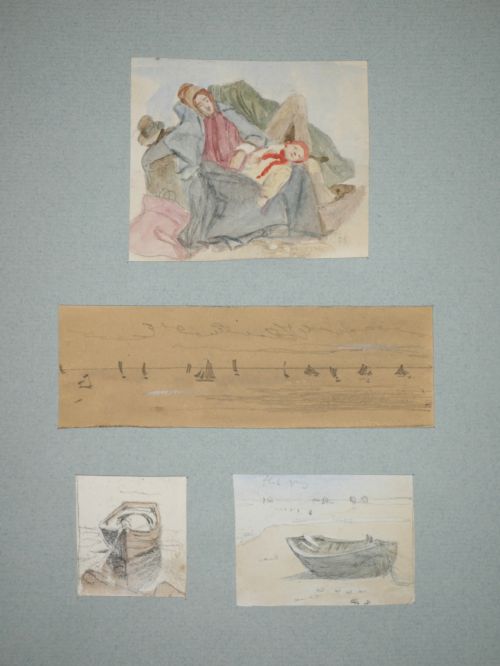
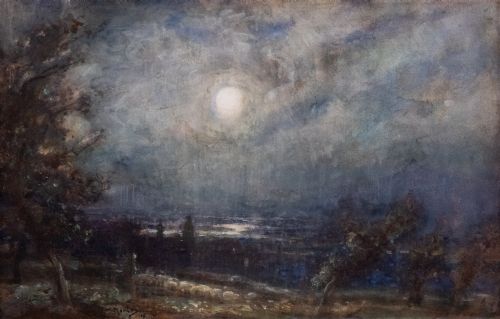
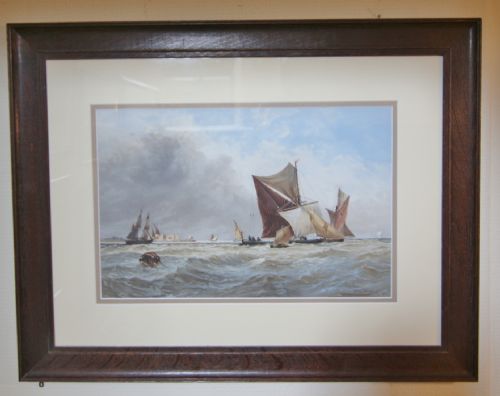
The pieces on this page span the nineteenth century into the 1930s, encompassing Victorian, Edwardian, and Modern British styles. You will find framed artwork featuring subjects ranging from stormy coasts and seaweed carts to quiet cottages and visiting boats.
Many works carry signatures or initials from named artists, while others remain attributed to the English School. They offer a direct window into historical maritime life and coastal topography through traditional watercolour on paper.
How They Were Made
Artists applied watercolour paint and pigment onto paper supports, often building up translucent washes alongside opaque bodycolour details. These sheets were subsequently mounted behind glass within wooden frames, occasionally accented with gold leaf.
The physical assembly relies on traditional framing methods designed to protect delicate works on paper from atmospheric moisture and dust. Wooden mouldings house the glazed panels, preserving the watercolours in their original presentation.
Retail Price Guide 2026
Typical UK retail prices for coastal watercolour painting, calculated from the Sellingantiques database of over a million retail prices indexed since 2003. This retail price guide relies exclusively on Sellingantiques data; no external sources or auction records are used, so the figures do not describe the wider market.
The documented periods span the Victorian era, 1900, 1910, 1930, and the broader nineteenth century.
What Varies in Quality
Quality rests upon the artist's handling of light, atmosphere, and maritime topography, distinguishing accomplished compositions from standard topographical records. Stronger pieces convey the specific dampness of sea air, the weight of stormy skies, and the accurate rigging of vessels.
The clarity of the pigment and the condition of the paper surface further differentiate the range. Works that retain their original tonal depth without excessive fading or discoloration demonstrate superior preservation and materials.
Frederick William Hattersley·H.E. Tidmarsh·George Hamilton Constantine·Hirst Walker·William Moore Junior·GM de L'Aubiniere·Lady Fanny Maxwell Lyte·Charles W Adderton·Alfred George Webster·Charles D'Oyly·Walter Witham·John Kidd Maxton·William F Vallance·Edward Arden Tucker·James Andrew McColvin
The Antique Coastal Watercolour Painting Glossary
- Watercolour
- A painting method where fine pigment is suspended in a water-soluble vehicle and applied to paper. This medium allows for luminous washes and delicate atmospheric effects.
- Bodycolour
- Watercolour mixed with white pigment to render it opaque, used by artists to add highlights and solid areas of light. It provides contrast against transparent washes.
- English School
- A historical designation for artists working in England who shared common stylistic influences and academic training. Many unsigned maritime landscapes are attributed to this broad grouping.
- Seascape
- A work of art depicting the sea, coastal views, ships, and shorelines. These scenes formed a major part of nineteenth-century landscape painting.
- Provenance
- The documented history of a painting's ownership and origin, establishing its authenticity and lineage. Clear attribution adds context to signed works.
Frequently Asked Questions
How do I care for an antique coastal watercolour?
Keep the painting away from direct sunlight to prevent the watercolour pigments from fading over time. Maintaining stable indoor humidity also protects the paper support and wooden frame from warping.
Ensure the glazing remains intact and avoid hanging the artwork in damp environments such as kitchens or unheated rooms. Professional framing using acid-free materials helps preserve the work for decades.
Were these watercolours always framed?
Most works on paper required framing shortly after completion to protect the delicate surface from dust and physical damage. Many retain their period wooden frames, which can sometimes include gold leaf accents.
Framing styles changed from the ornate Victorian mouldings to simpler Edwardian and later profiles. Examining the backing and mount can often reveal clues about the history of the piece.
How can I tell the Victorian pieces apart?
Victorian watercolours often feature detailed narrative elements like figures gathering seaweed, traditional cottages, or bustling fishing boats. The palette tends toward rich, earthy tones applied with meticulous brushwork.
Later works moving into the early twentieth century show looser impressionistic handling and brighter skies. Comparing the subject matter and framing provides context for the era.
What subjects appear most frequently?
Coastal landscapes dominate this category, featuring lighthouses, harbours, cliffs, and tidal flats from British and European shores. Daily coastal life, including fishermen and seaweed carts, appears alongside quiet secluded bays.
Works range from calm sunny inlets to stormy seas with dramatic skies and crashing waves. Each location reflects the artist's travels and the popularity of specific seaside resorts.