





Coastal Landscape Artwork
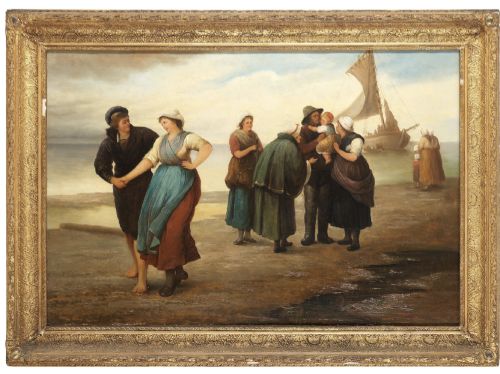
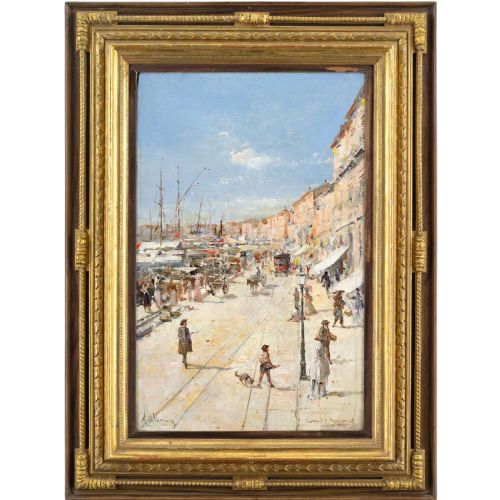
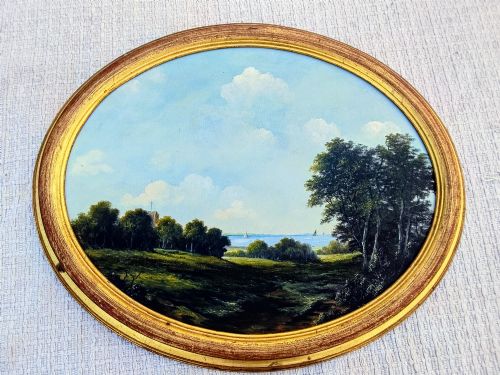
Coastal landscape artwork captures the shifting moods of shorelines, harbours and open seas through oil and watercolour.
What coastal landscape artwork includes
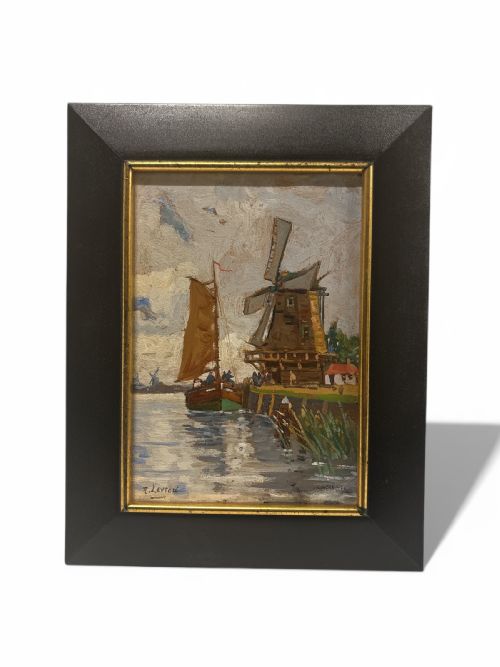
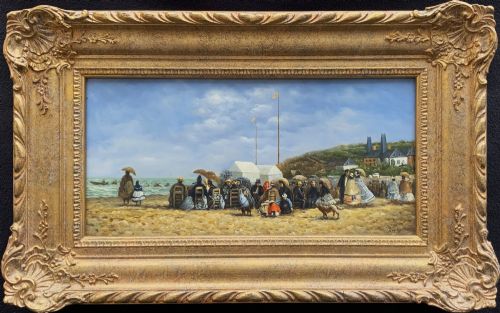
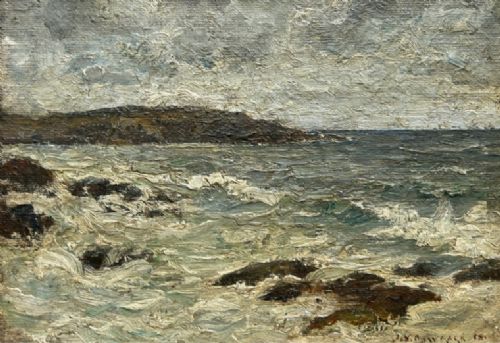
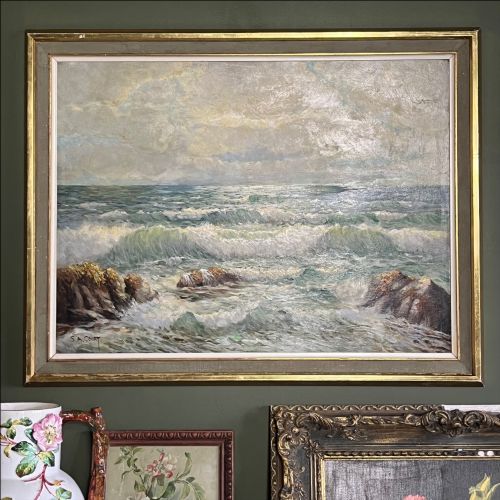
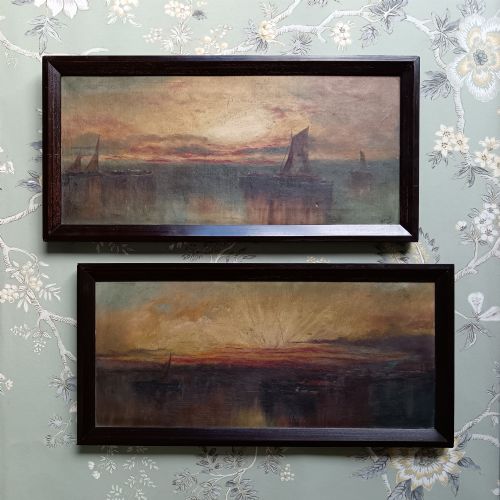
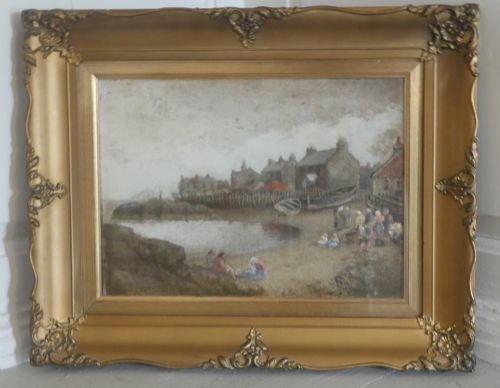
A coastal landscape artwork brings the atmosphere of the shore, harbour and open sea directly into your interior. These pieces record maritime views, fishing boats and coastal villages across various historic periods.
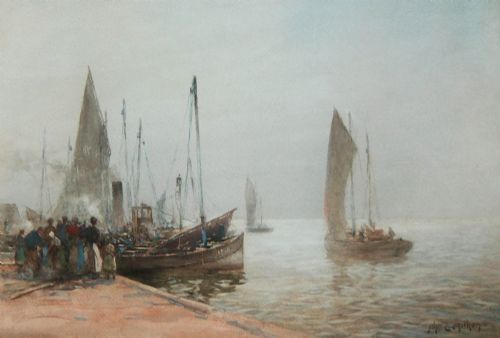
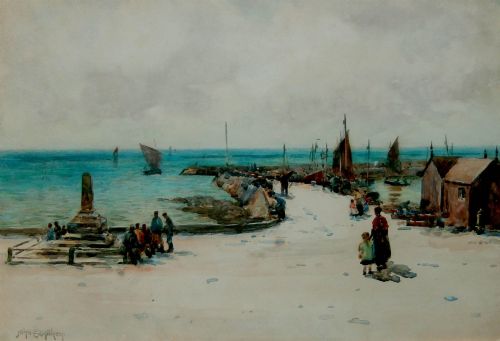
You will encounter works ranging from Victorian watercolours to mid-century modern oils. Common subjects include Folkestone Harbour, the Isle of Man and scenes featuring castle ruins or seaweed carts.
The selection on this page unites British Impressionism, Post-Impressionism and late nineteenth-century British styles. Each painting records a specific coastal location through the distinctive hand of its maker.
How they were made
Artists utilise traditional materials such as oil paint and watercolour on paper, wood, board or canvas. Support structures often include wooden stretchers and boards prepared specifically for landscape painting.
Many works are housed behind glass within wooden frames, occasionally accented with metal details. The handling of the medium ranges from fluid watercolour washes to heavy impasto in oil on board.
Retail Price Guide 2026
Typical UK retail prices for coastal landscape artwork, calculated from the Sellingantiques database of over a million retail prices indexed since 2003. This retail price guide relies exclusively on Sellingantiques data; no external sources or auction records are used, so the figures do not describe the wider market.
Listed items span from the Victorian era through 1960, utilising oil, watercolour, wood, board and paper.
What varies in quality
Quality rests upon the artist's ability to capture light, movement and atmospheric depth across the marine expanse. Accomplished brushwork defines the motion of waves and the architectural details of coastal buildings.
Provenance and documented signatures elevate certain works, particularly those associated with specific galleries or notable Victorian and twentieth-century painters. The clarity of the subject and the preservation of the original surface further distinguish the finer pieces.
John McDougal·T.S. Wallis·George Gregory·Donald McIntyre·George Hamilton Constantine·Owen Bowen
The Coastal Landscape Artwork Glossary
- Watercolour
- A paint consisting of pigment suspended in a water-based solution, applied to paper to create transparent washes.
- Oil on board
- A painting technique where oil paint is applied directly to a rigid wooden or composite board rather than canvas.
- Impasto
- Paint laid on an area of the surface in thick layers, standing out visibly from the painting.
- Seascape
- A type of fine art painting that depicts the sea, coastal views, ships and maritime activity.
Frequently Asked Questions
How do I date a coastal landscape artwork?
Dating relies on stylistic markers, signatures, frame construction and the materials used by the artist. Comparing the subject matter to known periods helps narrow down the timeframe.
Victorian pieces often display a detailed realism, whereas mid-century works embrace looser brushwork and modernist interpretations of the shore.
Where should I hang a marine painting?
Choose a wall with balanced ambient light away from direct, harsh sunlight to protect watercolours and oils. Hang the piece at eye level to fully appreciate the composition and brushwork.
Pairing these artworks with traditional or neutral interiors allows the coastal subject to serve as a focal point.
What is the difference between oil and watercolour?
Oil paint offers a rich texture and deep colour saturation that can be layered over time. Watercolour provides a delicate, translucent quality on paper.
Watercolours require protection beneath glass, while oil paintings on board or canvas remain exposed to the air.
Are signed paintings more desirable?
A signature confirms the attribution to a specific artist and connects the work to a recorded maker. This documentation aids collectors in researching the provenance.
Unsigned pieces remain valued for their artistic merit and technique, even when the creator's identity is lost.