
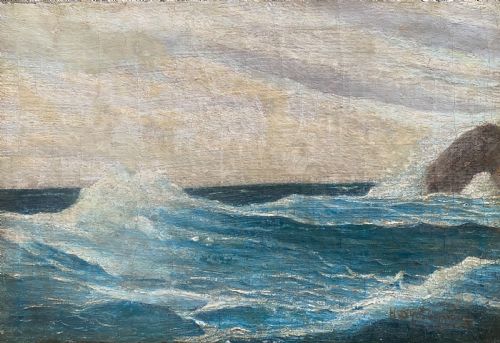


Early 20th Century Seascape
An early 20th century seascape captures the changing moods of coastal and open waters through the lens of impressionist and traditional marine artists.
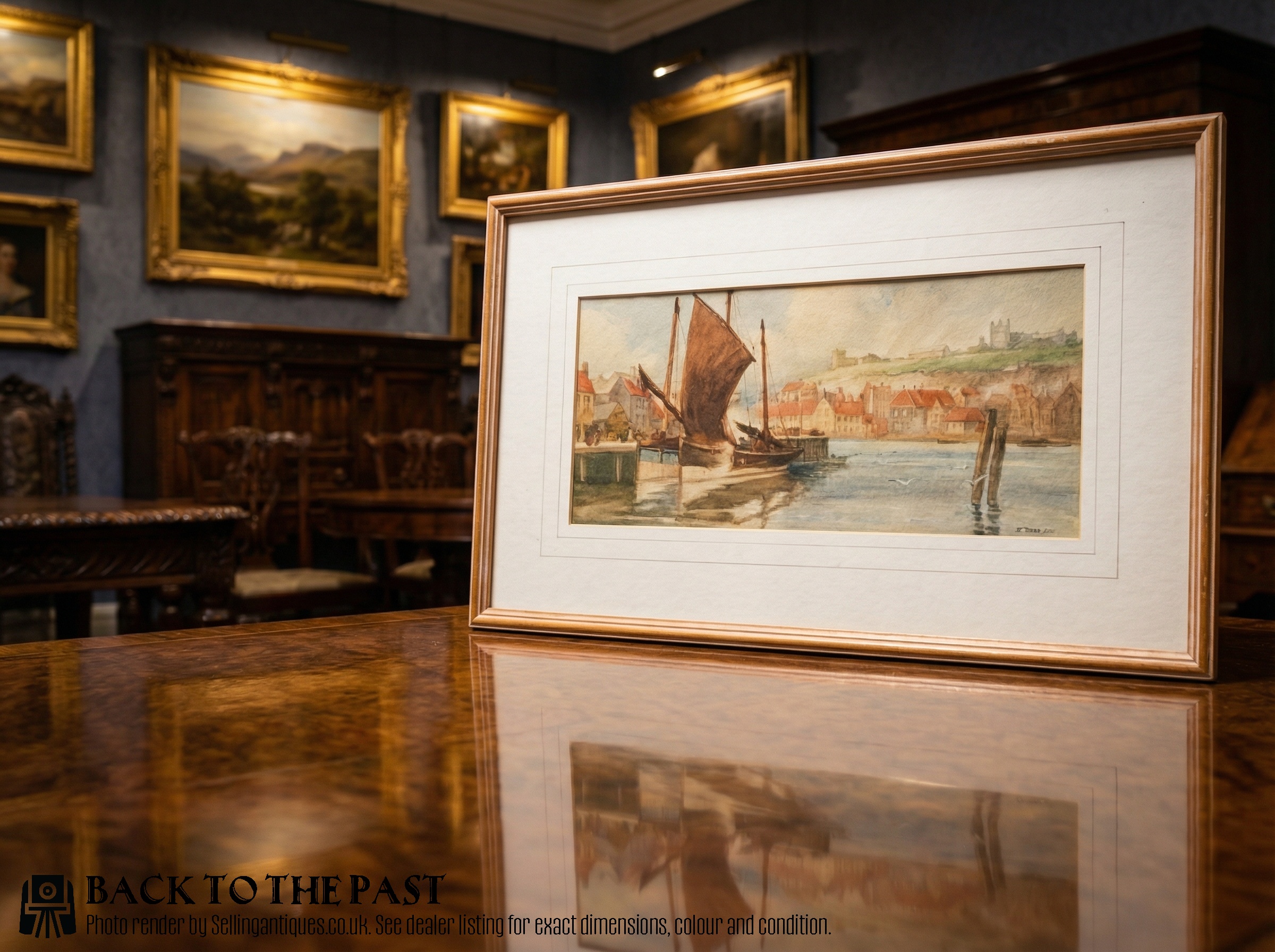
Early 20th Century Seascape
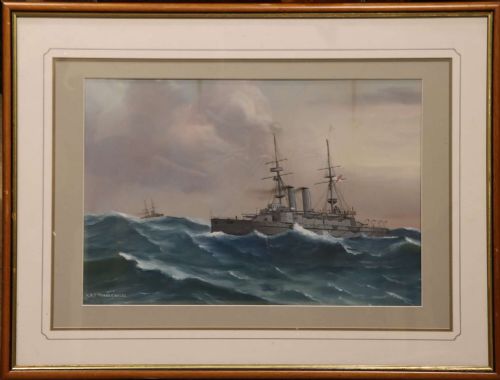
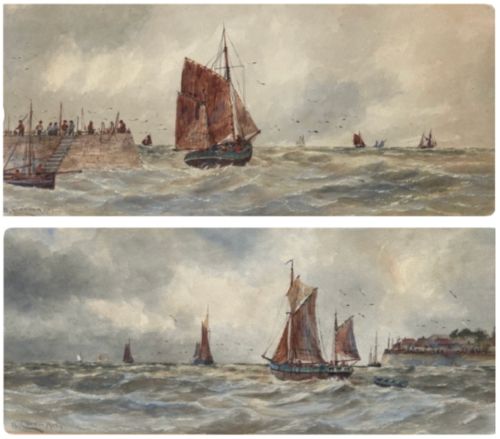
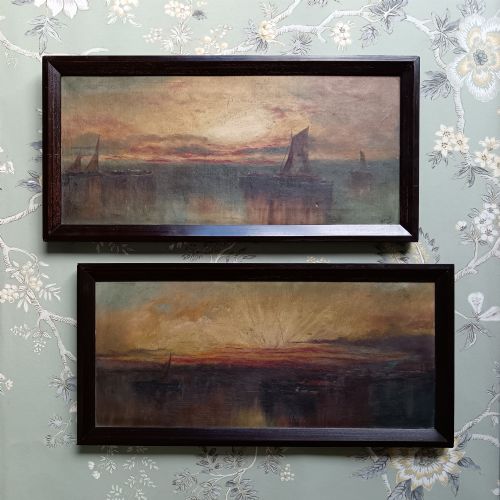
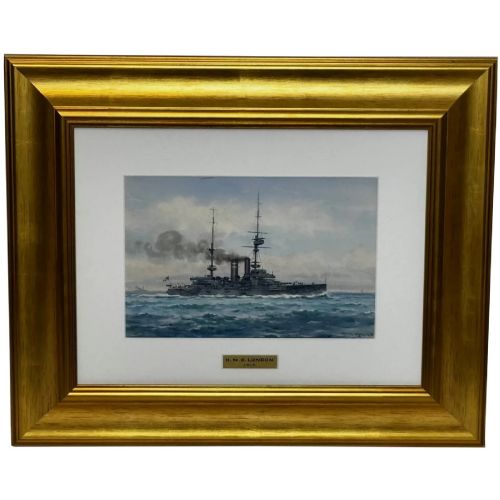
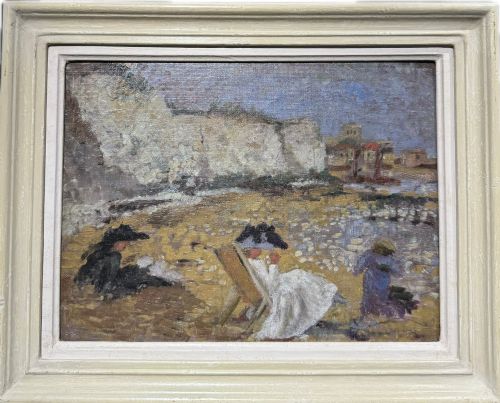
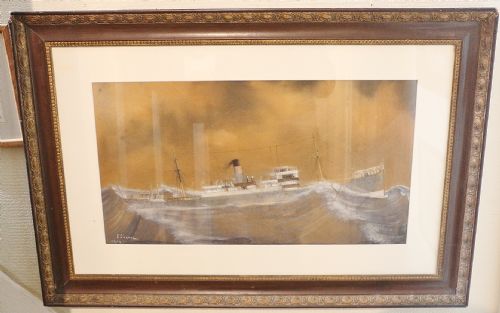
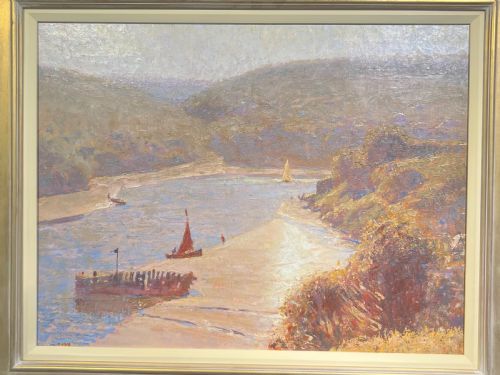
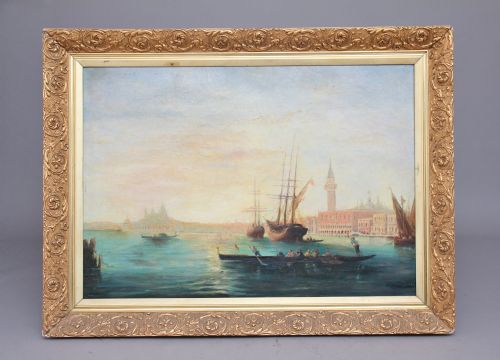
An early 20th century seascape encompasses framed artwork, wall art and fine art paintings depicting harbours, coastal shores, naval vessels and open water. These pieces span watercolours, gouache and oil paintings created across the Edwardian era and subsequent decades up to the mid-century.
The subjects range from British fishing boats in choppy northern waters and bustling Chinese ports to serene Mediterranean lagoons and dramatic WW1 naval scenes. Buyers encounter regional British coastal views alongside French, Italian and Russian modernist interpretations of the sea.
Most examples originate from the first three decades of the century, capturing both working maritime trade and leisurely coastal scenes in various impressionist and realist idioms.
How They Were Made
Artists utilised oil paint applied to canvas, wood panels, board and card, building rich textures for choppy waves and stormy skies. Watercolours and gouache on paper capture lighter atmospheric effects, often finished with delicate brushwork for rigging and architectural details.
Many works remain housed in period wood frames, sometimes ebonised, which complement the maritime subject matter. The physical supports reflect traditional studio and plein-air practices of the era, from heavy woven canvas to sturdy artist boards.
Early 20th Century Seascape Retail Price Guide 2026
Typical asking prices for early 20th century seascape among the pieces listed under this phrase on Sellingantiques today, from the lower quarter to the upper quarter. They describe what is for sale here now, not the wider market.
Several artists braved choppy northern tides just to capture the exact slouch of a coble boat at low wash.
What Varies In Quality
Quality rests upon the artist's command of light, atmosphere and movement, distinguishing spirited brushwork from rigid or formulaic marine illustration. Superior works convey the palpable weight of water and the specific quality of coastal air rather than mere topographical recording.
The strength of composition and the handling of the medium - whether fluid washes of watercolour or confident impasto in oil - determine the visual impact of the piece. Provenance, legible signatures and documented exhibition histories further separate standard decorative watercolours from distinguished artistic statements.
William Cannon·Frank Watson Wood·Owen Bowen·Ernest F Hill·Hendrik Yan Wolter·George F Pennington·Walter Henry Sweet·John Shapland·John Falconer Slater·Reginald Grange Brundrit·John Wynne Williams
The Early 20th Century Seascape Glossary
- Gouache
- An opaque water-based paint that allows for brilliant highlights and solid fields of colour, frequently utilised alongside watercolour in maritime works.
- Impasto
- Paint applied thickly to a canvas or board so that it stands out from the surface, often employed to render crashing waves and textured sea foam.
- Marine painting
- Artwork dedicated primarily to ships, harbours, coastal views and the open sea, encompassing both naval history and atmospheric coastal scenes.
- Plein air
- The practice of painting outdoors to capture direct observations of natural light and weather conditions upon the water.
- Coble
- A traditional type of open fishing boat native to the north-east coast of England, commonly featured in regional watercolours and oils.
Early 20th Century Seascape: Frequently Asked Questions
What subjects appear most frequently in these seascapes?
The listings feature working fishing vessels, bustling commercial harbours, quiet coastal paths and naval ships from the Edwardian period onward. Scenes span British coastal locations like Whitby and Yorkshire alongside Mediterranean lagoons and Eastern ports.
Artists recorded both the daily toil of fishermen and the leisure of beachgoers against changing coastal weather.
How do watercolours differ from oil paintings here?
Watercolours utilise washes on paper to capture translucent skies, calm harbours and swift atmospheric shifts. Oil paintings employ heavier pigments on canvas, board or wood, allowing for textured impasto that brings weight and motion to stormy seas.
Both mediums served artists striving to capture the transient qualities of light upon the water.
Are these works signed by the artists?
Many examples bear the signatures or initials of period artists, while others remain attributed to specific schools or circles of painters. Signed works often provide a direct link to regional British art societies or continental impressionist movements.
Exhibition labels and period framing sometimes offer additional clues regarding the origin of unsigned pieces.
How should I care for an antique painting on paper?
Watercolours and gouache require protection from direct sunlight to prevent fading of delicate pigments. Framing behind conservation glass in a stable indoor environment helps preserve the paper support.
Keeping the artwork away from excessive moisture ensures the longevity of both the paper and any historic framing.