




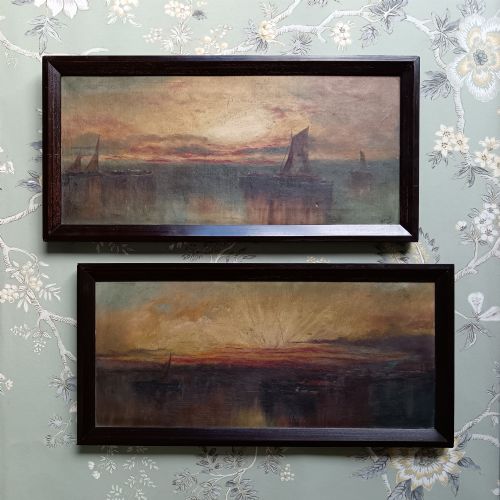
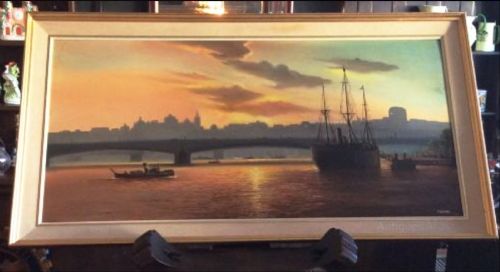
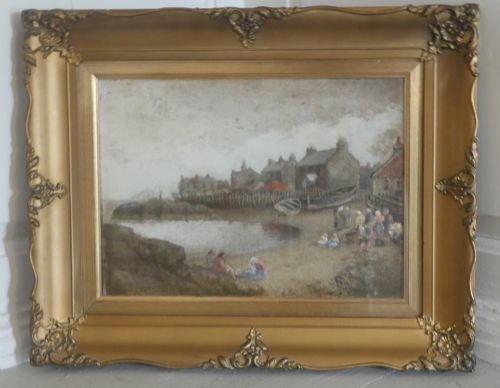
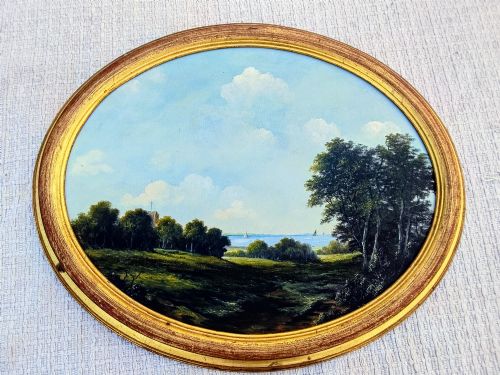
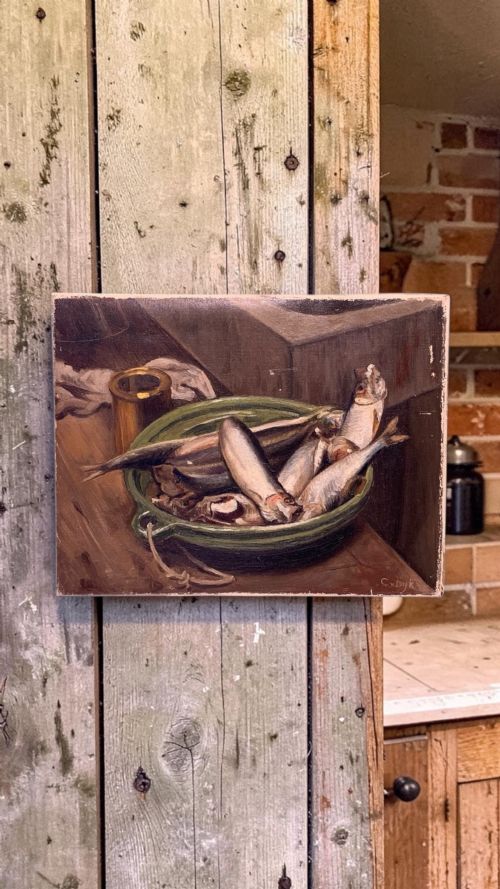
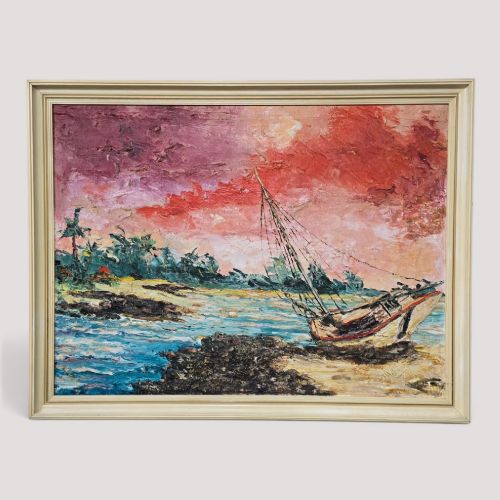
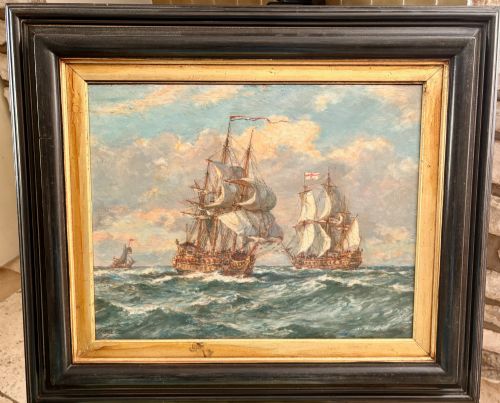
Vintage Marine Oil Painting
A vintage marine oil painting captures the power of open water, historic vessels and coastal light on canvas or board.
Vintage Marine Oil Painting
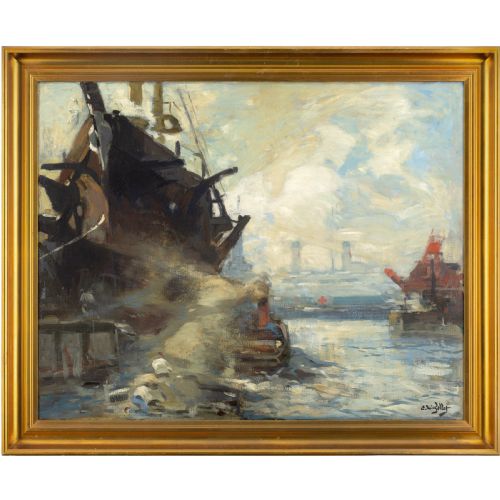
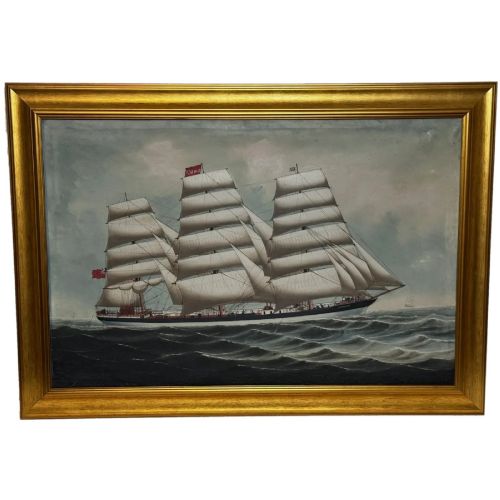
A vintage marine oil painting depicts maritime scenes, coastal views, harbours and shipping vessels from the nineteenth century through to the mid-twentieth century. Buyers searching for a vintage marine oil painting encounter works ranging from dramatic depictions of sailing ships in heavy seas to tranquil en plein air harbour views.
The selections span periods including the Victorian era, Edwardian period and the mid-century decades. These paintings record specific historical vessels, naval engagements and bustling ports alongside quieter coastal landscapes created by British and European artists.
How they were made
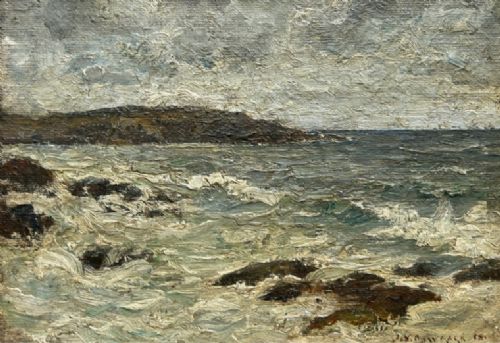
Artists painted these works using oil paint applied to canvas or rigid board supports. Many compositions utilise impasto techniques to build thick, textured brushstrokes that render the movement of water and the churning surface of the sea.
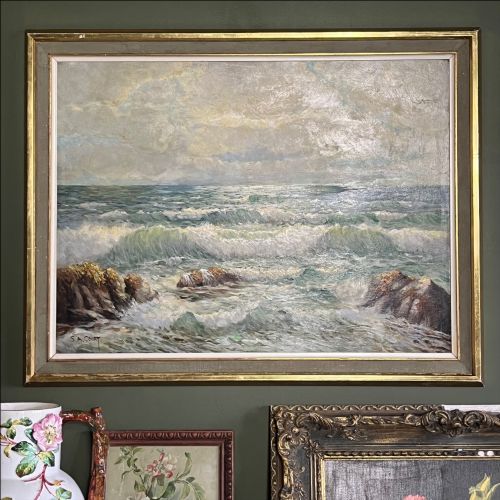
Finished paintings often reside within their original gilt frames, which provide a decorative border designed to complement the maritime subject matter. Some works employ a gouache medium on board, capturing fine detail in coastal light and stormy weather.
Vintage Marine Oil Painting Retail Price Guide 2026
Typical asking prices for vintage marine oil painting among the pieces listed under this phrase on Sellingantiques today, from the lower quarter to the upper quarter. They describe what is for sale here now, not the wider market.
Several ships depicted on these canvases survived storms only to wait patiently on living room walls for a new admirer.
What varies in quality
The quality of a marine oil painting rests upon the artist's ability to render nautical architecture, maritime rigging and the atmospheric conditions of coastal weather with precision and conviction. Hand-signed works by recognised painters carry distinct documentary and artistic weight compared to anonymous pieces from the broader English or French schools.
The handling of light on water and the depth of the perspective create visual distinction across different examples. Original period framing in carved and gilded wood also contributes to the integrity and visual presence of the piece.
Kenneth Cozens·Clifford Hanney·Eugène-Louis Gillot·William McAlpine·Reginald Arthur Borstel·Sidney A. Court·B. Nash·Edward Mills·Bernard Gribble·F. Corpuz·Clive Browne·Peter Brannan·Paul Bret·Bernard Benedict Hemy·Willem Bos·Lai Fong·Nicholas Condy·William Henry Williamson·John Holland·Abraham Hulk I·Elisabeth Bardon·William Edward Webb·Emil Ekman
The Vintage Marine Oil Painting Glossary
- En plein air
- Painting outdoors to capture direct observations of natural light and weather. This method produces immediate responses to coastal conditions.
- Impasto
- Paint laid thickly on a surface so that brush or palette-knife strokes stand out visibly. It adds tactile depth to waves and clouds.
- Gilt frame
- A wooden picture frame covered with gold leaf or metallic gilding. These frames enhance the visual impact of maritime subjects.
- Maritime
- Relating to the sea, shipping, navigation and marine commerce. It forms the core subject matter for naval and coastal art.
- Seascape
- A painting depicting the sea, coastlines and marine vessels. These works focus on the interaction between water, sky and shore.
Vintage Marine Oil Painting: Frequently Asked Questions
How do I identify the period of a marine painting?
Examine the vessel types, rigging styles and clothing of any figures depicted within the scene. Steamships, three-masted schooners and modern naval vessels offer clear chronological anchors.
The materials used for the support, such as prepared canvas or wooden board, combined with framing methods, further help narrow down the decade of creation.
What is the difference between a seascape and a marine painting?
A seascape generally emphasises the natural elements of the sea, coastline, weather and atmosphere. These works focus primarily on water, sky and coastal light.
A marine painting places specific emphasis on ships, shipping, naval history and human activity upon the water, often recording named vessels and historic maritime events.
Where should I hang a vintage oil painting?
Select a wall with stable ambient temperature and humidity away from direct sunlight to protect the oil paint and canvas. Proper placement preserves the pigments and the integrity of the wooden support over time.
Consider the lighting in the room so that natural or artificial sources illuminate the textured brushwork without creating distracting glare on the surface.