




19th Century Coastal Painting
Discover original 19th century coastal painting works depicting historic harbours, fishing vessels and dramatic shorelines to bring authentic maritime atmosphere into your interior.
19th Century Coastal Painting
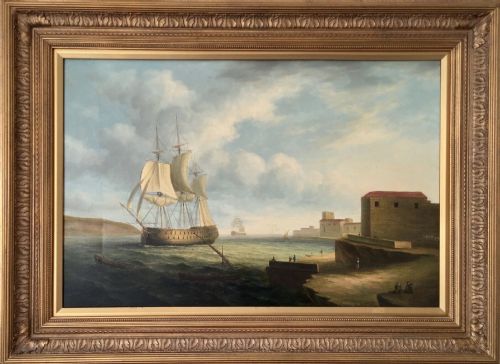
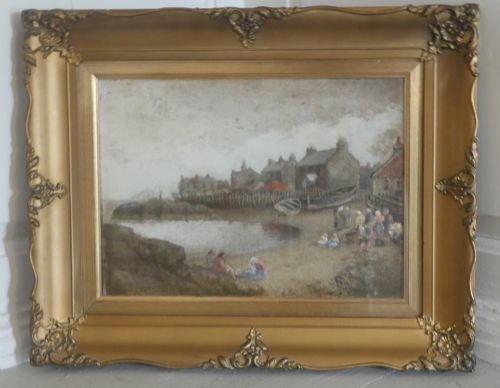
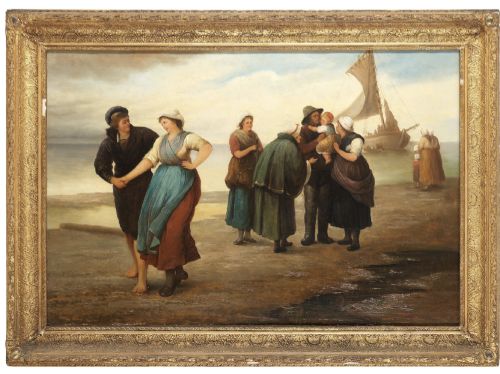
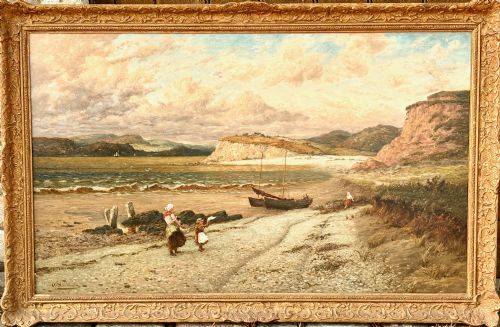
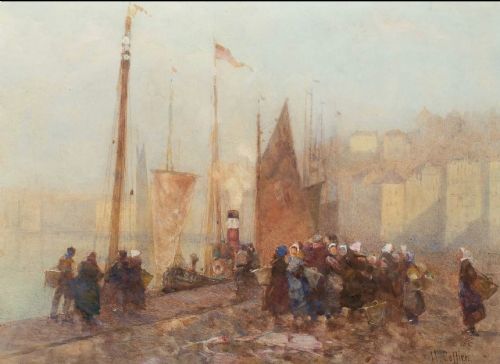
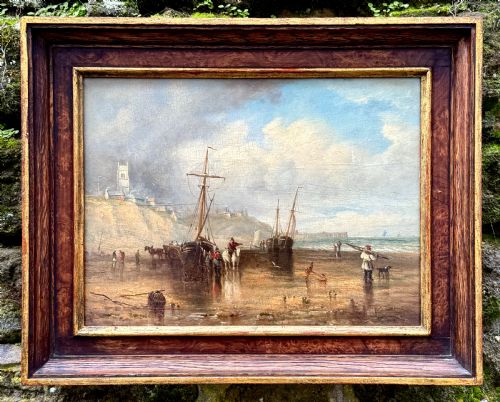
A 19th century coastal painting captures the maritime heritage, bustling fishing ports and secluded bays of the Victorian era. These works record specific coastal locations from Cornwall and Yorkshire to international waters, portraying everyday maritime life alongside towering sailing ships.
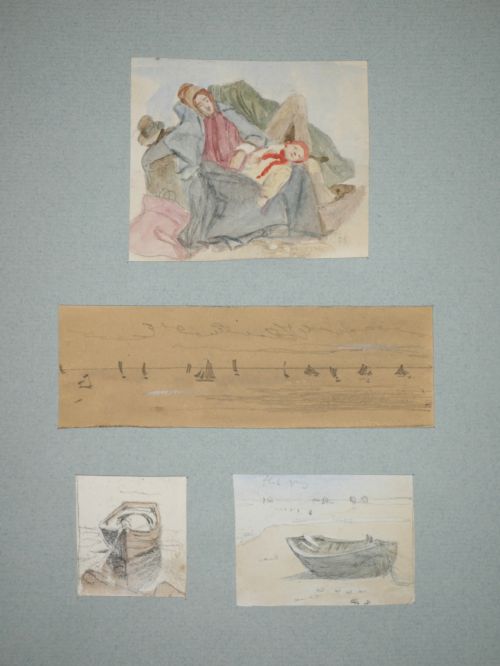
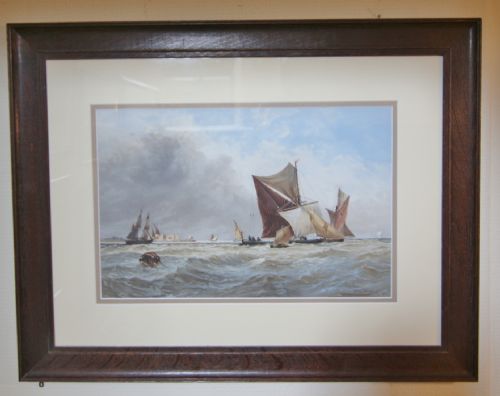
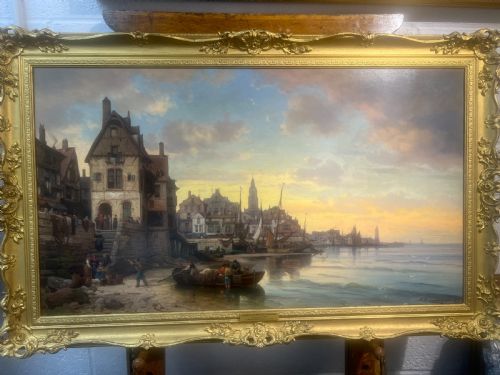
Buyers encounter varied formats ranging from intimate works on paper to grand canvases housed in ornate gilt wood frames. The selection includes detailed watercolours and rich oil paintings produced across the nineteenth century and into the early twentieth century.
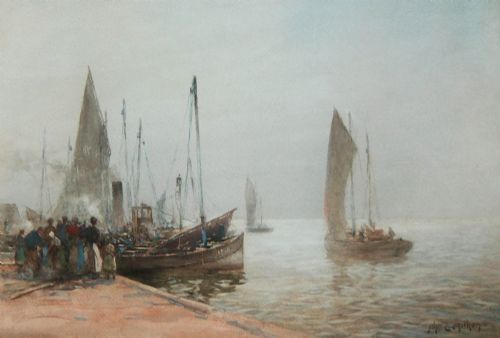
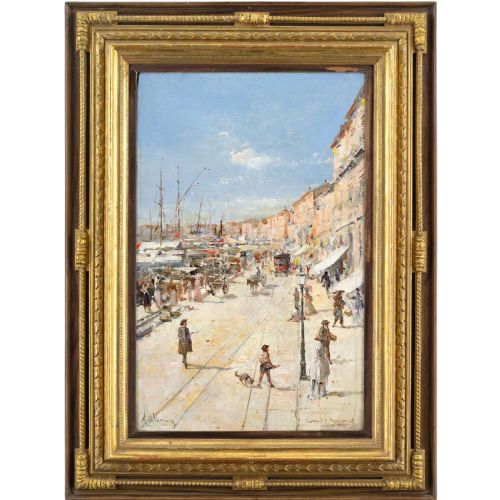
Many pieces document recognizable British and European ports, featuring local vessels, fisherfolk and coastal architecture. Whether showing stormy seas or calm evening departures, these artworks preserve historical shorelines through the eyes of contemporary artists.
Materials and methods
Artists utilised oil paint applied to canvas, wood panel or board to achieve rich textures and deep tones suitable for dramatic seascapes. Watercolours on paper offered a lighter medium for capturing atmospheric coastal light and delicate atmospheric effects.
Finished works were frequently housed in decorative gilt wood frames that enhanced the visual impact of the maritime scene. Glass protected delicate works on paper from environmental degradation while preserving the original pigments.
19th Century Coastal Painting Retail Price Guide 2026
Typical asking prices for 19th century coastal painting among the pieces listed under this phrase on Sellingantiques today, from the lower quarter to the upper quarter. They describe what is for sale here now, not the wider market.
Evaluating quality and execution
Superior examples demonstrate confident brushwork, accurate maritime architecture and a sophisticated understanding of light shifting across water and sky. Master artists managed perspective and atmospheric depth skilfully, bringing movement to waves and vessels alike.
The precision of the composition and the condition of the support material distinguish finer pieces from standard decorative works. Original frames and clear artist signatures or attribution further elevate the historical and aesthetic standing of a piece.
James Orrock·Thomas William Morley·Hector Caffieri·Bernard Benedict Hemy·Thomas Creswick·John Wilson Carmichael·Joseph Farquharson·John Moore of Ipswich·William Henry Williamson·John Holland·George Stanfield Walters·Abraham Hulk I·Henry Barlow Carter·William Frederick Settle·John Bedloe Goddard·Charles William Adderton·William Edward Webb·William Collingwood Smith·Thomas Bush Hardy·T L Rowbotham·Patrick Nasmyth·Charles D'Oyly·Emily Ledbrook·Thomas Hasted Heath·Alfred H Vickers
The 19th Century Coastal Painting Glossary
- Seascape
- A work of art depicting the sea, coastal views, ships or maritime activities. These subjects formed a major genre for nineteenth-century painters inspired by coastal environments.
- Watercolour
- A painting method where paint is made of pigments suspended in a water-soluble vehicle. It was widely utilised on paper for rapid studies and finished coastal views.
- Oil on Canvas
- Pigments bound in a drying oil applied to a stretched woven fabric support. This combination allowed artists to build rich layers and dramatic textures for marine scenes.
- Gilt Wood
- Wood carved and coated with gold leaf or a metallic gilt finish used for picture frames. These ornate surrounds were designed to complement the tones within nineteenth-century paintings.
- Provenance
- The chronological record of ownership and history of an artwork. Documented origin helps verify the authenticity and background of historic paintings.
19th Century Coastal Painting: Frequently Asked Questions
How do I care for antique watercolours?
Keep watercolours away from direct sunlight to prevent fading of the delicate pigments used on paper supports.
Ensure they are displayed in rooms with stable humidity levels to protect both the paper and the original frame.
Were these paintings created outdoors?
Many artists produced preliminary sketches and watercolours directly on location along the coast before completing finished oil paintings in the studio.
Field studies allowed painters to capture accurate details of local fishing boats, changing tides and atmospheric weather conditions.
How can I identify the coastal location?
Look for contemporary inscriptions on the reverse of the canvas, board or paper, which often note the specific harbour or town.
Architectural landmarks, coastal geography and vessel types depicted in the scene frequently provide clues to the exact setting.
Are original frames important?
Period gilt wood frames complement the aesthetic of nineteenth-century artworks and contribute to their overall historical integrity.
While framing styles varied, matching a period-appropriate surround enhances the presentation and character of the painting.