

Victorian Watercolour Artwork
These Victorian watercolour artwork pieces capture nineteenth-century landscape, portraiture and botanical studies on paper.
Victorian Watercolour Artwork
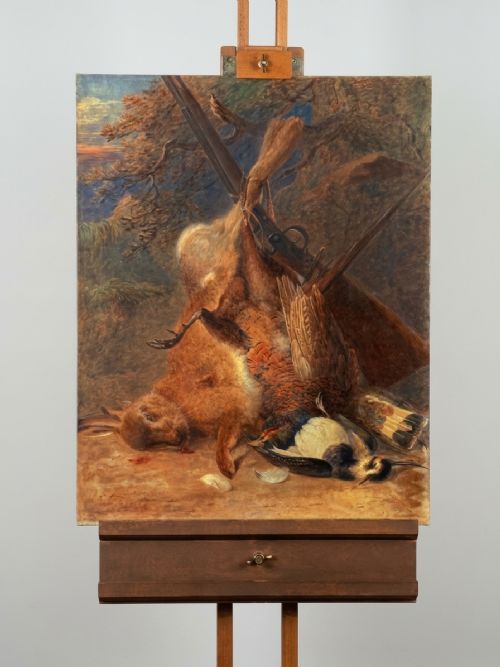
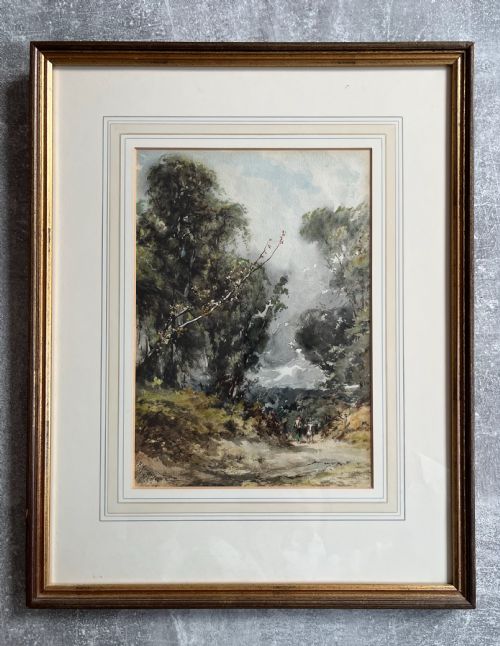
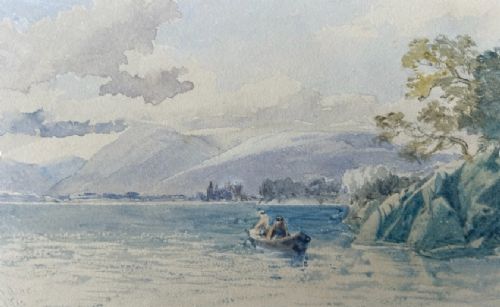
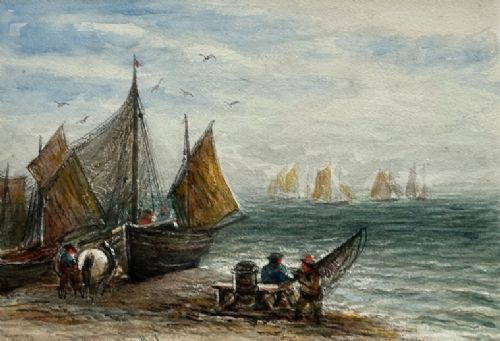
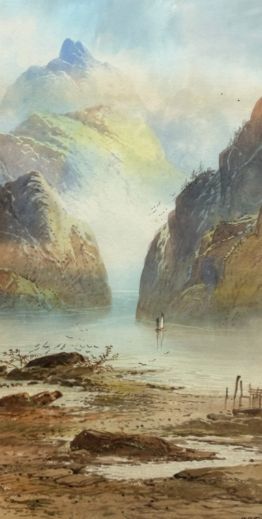
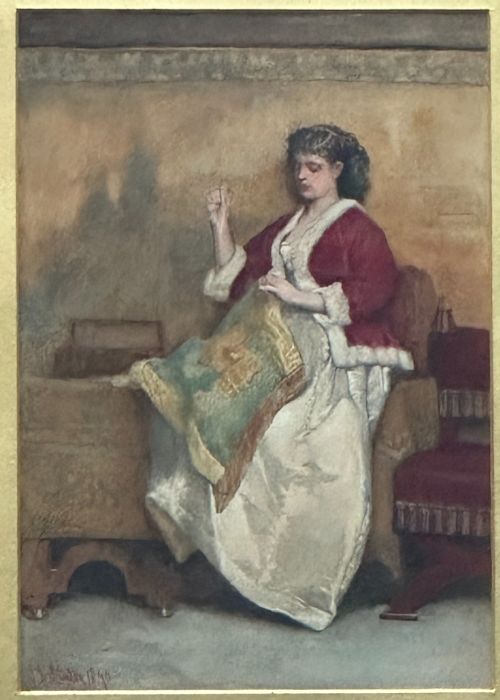
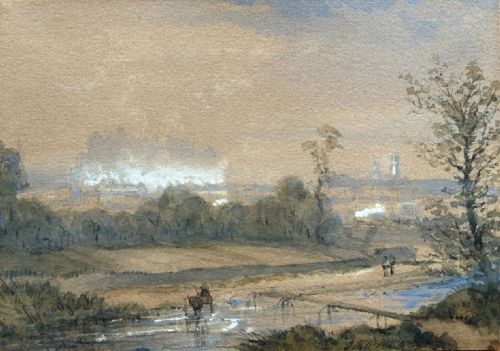
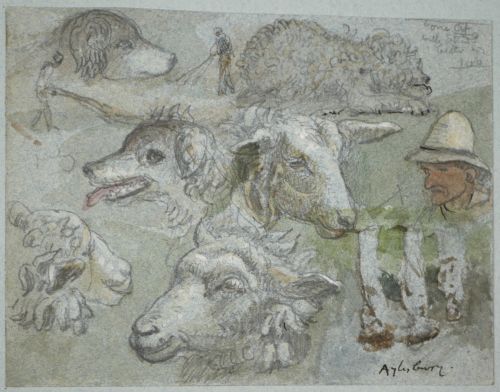
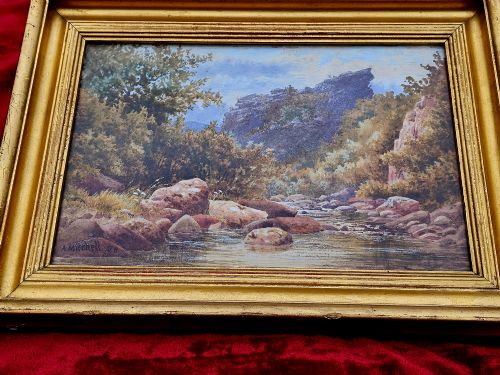
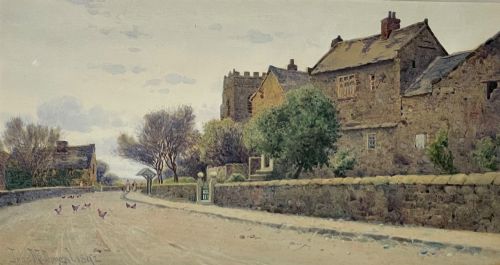
When you search for victorian watercolour artwork, you encounter original paintings, framed wall art and works on paper created primarily during the nineteenth century. The selection ranges from detailed botanical studies and still lifes to expansive Scottish landscapes and coastal marine scenes.
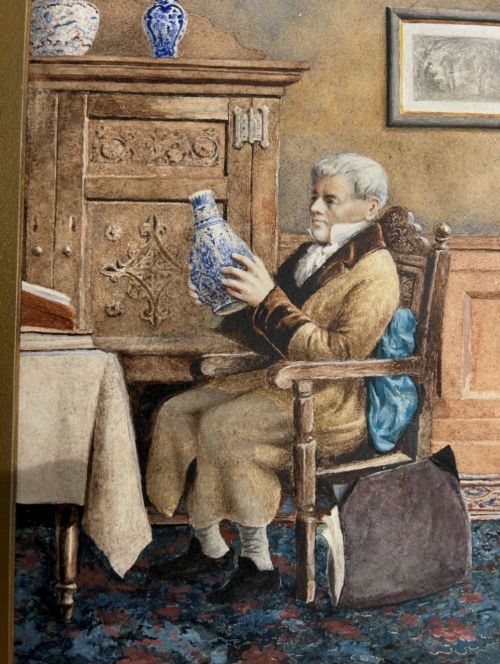
You are most likely to meet mid to late nineteenth-century pieces bearing signatures, monograms or dates. These works span domestic scenes, architectural views and topographical watercolours executed by both professional academicians and accomplished amateurs.
Materials and Techniques
Artists painted primarily with watercolour pigment on paper, frequently incorporating bodycolour, ink and wash to achieve opacity and depth. Many surviving examples retain their period frames constructed from wood, gold leaf and gilt wood, often protected behind glass.
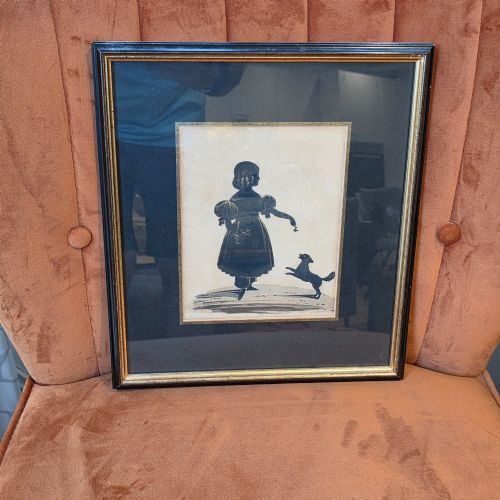
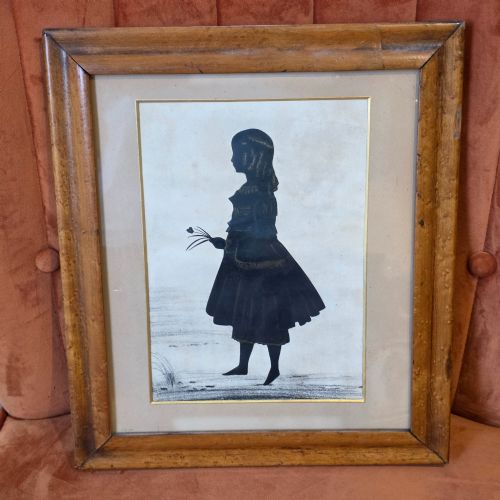
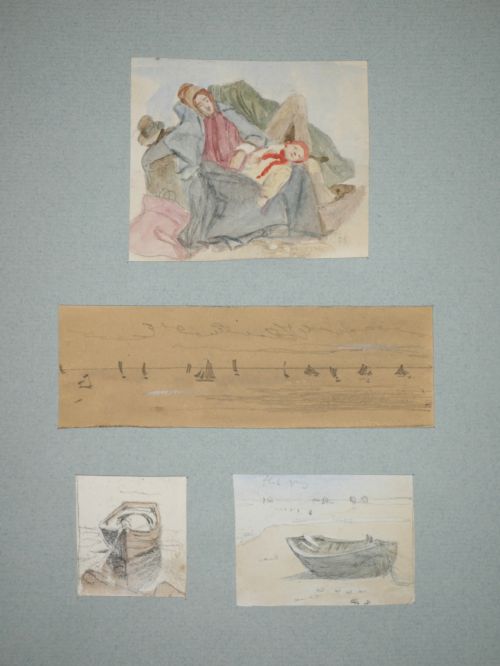
Techniques varied from delicate botanical watercolours requiring precise brushwork to broader plein-air landscape washes capturing atmospheric coastal light. Artists applied pigments to various paper weights, sometimes combining cut-paper silhouettes or ink outlines to define the subject.
Victorian Watercolour Artwork Retail Price Guide 2026
Typical asking prices for victorian watercolour artwork among the pieces listed under this phrase on Sellingantiques today, from the lower quarter to the upper quarter. They describe what is for sale here now, not the wider market.
Listings feature works on paper spanning from the Regency era through the Victorian period and into the Edwardian years.
Judging Quality
Quality rests upon the sureness of the brushwork, the stability of the pigments against fading, and the composition of the scene. Superior works display confident draftsmanship and tonal depth rather than hesitation or overworked washes.
The integration of the painting with its original period frame also influences the overall integrity of the piece. Well-preserved works maintain vibrant pigment tones and crisp paper integrity without excessive foxing or damp staining.
William James Hubard·George Sydney Shepherd·Thomas Miles Richardson·James Orrock·William Henry Earp·Sir James Dromgole Linton·Ernest Arthur Rowe·Carl Haag
The Victorian Watercolour Artwork Glossary
- Watercolour
- A painting method in which the paints are made of pigments suspended in a water-based solution. It is traditionally applied to paper surfaces.
- Bodycolour
- Watercolour paint mixed with a white pigment to render it opaque. This technique adds highlights and solid areas of colour.
- Foxing
- Brown spots or patches on antique paper caused by chemical reactions over time. It is a common occurrence in nineteenth-century works on paper.
- Gilt Wood
- Wood that has been treated with a thin layer of gold leaf or gold paint. Frames of this type are frequently found on period pictures.
Victorian Watercolour Artwork: Frequently Asked Questions
How should I frame and hang antique watercolours?
Keep watercolours away from direct sunlight to prevent the pigments from fading over time. Ensure they are mounted with acid-free materials behind glass to protect the delicate paper.
Check that the room humidity remains stable to avoid encouraging foxing or paper deterioration. Professional framing using conservation-grade materials preserves the long-term condition of nineteenth-century works.
What subjects are common in nineteenth-century watercolours?
Landscapes and coastal marine views dominate the period, reflecting a widespread fascination with British and European scenery. Botanical studies, architectural sketches and figurative genre scenes also appear frequently.
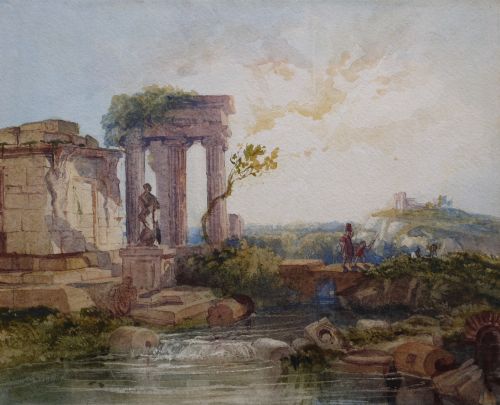
Artists frequently recorded their travels abroad, producing Italianate views and orientalist subjects. Portraiture and still lifes round out the diverse repertoire of Victorian painters.
How do I identify the date of a watercolour?
Look for artist signatures, monograms, or handwritten inscriptions on the front or reverse of the paper. Dated works provide a secure chronological anchor for unsigned pieces.
Stylistic cues, framing materials and paper types offer further clues to the period of production. Comparison with documented works by known artists helps narrow down the decade.
What is the difference between watercolour and bodycolour?
Transparent watercolour allows the white of the paper to shine through the washes, creating luminous and light effects. The pigment particles remain visible and fluid across the surface.
Bodycolour incorporates opaque white paint to create solid, dense areas of colour and sharp highlights. Artists often combined both techniques within a single painting to balance depth and luminosity.