
Grey Watercolour Painting
A grey watercolour painting captures atmospheric light and tonal nuance through washes of pigment on paper, offering collectors a subtle glimpse into past landscapes and seascapes.
Grey Watercolour Painting
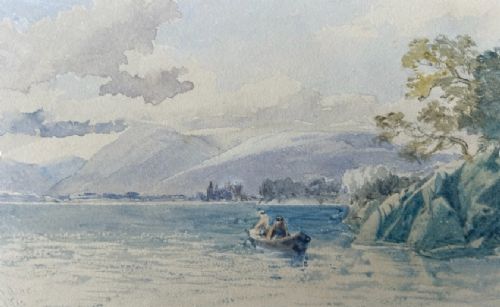
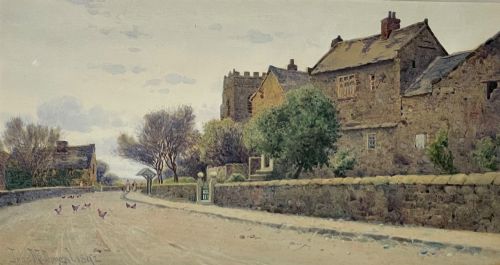
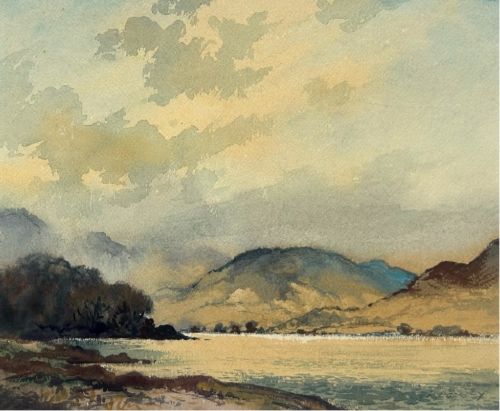
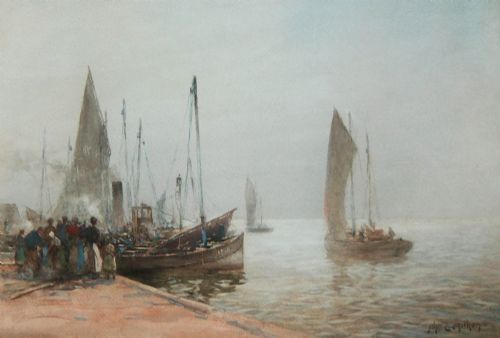
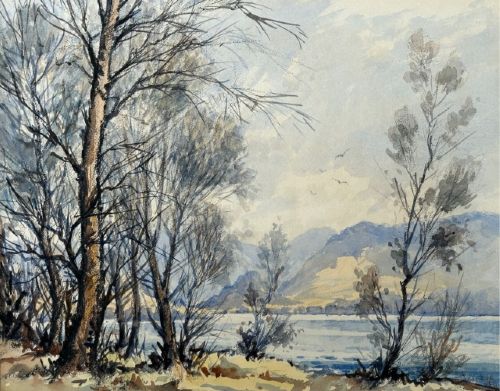
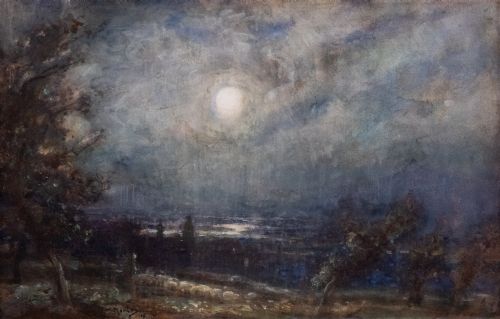
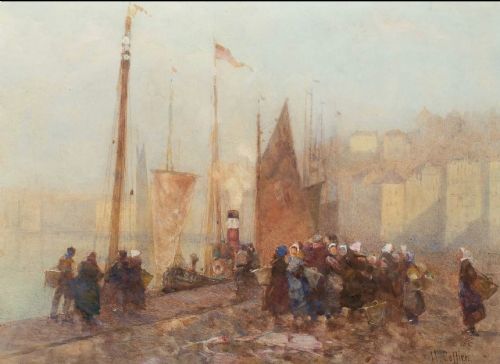
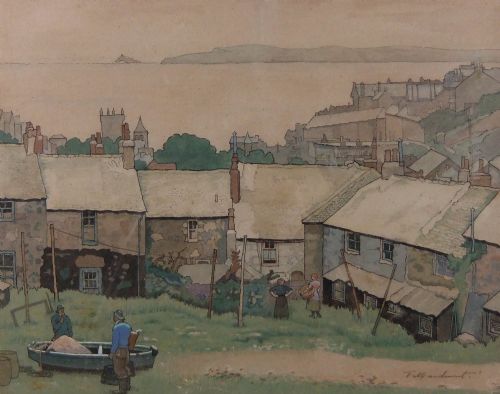
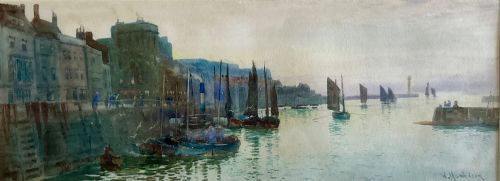
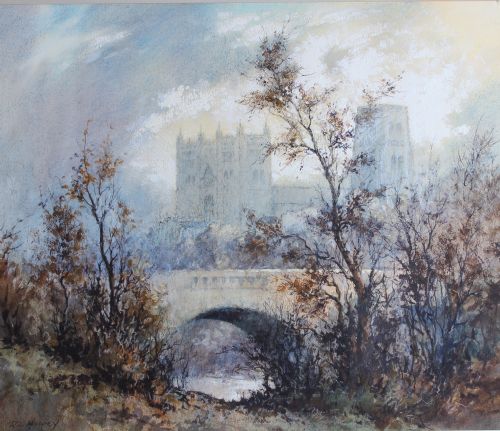
A grey watercolour painting focuses on monochromatic or muted palettes, where artists employ diluted pigment to render skies, stone buildings, and misty coastal views. Buyers seeking these works often encounter British and European scenes executed during the nineteenth and early twentieth centuries.
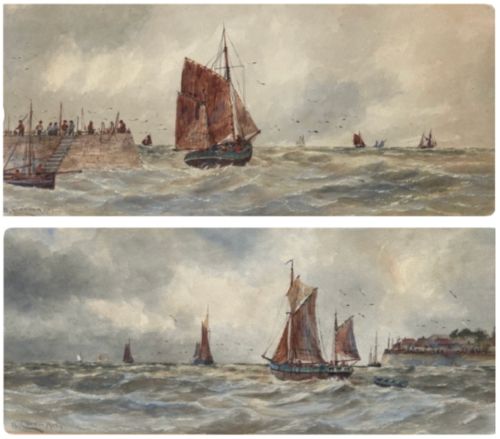
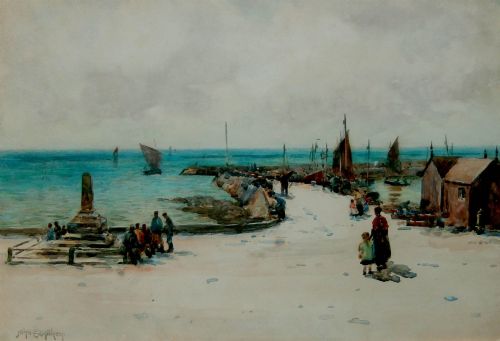
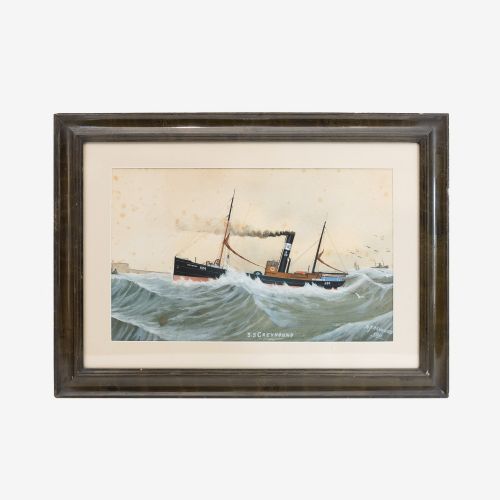
The selection ranges from Victorian maritime depictions and Edwardian moorland vistas to mid-century architectural sketches and genre studies. Painters utilised the inherent transparency of the medium to build tone gradually across paper supports, creating atmospheric depth without relying on vivid colour.
Many surviving examples record specific topographical locations, military vessels, or rural settlements, preserved beneath glass within period frames. This focus on tonal restraint allows the draughtsmanship and brush handling to take precedence over bright pigments.
Factors of quality
The distinction between standard works and exceptional pieces rests upon the artist's economy of brushwork and control over pigment density. Skilled hands manage tonal gradation with precision, allowing the white of the paper to serve as natural highlights within a monochrome composition.
Preservation condition heavily influences overall merit, as exposure to light causes fugitive pigments to fade and acidic paper mounts to discolour. Works retaining their original paper integrity, clear signatures, and contemporary framing demonstrate superior historical provenance.
Grey Watercolour Painting Retail Price Guide 2026
Typical asking prices for grey watercolour painting among the pieces listed under this phrase on Sellingantiques today, from the lower quarter to the upper quarter. They describe what is for sale here now, not the wider market.
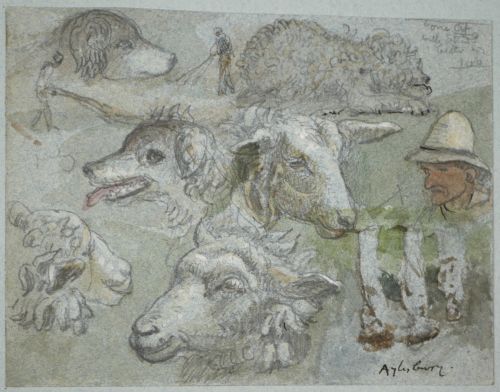
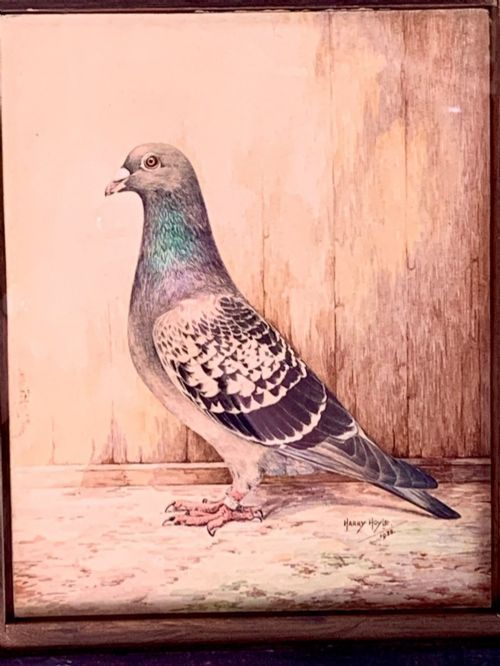
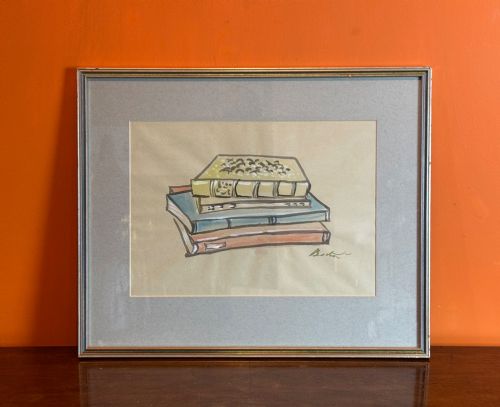
Pigeons and royal messengers occasionally share the paper with warships and drafting books, proving that nineteenth-century artists painted whatever caught their eye.
Thomas Miles Richardson Jnr·William Cannon·James Smetham·John McDougal·Robert Leslie Howey·James E. Aitken·Thomas William Morley·Hector Caffieri·Thomas Maidment·William Matthison·Alexander Harwood·Cecil Beaton·Albert Ludovici Jnr·Michael Healy·Frank Kelsey·John Moxon·F.J. Snell·Charles William Adderton·Eric Tufnell·Vincenzo D’Esposito·Arthur Wardle·Robert Little·Fred Lawson·Arthur Reginald Smith·Nicolas Freese
The Grey Watercolour Painting Glossary
- Watercolour
- A painting method where natural pigments suspended in a water-soluble binder are applied to paper. The technique relies on the transparency of washes to reflect light through the colour.
- Gouache
- An opaque water-based paint containing pigment, water, and an inert white material such as chalk. Artists use it alongside transparent watercolour to introduce solid highlights and dense grey tones.
- Monogram
- A motif made by overlapping or combining two or more letters to form a symbol. Many Victorian and Edwardian painters used these initials to sign works rather than full names.
- Provenance
- The chronology of the ownership, custody, or location of a historical artwork. Established records help verify the authenticity and authorship of nineteenth-century paintings.
Grey Watercolour Painting: Frequently Asked Questions
How should I hang a watercolour painting?
Watercolour paintings require protection from direct sunlight and high humidity to prevent the paper from yellowing and the pigments from fading over time. Position them away from south-facing windows and damp walls.
Ensure the frame is properly sealed against dust and insects, using conservation-grade materials behind the glass whenever possible to maintain long-term stability.
What subjects appear in grey watercolours?
Common subjects include stormy seascapes, industrial harbours, misty northern landscapes, and architectural studies of stone buildings and bridges. Artists favoured muted grey tones to convey overcast weather and atmospheric northern light.
Naval vessels, railway subjects, and equestrian scenes also frequently appear rendered in these restrained, monochromatic palettes.
How do I date an antique watercolour?
Dating relies on stylistic clues, framing methods, artist signatures, and the watermark or texture of the paper support. Victorian and Edwardian works often feature specific mounting styles and handwritten inscriptions on the reverse.
Comparing brushwork and subject matter to documented exhibition dates for particular painters helps narrow the period of creation.
Are these paintings always original works?
The listings comprise original, hand-painted works executed directly by the artist onto paper, rather than mechanical reproductions or prints. Close inspection under magnification reveals individual brush hairs and pooling pigment wash.
Each piece represents a unique historical record created by hand during the stated period.